
 EN
EN


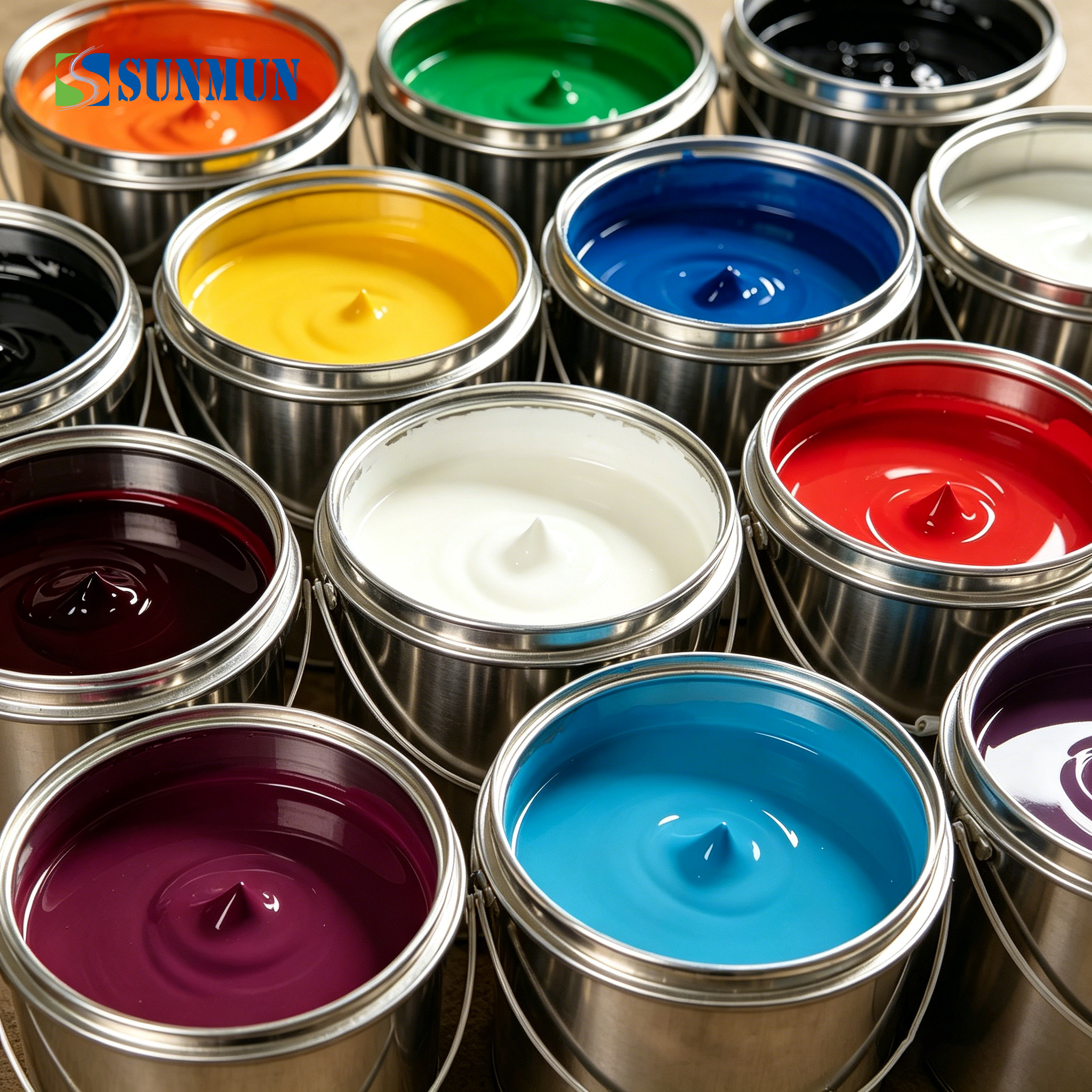
The performance of color paste in leather finishing for automotive interior materials is a subject that directly affects the quality, durability, and visual appeal of every vehicle interior. Automotive OEMs and tier-one suppliers operate under strict standards, and the colorants used in leather finishing must meet equally rigorous benchmarks. Understanding how color paste behaves across different stages of the leather finishing process helps manufacturers make informed decisions about formulation, application method, and long-term performance outcomes.
Automotive interior leather is not simply a decorative surface — it is an engineered material system that must withstand heat cycling, UV exposure, mechanical abrasion, and contact with skin oils and cleaning agents over many years. The role of color paste extends far beyond adding pigment. It participates in building the surface layer of the leather, contributing to adhesion, flexibility, and consistency across large production batches. This article examines the specific mechanisms through which color paste functions in automotive leather finishing and what factors determine its success in this demanding application environment.
The Role of Color Paste in the Automotive Leather Finishing System
How Color Paste Integrates with Leather Surface Chemistry
Leather for automotive interiors is typically finished using a multi-layer coating system applied over a prepared substrate. The color paste is incorporated into the base coat or the color coat layer, where it must bond effectively with binders — most commonly polyurethane or acrylic dispersions — to form a stable, flexible film on the leather surface. The interaction between the pigment particles in color paste and these binder systems determines how evenly the color distributes and how firmly it anchors to the substrate.
A high-quality color paste for automotive leather finishing is formulated with finely milled pigment particles that are well-dispersed and stabilized against agglomeration. When pigment particles are too large or poorly dispersed, the resulting color coat may show uneven coverage, reduced opacity, or a gritty texture that compromises both appearance and tactile quality. The particle size distribution of color paste is therefore a critical formulation parameter for automotive applications.
The compatibility between color paste and the binder system also affects film formation. Incompatibility can lead to flocculation, phase separation, or surface defects such as pinholing and crawling. Automotive leather finishers must verify that their chosen color paste integrates smoothly with the specific binder systems and additives used in their formulations before committing to large-scale production runs.
Contribution to Color Consistency Across Production Batches
One of the most demanding requirements in automotive leather production is color consistency. A single vehicle model may use leather sourced from multiple hides tanned in different batches, and all pieces must match closely enough to be assembled side-by-side without visible discrepancy. The color paste must deliver reproducible color strength and shade across every production batch without deviation caused by pigment settlement or concentration variability.
Modern automotive-grade color paste products are typically manufactured under tight quality control protocols that specify coloristic strength, viscosity range, and pH stability. These parameters directly influence how consistently the color paste performs when diluted into the finishing mix and applied through roller coating, spraying, or curtain coating equipment. Deviation in any of these parameters can translate directly into color shade differences that require costly rework or rejection of finished panels.
For automotive suppliers working under color master standards from OEMs, the traceability and lot-to-lot consistency of color paste is not a luxury — it is a fundamental supply chain requirement. This is why leading leather finishers carefully qualify their color paste suppliers and maintain approved supplier lists that are periodically audited.
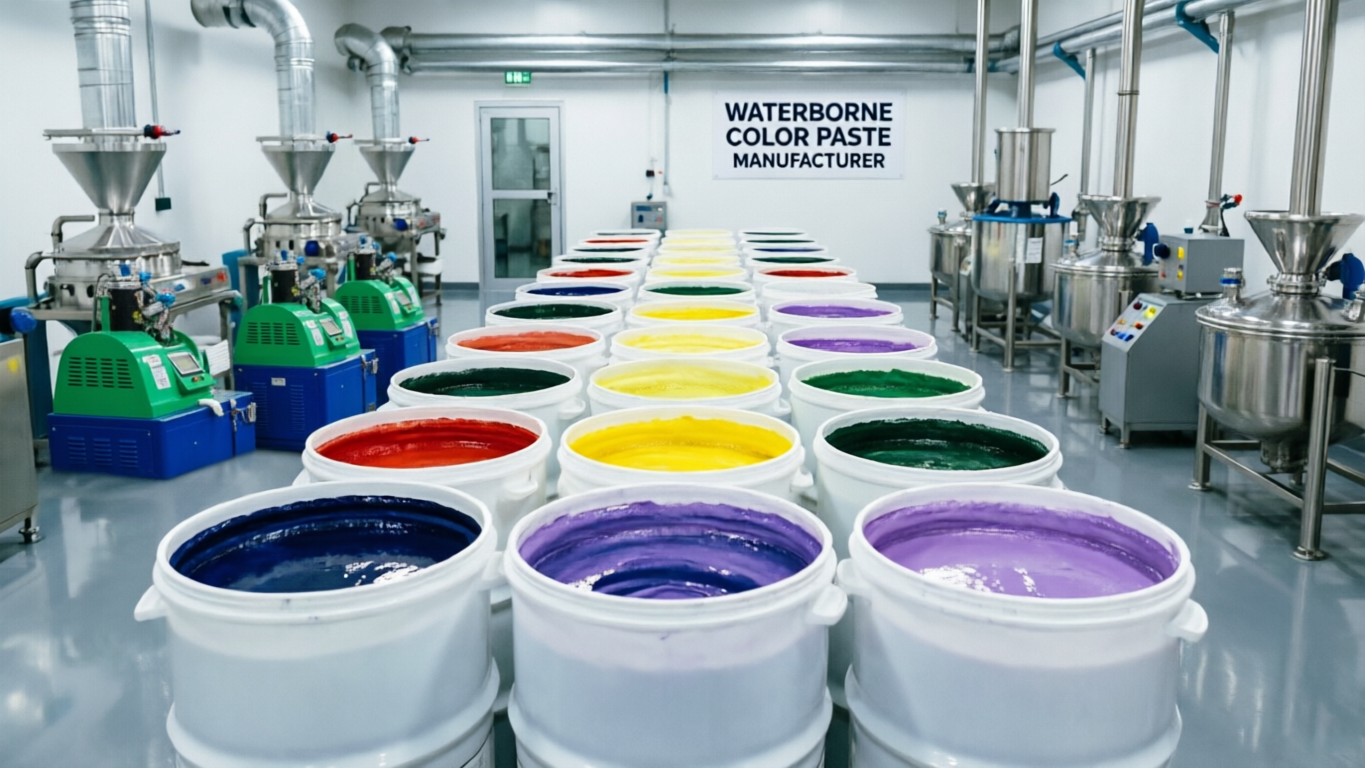
Performance Under Automotive Environmental Conditions
Heat and UV Resistance Requirements
Automotive interiors experience extreme temperature cycling. Dashboard surfaces and seat leather can reach temperatures exceeding 80°C during summer exposure in parked vehicles, and then cool rapidly when air conditioning activates. The color paste used in leather finishing must contain pigments with high heat stability so that the color coat does not yellow, fade, or migrate under these thermal stresses.
UV resistance is equally critical. Sunlight penetrating vehicle glass will continuously expose interior leather surfaces to UV radiation over the vehicle's service life. Automotive specifications typically require that finished leather maintain acceptable color change values — measured by delta E under accelerated xenon arc or UV lamp tests — for hundreds of hours of simulated UV exposure. The color paste must be formulated with UV-stable organic or inorganic pigments to meet these requirements. Pigments with poor lightfastness will cause the color to shift toward yellow or gray tones over time, which is unacceptable in premium automotive interiors.
The selection of pigment chemistry within the color paste is therefore a decisive factor. High-performance quinacridone, perylene, and phthalocyanine-based pigments are commonly used in automotive leather applications where lightfastness ratings of 7 or 8 on the Blue Wool Scale are expected. Inorganic pigments such as iron oxides offer excellent heat and UV stability for earth-tone shades. The formulator must match the pigment chemistry in the color paste to the specific performance requirements of the automotive OEM color standard being matched.
Rub Fastness and Abrasion Resistance in Daily Use
Seat leather in automotive applications undergoes repeated mechanical abrasion from passengers entering, exiting, and moving in their seats over thousands of cycles across the vehicle's life. The color paste within the leather finish must contribute to a surface layer that resists color transfer and surface wear without becoming brittle or cracking.
Dry and wet rub fastness tests — such as those specified under ISO 11640 or SAE J1913 — are standard qualification tests for automotive leather finishes. The color paste must be formulated so that its pigments are firmly locked within the binder matrix and do not bleed or rub off onto fabrics or skin. This requires not only correct pigment selection but also appropriate binder-to-pigment ratios and the use of crosslinkers that create a durable finish film.
Poor rub fastness in automotive leather is often traced back to excessive color paste loading relative to the binder capacity, or to incompatibility between the pigment surface treatment and the binder chemistry. Formulators must balance depth of color against the mechanical durability of the finish, which sometimes requires using highly tinting-strength pigments at lower concentrations to achieve the desired shade without overloading the binder system.
Water-Based Color Paste and the Shift Toward Sustainable Automotive Finishing
Industry Drivers Behind Water-Based Formulations
The automotive industry has been a major driver of the shift from solvent-based to water-based leather finishing systems. Environmental regulations in Europe, North America, and increasingly in Asian markets restrict VOC emissions from manufacturing processes, and automotive OEMs have their own sustainability mandates that flow down to their supply chains. Water-based color paste products have become the dominant choice in automotive leather finishing because they align with these regulatory and sustainability requirements while also improving workplace safety.
Water-based color paste systems require careful formulation to overcome the technical challenges associated with aqueous media, particularly regarding film formation at low temperatures, foam control, and substrate wetting on hydrophobic leather surfaces. These challenges have largely been addressed through advances in pigment surface chemistry, dispersant technology, and the development of high-performance waterborne binders that deliver excellent mechanical and chemical resistance.
The adoption of water-based color paste in automotive leather finishing is now well established across leading tanneries and finishing operations. The transition from solvent-based systems did require investment in process optimization and application equipment adjustments, but the long-term benefits in terms of regulatory compliance and environmental performance have proven compelling for the automotive supply chain.
Technical Advantages of Water-Based Color Paste in Leather Finishing
Beyond regulatory compliance, water-based color paste offers several technical advantages in automotive leather finishing. The aqueous medium allows for easier viscosity adjustment and dilution during formulation preparation. Water-based systems also tend to produce finish films with good breathability, which is an important characteristic for leather seating comfort, as it allows moisture vapor transmission while still maintaining barrier properties against liquid spills.
Modern water-based color paste products engineered for industrial applications carry finely dispersed pigments with optimized surface treatments that promote compatibility with a wide range of waterborne binders. This versatility allows leather finishers to reformulate or adjust their coating recipes without being forced to change their color paste supplier, which simplifies the qualification process and reduces supply chain risk.
The stability of water-based color paste under storage and in-use conditions is also important for automotive production environments. Paste products must resist sedimentation during storage, maintain consistent viscosity within acceptable ranges, and show stability when exposed to the mechanical shear of mixing and pumping equipment. High-quality water-based color paste formulated for industrial use delivers all of these properties reliably, enabling consistent application results across high-volume automotive leather production lines.
Evaluating Color Paste Performance: Key Tests and Criteria
Standard Testing Protocols Used in Automotive Leather Qualification
Qualifying a color paste for automotive leather finishing requires a structured testing protocol that evaluates both the paste itself and the finished leather panels produced using it. Initial paste qualification typically covers coloristic properties including tinting strength, shade accuracy against master standards, and transparency or opacity level. Paste stability tests assess viscosity after storage, resistance to freeze-thaw cycling if relevant to the supply chain, and absence of agglomeration or phase separation.
Once incorporated into the finish formulation, the leather panels undergo a series of performance tests. Lightfastness testing under xenon arc exposure evaluates whether the color paste pigments maintain color integrity over simulated long-term UV exposure. Fogging tests measure whether any volatile components from the color paste or finish system condense on glass surfaces — a critical requirement for automotive interior materials where windshield fogging would be a safety concern.
Rub fastness, flex cracking resistance, and adhesion tests complete the typical automotive qualification battery. The flex cracking test is particularly relevant for seat leather, which must withstand repeated bending without the finish film cracking or flaking. The color paste contributes to the flexibility of the finish film through its pigment-to-binder ratio and the physical properties of the pigment particles. A well-formulated color paste, used at the correct concentration, will not compromise the flexibility of the finish system.
Practical Considerations for Production-Scale Application
In production environments, the practical handling characteristics of color paste matter as much as laboratory performance results. Automotive leather finishing lines run at high speeds and require consistent color delivery over extended production shifts. The color paste must flow uniformly through metering pumps, mix homogeneously in preparation tanks, and apply evenly through spray or roller application heads without nozzle clogging or streaking.
Cleaning and maintenance of application equipment is also a practical consideration. Water-based color paste is generally easier to clean from application equipment than solvent-based systems, which reduces maintenance downtime and the risk of cross-contamination between color changeovers. For automotive finishing operations that run multiple color programs in a single production day, this cleanability advantage translates directly into operational efficiency.
Shelf life and storage stability of color paste are also relevant to automotive production planning. Paste products that remain stable over extended storage periods allow finishing operations to maintain appropriate safety stock levels without risk of quality degradation. Suppliers of automotive-grade color paste typically specify shelf life under defined storage conditions and provide guidance on how to re-disperse any minor settling that may occur during extended storage.
FAQ
What makes color paste suitable specifically for automotive interior leather applications?
Color paste for automotive interior leather must meet a combination of requirements that goes beyond standard leather finishing. These include high lightfastness for UV stability, excellent rub fastness for abrasion resistance, heat stability for temperature cycling endurance, and compatibility with waterborne binder systems. The color paste must also demonstrate consistent coloristic properties across production batches and meet OEM-specific fogging and VOC emission requirements. These combined demands make automotive-grade color paste a specialized product category with distinct formulation requirements.
How does water-based color paste compare to solvent-based options for automotive leather?
Water-based color paste has largely replaced solvent-based alternatives in automotive leather finishing due to regulatory VOC restrictions and OEM sustainability requirements. Modern water-based color paste products have closed much of the historical performance gap with solvent-based systems, offering comparable lightfastness, rub fastness, and adhesion while providing better workplace safety and easier equipment cleanup. For most automotive leather finishing applications, water-based color paste now represents the technically and commercially preferred choice.
How does color paste concentration affect the flexibility of the leather finish?
Excessive color paste loading in a leather finish formulation can reduce the flexibility of the finish film, making it more susceptible to cracking under the repeated bending that seat leather undergoes in use. Each binder system has a maximum pigment volume concentration above which film integrity is compromised. Formulators must carefully balance the color strength needed to achieve the target shade against the mechanical requirements of the finish. Using high-strength color paste products allows the required shade depth to be achieved at lower paste concentrations, preserving the flexibility of the binder matrix.
What quality parameters should be checked when receiving color paste for automotive production?
Incoming quality checks for color paste in automotive leather finishing should typically cover coloristic strength against a reference standard, viscosity within the specified range, pH value, absence of visible agglomeration or separation, and particle size distribution if fineness is critical for the specific application. Lot-to-lot color consistency should be evaluated by preparing drawdown panels alongside the approved reference to verify that shade, strength, and opacity are within acceptable tolerances before the paste is released for production use.
Table of Contents
- The Role of Color Paste in the Automotive Leather Finishing System
- Performance Under Automotive Environmental Conditions
- Water-Based Color Paste and the Shift Toward Sustainable Automotive Finishing
- Evaluating Color Paste Performance: Key Tests and Criteria
-
FAQ
- What makes color paste suitable specifically for automotive interior leather applications?
- How does water-based color paste compare to solvent-based options for automotive leather?
- How does color paste concentration affect the flexibility of the leather finish?
- What quality parameters should be checked when receiving color paste for automotive production?