
 EN
EN


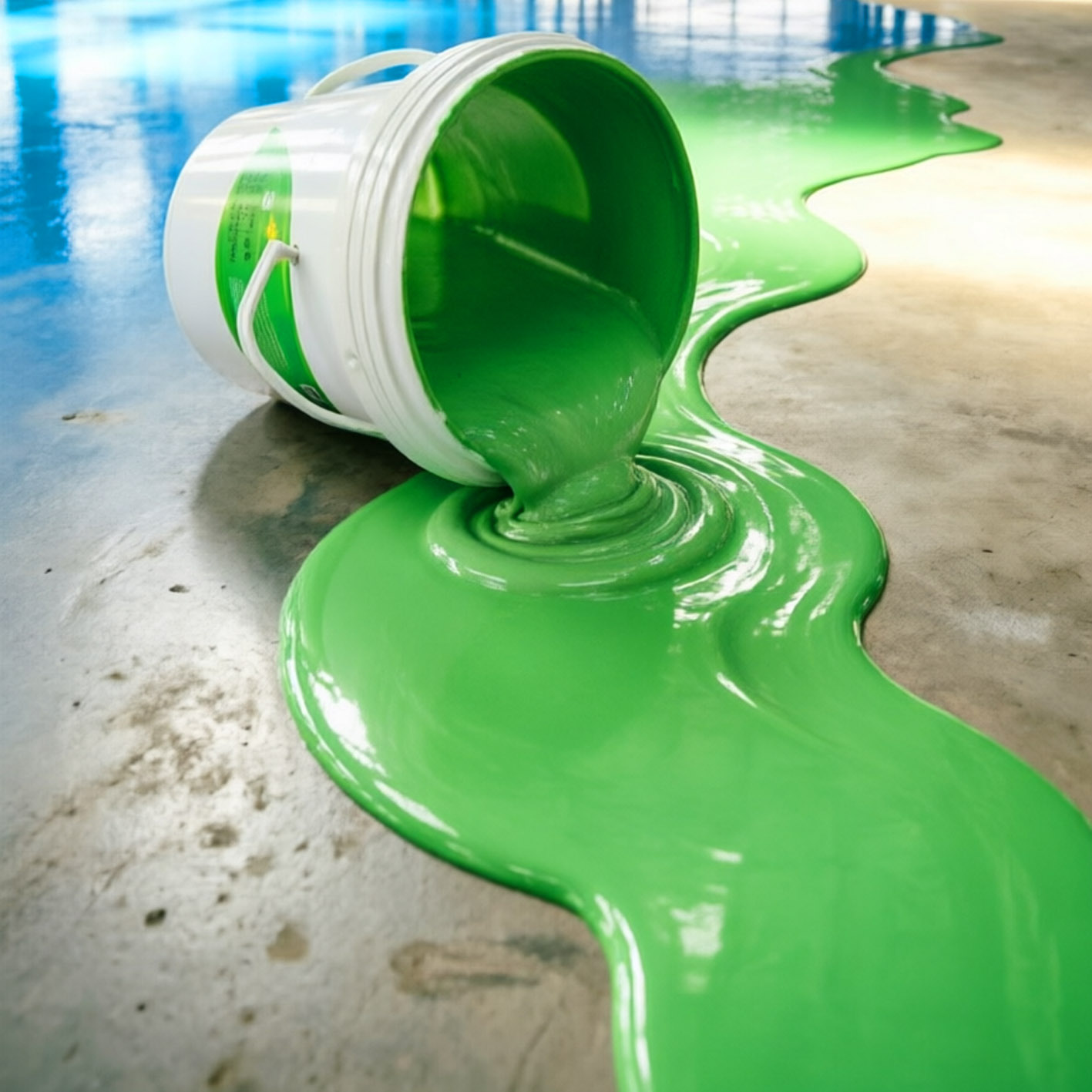
In the world of industrial textile production, the choice of colorant technology directly shapes the quality, efficiency, and scalability of the entire manufacturing workflow. pigment paste has emerged as one of the most versatile and dependable solutions for large-scale fabric processing, offering a unique combination of broad substrate compatibility, process flexibility, and consistent color output. For textile manufacturers operating at high volumes, understanding how pigment paste behaves across different printing systems and fabric types is essential for making informed production decisions.
Unlike reactive dyes or vat dyes that form chemical bonds with fiber molecules, pigment paste works through a mechanical bonding mechanism, using binders to fix pigment particles onto the fabric surface. This fundamental difference has significant practical implications for how the technology performs in large-scale operations. From screen printing lines running thousands of meters per shift to continuous coating processes on automated machinery, pigment paste demonstrates performance characteristics that make it a preferred colorant system in many industrial textile environments. This article explores those performance dimensions in detail, examining both the strengths and the operational considerations that large-scale processors need to understand.
The Fundamental Mechanism Behind Pigment Paste Performance
How Pigment Particles Interact with Fabric Substrates
The core of pigment paste technology lies in its physical rather than chemical bonding approach. Finely ground pigment particles are dispersed in an aqueous medium alongside binders, thickeners, and auxiliary chemicals. When applied to fabric and subsequently cured through heat, the binder system forms a thin, flexible film that locks the pigment particles onto the fiber surface. This process does not require the fiber to have specific reactive sites, which is why pigment paste can be used effectively on cotton, polyester, nylon, linen, and blended fabrics without significant formulation changes.
For large-scale processors, this substrate versatility is a major operational advantage. Production lines often handle multiple fabric types within a single shift, and switching between colorant systems would introduce complexity, downtime, and additional quality risks. With pigment paste, the same base formulation can be adapted across different textile substrates by adjusting binder ratios and thickener concentrations, keeping changeover times short and process consistency high. The particle size distribution of the pigment in the paste also plays a critical role in print definition, surface uniformity, and the final appearance of the printed fabric.
When pigment paste is formulated with ultrafine particles, it delivers sharper print edges and better penetration into fabric weaves, which is particularly important for high-resolution pattern printing. Coarser particle distributions may be acceptable for large-area solid prints but can compromise fine-detail work. Industrial formulators balance these variables carefully to ensure that the pigment paste behaves predictably across all print zones, even when screens or rollers are running at high speeds over extended production periods.
The Role of Binders and Thickeners in Large-Scale Applications
The binder system within pigment paste is arguably the most critical component for large-scale fabric processing performance. Binders determine wash fastness, dry rub fastness, and the tactile quality of the finished fabric. In industrial settings where printed fabrics must pass strict quality standards before leaving the facility, the binder formulation directly impacts product acceptance rates and customer satisfaction. Soft binders are preferred for apparel applications where hand feel is important, while harder binders offer superior fastness properties for technical textiles or home furnishing fabrics.
Thickeners control the rheological behavior of pigment paste during printing, ensuring that the paste flows correctly through screens, rollers, or doctor blades without bleeding or spreading beyond the defined print area. In high-speed rotary screen printing, for example, the thickener must maintain stable viscosity under mechanical shear while still releasing cleanly from the screen mesh. If the thickener breaks down under the pressures of continuous high-speed production, color bleeding and reduced print definition become immediate problems. Large-scale processors therefore pay close attention to the rheological stability of their pigment paste formulations under actual production conditions.

Synthetic thickeners based on polyacrylate chemistry have largely replaced natural gums in industrial pigment paste formulations because they offer more consistent and predictable viscosity profiles. They are also less prone to microbial degradation during storage, which is a relevant concern when large batches of pigment paste are stored in production facilities over extended periods. The interplay between binder, thickener, and pigment concentration ultimately defines how a pigment paste performs from the first meter to the last meter of a production run.
Performance Across Different Textile Printing Methods
Flat Screen and Rotary Screen Printing
Flat screen printing remains common in batch production environments where design flexibility and short run lengths are valued, while rotary screen printing dominates continuous large-scale fabric processing. In both systems, pigment paste must demonstrate excellent screen stability, meaning it should not dry in the screen during pauses, should not build up as residue on the mesh, and should release uniformly with each squeegee pass. Formulators achieve this by incorporating hygroscopic agents that retain moisture in the paste film on the screen surface during short stoppages.
In rotary screen printing at industrial speeds, a well-formulated pigment paste can deliver exceptional color consistency across widths of 160 to 320 centimeters and over production runs exceeding ten thousand meters. The key performance indicator here is delta E deviation, which measures color difference between samples taken at the beginning and end of a run. A high-quality pigment paste system should keep this deviation within acceptable tolerance limits throughout the run, demonstrating that the colorant system does not shift in shade as the paste is consumed and replenished.
Rotary screen printing also imposes centrifugal forces on the pigment paste inside the rotating cylinder, which can cause separation of components if the formulation is not adequately stabilized. Large-scale processors often run continuous recirculation systems within the screen to keep pigment paste homogeneous during production. The stability of pigment paste under these mechanical conditions is therefore a direct performance parameter that affects both color quality and process efficiency.
Pad Printing, Coating, and Digital Pigment Systems
Beyond screen printing, pigment paste is used extensively in padding applications where fabric passes through a trough of diluted colorant and is then squeezed between rollers to ensure uniform penetration. Solid dyeings and base color effects are commonly achieved this way, particularly for fabric destined for further printing or finishing. The even distribution of pigment paste across the entire fabric width during padding requires precise control of pad pressure, bath concentration, and fabric tension, all of which interact with the rheological properties of the paste formulation.
In coating applications, pigment paste is incorporated into coating compounds applied to technical textiles, protective fabrics, and specialty materials. Here, the pigment paste must survive the mechanical stresses of knife-over-roll or gravure coating processes and remain stable within the coating compound during application. The pigment particles must not aggregate under the shear forces of these coating systems, as aggregation would cause color streaks or uneven opacity in the finished product.
Digital inkjet printing for textiles presents a different set of demands, and while traditional pigment paste in its full-bodied form is not used directly in inkjet heads, the pigment dispersions derived from similar technology principles are the foundation of pigment-based inkjet inks. For large-scale processors transitioning toward or supplementing with digital production, understanding the performance principles of pigment paste helps contextualize the behavior of digital pigment inks and the curing requirements they share with conventional pigment paste systems.
Color Fastness and Quality Standards in Industrial Processing
Wash Fastness and Dry Rub Performance
Color fastness properties are the benchmark by which pigment paste performance is ultimately judged in textile manufacturing. Wash fastness grades indicate how well the color withstands repeated laundering, and dry rub fastness measures resistance to color transfer through friction. In large-scale apparel and home textile production, minimum acceptable fastness grades are defined by customer specifications, and failing to meet them results in costly rejections, rework, or disposal of printed fabric.
The wash fastness of pigment paste-printed fabric is primarily determined by the binder system and the curing parameters. Adequate curing at the correct temperature and dwell time cross-links the binder film, creating a durable network that resists detachment during washing. In large-scale continuous dryers and stenter frames, ensuring uniform temperature distribution across the full fabric width and throughout the entire length of a production run is essential. Cold spots or insufficient dwell time at any point in the curing zone will result in under-cured pigment paste that sheds color during washing.
Industrial textile processors implement regular quality checks during production, pulling samples at defined intervals to test fastness properties. When pigment paste is formulated and applied correctly, wash fastness ratings of 3 to 4 or higher on the standard grey scale are achievable, meeting the requirements for most commercial textile applications. Dry rub fastness is generally easier to achieve with pigment paste than wet rub fastness, and the latter remains the more demanding target in formulation development for high-intensity colors.
Color Consistency and Batch Reproducibility
For large-scale fabric processors, color consistency across batches is as important as absolute fastness performance. When an order requires multiple production runs over days or weeks, the pigment paste used in each run must produce identical shade depth and hue. This requires careful control of pigment paste concentration, mixing procedures, and application parameters, as well as confidence that the pigment paste itself has been manufactured to tight quality standards from batch to batch.
Spectrophotometric color measurement is standard practice in industrial textile production for verifying that printed fabric meets the approved color standard. Large-scale processors use laboratory spectrophotometers alongside production-line scanning systems to catch color deviations early. A reliable pigment paste with stable pigment dispersion and consistent coloristic properties makes it significantly easier to achieve pass rates within the first print run rather than requiring costly corrections and reruns.
The pigment paste concentration in the print paste formulation must also be carefully calibrated to the specific screen mesh count, print speed, and fabric absorbency. Concentration that is too high can lead to a stiff, cracked film after curing, while concentration that is too low produces weak, washed-out color that fails fastness requirements. Experienced textile chemists maintain detailed formulation records and adjust these parameters based on the specific fabric and order requirements, treating pigment paste management as a precision science rather than a simple mixing operation.
Environmental and Process Efficiency Considerations
Water-Based Pigment Paste in the Context of Sustainable Manufacturing
One of the most significant advantages of pigment paste in large-scale textile processing is its compatibility with environmental compliance requirements. Modern water-based pigment paste formulations are free from heavy metals, restricted aromatic amines, and other substances regulated under international textile safety standards such as OEKO-TEX and REACH. This makes them suitable for use in production chains supplying brands and retailers with strict chemical compliance programs.
Compared to reactive dyeing processes, pigment paste printing generates substantially less wastewater because no exhaustion bath or washing-off step is required for the printed areas. After printing and curing, the fabric is ready for inspection and finishing without the extensive rinsing sequences needed to remove unfixed dye from reactive or vat dye processes. This reduction in water consumption and effluent load is a meaningful sustainability benefit for facilities operating under environmental permits that cap water usage or effluent discharge volumes.
The shift toward water-based pigment paste formulations free from solvent carriers further reduces volatile organic compound emissions from the printing and drying process, contributing to better air quality in production halls and reducing regulatory compliance costs. For large-scale processors with sustainability reporting obligations or factory audit requirements from major retail customers, the environmental profile of pigment paste is a commercially relevant performance attribute alongside its technical printing characteristics.
Process Simplification and Production Line Efficiency
Beyond environmental benefits, pigment paste contributes to process efficiency in large-scale fabric processing through its relatively simple application workflow. The absence of pre-treatment requirements for many fabric types reduces process steps compared to reactive or disperse dye printing. While certain substrates benefit from a mordant or pre-treatment layer to improve binder adhesion, the majority of standard cotton, polyester, and blended fabrics can be printed directly with a properly formulated pigment paste without additional preparation steps.
Post-print curing with hot air is the primary finishing step, and modern stenter frames and dryer ovens designed for pigment paste curing are widely available and well-integrated into standard textile finishing lines. The elimination of steaming, washing, and extended drying cycles that characterize many dye-based printing processes translates directly into higher throughput per shift, lower energy consumption per meter of fabric, and reduced labor requirements. For high-volume processors competing on cost efficiency, these process simplification benefits of pigment paste are substantial.
Inventory management is also simplified when pigment paste is the primary colorant system, as a relatively small palette of base pigment pastes can be combined to achieve a very wide gamut of shades. This reduces the number of individual colorant products that must be stored, managed, and replenished, simplifying procurement and reducing the risk of color deviations caused by product substitutions. The predictability and manageability of pigment paste systems at scale is a practical performance advantage that experienced production managers appreciate deeply.
FAQ
What types of fabric work best with pigment paste in large-scale printing?
Pigment paste is compatible with a wide range of fabrics, including cotton, polyester, nylon, linen, viscose, and blended constructions. Its mechanical bonding mechanism means it does not rely on specific fiber chemistry, making it one of the most versatile colorant options for facilities processing diverse fabric types. Cotton and polyester-cotton blends are particularly common substrates in industrial pigment paste printing due to their wide commercial use and the excellent results achievable with optimized binder formulations on these fibers.
How does curing temperature affect the performance of pigment paste on fabric?
Curing temperature is critical to the wash fastness and durability of pigment paste-printed fabric. Insufficient curing leaves the binder film partially cross-linked, resulting in poor wash fastness and color loss during laundering. Typical curing temperatures for water-based pigment paste range from 140 to 160 degrees Celsius for durations of one to three minutes, depending on the specific binder system and the fabric weight. Large-scale processors must ensure that their stenter or dryer maintains consistent temperature across the full fabric width and along the entire length of the curing zone to avoid quality inconsistencies.
Can pigment paste maintain color consistency across very long production runs?
Yes, pigment paste can maintain strong color consistency across long production runs when the formulation is properly stabilized and the application parameters are tightly controlled. Key factors include the stability of the paste against mechanical shear in rotary screens or pumping systems, consistent replenishment of the print paste bath, and stable curing conditions throughout the run. Regular in-line color measurement and periodic laboratory checks help processors detect any drift early and make corrections before significant quantities of off-shade fabric are produced.
What are the main limitations of pigment paste compared to reactive dyes in textile printing?
The primary limitation of pigment paste compared to reactive dyes is hand feel on heavily printed or solid-coverage areas, where the binder film can impart a noticeable stiffness or surface texture to the fabric. This is less of a concern for designs with open print areas but becomes relevant for all-over prints or very deep shades requiring high pigment paste concentrations. Wet rub fastness is also generally lower with pigment paste than with well-fixed reactive dyes, particularly for intense reds and blacks. Formulators address these limitations through soft binder development and optimized print paste design, but processors should evaluate pigment paste performance against their specific end-use requirements before committing to it as the primary colorant system.
Table of Contents
- The Fundamental Mechanism Behind Pigment Paste Performance
- Performance Across Different Textile Printing Methods
- Color Fastness and Quality Standards in Industrial Processing
- Environmental and Process Efficiency Considerations
-
FAQ
- What types of fabric work best with pigment paste in large-scale printing?
- How does curing temperature affect the performance of pigment paste on fabric?
- Can pigment paste maintain color consistency across very long production runs?
- What are the main limitations of pigment paste compared to reactive dyes in textile printing?