
 EN


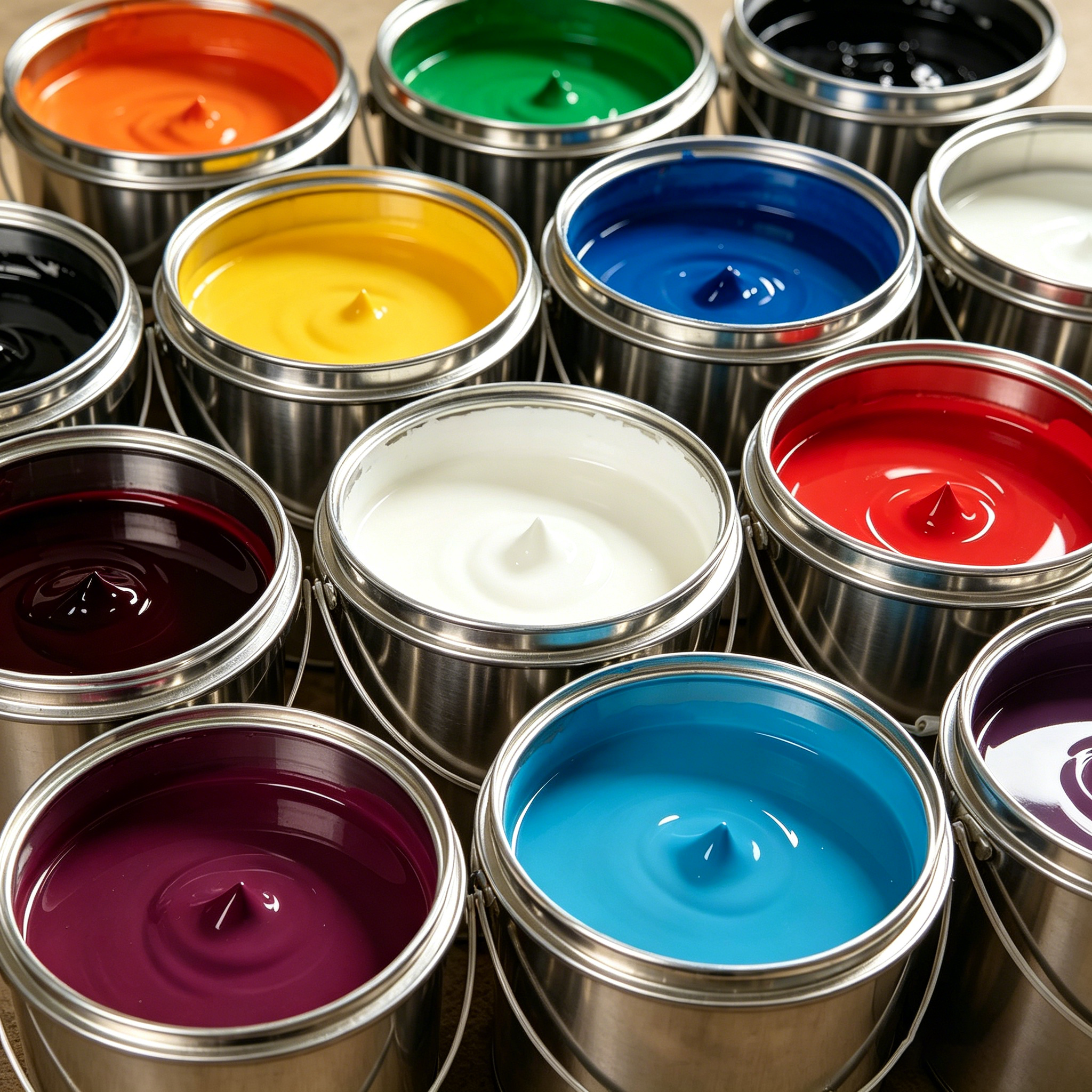
The quality of pigment dispersion directly determines the performance and environmental viability of modern eco-friendly water-based industrial paints. Without proper pigment dispersion, even the most advanced waterborne formulations fail to deliver consistent color, durability, and coverage that industrial applications demand. As manufacturers and coating specialists increasingly adopt sustainable practices, understanding why pigment dispersion serves as a foundational element becomes essential for achieving both environmental and performance objectives.

Eco-friendly water-based industrial paints represent a significant shift away from solvent-heavy formulations that historically dominated coating markets. However, this transition introduces unique technical challenges, particularly regarding how pigments integrate into aqueous systems. Pigment dispersion in water-based formulations requires specialized approaches to ensure pigment particles remain uniformly suspended, separated, and stable throughout manufacturing, storage, and application phases.
Understanding Pigment Dispersion in Waterborne Systems
The Role of Pigment Dispersion in Paint Performance
Pigment dispersion fundamentally affects how pigments behave within a water-based paint matrix. When pigment dispersion achieves optimal quality, individual pigment particles distribute evenly throughout the coating, creating uniform color development, consistent opacity, and reliable hiding power. Poor pigment dispersion results in particle agglomeration, where pigments clump together, reducing effective surface area and causing color variation, reduced coverage efficiency, and compromised visual appearance on finished surfaces.
The mechanics of pigment dispersion in water-based systems differ substantially from solvent-based applications. Water's polarity and higher surface tension create natural resistance to pigment particle separation. Effective pigment dispersion in industrial water-based paints depends on specialized dispersing agents, precise mixing protocols, and carefully balanced formulation chemistry. Without adequate attention to pigment dispersion, manufacturers face batch inconsistency, customer complaints, and increased material waste.
Environmental Benefits Connected to Effective Pigment Dispersion
Proper pigment dispersion reduces the overall volume of material required to achieve target color intensity and coverage. When pigment dispersion remains inefficient, coating specialists must compensate by adding excess pigment, creating environmental and economic inefficiencies. Superior pigment dispersion enables lower pigment loading, which simultaneously reduces volatile organic compound (VOC) emissions, decreases raw material consumption, and minimizes disposal requirements.
The sustainability advantage of water-based formulations amplifies when pigment dispersion is optimized. Well-dispersed pigments require less surfactant and processing energy, lowering the overall environmental footprint of paint production. Additionally, consistent pigment dispersion reduces rework, batch rejections, and off-specification product disposal, creating additional environmental savings through waste reduction.
Technical Mechanisms Behind Pigment Dispersion Excellence
Dispersing Agents and Pigment Stabilization
Pigment dispersion in water-based industrial paints relies heavily on dispersing agents—specialized chemical additives that coat pigment particles and prevent reagglomeration. These dispersants create electrostatic or steric barriers around individual pigment particles, maintaining separation and suspension stability. The selection and concentration of dispersing agents directly influence pigment dispersion quality, long-term shelf stability, and how well pigments remain separated during paint application.
Advanced pigment dispersion formulations employ multiple classes of dispersants working synergistically to address the complex chemistry of water-based systems. Polymeric dispersants, surfactants, and specialty additives combine to achieve pigment dispersion that withstands temperature fluctuations, pH changes, and mechanical stress. When pigment dispersion chemistry is properly engineered, water-based industrial paints maintain performance parity with traditional solvent-based alternatives while delivering superior environmental profiles.
Milling and Mixing Technologies for Pigment Dispersion
Achieving optimal pigment dispersion requires appropriate milling and mixing technology calibrated to the specific pigment chemistry and desired dispersion particle size. Modern pigment dispersion processes employ high-shear mixers, bead mills, and specialized dispersing equipment that reduce pigment particles to target dimensions—typically 1 to 10 micrometers for industrial paint applications. The energy input, milling duration, and bead size all affect final pigment dispersion quality.
Pigment dispersion consistency improves when manufacturing facilities implement standardized protocols and invest in reproducible equipment. Industrial-scale pigment dispersion requires monitoring systems, precise timing, and quality control checkpoints to ensure batch-to-batch uniformity. This manufacturing discipline directly translates into customer confidence, reduced field failures, and superior coating performance on industrial substrates.
Environmental and Performance Outcomes of Superior Pigment Dispersion
Color Consistency and Application Efficiency
Superior pigment dispersion delivers remarkable benefits in color consistency and application efficiency for industrial coating operations. When pigment dispersion achieves excellence, applicators experience predictable coverage rates, uniform color delivery on first application, and minimal material waste due to rework or touch-up requirements. Field teams appreciate how reliable pigment dispersion reduces application variables, speeds project completion, and minimizes labor costs associated with quality issues.
The economic advantage of achieving excellent pigment dispersion extends throughout the supply chain. Manufacturers benefit from reduced batch failures and returns; contractors gain faster project execution and improved customer satisfaction; end-users enjoy durable, visually consistent coatings that meet or exceed performance expectations. Pigment dispersion quality therefore represents a shared value driver across the entire industrial coating ecosystem.
Durability and Environmental Compliance
Proper pigment dispersion contributes significantly to coating durability and long-term environmental compliance. Well-dispersed pigments integrate more effectively into the paint film matrix, creating superior adhesion, corrosion resistance, and weathering performance. Pigment dispersion excellence ensures that water-based industrial paints deliver durability comparable to or exceeding solvent-based alternatives while maintaining substantially lower environmental impact.
Eco-friendly water-based industrial paints formulated with superior pigment dispersion meet stringent environmental regulations across North America, Europe, and Asia-Pacific markets. Proper pigment dispersion reduces formulation complexity, enabling manufacturers to eliminate harmful solvents, heavy metal pigments, and problematic additives without sacrificing performance. This convergence of environmental responsibility and technical excellence makes pigment dispersion central to modern sustainable coating development.
FAQ
Why does pigment dispersion specifically matter for water-based paints more than solvent-based paints?
Water's chemical properties create greater dispersion challenges compared to organic solvents. Water-based systems require more sophisticated dispersing chemistry, precise pH control, and specialized mixing technology to maintain pigment dispersion stability. Solvent-based paints benefit from organic solvents' natural ability to separate pigment particles, making pigment dispersion relatively easier to achieve. Water-based formulations demand deliberate pigment dispersion engineering, making this consideration especially critical for waterborne industrial coatings.
How can manufacturers test and verify adequate pigment dispersion quality?
Quality assurance teams employ multiple testing methods to verify pigment dispersion: particle size analysis using laser diffraction or dynamic light scattering, viscosity measurements, color strength assessment, and accelerated aging tests. Pigment dispersion fineness gauges provide rapid field assessment, while microscopy analysis offers detailed particle distribution visualization. Regular testing ensures that pigment dispersion meets specification throughout the production cycle and identifies processing variables affecting dispersion quality.
Can pigment dispersion improvements reduce total paint formulation costs?
Yes, optimized pigment dispersion enables lower pigment loading rates, reducing material costs while maintaining or exceeding color performance. Better pigment dispersion increases pigment efficiency, meaning manufacturers achieve target color intensity with less total pigment volume. Additionally, superior pigment dispersion reduces batch failures, rework expenses, and waste disposal costs. The combined savings from reduced pigment loading, fewer processing errors, and improved yield make pigment dispersion optimization financially advantageous alongside environmental benefits.