
 EN


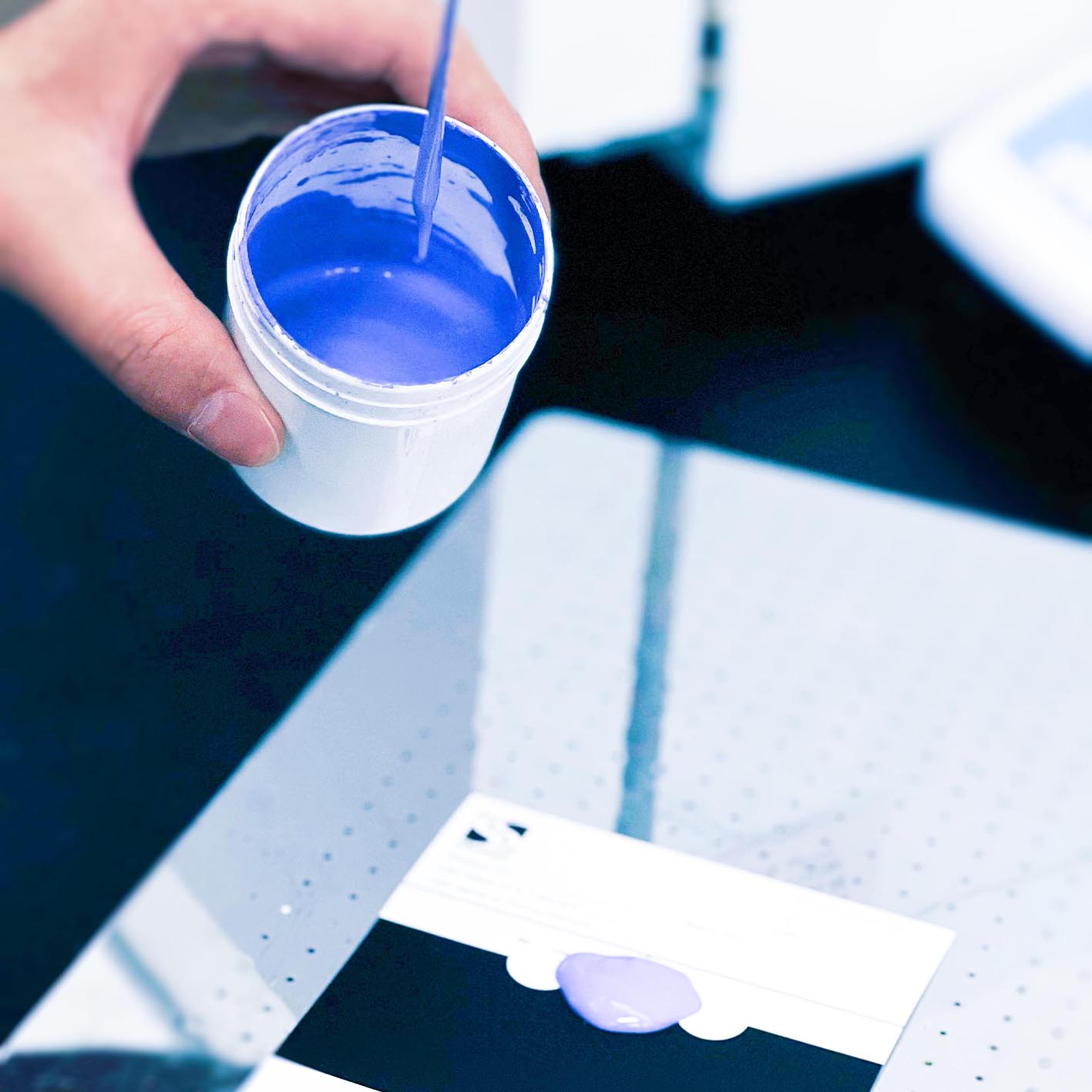
Color consistency represents one of the most critical challenges in epoxy floor coating applications. When a colorant is introduced to an epoxy system, it must integrate uniformly across the entire floor surface to produce the desired aesthetic and performance outcomes. Water-based colorant solutions have emerged as a transformative approach to addressing these consistency challenges while maintaining the durability and protective qualities that epoxy floors demand in industrial, commercial, and decorative applications.

The science behind color uniformity in epoxy systems depends on how thoroughly a colorant disperses throughout the resin matrix. Traditional approaches often result in streaking, mottling, or uneven tone distribution that compromises the professional appearance of the finished surface. Water-based colorant formulations address this through advanced dispersion chemistry that ensures molecular-level integration and consistent pigment distribution from application through full cure.
Understanding Water-Based Colorant Technology
Dispersion Science and Pigment Integration
Water-based colorant systems rely on sophisticated emulsification and dispersion mechanisms that break pigment particles into ultra-fine suspensions. This micronization process creates a colorant that flows evenly through epoxy resin systems without settling, separation, or agglomeration. The water component in a colorant formulation acts as a carrier medium that maintains pigment suspension stability during storage and application, preventing the separation that often compromises solvent-based alternatives.
When a water-based colorant mixes with epoxy components, the pigment particles remain uniformly distributed rather than clustering into visible deposits. This consistent particle size distribution of the colorant ensures that every section of the epoxy floor receives identical color intensity and tone. Industrial applications requiring certification or strict aesthetic standards depend on this level of color uniformity that only advanced water-based colorant technology can reliably deliver.
Chemical Compatibility with Epoxy Resins
Epoxy systems contain specific chemical compositions that require a colorant formulation designed for molecular compatibility. Water-based colorant products must be engineered to integrate without interfering with the epoxy resin cure mechanism or weakening the cross-link density that gives epoxy floors their legendary durability. Incompatible colorant additives can extend cure times, reduce hardness, or create surface defects that compromise floor performance.
Modern water-based colorant formulations employ coupling agents and surfactants that facilitate seamless integration into epoxy matrices. These components ensure that the colorant neither retards the cure reaction nor causes dimensional instability during the hardening process. Professional-grade water-based colorant products are validated through extensive testing to confirm that pigment addition does not diminish chemical resistance, abrasion resistance, or mechanical strength of the finished epoxy floor.
Achieving Consistent Color Application
Mixing Protocols and Homogenization
Proper mixing procedure determines whether a water-based colorant delivers uniform results across an entire epoxy floor project. The colorant must be thoroughly blended into the epoxy resin using appropriate mechanical mixing speeds and times that prevent shear degradation of the pigment particles. Insufficient mixing leaves the colorant unevenly distributed, while excessive shear can damage the water-based colorant structure and reduce its color intensity.
Professional installers follow strict protocols when introducing a colorant into epoxy systems. Portable color-matching systems and pre-measured colorant cartridges ensure batch-to-batch consistency by controlling the exact ratio of colorant to epoxy resin. This standardized approach eliminates human error and guarantees that each application of a water-based colorant produces identical floor color regardless of when different sections are poured or which crew members perform the installation.
Environmental and Application Advantages
Water-based colorant formulations offer significant workplace safety benefits compared to solvent-containing alternatives. The absence of volatile organic compounds in a water-based colorant reduces airborne exposure during application and improves indoor air quality during and after installation. Workers applying water-based colorant require less respiratory protection, and facility occupants can return to treated areas more quickly after cure completion.
The water component in a colorant formulation also simplifies cleanup procedures and reduces disposal complexity. Equipment used to apply water-based colorant can be rinsed with water rather than requiring solvent washing that generates hazardous waste. This environmental efficiency makes water-based colorant the preferred choice for facilities pursuing LEED certification or operating under strict environmental regulations that govern solvent emissions and waste streams.
Performance Implications and Long-Term Outcomes
Color Stability and Fade Resistance
The long-term performance of a colored epoxy floor depends on whether the colorant resists UV degradation, chemical exposure, and mechanical wear. Water-based colorant systems achieve color stability through the use of lightfast pigments that maintain their original hue even in high-UV environments or under intense chemical exposure. Industrial facilities with outdoor-facing epoxy installations or chemical processing areas require colorant products that maintain color consistency over years or decades of service.
Advanced water-based colorant formulations incorporate UV-absorbing agents and stabilizer packages that protect pigments from photochemical degradation. These components ensure that the colorant retains its color intensity and tone consistency even when the epoxy floor is exposed to direct sunlight, fluorescent lighting, or harsh chemical environments. Facility managers can rely on water-based colorant systems to maintain the aesthetic and branding appearance of their floors throughout the extended lifecycle of the epoxy system.
Mechanical Properties and Durability
The introduction of a colorant into an epoxy system must not compromise the physical properties that make epoxy floors superior to alternative flooring materials. Water-based colorant products are formulated to maintain the compressive strength, tensile adhesion, and impact resistance of the epoxy matrix. Testing data confirms that properly formulated water-based colorant additions do not reduce hardness, increase brittleness, or create delamination risks over the floor's service life.
Maintenance and cleaning procedures do not affect the color consistency of floors treated with water-based colorant. The epoxy matrix protects the pigment particles from direct chemical or mechanical contact, ensuring that the colorant remains integral to the floor surface. This durability allows facility operators to maintain colored epoxy floors using the same aggressive cleaning protocols suitable for standard epoxy without risk of color fading or surface degradation.
FAQ
Can water-based colorant be mixed with solvent-based epoxy components?
Water-based colorant products are specifically designed for use with water-based or hybrid epoxy systems. Mixing water-based colorant with traditional solvent-based epoxy resins can cause phase separation, pigment agglomeration, and application defects. Always verify that your water-based colorant product is compatible with the specific epoxy resin formulation you plan to use, and follow manufacturer recommendations for proper system pairing to ensure color consistency.
How does water-based colorant affect the cure time of epoxy floors?
Properly formulated water-based colorant products have minimal impact on the cure schedule of epoxy systems. The water component evaporates during the initial stages of epoxy curing, and modern water-based colorant formulations contain no cure retardants or inhibitors. However, excessive water-based colorant loading or incompatible products may extend cure times, so it is essential to follow the manufacturer's recommended colorant dosage rates and verify compatibility before full-scale application.
What color options are available when using water-based colorant?
Water-based colorant systems offer a comprehensive spectrum of colors ranging from standard industrial tones to custom designer hues. Manufacturers provide pre-formulated water-based colorant colors in cartridges or containers that simplify selection and application. Custom color matching is also available for projects requiring specific branding colors or specialized aesthetic requirements. Consult with your colorant supplier to confirm that your desired color is available in a water-based formulation compatible with your epoxy system.