
 EN


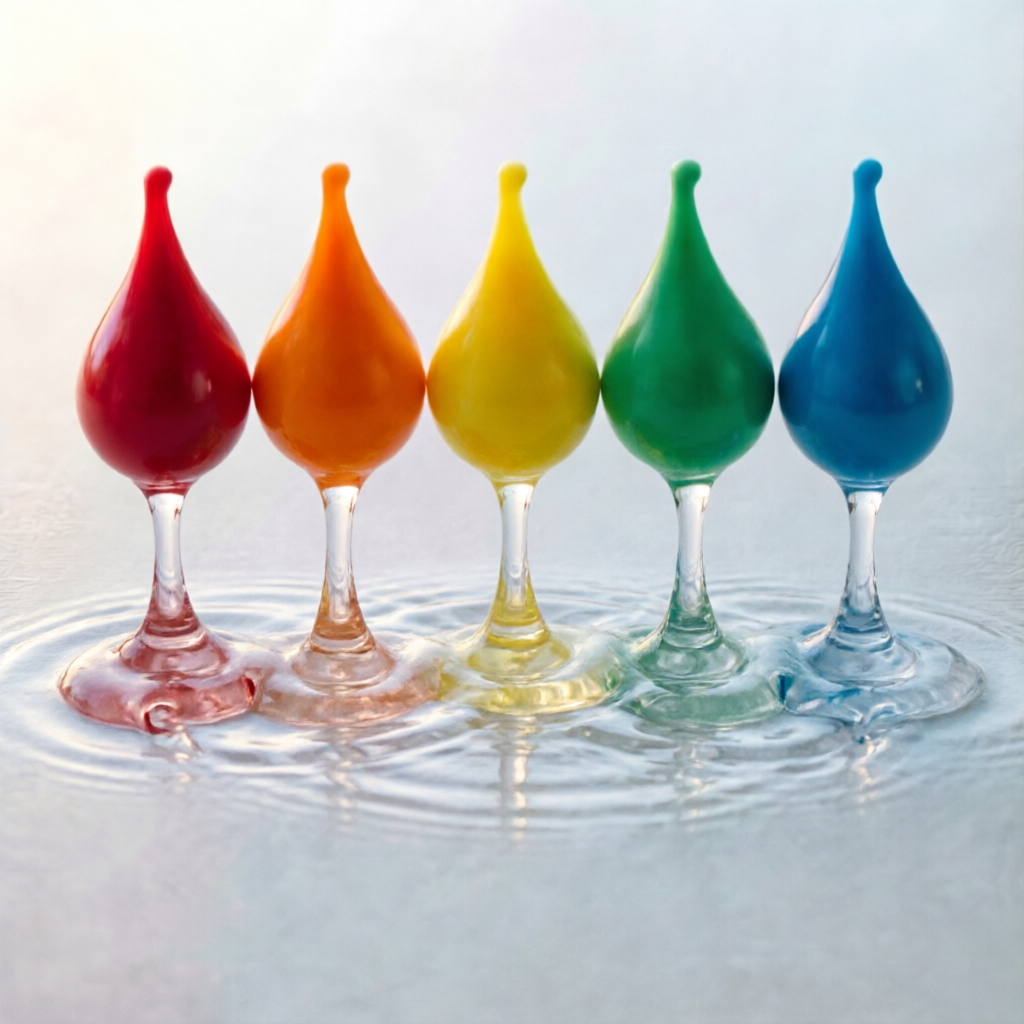
Water-based colorant technology represents a transformative shift in how manufacturers achieve vibrant, durable finishes on wood surfaces. As environmental regulations tighten and end-users demand sustainable solutions without compromising aesthetics, water-based colorant formulations have become essential for modern coating systems. The evolution of water-based colorant chemistry now enables coating professionals to deliver rich color depth, superior adhesion, and consistent appearance across residential and commercial wood applications. Understanding how water-based colorant interacts with wood substrates and coating matrices is critical for formulators, contractors, and facility managers seeking to balance performance, sustainability, and visual quality.

The science behind water-based colorant performance in wood coatings involves precise particle dispersion, pH stability, and substrate compatibility. Modern water-based colorant products are engineered to overcome historical limitations such as reduced gloss retention and potential settling, while maintaining the low volatile organic compound (VOC) profile that regulators and consumers increasingly require. This article explores how water-based colorant delivers vibrant finishes, the mechanisms that ensure color stability, and practical considerations for optimizing results in wood coating applications.
Color Development and Vibrancy in Water-Based Colorant Systems
Particle Dispersion and Pigment Loading
Water-based colorant achieves vibrant finishes through carefully controlled pigment particle size and uniform dispersion throughout the coating matrix. When colorant particles are dispersed at optimal diameters—typically between 0.5 and 5 microns—they absorb and reflect light more efficiently, producing the vivid hues and color saturation that customers expect. The dispersion process for water-based colorant involves surfactants and stabilizing agents that prevent particle aggregation, ensuring consistent color distribution across the coating film. High-quality water-based colorant formulations maintain pigment suspension stability even after extended storage, reducing the risk of color shift or separation that compromises finish appearance.
Light Absorption and Optical Properties
The vibrancy delivered by water-based colorant depends directly on how pigment particles interact with visible light wavelengths. Water-based colorant formulations are designed to maximize selective light absorption while minimizing light scatter, which intensifies perceived color saturation. Modern water-based colorant products often incorporate organic and inorganic pigments in combinations that enhance chroma and tone depth. Wood substrates, which naturally absorb and scatter light, benefit significantly from water-based colorant systems engineered to counteract wood porosity and create a unified color appearance across grain variations.
Integration with Wood Coating Matrices
Compatibility and Adhesion Mechanisms
For water-based colorant to support vibrant finishes, it must achieve complete chemical compatibility with the base coating matrix. Water-based colorant particles are formulated with specific gravity and surface chemistry that ensures even distribution without settling or layering within the coating film. When water-based colorant is properly integrated, pigment particles remain suspended in the aqueous vehicle, allowing the binder polymer to encapsulate and protect color molecules during cure. Poor integration of water-based colorant into coating matrices can result in incomplete color development, uneven gloss, or surface defects that diminish the desired vibrant appearance.
Substrate Preparation and Wood Character
Wood's variable density, grain structure, and natural porosity influence how water-based colorant performs and how vibrancy emerges across the finished surface. Effective use of water-based colorant requires proper substrate preparation, including sanding to consistent grit levels and removal of dust and contaminants that could interfere with colorant adhesion. Water-based colorant interacts differently with softwoods and hardwoods due to variations in cellular structure and extractive content. Understanding wood species characteristics allows coating professionals to select water-based colorant products that deliver consistent vibrancy regardless of underlying substrate variation.
Performance Durability and Environmental Factors
UV Stability and Color Retention
The long-term vibrancy of finishes colored with water-based colorant depends significantly on UV stability and resistance to photooxidation. High-performance water-based colorant formulations incorporate UV absorbers, stabilizers, and hindered amine light stabilizers (HALS) that protect pigments from degradation. Water-based colorant products designed for exterior wood applications provide enhanced UV protection compared to interior-focused formulations. When properly formulated with complementary topcoats, water-based colorant maintains vibrant appearance through years of environmental exposure, ensuring customer satisfaction and finish longevity.
Moisture and Chemical Resistance
Water-based colorant performance in wood coatings is influenced by the coating's ability to resist moisture infiltration and leaching of pigment material. Well-formulated water-based colorant systems incorporate hydrophobic components that reduce water penetration into the coating film, protecting color molecules from degradation or migration. Industrial and commercial wood coatings often require enhanced chemical resistance; water-based colorant products must be compatible with base coats and topcoats that provide this protection. The interface between water-based colorant-tinted coating and protective topcoats must maintain adhesion and color integrity through thermal cycling, humidity fluctuations, and chemical exposure inherent in use environments.
Optimization Strategies for Vibrant Finishes
Color Formulation and Tint Accuracy
Achieving truly vibrant finishes requires precise colorant dosing and understanding how colorant concentration affects visual outcomes. Formulators must balance colorant loading to maximize vibrancy without compromising coating durability, adhesion, or flow properties. Water-based colorant used in architectural coating applications demands consistency across batches, requiring quality control systems and standardized measurement protocols. Minor variations in water-based colorant concentration can produce noticeable shifts in perceived color, making precision in product selection and application critical for professional results.
Application Techniques and Surface Finish Quality
The vibrant appearance of wood coatings containing water-based colorant is directly influenced by application method, film thickness uniformity, and surface preparation quality. Brush, roller, and spray application methods each interact differently with water-based colorant particles, affecting pigment orientation and final gloss or sheen characteristics. Optimal water-based colorant performance emerges when coating application achieves consistent film thickness across all surfaces, ensuring uniform color appearance and light interaction. Professional application of water-based colorant systems requires understanding drying characteristics, recoat timing, and environmental conditions such as temperature and humidity that influence flow, leveling, and final color development.
FAQ
What makes water-based colorant different from solvent-based alternatives?
Water-based colorant systems use aqueous carriers instead of volatile organic solvents, reducing environmental impact and occupational health risks while meeting regulatory VOC limits. The dispersion chemistry differs significantly; water-based colorant requires stabilizing agents and surfactants optimized for aqueous systems, whereas solvent-based colorants rely on different chemical carriers. Modern water-based colorant formulations now match or exceed solvent-based counterparts in color vibrancy, adhesion, and durability when properly engineered and applied to appropriately prepared wood substrates.
How does water-based colorant affect coating drying and curing behavior?
Water-based colorant particles influence drying rates and film formation mechanisms because water evaporation and coalescence of polymer particles drive the curing process. Quality water-based colorant formulations are designed to integrate seamlessly with the binder polymer without interfering with drying uniformity or creating surface defects. Temperature and humidity directly affect how water-based colorant-tinted coatings dry; higher humidity can extend drying time, while elevated temperatures typically accelerate moisture release and polymer coalescence. Understanding these interactions allows applicators to optimize environmental conditions for achieving vibrant, uniform finishes with water-based colorant systems.
Can water-based colorant be used in both interior and exterior wood coating applications?
Water-based colorant products are available in formulations engineered for specific use environments, with exterior-grade variants incorporating enhanced UV protection and moisture resistance compared to interior-focused options. Many modern water-based colorant systems deliver excellent performance across both interior residential applications and exterior commercial wood coatings when paired with appropriate base coats and topcoats. The selection of specific water-based colorant products should align with the intended application environment, expected exposure conditions, and performance requirements such as UV resistance, chemical resistance, and durability standards established for the end use.