
 EN


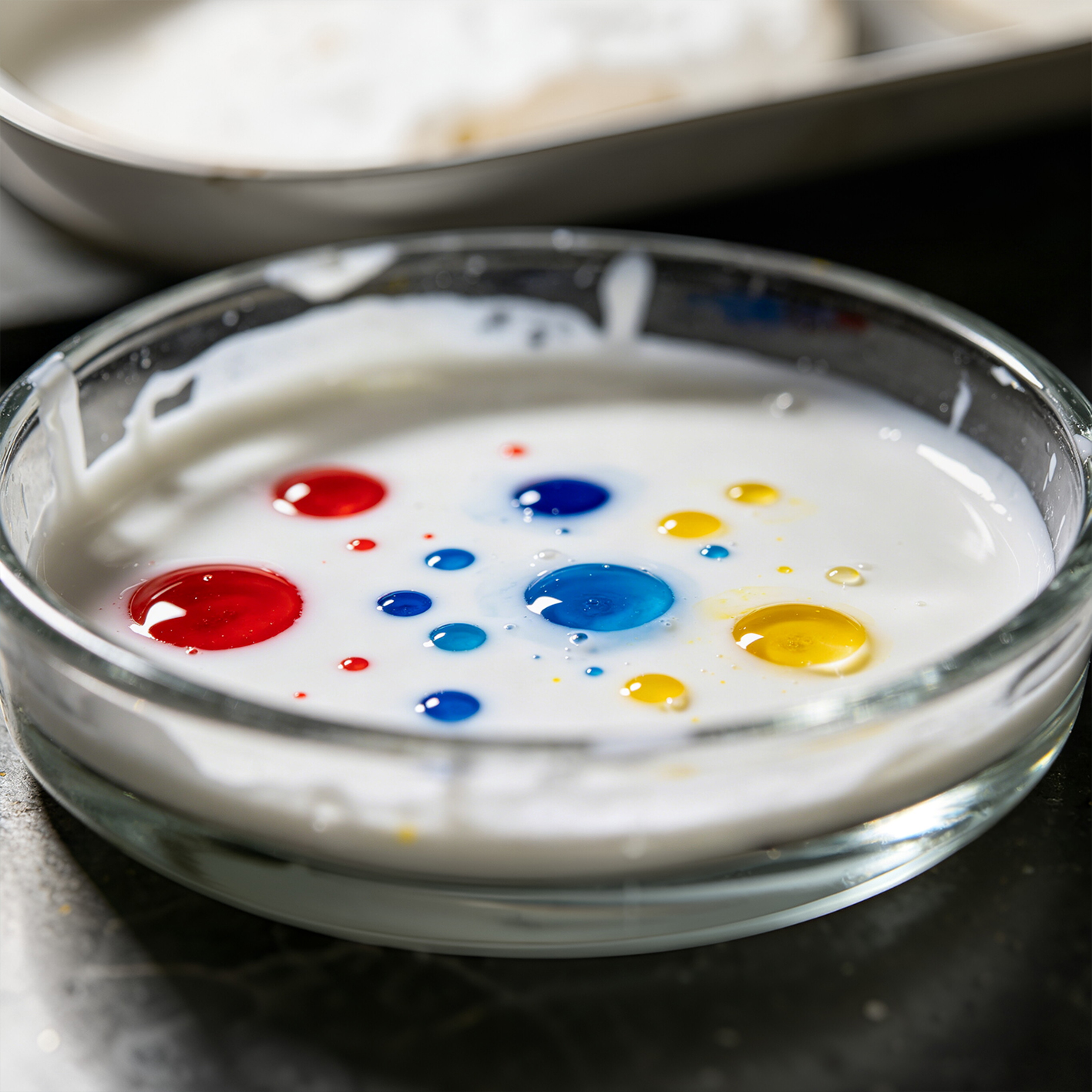
Weather-resistant exterior wall coatings depend on multiple formulation factors, but pigment dispersion stands as one of the most critical contributors to long-term performance. When pigment dispersion is optimized correctly, coatings resist UV degradation, moisture penetration, and color fading far more effectively than poorly dispersed alternatives. Understanding how pigment dispersion enhances weather resistance helps architects, contractors, and facility managers select coatings that truly protect building facades against harsh environmental conditions over decades.

The science behind pigment dispersion reveals why uniform particle distribution directly correlates with coating durability. Superior pigment dispersion ensures that colorant particles are evenly suspended throughout the binder matrix, eliminating weak zones where moisture or UV light could concentrate damage. This uniform distribution transforms a coating from merely aesthetic into a genuine protective barrier, delivering both visual appeal and functional weather resistance that meets demanding exterior performance standards.
How Pigment Dispersion Improves UV and Moisture Protection
Uniform Particle Distribution and UV Barrier Formation
Pigment dispersion quality directly determines how effectively a coating blocks ultraviolet radiation. When pigment dispersion achieves fine, uniform particle size and spacing, these particles create a more complete optical barrier that scatters and absorbs UV energy before it can degrade the binder underneath. Poor pigment dispersion leaves microscopic gaps and agglomerated clusters where UV rays penetrate more readily, initiating photodegradation that causes chalking, color shift, and eventual binder breakdown. High-quality pigment dispersion ensures that colorant particles remain individually suspended, maximizing their protective contribution throughout the coating's service life.
Moisture Resistance Through Optimal Pigment Spacing
Water infiltration accelerates coating failure by promoting osmotic blistering and substrate corrosion. Superior pigment dispersion creates a tighter, more cohesive particle network within the coating matrix, which reduces capillary pathways where water molecules can travel through the film. When pigment dispersion is poor, larger agglomerates create voids and channels that moisture exploits, leading to faster water absorption and film degradation. Precise pigment dispersion formulation minimizes these pathways, forcing water molecules to take longer, more tortuous routes through the coating, effectively delaying penetration and extending coating life in high-moisture environments.
Key Factors That Determine Pigment Dispersion Quality in Exterior Coatings
Dispersion Equipment and Shear Processing
Achieving optimal pigment dispersion requires appropriate mixing equipment and controlled shear rates throughout manufacturing. High-speed dispersers, bead mills, and media mills apply mechanical energy that breaks down pigment agglomerates into individual particles. Inadequate shear processing leaves pigment particles clustered together, severely compromising weather resistance performance. Equipment selection, mill speed, residence time, and media composition all influence final pigment dispersion quality. Manufacturers who invest in precision dispersion technology consistently produce coatings with superior UV stability and moisture barrier properties, while undersized or poorly maintained equipment results in substandard pigment dispersion and predictably shorter exterior service life.
Dispersion Aid Chemistry and Binder Compatibility
Pigment dispersion aids, also called wetting agents or surfactants, control how pigment particles interact with the binder system. These chemical additives surround pigment particles, preventing them from re-agglomerating and ensuring they remain uniformly distributed throughout the coating. The choice of pigment dispersion aid chemistry must match the binder type, whether acrylic, polyurethane, alkyd, or latex-based. Mismatched chemistry produces poor pigment dispersion, leading to visible streaking, color variation, and reduced weather protection. Properly selected pigment dispersion additives maintain particle suspension stability during storage, application, and film formation, guaranteeing that the coating delivers consistent weather resistance from batch to batch and year to year.
Real-World Performance Benefits of Superior Pigment Dispersion
Extended Gloss Retention and Color Fastness
Exterior coatings with superior pigment dispersion maintain gloss and color far longer than alternatives with poor particle uniformity. When pigment dispersion is optimized, the coating surface remains more uniform at the microscopic level, scattering light more consistently and resisting gloss loss from UV degradation. Color fastness improves similarly because uniformly dispersed pigment particles weather at roughly the same rate, preventing the color shift and fading that occurs when some pigment agglomerates degrade faster than others. Building facades coated with high-quality pigment dispersion formulations retain their intended appearance for 10 to 15 years or more, maintaining property value and curb appeal without premature touch-up or repainting.
Reduced Defects and Enhanced Application Properties
Professional contractors recognize that poor pigment dispersion creates application problems including brush marks, roller patterns, sagging, and uneven coverage that weaken performance. Superior pigment dispersion produces coatings with improved flow, leveling, and spreadability, enabling contractors to apply uniform films without defects that compromise weather protection. Consistent pigment dispersion also reduces viscosity variation during application, preventing the build-up of thick areas where cracking and adhesion failure can initiate. When pigment dispersion quality is high, contractors achieve better on-site results, fewer callbacks, and more durable coatings that perform reliably in harsh climates and exposure conditions.
Cost-Benefit Analysis Over Building Service Life
While coatings formulated with superior pigment dispersion may cost slightly more upfront, the durability gains justify the investment over a building's 20 to 30 year lifespan. Poor pigment dispersion often leads to premature failure, requiring repainting every 5 to 8 years, creating substantial labor and material costs, plus building disruption. High-quality pigment dispersion extends repainting intervals to 12 to 15 years or longer, reducing lifecycle costs and maintenance burden. Facility managers and building owners who prioritize pigment dispersion quality in their coating specifications achieve better long-term value, improved asset protection, and reduced operational disruption compared to selecting coatings based solely on initial price without considering pigment dispersion performance factors.
FAQ
How does pigment dispersion prevent chalking in exterior coatings?
Pigment dispersion prevents chalking by ensuring that colorant particles remain uniformly distributed and tightly bonded within the binder matrix. When pigment dispersion is poor, UV light preferentially attacks agglomerated particle clusters, causing them to separate from the binder surface as loose powder. Superior pigment dispersion spreads UV exposure across countless individual particles, distributing damage and slowing the chalking process. This uniform particle distribution allows the coating to maintain surface integrity and adhesion far longer, dramatically extending the time before chalking becomes visible or problematic.
Can pigment dispersion alone guarantee weather resistance in exterior coatings?
While pigment dispersion is essential for weather resistance, it works in combination with other formulation factors including binder quality, film thickness, primer adhesion, and surface preparation. Excellent pigment dispersion cannot compensate for poor substrate preparation, inadequate primer, or thin film application. However, superior pigment dispersion significantly amplifies the weather resistance contributions of good binder chemistry and proper application. To achieve maximum exterior durability, specifiers must optimize pigment dispersion alongside all other formulation and application variables as an integrated system.
What testing methods verify pigment dispersion quality for weather resistance?
Pigment dispersion quality can be assessed through particle size analysis using techniques like laser diffraction or transmission electron microscopy, which measure the uniformity and fineness of dispersed particles. Accelerated weathering tests such as QUV or xenon arc exposure reveal how well pigment dispersion protects against UV degradation by measuring gloss loss, color change, and chalking over simulated years of outdoor exposure. Moisture vapor transmission testing and salt spray testing further verify whether optimal pigment dispersion has truly enhanced the coating's barrier properties. Combining these analytical and performance-based testing methods provides comprehensive verification that pigment dispersion quality meets weather resistance requirements for specific applications.