
 EN
EN


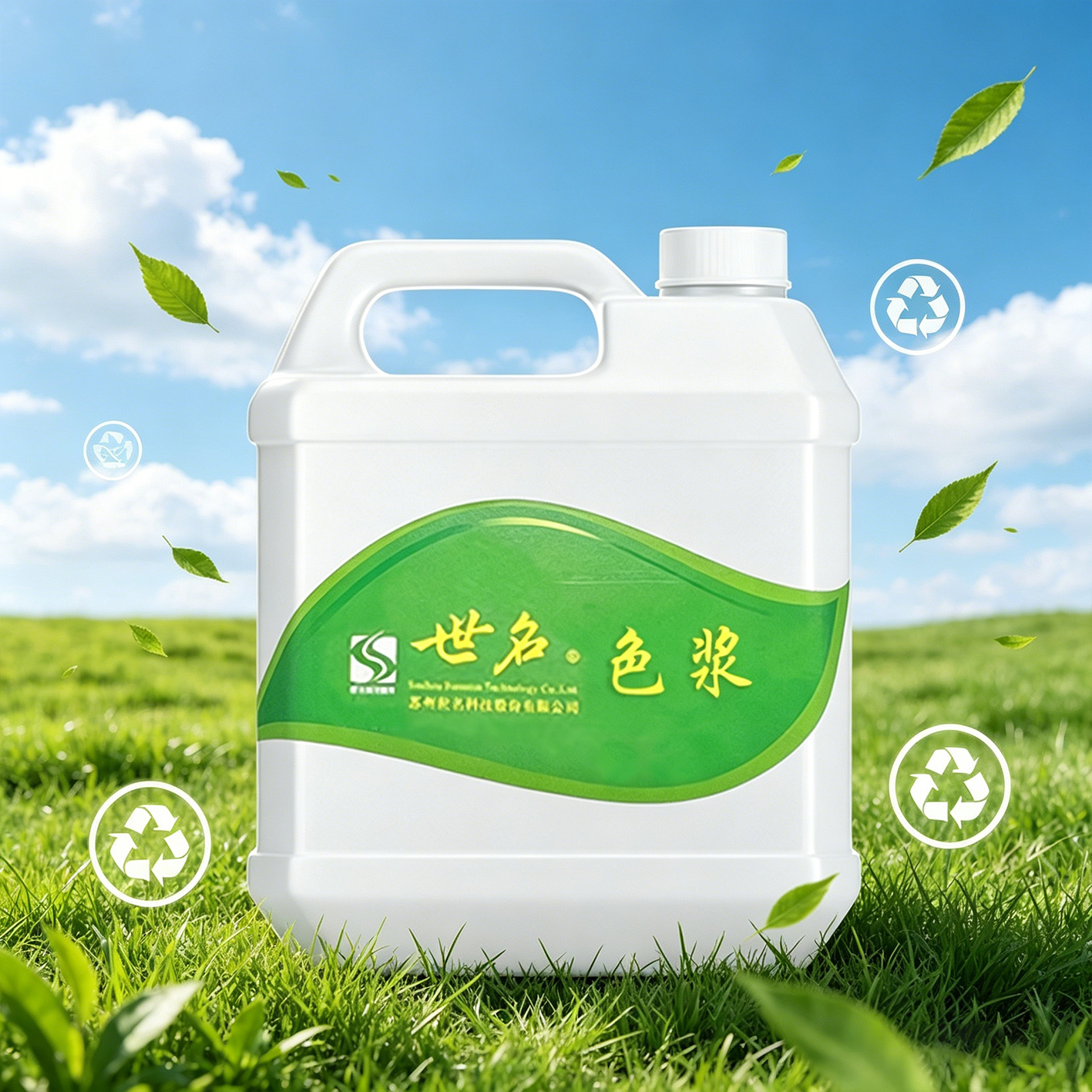
When formulators and construction professionals evaluate pigmentation options for protective and decorative systems, the question of whether color paste is compatible with polyurethane coatings comes up frequently. Polyurethane is one of the most versatile and demanding coating chemistries used in construction today, valued for its durability, flexibility, and resistance to abrasion and weathering. Choosing the right colorant system for such a high-performance binder is not a trivial decision — it directly affects coating stability, adhesion, color accuracy, and long-term performance in the field.

The short answer is yes — color paste is generally well-suited for polyurethane coatings used in construction, but compatibility depends on the specific formulation of both the paste and the polyurethane system. This article explores the conditions under which color paste performs reliably, the factors that determine compatibility, and how to approach color paste selection for construction-grade polyurethane applications with confidence.
Understanding Color Paste in the Context of Polyurethane Chemistry
What Color Paste Actually Is
A color paste is a concentrated dispersion of pigment particles in a liquid carrier medium, typically combined with dispersants, stabilizers, and in some formulations, a binder resin. Unlike dry pigments, color paste offers pre-wetted, pre-dispersed pigment that integrates smoothly into liquid coating systems. This makes it particularly practical for industrial and construction coating applications where consistent tint strength, reproducibility, and ease of handling are essential.
The carrier medium in a color paste is one of the most critical variables when it comes to compatibility with polyurethane. Carriers can be water-based, solvent-based, or oil-based, and each interacts differently with polyurethane chemistry. Water-based color paste formulations, for example, are increasingly engineered for broad compatibility across both waterborne and certain solvent-borne systems, making them flexible tools for modern construction coating formulators.
The pigment type within the color paste also matters. Organic pigments deliver vivid hues but may be more sensitive to UV exposure or chemical environments, while inorganic pigments typically offer superior durability and opacity. A well-formulated color paste for construction use should specify its pigment composition, tint strength, and binder compatibility clearly to avoid guesswork during formulation.
How Polyurethane Coatings Behave as a Substrate System
Polyurethane coatings in construction are used across a wide range of substrates and environments — from concrete floors and rooftops to steel structures and façade systems. They cure through either a one-component moisture-triggered mechanism or a two-component isocyanate-polyol reaction. In both cases, the coating matrix is sensitive to the introduction of incompatible additives that might disrupt crosslinking, cause phase separation, or introduce moisture that interferes with curing.
When a color paste is added to a two-component polyurethane system, it must ideally be introduced to the polyol (Part B) before mixing with the isocyanate (Part A). This sequencing is critical. Any moisture or reactive functional groups introduced by the color paste carrier can react with the isocyanate, causing foaming, gassing, or loss of mechanical properties. Choosing a color paste with low moisture content and an inert or compatible carrier is therefore essential for two-component polyurethane systems in construction.
Waterborne polyurethane coatings behave differently — they tolerate water-based color paste more naturally since both systems share a water carrier. These are gaining rapid adoption in sustainable construction projects where VOC reduction is mandated, and the compatibility with water-based color paste makes them even more accessible to formulators working under environmental compliance constraints.
Key Compatibility Factors to Evaluate
Carrier Compatibility and Moisture Sensitivity
The carrier of the color paste must be chemically neutral or compatible with the polyurethane binder system. For solvent-borne two-component polyurethanes, solvent-based or universal color paste formulations are generally preferred. For waterborne polyurethane systems, water-based color paste is the natural fit. Mixing incompatible carrier types can cause cloudiness, viscosity spikes, pigment flocculation, or instability during storage or application.
Moisture is the most significant risk variable when using color paste in solvent-borne polyurethane coatings. Even water-based color paste products with supposedly low moisture content can introduce enough residual water to react with isocyanate groups, generating CO2 gas and forming bubbles in the cured film. It is worth verifying the Karl Fischer moisture content of any color paste intended for use in two-component isocyanate-containing systems to reduce this risk.
Universal color paste products — engineered to perform across both water-based and solvent-based platforms — offer a practical solution when formulating across multiple polyurethane system types. These formulations use carefully selected dispersant packages and carrier solvents that are compatible with a broader range of binder chemistries, including aliphatic and aromatic polyurethanes commonly used in construction.
Dispersant and Stabilizer Interactions
Dispersants within the color paste serve the critical function of keeping pigment particles separated and preventing re-agglomeration. However, some dispersants can interfere with the curing mechanism of polyurethane coatings. Amine-based dispersants, for example, are reactive with isocyanates and can dramatically affect pot life, cure speed, and hardness development in two-component polyurethane systems.
Non-reactive dispersant packages designed specifically for industrial coatings are available and preferred when formulating color paste for polyurethane construction systems. These ensure that pigment remains well-dispersed throughout the application window without contributing unintended reactivity to the curing chemistry. Sourcing color paste specifically described as isocyanate-compatible or polyurethane-grade offers an additional level of assurance.
Stabilizers in the color paste, including anti-settling agents and viscosity modifiers, should also be evaluated for compatibility. Some rheology modifiers used in color paste formulations can disrupt the rheological balance of the coating, affecting leveling, sag resistance, and film build. Conducting small-scale compatibility trials before full production incorporation remains a best practice for any new color paste in a polyurethane construction coating formulation.
Performance Benefits of Color Paste in Construction Polyurethane Applications
Consistent Color Accuracy Across Batches
One of the strongest arguments for using color paste in construction-grade polyurethane coatings is the ability to achieve reproducible color from batch to batch. Construction projects often require large volumes of coating applied over extended timelines, sometimes across multiple contractors or geographic locations. Achieving a consistent appearance across all poured, rolled, or sprayed surfaces is a critical quality requirement that color paste addresses more reliably than dry pigment addition.
Because color paste contains pigment that is already dispersed and standardized to a defined tint strength, dosage control is straightforward and predictable. The same weight or volume of color paste added to the same base coating will deliver the same color, provided the mixing procedure is consistent. This level of reliability is highly valued in commercial and infrastructure construction where aesthetic uniformity matters.
Precision tinting systems based on color paste are increasingly used at distribution or application points to enable on-demand color matching. In construction coating contexts, this means contractors can tint polyurethane floor coatings, waterproofing membranes, or protective topcoats to specified colors with high confidence and minimal color deviation from the design specification.
Application Convenience and Process Integration
Color paste integrates easily into polyurethane coating production and application workflows. Because the pigment is pre-dispersed, it does not require the high-shear milling equipment that dry pigment addition would demand. For a construction site tinting scenario or a batch production environment, the simplified handling of color paste reduces labor time, equipment investment, and the risk of poor pigment dispersion leading to streaks, spots, or uneven color in the final coating film.
Liquid color paste also reduces dust exposure during handling, which is a workplace safety advantage over dry pigment powders. This is particularly relevant in construction environments where health and safety standards for coating operations are increasingly enforced. The sealed, liquid format of color paste minimizes airborne particle risks during incorporation.
For color paste systems designed for water-based industrial applications, integration into waterborne polyurethane construction coatings is especially seamless. These products are engineered with dispersant chemistry and carrier formulations that respect the waterborne binder environment, making them practical and reliable choices for sustainable construction coating systems.
Practical Guidelines for Using Color Paste in Polyurethane Construction Coatings
Dosage, Addition Sequence, and Mixing Protocol
The addition rate of color paste in polyurethane coatings must be carefully controlled. Excess color paste can dilute the binder system, alter film properties, or overwhelm the coating with carrier solvent or water. Most color paste products are used at dosage levels ranging from 1% to 10% by weight of the total formulation, though the exact amount varies based on tint strength and target color depth. Always follow the technical data sheet guidelines provided by the color paste manufacturer.
In two-component polyurethane systems, color paste should be added and thoroughly mixed into the polyol component before the isocyanate component is introduced. Mixing color paste directly into the mixed two-component system after isocyanate addition risks incomplete dispersion during a narrowing pot life window and may cause streaking or uneven cure. Pre-blending into the polyol ensures uniform distribution without time pressure.
Mixing time and shear intensity should be adequate to ensure full homogenization of the color paste into the base coating. Visual checks for color uniformity, combined with a drawdown or test panel evaluation, are recommended before committing to full-scale application on a construction project. This step catches any compatibility issues, such as bleeding, floating, or flocculation, before they affect the final surface.
Testing and Validation for Construction Environments
Before deploying any color paste in a polyurethane construction coating system, a series of validation tests should be performed. Compatibility testing at the intended usage level — checking for phase separation, viscosity change, and cure behavior — is the minimum requirement. Film formation quality should also be assessed, including surface appearance, gloss level, and freedom from defects like blistering or pinholes that might indicate carrier or moisture incompatibility.
Color paste intended for exterior construction applications, such as polyurethane topcoats on roofing systems or façade coatings, should also be evaluated for UV stability. Pigment bleed, color shift, or fading under UV exposure can compromise the appearance and protection of the coating system over time. Accelerated weathering tests per relevant standards provide useful data on long-term color retention.
Chemical resistance testing is equally important for polyurethane construction coatings exposed to water, cleaning agents, or aggressive industrial environments. The color paste must not act as a weak link in the coating's chemical resistance profile. Using pigment dispersions specifically rated for industrial and construction applications ensures the overall coating system maintains its intended performance level.
FAQ
Does color paste affect the cure time of polyurethane coatings?
Color paste can affect the cure time of polyurethane coatings if it contains reactive components, such as amine-based dispersants, or if it introduces moisture into the formulation. Using polyurethane-compatible or isocyanate-inert color paste minimizes this risk. Always review the technical data sheet and perform a small-scale cure behavior test before full-scale use.
Can water-based color paste be used in solvent-borne polyurethane construction coatings?
Water-based color paste is generally not recommended for solvent-borne two-component polyurethane coatings due to the moisture sensitivity of isocyanate groups. The water content in water-based color paste can react with isocyanate, causing foaming and degraded film properties. Universal or solvent-borne color paste formulations with verified low moisture content are the safer choice for solvent-borne polyurethane systems.
What is the typical addition level of color paste in polyurethane coatings for construction?
The typical addition level of color paste in polyurethane construction coatings ranges from 1% to 10% by weight, depending on the desired color depth and the tint strength of the specific color paste product. For deep or saturated colors, higher loading rates may be needed, but formulators should validate that mechanical and chemical performance properties of the coating are not compromised at these levels.
Is color paste suitable for both interior and exterior polyurethane construction coatings?
Yes, color paste can be suitable for both interior and exterior polyurethane construction coatings, provided the pigment selection is appropriate for the exposure conditions. For exterior applications, UV-stable inorganic or high-performance organic pigments within the color paste are preferred to ensure long-term color retention. Interior applications may allow for a broader pigment range, but compatibility with the specific polyurethane system should still be confirmed through testing.
Table of Contents
- Understanding Color Paste in the Context of Polyurethane Chemistry
- Key Compatibility Factors to Evaluate
- Performance Benefits of Color Paste in Construction Polyurethane Applications
- Practical Guidelines for Using Color Paste in Polyurethane Construction Coatings
-
FAQ
- Does color paste affect the cure time of polyurethane coatings?
- Can water-based color paste be used in solvent-borne polyurethane construction coatings?
- What is the typical addition level of color paste in polyurethane coatings for construction?
- Is color paste suitable for both interior and exterior polyurethane construction coatings?