
 EN
EN


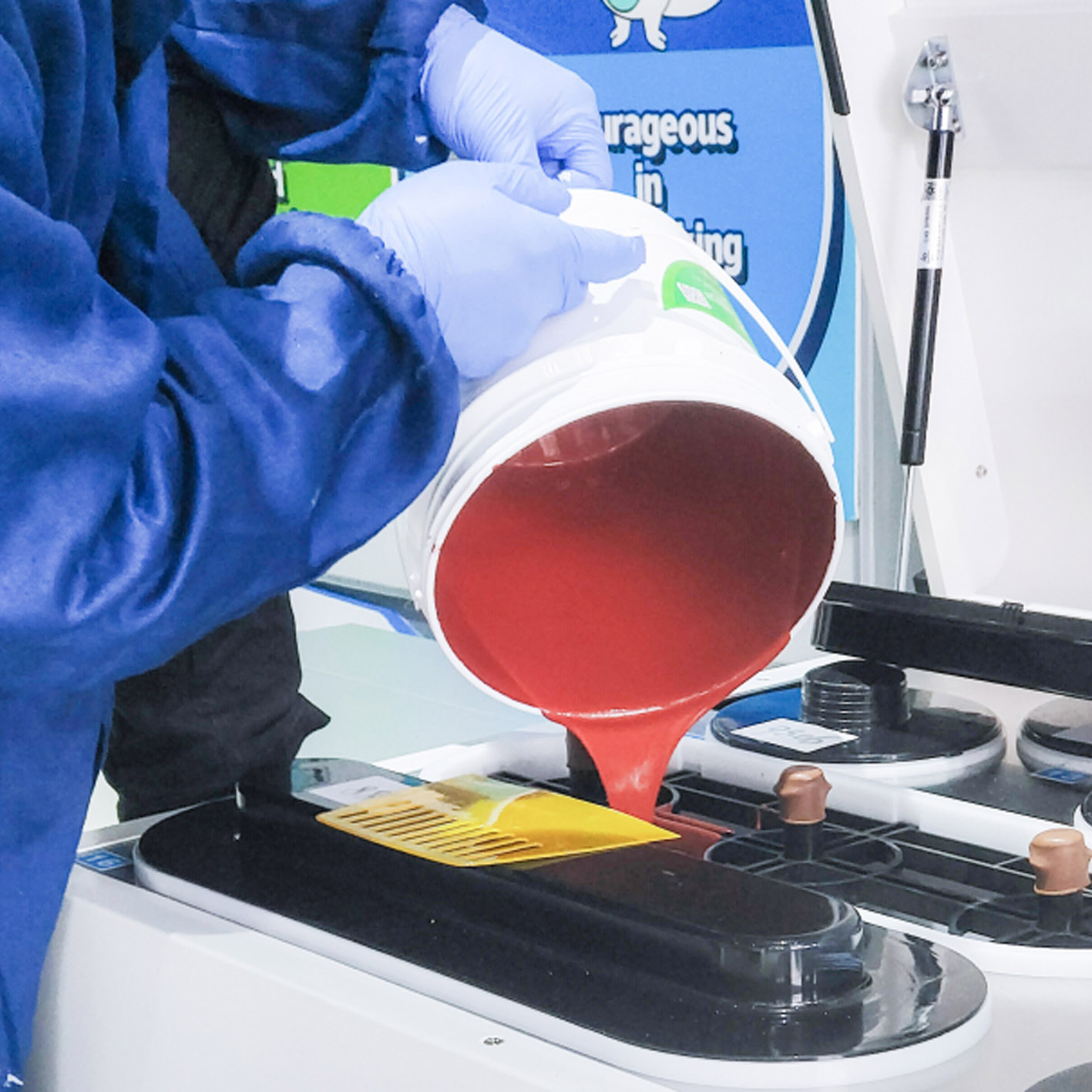
Water-based wood paints have become the industry standard for interior and exterior applications, offering environmental compliance, faster drying times, and lower VOC emissions compared to solvent-based alternatives. However, achieving superior finish quality and color consistency in these formulations depends heavily on the quality and performance of the pigment paste used during manufacturing. Pigment paste serves as the foundation for color delivery, coating uniformity, and long-term durability in water-based wood paint systems, making it a critical component that directly influences both aesthetic and functional properties of the final product.

The relationship between pigment paste quality and water-based wood paint performance extends beyond simple color addition. Pigment paste formulations determine how well colorants disperse throughout the paint matrix, how effectively they adhere to wood substrates, and how resistant the finish remains to UV degradation, moisture penetration, and chemical exposure. Understanding this connection helps formulators, manufacturers, and application professionals optimize their selection and use of pigment paste to deliver consistently excellent results across diverse wood coating applications.
How Pigment Paste Improves Color Consistency and Uniformity
Dispersion Stability in Water-Based Systems
Pigment paste achieves superior color consistency in water-based wood paints through carefully engineered dispersion stability. Unlike dry pigments, which often clump and separate during storage and application, pigment paste maintains uniform particle suspension through specialized binders and dispersing agents. This consistent particle distribution means that each batch of water-based wood paint receives the same pigment concentration, preventing batch-to-batch color variation that frustrates both manufacturers and end users. When pigment paste is properly formulated with water-based resins and surfactants, the pigment particles remain evenly distributed throughout the paint's shelf life, ensuring reliable color reproduction on every application.
Preventing Color Drift and Surface Defects
Color drift—the gradual shift in hue or saturation during paint storage or application—represents a significant quality challenge in wood coating operations. Pigment paste formulations specifically designed for water-based systems counteract this problem by maintaining pigment particle size uniformity and preventing sedimentation. When pigment paste components are incompatible with water-based resins or lack proper stabilization, pigment particles settle to container bottoms, creating streaking and uneven color when the paint is applied to wood surfaces. Quality pigment paste ensures that wood finishes display consistent color depth and tone from the first coat through final curing, eliminating the need for multiple correction applications and reducing material waste across production runs.
Pigment Paste Role in Enhancing Durability and Protective Performance
UV Resistance and Color Fastness
Exterior wood coatings face relentless UV exposure that degrades both the binder matrix and the color itself. Pigment paste formulations optimized for water-based wood paints incorporate UV-stable pigments and complementary light-absorbing compounds that shield the coating from photodegradation. High-quality pigment paste protects wood surfaces by maintaining color integrity over multiple seasons, reducing the yellowing and fading that occurs when inferior pigments interact with sunlight and atmospheric oxygen. The durability advantage provided by superior pigment paste becomes especially evident in applications exposed to intense sun, such as deck coatings, siding finishes, and architectural trim work, where UV-resistant pigment paste formulations can extend recoat intervals by years.
Moisture Resistance and Substrate Protection
Water-based wood paints must provide robust moisture barriers to prevent wood swelling, warping, and fungal growth that compromise structural integrity. Pigment paste contributes to this protective function by ensuring complete film formation and preventing microvoids that allow moisture penetration. When pigment paste particles are properly dispersed and sized, they support uniform resin distribution across the wood substrate, creating a cohesive, water-resistant film that adheres firmly to wood grain patterns. Well-formulated pigment paste also enables water-based wood paint systems to maintain flexibility during wood expansion and contraction cycles, reducing film cracking and maintaining the protective barrier that keeps moisture and harmful chemicals away from the wood surface itself.
Pigment Paste Impact on Application Performance and Workability
Spray and Brush Application Characteristics
The rheological properties of water-based wood paint depend significantly on pigment paste composition and concentration. Pigment paste that contains appropriate viscosity modifiers and thixotropic agents enables smooth spray application with minimal dripping, while maintaining adequate brush flow for manual application on trim and detail work. When pigment paste is too coarse or poorly dispersed, it creates spatter during spraying and produces brush marks or uneven surface texture on wood substrates. Professional-grade pigment paste formulations balance settling resistance with spray atomization, allowing contractors and manufacturers to achieve superior application results with standard equipment across both high-production industrial settings and smaller shop environments.
Drying Time and Recoat Performance
Pigment paste selection directly influences drying time and recoat windows in water-based wood paint systems. Certain pigment paste formulations contain water-retention compounds that slow evaporation and extend the wet-edge time, benefiting painters working on large surfaces. Other pigment paste types promote faster surface tack and through-dry, reducing the time between coats and enabling accelerated project schedules. The interaction between pigment paste components and the water-based resin system determines whether wood substrates develop proper sanding readiness between coats, maintaining the substrate preparation quality necessary for strong adhesion and final finish excellence. Optimized pigment paste formulations ensure that painters can maintain consistent workflow and quality regardless of environmental conditions like temperature, humidity, and air circulation.
FAQ
Why does pigment paste quality matter more than simply adding dry pigments to water-based wood paint?
Pigment paste delivers superior dispersion stability, color consistency, and application performance compared to dry pigments because it contains pre-dispersed pigment particles suspended in a compatible carrier medium. Dry pigments often require extensive mixing to achieve uniform distribution and frequently settle or clump during storage and application, leading to color variation and application defects. High-quality pigment paste maintains stable particle suspension throughout the paint's shelf life and prevents batch-to-batch inconsistencies, making it the preferred choice for manufacturers seeking reliable, professional-grade water-based wood paint formulations.
How can I select the right pigment paste formulation for my specific wood coating application?
Selecting appropriate pigment paste requires evaluating several factors including the desired color, required UV resistance level, substrate type, application method, and environmental exposure conditions. Interior wood paints may prioritize cost efficiency and color vibrancy, while exterior applications demand superior UV stability and moisture resistance from the pigment paste. Consulting with specialized pigment paste manufacturers who understand water-based wood paint chemistry ensures that you receive a formulation optimized for your specific resin system, target substrate, and end-use requirements.
Does pigment paste affect the environmental profile of water-based wood paints?
Quality pigment paste formulations complement the environmental advantages of water-based wood paints by eliminating the need for additional solvents and performance additives that might otherwise be required to achieve proper color development and application characteristics. Many modern pigment paste products are formulated to meet strict VOC regulations and contain low-toxicity dispersants, supporting the sustainability objectives of environmentally conscious manufacturers and contractors who choose water-based systems for reduced environmental impact.