
 EN
EN



In latex glove manufacturing, coating appearance directly influences product quality perception, customer satisfaction, and market competitiveness. The science behind achieving uniform color and flawless finishes relies heavily on one critical factor: pigment dispersion. When pigment dispersion is properly managed, manufacturers can eliminate color streaking, improve surface smoothness, enhance visual consistency, and reduce defect rates across production runs. This technical foundation determines whether gloves display premium aesthetics or suffer from cosmetic flaws that compromise perceived value. Understanding how pigment dispersion impacts coating appearance is essential for any operation seeking to deliver superior latex glove products.
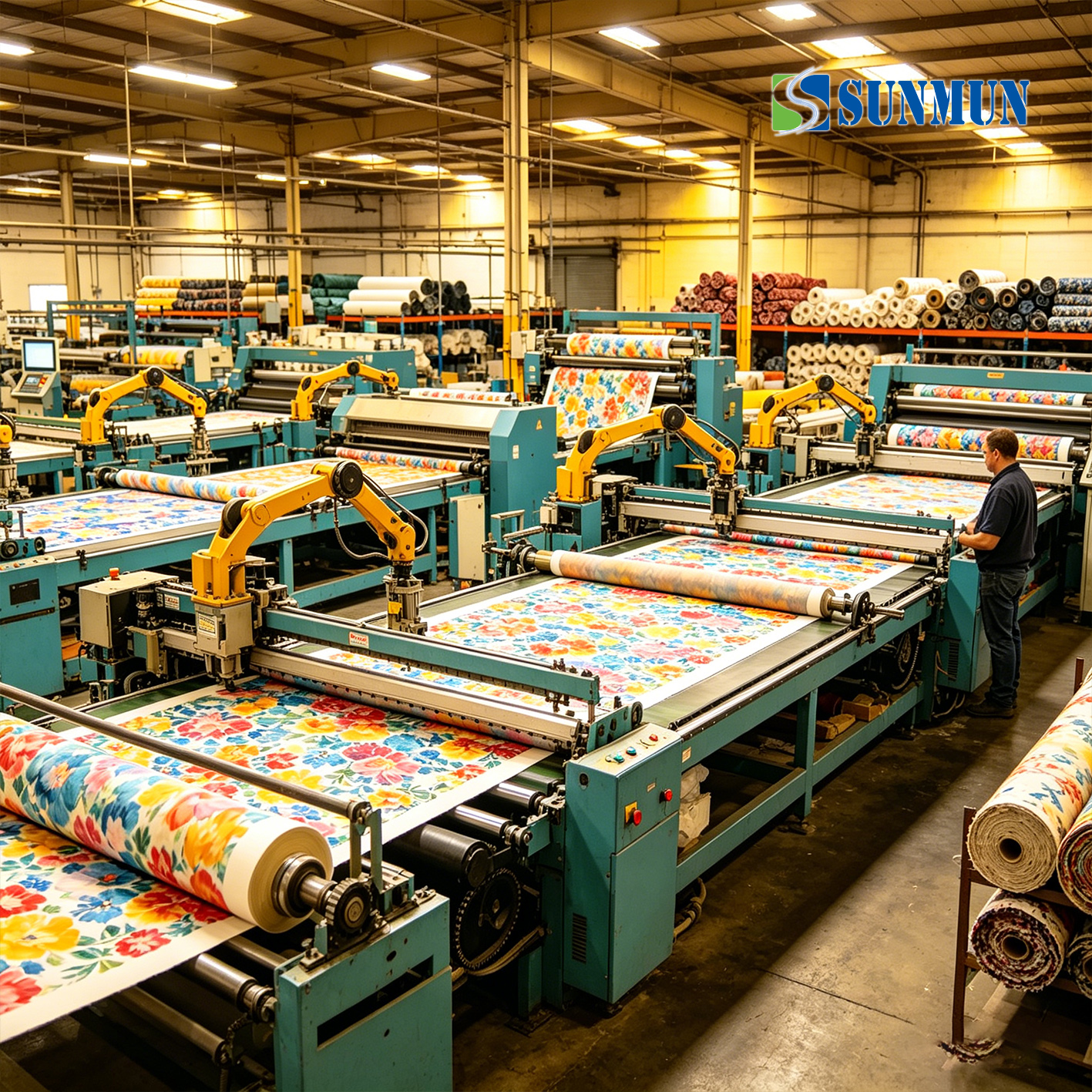
Pigment dispersion refers to the uniform distribution of colorant particles throughout a coating formulation. In latex glove production, achieving excellent pigment dispersion directly translates to vibrant, consistent color, elimination of blotching and mottling, improved surface gloss, and enhanced chemical resistance of the final coating. Poor pigment dispersion, conversely, results in visible color variation, dull appearance, uneven light reflection, and compromised coating durability. The relationship between pigment dispersion quality and coating appearance is therefore undeniable and measurable across every batch produced.
The Science of Pigment Dispersion in Coating Systems
How Pigment Particles Behave in Latex Formulations
Pigment particles naturally tend to aggregate and settle due to their hydrophobic nature and the physics of particle suspension. Without proper pigment dispersion control, these particles clump together, creating zones of concentrated color and zones of insufficient color throughout the coating. This uneven distribution manifests visually as streaking, color banding, and surface dullness. In latex glove production, pigment dispersion becomes even more critical because coatings are applied as thin films to flexible substrates that must dry quickly while maintaining uniform appearance across the entire glove surface.
Particle Size and Distribution Effects
The effectiveness of pigment dispersion depends on achieving and maintaining optimal particle size uniformity. When pigment dispersion achieves fine, consistent particle sizes, light scattering becomes uniform, resulting in a smooth, vibrant visual appearance. Conversely, when pigment dispersion fails to break down agglomerates, larger particle clusters scatter light irregularly, producing a mottled or uneven finish. Advanced pigment dispersion techniques employ high-shear mixing, surfactant systems, and specialized additives that work together to keep particles suspended and evenly distributed throughout the latex coating matrix.
Practical Impact of Pigment Dispersion on Latex Glove Quality
Visual Consistency and Color Accuracy
Latex glove customers expect consistent color batch-to-batch and within each glove. Pigment dispersion directly controls this consistency. When pigment dispersion is optimized, manufacturers achieve predictable color tone, uniform shade, and stable appearance across production runs. Poor pigment dispersion introduces batch-to-batch variation, requiring rework, color correction, or product rejection. For medical and industrial gloves where color indicates material grade or chemical compatibility, pigment dispersion failures create both aesthetic and functional problems that reduce customer trust and increase liability exposure.
Surface Quality and Tactile Properties
Beyond visual appearance, pigment dispersion affects surface texture and feel. Fine pigment dispersion enables smooth coating application, consistent film formation, and superior surface gloss. Coarse pigment dispersion results in rough, grainy surfaces that feel inferior and suggest manufacturing defects. The relationship between pigment dispersion quality and tactile experience means that glove appearance communicates manufacturing excellence or neglect at first touch. This sensory feedback influences purchasing decisions, particularly in professional healthcare and industrial settings where quality expectations are high.
Optimizing Pigment Dispersion for Superior Coating Results
Mixing and Formulation Strategies
Achieving optimal pigment dispersion requires strategic formulation design and controlled mixing processes. Dispersing agents, surfactants, and rheology modifiers work synergistically to prevent particle agglomeration and maintain suspension stability. The choice of pigment dispersion equipment—high-shear mixers, bead mills, or rotor-stator systems—directly impacts dispersion efficiency and final coating appearance. Temperature control during pigment dispersion also matters; warmed latex formulations typically disperse more effectively because reduced viscosity allows better particle separation and wetting.
Quality Control and Appearance Testing
Monitoring pigment dispersion quality requires systematic testing protocols. Gloss meters measure surface shininess as a proxy for pigment dispersion uniformity. Color matching instruments verify shade consistency and batch-to-batch repeatability. Microscopic examination reveals particle size distribution and agglomeration levels. These metrics enable manufacturers to correlate pigment dispersion performance with actual coating appearance, creating feedback loops that drive continuous improvement. Regular testing during production ensures that pigment dispersion remains within specifications and that coating appearance meets customer expectations consistently.
FAQ
How does poor pigment dispersion show up visually on latex gloves?
Poor pigment dispersion manifests as color streaking, uneven tone, dull patches, mottled appearance, and visible texture inconsistencies across the glove surface. Areas with concentrated pigment particles appear darker or more saturated, while underdispersed zones appear lighter or washed out. These visual defects signal manufacturing problems and reduce perceived product quality, making defective gloves unmarketable without rework or pigment dispersion correction in the formulation process.
What equipment and additives improve pigment dispersion in latex coatings?
High-shear mixing equipment, bead mills, and specialized dispersers physically break down pigment agglomerates and maintain particle suspension. Wetting agents and surfactants chemically improve pigment wetting and prevent reagglomeration. Rheology modifiers adjust viscosity to optimize pigment dispersion efficiency. Water-based colorants and performance additives are specifically formulated to achieve superior pigment dispersion in latex systems. Combining the right equipment, chemistry, and process control creates the ideal conditions for excellent pigment dispersion.
Can pigment dispersion be corrected after coating application begins?
Once pigment dispersion failures appear in applied coatings, correction is difficult and costly. Gloves with poor appearance from inadequate pigment dispersion typically require rework, which includes stripping existing coating, reformulating the latex suspension with improved pigment dispersion chemistry, and recoating. Prevention through proper pigment dispersion management during formulation is far more cost-effective than reactive correction. This reality emphasizes why manufacturers invest in pigment dispersion optimization upfront rather than addressing appearance problems downstream in production.