
 EN
EN


Epoxy floor coatings have become the industry standard for industrial facilities, warehouses, automotive shops, and commercial spaces seeking durable, long-lasting protective surfaces. However, the true measure of a quality epoxy floor system lies not just in its physical durability but in its color retention over time. This is where pigment paste plays a critical role in determining whether your epoxy floor coating maintains its vibrant appearance for years or fades into a dull, weathered finish. Understanding how pigment paste contributes to lasting color stability helps facility managers, contractors, and manufacturers make informed decisions about their coating investments.
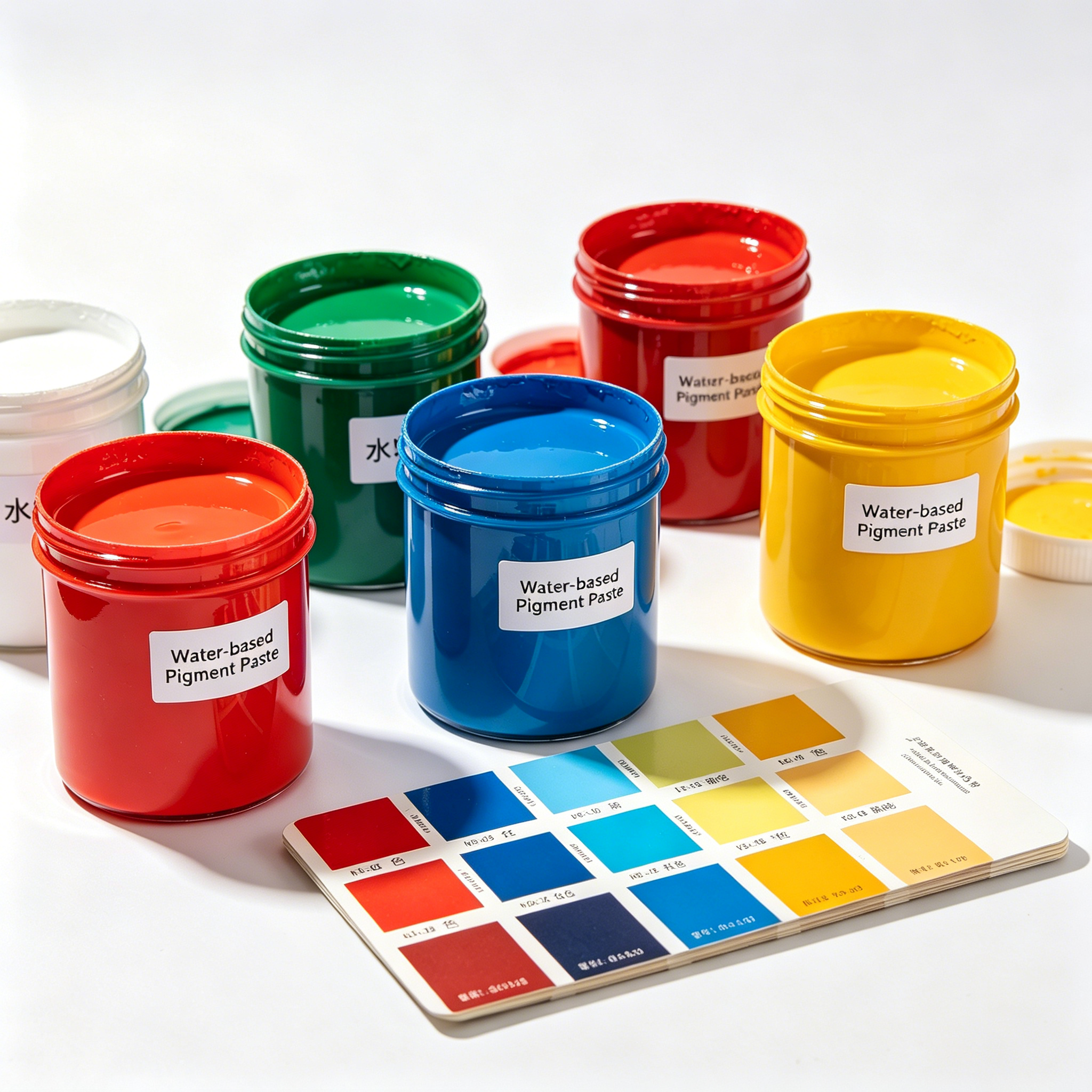
The relationship between pigment paste quality and color longevity in epoxy floor coatings is both scientific and practical. Pigment paste formulations directly influence how well the coating resists fading, chalking, and color shift when exposed to UV light, thermal cycling, chemical exposure, and foot traffic. The right pigment paste ensures that your epoxy floor coating not only looks professional when first applied but continues to deliver aesthetic appeal and brand consistency throughout its service life.
How Pigment Paste Ensures Color Stability in Epoxy Systems
The Chemistry Behind Pigment Paste Dispersion
Pigment paste is fundamentally a concentrated suspension of pigment particles within a carrier medium, engineered to disperse uniformly throughout the epoxy matrix when mixed. The quality of this dispersion directly determines color development and stability. When pigment paste particles are poorly dispersed, agglomeration occurs, leading to uneven color distribution, reduced opacity, and accelerated fading in high-UV environments. Superior pigment paste formulations maintain particle size consistency and suspension stability, ensuring that every portion of the epoxy floor coating receives identical pigmentation.
The carrier medium in pigment paste acts as both a protective layer around pigment molecules and a facilitator for uniform integration into the epoxy binder. This medium chemistry influences how the pigment paste interacts with the epoxy resin system. When pigment paste is matched to the specific epoxy chemistry of your floor coating, the pigment molecules bond more effectively with the cured polymer matrix, reducing migration, leaching, and photodegradation. This chemical compatibility is why selecting a pigment paste specifically designed for epoxy systems produces superior color longevity compared to generic colorants.
Pigment Paste Particle Size and UV Resistance
The particle size distribution within pigment paste directly correlates with UV resistance and color fastness. Finely milled pigment paste with consistent particle size exhibits superior light scattering properties, which provides better protection against UV penetration into the coating film. Smaller, uniformly distributed pigment particles in epoxy floor coatings reduce the depth that UV radiation can penetrate, thereby protecting the resin matrix from photodegradation and the pigment itself from fading.
Conversely, coarsely milled or inconsistent pigment paste leads to variable light absorption and scattering, creating localized weak points where UV damage accelerates. Over time, these weak points manifest as uneven fading, color drift, and loss of coating integrity. Industrial-grade pigment paste designed for epoxy floor systems typically meets strict particle size specifications, often measured in the 1–5 micron range, ensuring predictable color stability across diverse environmental conditions.
Selecting Pigment Paste for Long-Term Color Performance
Evaluating Pigment Paste Chemistry for Your Epoxy Floor Coating
Not all pigment paste formulations deliver the same color stability in epoxy floor coatings. The choice between organic pigments, inorganic pigments, or hybrid formulations within your pigment paste will significantly impact long-term performance. Inorganic pigments in pigment paste—such as iron oxides and synthetic pigments—are renowned for superior fade resistance and thermal stability, making them ideal for epoxy systems exposed to high temperatures, direct sunlight, or extreme chemical environments.
Organic pigments in pigment paste offer a broader color palette and higher tinctorial strength but may require additional UV stabilization packages to match the durability of inorganic alternatives. For epoxy floor coatings in protected indoor environments with moderate UV exposure, well-formulated organic pigment paste can deliver acceptable color stability. However, for outdoor epoxy systems or high-traffic industrial facilities, inorganic or hybrid pigment paste formulations are the preferred choice for ensuring lasting color integrity.
Compatibility Testing Between Pigment Paste and Epoxy Chemistry
Before committing to large-scale production, laboratory testing of pigment paste compatibility with your specific epoxy resin and hardener system is essential. Compatibility assessment determines whether the pigment paste disperses evenly, maintains suspension stability throughout the coating's pot life, and cures without yellowing, separation, or color shift. ASTM testing methods for pigment paste inclusion rates, color matching, and accelerated weathering provide objective data on how your selected pigment paste will perform in real epoxy floor coating applications.
Additionally, testing the pigment paste response to the specific curing temperature and humidity conditions of your application environment validates long-term color stability. Epoxy systems that cure rapidly at elevated temperatures may respond differently to pigment paste than systems curing at ambient temperatures over several days. Proper compatibility assessment ensures that your chosen pigment paste performs consistently across your entire manufacturing and application workflow.
Real-World Performance of Pigment Paste in Epoxy Floor Coatings
Durability in High-Traffic Industrial Environments
In high-traffic warehouse and industrial settings, pigment paste systems demonstrate measurable color retention over five to ten years when formulated with quality inorganic pigments and robust stabilization packages. The demanding environment of industrial floors—characterized by heavy equipment movement, thermal cycling, chemical spill exposure, and constant cleaning—creates extreme stress on epoxy coatings. Yet premium pigment paste formulations withstand this stress while maintaining uniform color appearance and aesthetic appeal.
Epoxy floor coatings colored with inferior pigment paste typically show visible color degradation within two to three years under similar conditions. This premature fading necessitates costly recoating, disrupts facility operations, and damages brand perception. By investing in high-performance pigment paste from the outset, facility managers eliminate this problem and maintain consistent visual standards throughout the coating's service life.
Chemical and Thermal Stability of Advanced Pigment Paste Formulations
Advanced pigment paste formulations include chemical and thermal stabilizers that protect pigment molecules from degradation when exposed to harsh solvents, cleaning agents, oils, and temperature extremes common in industrial environments. These stabilizers prevent pigment leaching from the epoxy matrix and maintain molecular integrity when the coating surface contacts aggressive chemicals or fluctuates between hot and cold conditions.
Thermal cycling, in particular, stresses epoxy floor coatings through repeated expansion and contraction. This mechanical stress can cause pigment particles within the coating to migrate or agglomerate if the pigment paste formulation lacks adequate thermal stabilization. High-performance pigment paste systems designed for epoxy floors incorporate thermally stable carriers and protective polymer shells around pigment particles, ensuring color consistency regardless of temperature fluctuations.
FAQ
What Makes Pigment Paste Superior to Liquid or Powder Colorants in Epoxy Floor Coatings?
Pigment paste offers superior dispersion consistency, color accuracy, and color stability compared to liquid dyes or dry pigment powders. Liquid colorants can separate during storage, and dry powders are prone to agglomeration and uneven incorporation into epoxy systems. Pigment paste maintains stable suspension, ensures predictable color development, and provides consistent pigmentation across production batches. For epoxy floor coatings where color uniformity and long-term stability are critical, pigment paste is the professional standard.
How Should Pigment Paste Be Mixed into Epoxy Resin for Optimal Color Performance?
Pigment paste should be added to the epoxy resin component before mixing with the hardener, then thoroughly blended using mechanical mixing equipment to achieve complete dispersion. Rapid mixing for 3–5 minutes ensures that pigment paste particles are evenly distributed throughout the epoxy matrix without introducing excessive air bubbles. Under-mixing results in color streaking and inconsistency; over-mixing may introduce air that compromises coating density and color appearance. Following the pigment paste manufacturer's recommended mixing procedures and inclusion rates ensures optimal color stability and coating performance.
Can Pigment Paste Formulations Be Customized for Specific Color Requirements in Epoxy Floor Coatings?
Yes, advanced pigment paste formulations can be customized through pigment blending, carrier medium adjustment, and stabilizer selection to achieve virtually any desired color while maintaining exceptional color stability in epoxy floor coatings. Customization enables branded color matching, specific aesthetic preferences, and performance optimization for unique environmental conditions. Working with experienced pigment paste manufacturers ensures that custom formulations meet both color and durability requirements without compromising the integrity of the epoxy system.