
 EN
EN



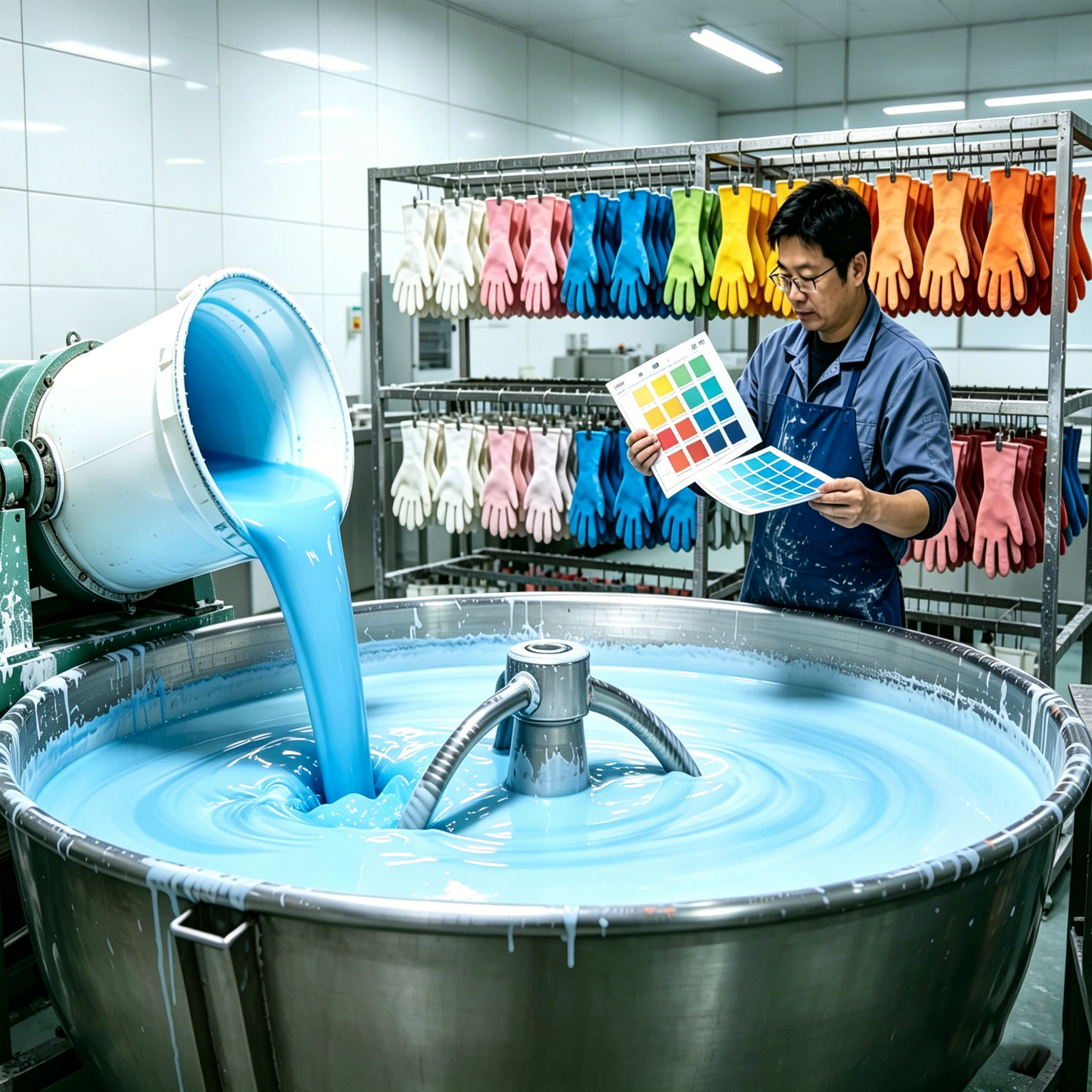
When formulating outdoor construction coatings, one of the most persistent challenges is maintaining color integrity and structural performance under prolonged sun exposure. UV radiation degrades binders, fades colorants, and weakens protective film layers faster than almost any other environmental stressor. Many coating formulators are now asking whether the choice of pigment paste can do more than simply deliver color — and whether it can actively contribute to UV resistance in exterior applications. The answer is nuanced but meaningful, and it deserves a thorough examination rooted in formulation science and field performance data.
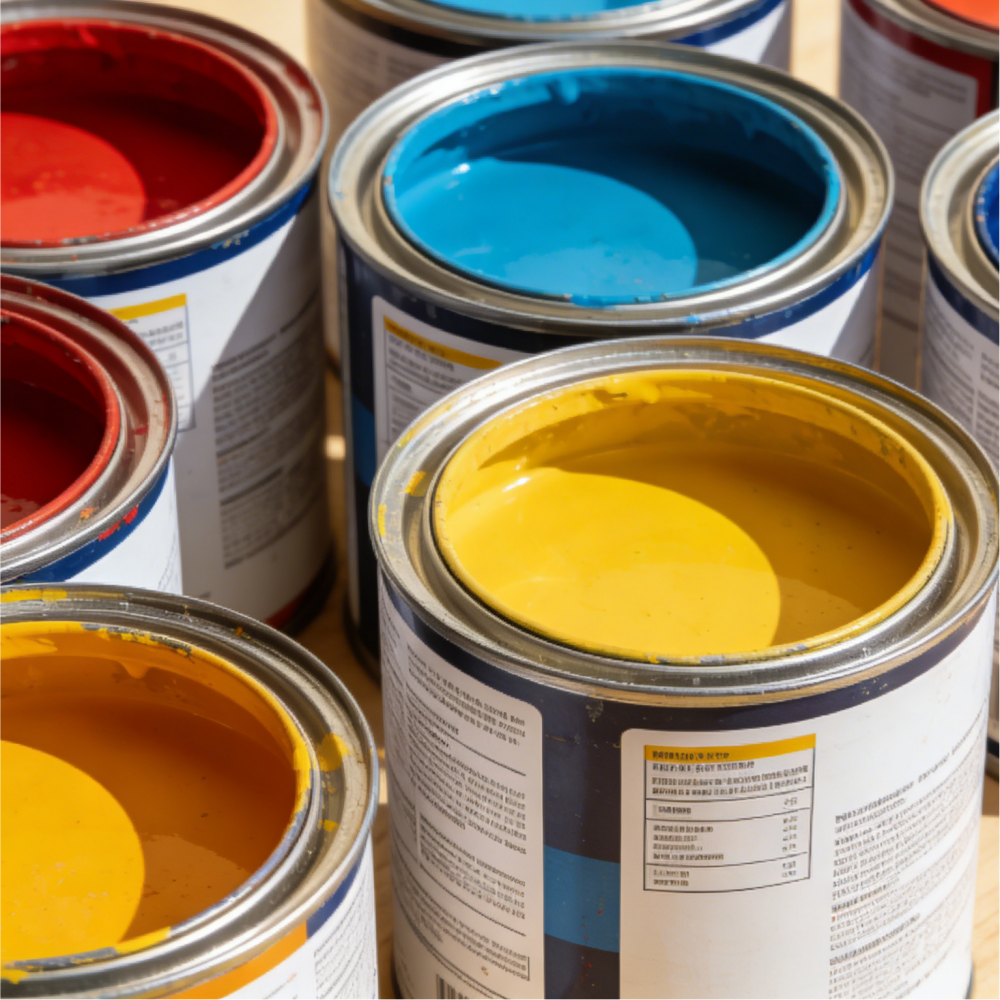
The role of pigment paste in outdoor coatings extends well beyond aesthetics. A properly engineered pigment paste interacts with the resin system, influences light absorption and scattering behavior, and can affect how efficiently a coating reflects or absorbs UV energy. Understanding this relationship is essential for any professional working in architectural coatings, facade systems, or exterior protective finishes. This article explores the mechanisms, practical considerations, and selection criteria that determine whether a pigment paste truly enhances UV resistance in demanding outdoor environments.
The Connection Between Pigment Paste and UV Performance
How Pigments Interact with UV Radiation
Not all colorants respond to UV radiation the same way. Inorganic pigments, such as titanium dioxide, iron oxides, and chromium oxides, are inherently stable under UV exposure because their crystalline lattice structures do not absorb UV energy in a way that causes chemical degradation. Organic pigments, on the other hand, can be more susceptible to photochemical breakdown, leading to color fade and reduced protective capacity. The pigment paste formulation — specifically which pigments are selected and how they are dispersed — directly determines how much UV-induced damage the coating system will experience over time.
When a pigment paste is introduced into a coating system, the pigment particles scatter and absorb incoming light across specific wavelength ranges. Titanium dioxide, for instance, is highly effective at scattering UV radiation and has long been used to boost the opacity and UV shielding capacity of exterior coatings. The way the pigment paste is milled and stabilized influences particle size distribution, which in turn affects UV scattering efficiency. Finer, well-dispersed particles tend to maximize the surface area available for UV interaction, which can improve the coating's overall resistance to photodegradation.
From a formulation standpoint, the dispersion quality within a pigment paste is critical. Poorly dispersed pigment agglomerates leave unprotected zones within the coating film, creating pathways for UV energy to penetrate and attack the binder matrix. A high-quality pigment paste with consistent particle dispersion provides a more uniform protective barrier, reducing localized degradation and extending the service life of the exterior coating.
The Role of Pigment Paste Chemistry in UV Stability
The chemical environment within a pigment paste also plays a significant role in UV stability. The wetting agents, dispersants, and rheology modifiers used to formulate the paste can either support or undermine the UV resistance of the final coating. Certain dispersants contain UV-reactive functional groups that degrade under sunlight, indirectly destabilizing the pigment dispersion and causing premature chalking or color shift. A well-engineered pigment paste uses photostable additives that maintain their function throughout the coating's intended service life outdoors.
Surface treatment of pigment particles within the pigment paste is another factor that affects UV performance. Many manufacturers apply inorganic or organic coatings to pigment surfaces to reduce their photocatalytic activity. Titanium dioxide, while an excellent UV scatterer, can also act as a photocatalyst that generates free radicals upon UV exposure, accelerating binder degradation — a process known as chalking. Pigment pastes formulated with surface-treated titanium dioxide grades significantly reduce this photocatalytic effect, preserving both the coating's color and its protective film integrity over many years of outdoor exposure.
Practical Benefits of UV-Stable Pigment Paste in Exterior Coatings
Long-Term Color Retention on Building Facades
One of the most visible consequences of UV degradation in outdoor construction coatings is color fade. For architectural projects — commercial facades, residential exteriors, infrastructure finishes — color retention directly affects the perceived quality and value of the structure. Specifying a pigment paste formulated with UV-stable pigments and photostable additives is one of the most cost-effective strategies for maintaining color appearance over the coating's intended lifespan. This is particularly important in tropical, desert, and high-altitude regions where UV irradiance is intense and continuous.
A UV-stable pigment paste reduces the delta-E color shift that coatings typically experience after prolonged sun exposure. Lower delta-E values over time mean fewer repainting cycles, reduced maintenance costs, and a more consistent visual identity for the built structure. Coating formulators who invest in selecting the right pigment paste often see this benefit reflected in lower warranty claims and stronger brand reputation among professional applicators and building owners.
The relationship between pigment paste selection and color retention is not purely aesthetic. In coatings designed to reflect solar radiation — cool roof coatings, for instance — color stability is directly tied to thermal performance. If the pigment system degrades under UV exposure and shifts toward darker reflectance values, the cooling efficiency of the roof coating decreases over time. Choosing a pigment paste with demonstrated UV durability protects both the aesthetic and functional performance of the coating system simultaneously.
Protecting the Binder Matrix from Photodegradation
A high-quality pigment paste does more than preserve its own color — it also contributes to protecting the resin or binder system in which it is dispersed. By absorbing and scattering UV energy before it can penetrate deeply into the coating film, pigment particles act as a physical UV barrier for the polymer matrix. This shielding effect reduces the rate of chain scission, oxidation, and embrittlement in the binder, which translates directly into improved long-term adhesion, flexibility, and crack resistance.
The effectiveness of this shielding depends heavily on pigment loading and distribution uniformity — both of which are controlled by the pigment paste formulation. A pigment paste that is optimally loaded with UV-opaque pigments and uniformly dispersed throughout the coating film provides a more consistent protective layer than one with variable dispersion quality. This is why the technical quality of the pigment paste matters enormously in applications where long-term outdoor durability is a primary specification requirement.
In water-based architectural coatings — which now dominate the exterior construction market — maintaining binder integrity is particularly important because acrylic and vinyl-acrylic polymers can be sensitive to photoinitiated oxidation. The right pigment paste formulated for water-based systems provides not only color but also a meaningful degree of UV attenuation that complements the performance of UV absorbers and HALS (hindered amine light stabilizers) that may already be present in the formula.
Selecting the Right Pigment Paste for UV-Demanding Applications
Key Criteria for UV Performance in Outdoor Coatings
When selecting a pigment paste for outdoor construction coatings with UV resistance requirements, several technical criteria should guide the decision. First, the lightfastness rating of the pigments used in the paste is a primary indicator. Pigments rated at the highest levels on the Blue Wool Scale or equivalent ISO standards demonstrate minimal color change under standardized UV exposure tests. Formulating with a pigment paste built on high-lightfastness pigments is a non-negotiable starting point for any coating intended for long-term exterior use.
Second, the degree of pigment dispersion and the fineness of grind within the pigment paste should be assessed. Tightly controlled particle size distributions — typically verified by Hegman grind gauge or laser diffraction — ensure that the pigment system provides maximum UV coverage within the coating film without leaving unprotected voids. A pigment paste with a consistent, fine dispersion also improves gloss and surface smoothness, both of which affect the reflectance properties of the finished exterior coating.
Third, compatibility between the pigment paste and the base formulation's UV stabilizer package is worth evaluating. Some dispersants and surfactants used in pigment paste manufacturing can interact negatively with HALS or benzophenone UV absorbers, reducing their effectiveness. Conducting accelerated weathering tests — such as QUV or Xenon Arc testing — on complete coating formulations is the most reliable way to verify that the pigment paste selected does not compromise the UV stabilization chemistry already incorporated into the base formula.
Matching Pigment Paste to Specific Exterior Coating Systems
Different types of outdoor construction coatings impose different demands on the pigment paste. Elastomeric wall coatings require pastes formulated with flexible dispersants that do not become brittle under thermal cycling and UV stress. High-build masonry coatings may require higher pigment volume concentrations, which in turn places greater demands on the dispersion quality of the pigment paste to maintain uniform UV coverage throughout a thick film. Facade coatings on metal substrates need pigment paste products that are free of chloride ions and other corrosion-promoting species that could undermine the anticorrosive primer beneath.
For tinting applications in architectural color-mixing systems, the pigment paste must deliver consistent UV performance across a broad range of tint depths — from full-depth saturated tones to pastel shades. Light-toned coatings are generally more UV-vulnerable because the ratio of UV-absorbing pigment to binder is lower. A well-engineered pigment paste for these lighter tints may incorporate additional UV-stable extender pigments or surface-treated titanium dioxide to compensate for the reduced pigment loading without sacrificing color accuracy.
Formulation transparency is also increasingly important in the modern construction coatings market. Building specifiers and contractors are requesting detailed technical data sheets that include lightfastness ratings, accelerated weathering results, and compatibility documentation for every component — including the pigment paste. Suppliers that provide this level of technical transparency make it significantly easier for formulators to design and certify UV-resistant exterior coating systems with confidence.
Performance Testing and Validation of UV-Enhanced Coatings
Accelerated Weathering Protocols for Pigment Paste Evaluation
The most reliable way to verify whether a pigment paste genuinely enhances UV resistance in an outdoor coating is through controlled accelerated weathering testing. Industry-standard protocols such as ASTM G154 (QUV fluorescent UV) and ASTM G155 (Xenon Arc) simulate years of outdoor exposure in weeks or months by cycling the coated panels through UV irradiation, heat, and moisture phases. These tests reveal how a pigment paste performs under conditions that replicate real-world exterior environments with known UV spectra.
Color measurement before and after accelerated weathering — using colorimetric instruments calibrated to the CIE L*a*b* system — provides quantifiable data on how much the pigment paste contributes to or detracts from overall UV resistance. A coating formulated with a UV-stable pigment paste should show minimal delta-E values after 500 to 1000 hours of QUV exposure, depending on the intended service environment. These test results form the scientific basis for product warranties and specification approvals on major construction projects.
Beyond color measurement, gloss retention and chalking resistance should also be assessed as part of the UV performance evaluation. A pigment paste that preserves color but allows severe gloss loss or chalking is still providing incomplete protection for the coating system. Comprehensive weathering evaluations that assess multiple performance indicators give formulators a complete picture of whether the pigment paste is contributing positively to the full UV resistance profile of the exterior coating.
Real-World Validation Through Field Exposure Studies
While accelerated weathering provides controlled and reproducible data, real-world field exposure remains the gold standard for validating UV performance in outdoor construction coatings. Field exposure panels installed at high-UV test sites — such as south Florida, Arizona desert zones, or equatorial locations — provide authentic weathering data that accounts for the full complexity of real outdoor UV environments, including infrared heating, dew cycles, and airborne pollutant interactions that accelerated tests may not fully replicate.
Field studies specifically designed to evaluate pigment paste contributions to UV resistance should include control panels with identical formulations except for the pigment paste variable. This controlled comparison isolates the impact of the pigment paste from other formulation factors and provides clear evidence of its contribution to outdoor durability. Coating companies that maintain long-term field exposure programs are better positioned to make credible claims about the UV performance benefits their pigment paste products deliver.
FAQ
Can any pigment paste improve UV resistance, or only specific types?
Not every pigment paste improves UV resistance equally. Pastes formulated with inorganic, high-lightfastness pigments and photostable additives provide genuine UV protection. Pastes based on organic pigments with lower lightfastness ratings may actually accelerate coating degradation under intense UV exposure. The formulation quality, pigment selection, surface treatment of pigment particles, and dispersion consistency all determine whether a specific pigment paste enhances or compromises UV resistance in outdoor construction coatings.
Does pigment paste work alongside UV absorbers and HALS in a coating formula?
Yes, and the combination typically delivers better UV resistance than either component alone. A well-chosen pigment paste provides physical UV scattering and absorption, while UV absorbers and HALS address the chemical degradation pathways within the binder. However, compatibility must be verified because certain dispersants in the pigment paste can interact with HALS chemistry, reducing its effectiveness. Accelerated weathering tests on the complete formulation are the recommended way to confirm that the pigment paste and UV stabilizer package work synergistically.
How does pigment paste affect UV resistance in light-colored exterior coatings?
Light-colored coatings present a greater UV challenge because pigment loading is inherently lower, reducing the UV-shielding contribution of the pigment paste. To compensate, formulators can specify pastes that use surface-treated titanium dioxide or UV-stable extender pigments alongside the tinting colorant. The quality of the pigment paste dispersion becomes even more critical in light tints, as any inconsistency in pigment distribution leaves larger unprotected zones in the binder matrix, accelerating UV-induced degradation in exactly those regions.
What testing should I request from a pigment paste supplier to confirm UV performance?
Formulators should request lightfastness ratings for the pigments used in the pigment paste, accelerated weathering data (preferably ASTM G154 or G155 protocols), color shift data expressed as delta-E values after standardized UV exposure, and information on any surface treatments applied to the pigment particles. Compatibility documentation with common UV stabilizer systems is also valuable. Suppliers who provide comprehensive technical documentation for their pigment paste products enable formulators to make confident, specification-compliant decisions for demanding outdoor construction coating applications.
Table of Contents
- The Connection Between Pigment Paste and UV Performance
- Practical Benefits of UV-Stable Pigment Paste in Exterior Coatings
- Selecting the Right Pigment Paste for UV-Demanding Applications
- Performance Testing and Validation of UV-Enhanced Coatings
-
FAQ
- Can any pigment paste improve UV resistance, or only specific types?
- Does pigment paste work alongside UV absorbers and HALS in a coating formula?
- How does pigment paste affect UV resistance in light-colored exterior coatings?
- What testing should I request from a pigment paste supplier to confirm UV performance?