
 EN
EN



Achieving precise and repeatable color dosing in injection molding has always been one of the more demanding challenges in plastic parts manufacturing. Even small variations in colorant concentration can result in visible inconsistencies, rejected parts, and costly production downtime. As manufacturers search for reliable solutions, liquid color masterbatch has emerged as a highly effective alternative to traditional solid colorants, offering a fundamentally different approach to how color is introduced and measured within the molding process.
The short answer is yes — liquid color masterbatch can meaningfully improve dosing accuracy in injection molding systems, and the reasons behind this are both technical and practical. Unlike pellet-based or powder-based colorants, liquid formulations interact with dosing equipment in fundamentally more controllable ways. This article examines the mechanisms behind that improvement, the specific conditions that make liquid color masterbatch the right choice, and what processors need to consider when integrating this approach into their operations.
Understanding Dosing Accuracy in Injection Molding
Why Dosing Accuracy Matters for Color Consistency
In injection molding, the amount of colorant added per shot must remain consistent across thousands or even millions of cycles. Any deviation — even a fraction of a percent — can produce color shift, streaking, or batch-to-batch variation that fails quality standards. This is especially critical in industries such as automotive, medical devices, and consumer electronics, where color matching is held to strict tolerances.
Dosing accuracy is not just about appearance. In functional components, uneven colorant distribution may indicate broader issues with mixing or material homogeneity. For processors producing parts for brand-sensitive markets, the ability to hold consistent color across long production runs is a commercial necessity, not merely a quality preference.
Traditional solid masterbatch pellets depend on gravimetric or volumetric feeders that must account for pellet-to-pellet density variation, flow behavior, and bridging risks. These variables introduce noise into the dosing process that is difficult to eliminate entirely. Liquid color masterbatch, by contrast, behaves as a uniform fluid, which changes the dosing dynamic considerably.
The Limitations of Solid Colorant Dosing Systems
Solid masterbatch pellets, while widely used, present several inherent dosing challenges. Their physical form introduces variability in how they flow through feeding equipment. Differences in pellet shape, size, and density — even within the same batch — can cause inconsistency in the amount of colorant actually delivered to each shot. Over time, feeding equipment calibrated for a specific pellet profile may drift as pellet characteristics change between supplier batches.
Powder-based colorants carry similar risks, with the added concern of dusting, operator exposure, and segregation effects during storage and handling. Achieving the fine dosing precision demanded by modern high-cavitation molds using powder systems often requires frequent recalibration and vigilant process monitoring.
These limitations are not a reflection of poor equipment design — they are a consequence of the physical nature of solid and powder materials. Liquid color masterbatch sidesteps many of these issues simply by virtue of being a homogeneous fluid that can be pumped, metered, and monitored with significantly higher repeatability.
How Liquid Color Masterbatch Improves Dosing Precision
Fluid Mechanics and Metering Advantages
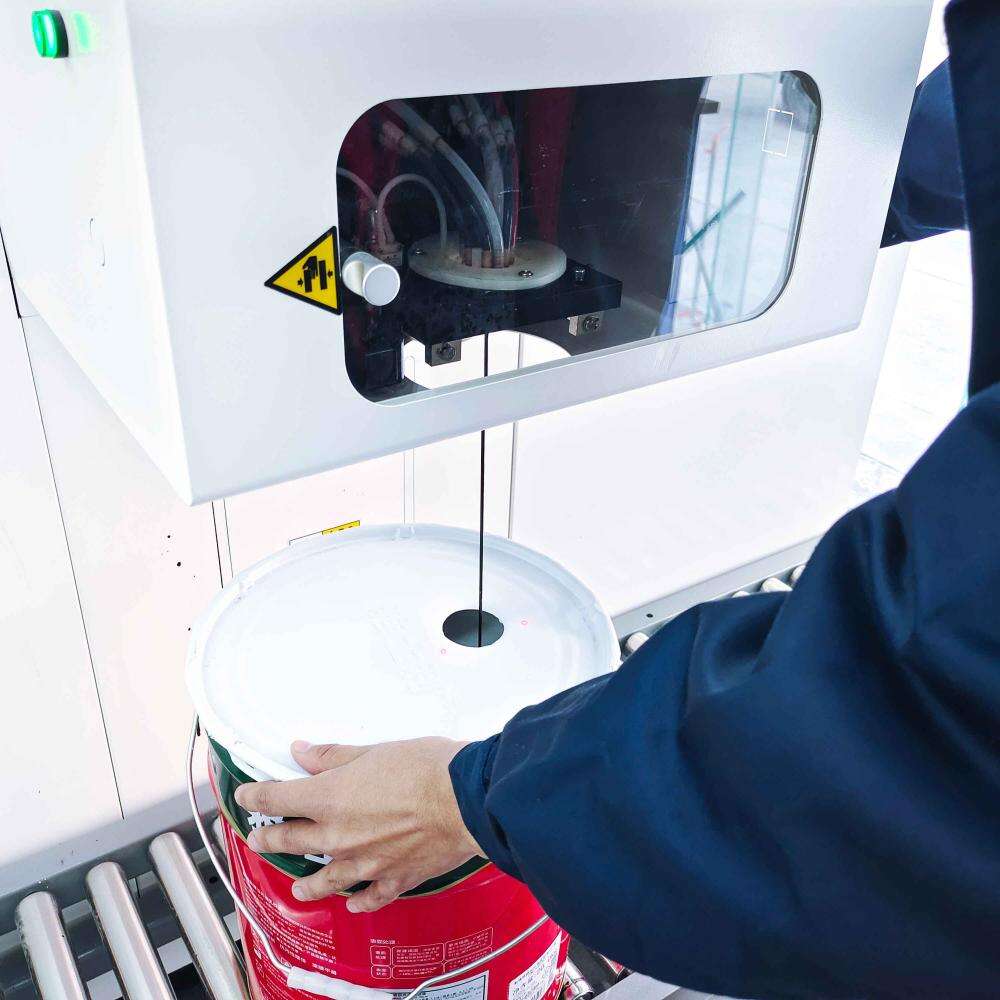
The core advantage of liquid color masterbatch in dosing systems lies in the predictable behavior of fluids. Liquid systems are metered using pumps — typically peristaltic, gear, or piston-type — that deliver precise volumes per cycle. Because liquids are incompressible and flow uniformly, the volume delivered per pump stroke or revolution can be calibrated with very tight tolerances and maintained consistently across long production runs.
This means that the dosing system can be set to inject a specific microliter volume of liquid color masterbatch directly into the injection barrel or the material stream at the feed throat, synchronized with the molding cycle. The mechanical precision of modern liquid dosing pumps is typically far higher than the equivalent precision achievable with gravimetric pellet feeders operating at low throughput rates.
Furthermore, liquid color masterbatch formulations are engineered for viscosity stability across a defined temperature range. This stability ensures that the same pump setting delivers the same colorant volume even as ambient temperatures fluctuate during a production shift — a critical factor in maintaining dosing consistency in real-world manufacturing environments.
Integration with Shot-Synchronized Dosing
One of the most powerful features of liquid color masterbatch systems is their ability to synchronize dosing with individual machine shots. Advanced liquid dosing units can communicate directly with the injection molding machine controller, triggering a precise dose at exactly the same point in every cycle. This shot-synchronization eliminates the cumulative timing errors that can affect volumetric solid feeders, particularly at high cycle speeds.
Shot-synchronized dosing is especially valuable in thin-wall molding, where the injection window is very short and even minor timing inconsistencies can affect how colorant is distributed within the mold cavity. By injecting liquid color masterbatch at the optimal moment in the screw recovery phase, processors can ensure that the colorant is incorporated uniformly into the melt before injection occurs.
This level of process integration is not practically achievable with solid masterbatch dosing systems. The physical time required for pellets to melt and disperse in the barrel introduces a lag that cannot be precisely controlled on a shot-by-shot basis. Liquid color masterbatch removes this lag almost entirely.
Practical Considerations for Using Liquid Color Masterbatch in Injection Molding
Equipment Compatibility and System Setup
Transitioning to liquid color masterbatch requires investment in compatible dosing hardware. Liquid dosing units must be selected based on the viscosity range of the colorant, the required dose volume, the cycle time of the molding machine, and the chemical compatibility of wetted pump components with the specific colorant chemistry. Processors should work closely with their colorant supplier to validate pump selection before full production deployment.
Injection points must be correctly positioned to ensure that the liquid color masterbatch enters the process at a location where it will be fully incorporated into the melt. Common injection points include the feed throat area and direct barrel injection through a specially designed port. Each approach has different mixing implications, and the best choice depends on the screw design, barrel length-to-diameter ratio, and material processing temperature.
Proper sealing and maintenance of liquid dosing systems are important to prevent leaks and ensure long-term accuracy. Unlike solid feeders, liquid systems require attention to pump seal condition, tubing integrity, and periodic cleaning to prevent colorant buildup in lines. With proper maintenance protocols in place, these systems deliver excellent long-term dosing reliability.
Let-Down Ratio Optimization and Color Development
Liquid color masterbatch is typically used at lower let-down ratios than solid masterbatch, often in the range of 0.5% to 2% by weight, depending on the pigment concentration and the base polymer. Because the colorant is already in liquid form, it begins dispersing in the polymer melt almost immediately upon contact, which generally results in excellent pigment dispersion and color development even at low addition levels.
Optimizing the let-down ratio is important for both color accuracy and cost efficiency. Adding too little liquid color masterbatch may result in under-color, while over-dosing can affect the physical properties of the molded part, particularly if the carrier system of the colorant is incompatible with the base resin. Careful initial trials and color matching work should be conducted before full production runs.
In multi-cavity molds, the uniform distribution of liquid color masterbatch through the melt is aided by the fact that the colorant is already fully fluid. This can reduce the risk of cavity-to-cavity color variation, a problem sometimes encountered with solid masterbatch in complex hot runner systems where melt flow paths are not perfectly balanced.
Application Scenarios Where Liquid Color Masterbatch Excels
High-Precision and High-Volume Production
Liquid color masterbatch delivers the most pronounced dosing accuracy benefits in high-speed, high-volume injection molding operations. When a machine is running at cycle times of 10 seconds or less, the ability to synchronize dosing with each shot and maintain consistent metering across tens of thousands of cycles becomes a significant competitive advantage. Processors in packaging, closures, and thin-wall consumer goods manufacturing are among the primary beneficiaries.
In these applications, the cost of color inconsistency — in terms of rejected parts, downtime, and customer claims — is substantial. The dosing precision offered by liquid color masterbatch directly reduces this cost, often justifying the capital investment in liquid dosing equipment within a relatively short payback period.
Color-critical applications such as cosmetic packaging, branded consumer goods, and automotive interior components represent other strong use cases. In these markets, color is a brand asset, and any visible variation between production batches is commercially unacceptable. Liquid color masterbatch, with its superior dosing controllability, provides the technical foundation for meeting these demanding color consistency requirements.
Small-Batch and Color-Change Operations
Liquid color masterbatch also offers advantages in environments where frequent color changes are required. Because the dosing system can be quickly flushed and reconfigured, color changeover times can be significantly shorter compared to purging solid masterbatch from the barrel. This is particularly valuable in custom molding operations where many different colors are run in relatively small batches.
The ability to fine-tune the dosing rate electronically — without physically replacing feeder components or weighing out new batches of pellets — makes liquid color masterbatch systems highly agile. Processors can make real-time adjustments to color intensity by modifying pump settings, which supports rapid response to color approval feedback during trial runs or first-article inspections.
For operations balancing multiple active jobs on the same machine, this flexibility translates directly into reduced machine downtime and greater scheduling efficiency. The operational agility of liquid color masterbatch systems is an underappreciated advantage that extends well beyond pure dosing accuracy.
FAQ
Is liquid color masterbatch compatible with all types of injection molding machines?
Liquid color masterbatch is compatible with the vast majority of injection molding machines, including both hydraulic and all-electric models. Compatibility depends primarily on the availability of a suitable injection point on the barrel or feed throat, and on the ability of the machine controller to provide a synchronization signal for the dosing unit. Most modern machines can be adapted without significant modification. It is advisable to consult with the liquid color masterbatch supplier to confirm compatibility with specific machine models and screw configurations.
How does liquid color masterbatch dosing accuracy compare to gravimetric solid masterbatch systems?
High-quality gravimetric solid masterbatch feeders can achieve good dosing accuracy under stable conditions, but they are more susceptible to variation caused by pellet physical properties, bridging, and low throughput rates. Liquid color masterbatch dosing systems, using precision metering pumps, typically offer tighter volumetric accuracy and are less affected by material-side variability. For applications demanding very tight color tolerances, liquid systems generally outperform solid masterbatch feeders, particularly at low addition rates where gravimetric systems can lose accuracy.
Does using liquid color masterbatch affect the mechanical properties of molded parts?
When used at recommended let-down ratios and with a carrier system that is compatible with the base resin, liquid color masterbatch does not significantly affect the mechanical properties of molded parts. As with any colorant system, over-dosing or carrier incompatibility can introduce property changes. Processors should confirm carrier chemistry compatibility with their resin supplier and conduct standard mechanical testing on trial parts before committing to full production. Reputable liquid color masterbatch suppliers provide technical data to support this evaluation.
What maintenance does a liquid color masterbatch dosing system require?
Liquid dosing systems require periodic inspection and maintenance of pump seals, dosing tubes, and injection needles to prevent leaks and ensure continued accuracy. Flushing procedures should be performed during color changes and at scheduled intervals to prevent colorant buildup in the system. The frequency of maintenance depends on the type of pump, the colorant chemistry, and the production volume. Most liquid color masterbatch suppliers provide maintenance guidelines and can recommend compatible cleaning agents. With a consistent maintenance routine, these systems provide long service life and stable dosing performance.
Table of Contents
- Understanding Dosing Accuracy in Injection Molding
- How Liquid Color Masterbatch Improves Dosing Precision
- Practical Considerations for Using Liquid Color Masterbatch in Injection Molding
- Application Scenarios Where Liquid Color Masterbatch Excels
-
FAQ
- Is liquid color masterbatch compatible with all types of injection molding machines?
- How does liquid color masterbatch dosing accuracy compare to gravimetric solid masterbatch systems?
- Does using liquid color masterbatch affect the mechanical properties of molded parts?
- What maintenance does a liquid color masterbatch dosing system require?