
 EN
EN



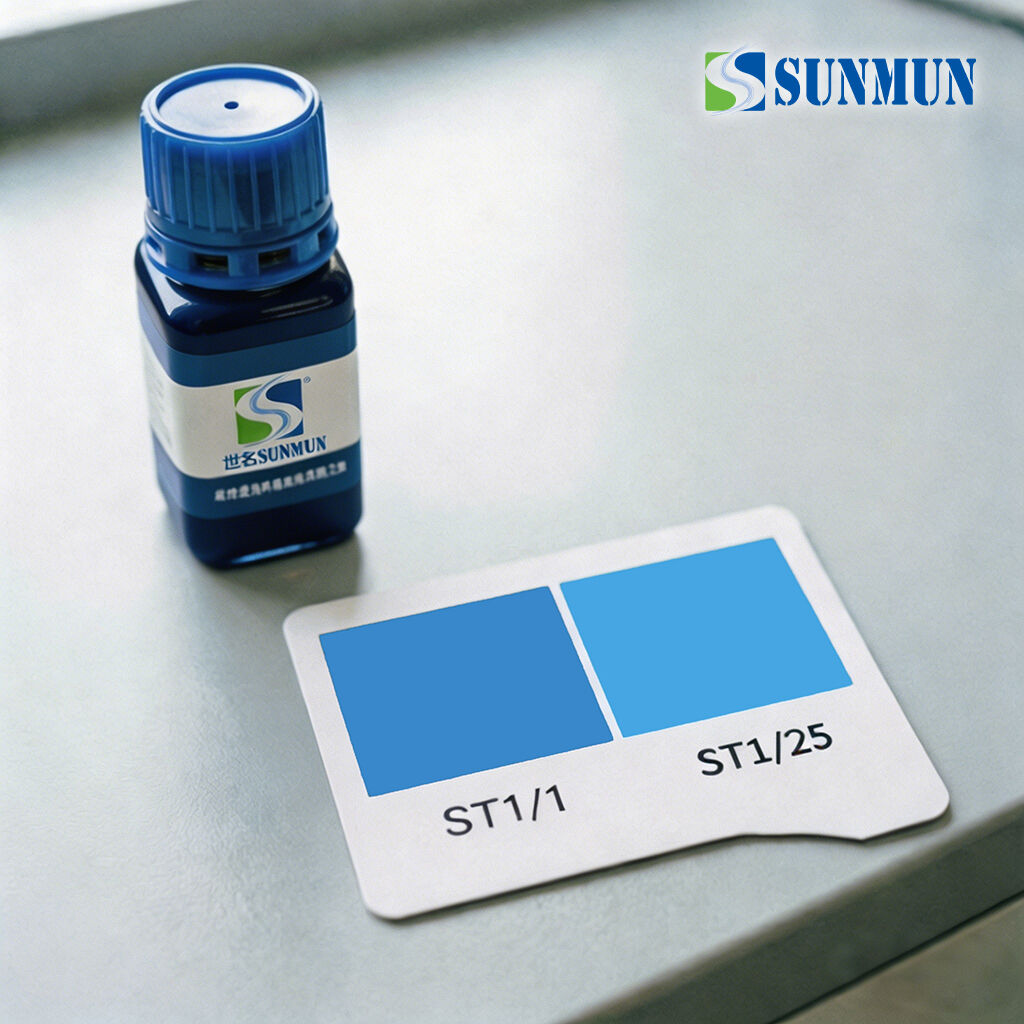
When engineers and flooring contractors evaluate additives for industrial epoxy systems, one question consistently surfaces: can color paste genuinely improve pigment dispersion in epoxy coatings, or is it simply a convenience product that adds color without influencing performance? The answer, grounded in coating chemistry and real-world application data, is a clear yes — but the reasons behind that improvement are worth understanding in depth. Industrial flooring systems operate under extreme mechanical, chemical, and thermal stress, and every component added to the epoxy matrix must earn its place by contributing functional value.
Color paste is not simply a tinted liquid poured into a resin pot to produce a desired shade. In professional-grade epoxy flooring formulations, a well-engineered color paste carries pre-dispersed pigment particles that are stabilized through surface treatment and carrier resin selection. This pre-dispersion work is what separates a quality color paste from raw pigment powder, and it has direct implications for coating uniformity, mechanical integrity, and long-term floor aesthetics. Understanding how color paste functions within an epoxy matrix requires a closer look at dispersion science, formulation compatibility, and the practical demands of industrial flooring environments.
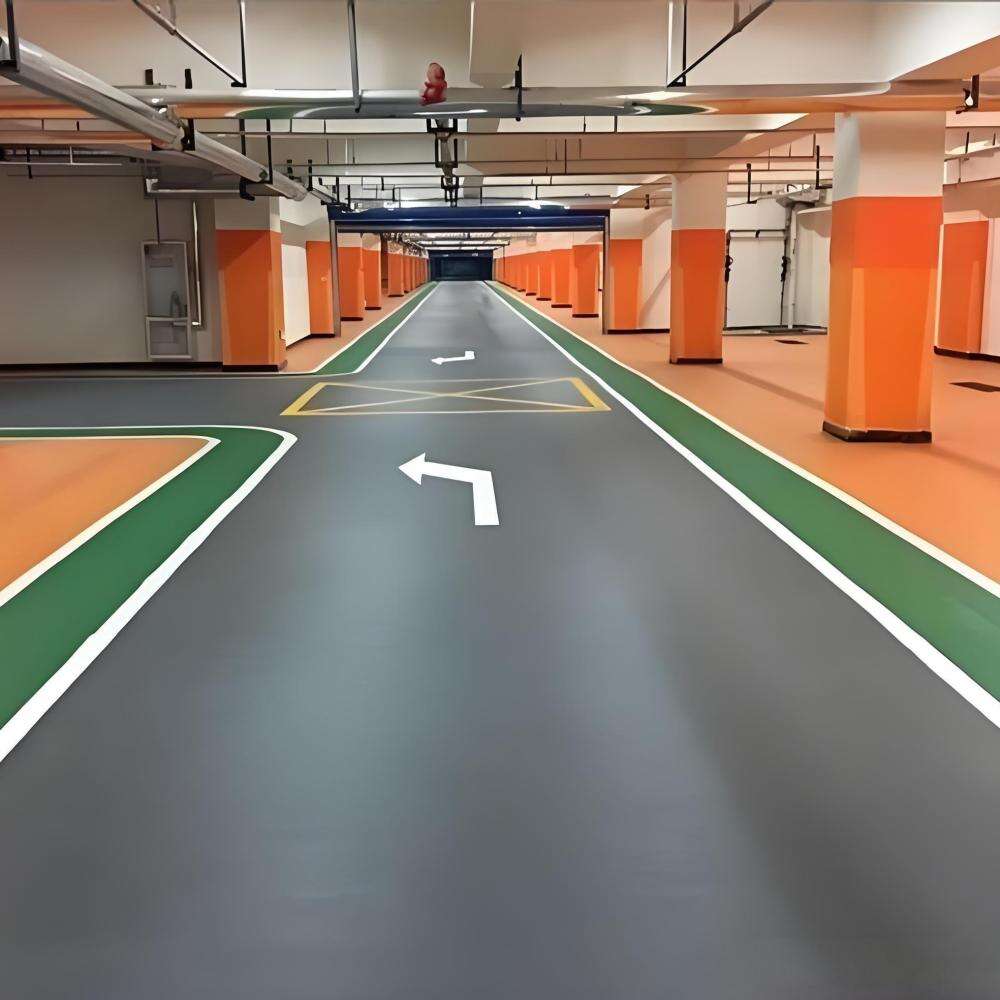
The Dispersion Challenge in Industrial Epoxy Flooring
Why Pigment Distribution Matters More Than Color Alone
In industrial flooring, color is never just decorative. Uniform color distribution is a direct indicator of pigment dispersion quality, and dispersion quality directly influences coating performance. When pigment particles are poorly distributed — forming agglomerates or settling unevenly — the result is not only visual inconsistency but also structural weakness within the cured epoxy film. These agglomerates act as stress concentration points, making the floor more vulnerable to delamination, micro-cracking, and surface wear.
The challenge is that raw pigment powders, even high-quality ones, are inherently resistant to uniform mixing in liquid epoxy systems. Their surface energy characteristics, particle size ranges, and tendency to re-agglomerate after mechanical dispersion make consistent integration difficult without specialized formulation tools. This is precisely where color paste offers a decisive functional advantage, because the dispersion work has already been done in a controlled manufacturing environment before the product reaches the job site or production floor.
Industrial flooring systems — whether applied in warehouses, food processing facilities, automotive plants, or pharmaceutical environments — demand coatings that perform reliably across large surface areas. Any inconsistency in pigment dispersion will become visible under raking light or after years of wear, and more importantly, it may signal underlying resin matrix weaknesses that affect service life. A properly dispersed color paste eliminates this risk before mixing even begins.
How Agglomeration Undermines Epoxy Coating Integrity
Agglomeration occurs when pigment particles cluster together due to van der Waals forces, electrostatic interactions, or incomplete wetting by the resin. In an epoxy system mixed with raw dry pigment, agglomerates can be 10 to 100 times larger than individual particles, and they resist breakup even under prolonged mechanical stirring. These clusters create localized regions of high pigment concentration surrounded by regions that are pigment-lean, resulting in uneven film properties across the coating.
The consequences extend beyond appearance. Agglomerates reduce the effective contact surface between epoxy resin and hardener at the molecular level, interfering with the cross-linking reaction. They can also absorb more hardener than the surrounding matrix, creating stoichiometric imbalances that result in soft spots, reduced chemical resistance, and compromised adhesion. For industrial flooring that must withstand forklift traffic, chemical spills, and thermal cycling, these are serious performance risks.
Using a professionally formulated color paste sidesteps this problem entirely. The pigment in a quality color paste has already been reduced to its primary particle size and stabilized with dispersants that prevent re-agglomeration. When this paste is introduced into the epoxy system, the particles integrate smoothly without clustering, and the resin network forms uniformly around each stabilized particle.
How Color Paste Improves Dispersion Quality in Practice
Pre-Dispersion Technology and Particle Stabilization
The functional core of a color paste lies in its manufacturing process. During production, pigment particles are subjected to high-shear milling — using bead mills, triple-roll mills, or dissolver equipment — while suspended in a compatible carrier medium. This process reduces particle size to the target range and coats each particle with a stabilizing agent that keeps them separated in the liquid state. The result is a stable, homogeneous dispersion that can be stored and transported without significant settling or reagglomeration.
This pre-dispersion approach means that when color paste is added to an epoxy base resin, the formulator is not introducing raw pigment that needs to be dispersed — they are introducing pigment that is already in an optimally dispersed state. The mixing energy required is dramatically reduced, and the risk of incomplete dispersion is effectively eliminated under normal blending conditions. This reliability is particularly valuable in industrial flooring production, where batch-to-batch consistency is a quality control requirement.
Advanced color paste products designed for epoxy systems also use epoxy-compatible carrier resins or reactive diluents as their continuous phase. This ensures chemical compatibility with the base resin and prevents the carrier from acting as a plasticizer or incompatible contaminant. When the carrier is chemically integrated into the cross-linking network during cure, the color paste contributes positively to coating properties rather than diluting them.
Practical Benefits Observed in Flooring Applications
Flooring contractors and coating formulators who switch from dry pigment to color paste consistently report improvements in several measurable areas. The first is mix uniformity — achieving the target color shade in fewer mixing strokes and with less variation across batches. The second is pot life predictability, because a uniform dispersion reacts more evenly with the hardener component, reducing the variability in working time that can complicate large floor installations.
Surface finish quality also improves noticeably. A well-dispersed color paste contributes to a smoother, more reflective surface by eliminating the micro-roughness that pigment agglomerates create in the cured film. In environments where slip resistance or easy cleaning is important — such as food processing or pharmaceutical facilities — a smooth, densely cured surface is not just aesthetic but hygienic and functional. The color paste plays a direct role in achieving this outcome.
Coloristic performance is another benefit. Because color paste delivers pigment at its primary particle size, the full tinting strength of the pigment is realized. Smaller, well-dispersed particles have greater light-scattering or light-absorbing surface area per unit weight, which means formulators can achieve the same color intensity with less pigment loading. Reduced pigment loading preserves more of the epoxy matrix's mechanical properties and reduces cost per square meter of floor covered.
Compatibility Factors That Determine Dispersion Outcomes
Resin Chemistry and Carrier Matching
Not all color paste products are equally compatible with all epoxy flooring systems. The most critical compatibility factor is the nature of the carrier resin or medium used to suspend the pigment. A color paste formulated with a solvent-borne carrier will behave very differently in a solvent-free industrial epoxy system than a paste formulated with an epoxy-reactive diluent or bisphenol-A resin. Incompatibility between carrier and base resin can cause flocculation, haze, or phase separation that undoes the dispersion advantages entirely.
For industrial flooring systems, the best practice is to use a color paste specifically engineered for epoxy chemistry — one where the carrier medium is chemically compatible with and reactive toward the epoxy resin system in use. Epoxy-based color paste products eliminate the carrier incompatibility risk and ensure that every component in the mixed coating contributes to the cross-linked network. This is why product datasheets for professional-grade color paste always specify the resin types they are designed to work with.
Viscosity matching is another practical consideration. A color paste that is significantly more viscous or less viscous than the base resin can create localized concentration gradients during hand mixing or low-shear mechanical mixing. Industrial flooring applications often involve mixing under field conditions with variable equipment, so a color paste with a viscosity profile close to the base resin reduces mixing sensitivity and improves operator-to-operator consistency.
Pigment Type and Surface Treatment Considerations
The pigment itself influences dispersion behavior in meaningful ways. Organic pigments generally have higher surface energy and smaller particle sizes than inorganic pigments, making them more prone to agglomeration in the absence of surface treatment. Inorganic pigments such as titanium dioxide, iron oxides, and chrome oxide are denser and tend to settle more readily without appropriate stabilization. A quality color paste addresses these pigment-specific challenges through tailored surface treatment and dispersant selection during manufacturing.
Heat-stable inorganic pigments are preferred in industrial flooring applications where the floor may be exposed to elevated temperatures, UV radiation, or harsh cleaning chemicals. The color paste format is particularly well-suited for these pigments because it allows the dispersant chemistry to be optimized for each pigment type individually, then delivered in a convenient, ready-to-use form. The end user benefits from this engineering work without needing to understand the underlying surface chemistry.
Transparency versus opacity requirements also influence color paste selection. Translucent color paste products rely on fine-particle organic pigments that allow light to pass through the coating while imparting color. Opaque color paste products use covering pigments such as titanium dioxide-based whites or iron oxide-based earth tones. Industrial flooring applications typically favor high opacity for consistent, uniform color across repaired sections and new installations, and the color paste format makes achieving full opacity at practical film thicknesses straightforward.
Performance Outcomes Linked to Proper Color Paste Use
Mechanical and Chemical Resistance of the Cured Floor
One of the most technically significant outcomes of using a properly dispersed color paste in industrial epoxy flooring is its positive effect on the mechanical properties of the cured system. When pigment is uniformly distributed at the nanoscale to microscale level throughout the epoxy matrix, it reinforces the matrix rather than weakening it. Each stabilized pigment particle is bonded to the surrounding resin network through physical and chemical interactions, contributing to cohesive strength and resistance to crack propagation.
Industrial floors routinely face point loading from rack feet, rolling contact from forklifts, and impact from dropped tools or equipment. A coating with uniform pigment dispersion distributes these stresses more evenly through the film, reducing the likelihood of localized failure. Poorly dispersed coatings, by contrast, tend to fail at agglomerate boundaries where the resin-pigment interface is weakest. The color paste advantage is therefore not merely cosmetic — it is structural.
Chemical resistance also benefits from uniform dispersion. An epoxy floor in a chemical plant or food processing facility may be exposed to acids, alkalis, solvents, or cleaning agents. A fully cross-linked, uniformly pigmented epoxy matrix presents fewer pathways for chemical penetration than one with heterogeneous pigment distribution. The barrier properties of the coating are directly related to the density and uniformity of the cross-linked network, which color paste helps to achieve by preventing resin matrix disruption from agglomerate voids.
Long-Term Color Stability and Floor Aesthetics
Industrial flooring is a long-term investment, and color stability over years of service is an important specification criterion for facilities managers and architects. Color paste formulated with light-stable, heat-resistant pigments and properly dispersed in the epoxy matrix delivers superior color retention compared to coatings made with insufficiently treated raw pigments. The dispersion quality directly affects how pigment particles interact with incident light and UV radiation over time.
Fading, yellowing, and chalking in epoxy floor coatings are often attributed solely to the epoxy resin's UV sensitivity, but pigment dispersion quality contributes significantly as well. Agglomerated pigments degrade unevenly because their outer surfaces are exposed while inner particles are shielded. This uneven degradation produces patchy fading and mottled appearance. Well-dispersed color paste ensures that all pigment particles are equally exposed and equally protected by the resin matrix and any UV-stabilizing additives in the formulation.
From a maintenance perspective, a floor with stable, consistent color requires less frequent recoating and provides easier detection of contamination, chemical spills, and surface damage. These are tangible operational benefits that facility operators recognize when evaluating flooring system options. The role of color paste in delivering this long-term stability is often underappreciated until the comparison is made between a properly formulated system and one that relied on dry pigment mixing.
FAQ
What makes color paste more effective than dry pigment powder in epoxy flooring systems?
Color paste delivers pigment that has already been reduced to its optimal particle size and stabilized against re-agglomeration. Dry pigment powder requires significant mixing energy and specialized equipment to achieve comparable dispersion, and even then, field conditions often result in incomplete dispersion. The pre-dispersion in a quality color paste ensures consistent results without specialized mixing equipment, making it more reliable for industrial flooring applications where large batches must be mixed uniformly.
Can the use of color paste affect the curing time or pot life of epoxy flooring systems?
A properly formulated, epoxy-compatible color paste should not significantly alter the curing time or pot life of the base system. Because the pigment is pre-dispersed and stabilized, it integrates without interfering with the epoxy-amine cross-linking reaction. However, using a color paste with an incompatible carrier or one that contains active solvents can affect pot life by diluting the resin or introducing reactive contaminants. Always verify compatibility by reviewing the product's technical datasheet before use.
How much color paste should be added to achieve full opacity in an industrial epoxy floor coating?
The addition level depends on the pigment type, pigment concentration in the paste, and the opacity requirements of the application. For epoxy-based color paste products formulated for industrial flooring, typical addition rates range from 3 to 8 percent by weight of the total mixed system. Titanium dioxide-containing pastes for white or light colors may require higher loading than strongly tinting organic pigment pastes. The product's technical datasheet will provide guidance on recommended addition levels for full opacity at standard floor coating film thicknesses.
Is color paste suitable for use in both self-leveling and broadcast epoxy flooring systems?
Yes, color paste is suitable for both system types, provided that the paste's viscosity and chemistry are matched to the specific epoxy formulation. In self-leveling systems, the color paste must be low enough in viscosity or compatible enough in rheology to allow the coating to flow and level without color striping. In broadcast systems, the color paste is typically used in the base coat or seal coat, where thorough mixing and even distribution are critical. Selecting a color paste specifically designed for epoxy systems ensures compatibility across both application types.
Table of Contents
- The Dispersion Challenge in Industrial Epoxy Flooring
- How Color Paste Improves Dispersion Quality in Practice
- Compatibility Factors That Determine Dispersion Outcomes
- Performance Outcomes Linked to Proper Color Paste Use
-
FAQ
- What makes color paste more effective than dry pigment powder in epoxy flooring systems?
- Can the use of color paste affect the curing time or pot life of epoxy flooring systems?
- How much color paste should be added to achieve full opacity in an industrial epoxy floor coating?
- Is color paste suitable for use in both self-leveling and broadcast epoxy flooring systems?