
 EN
EN



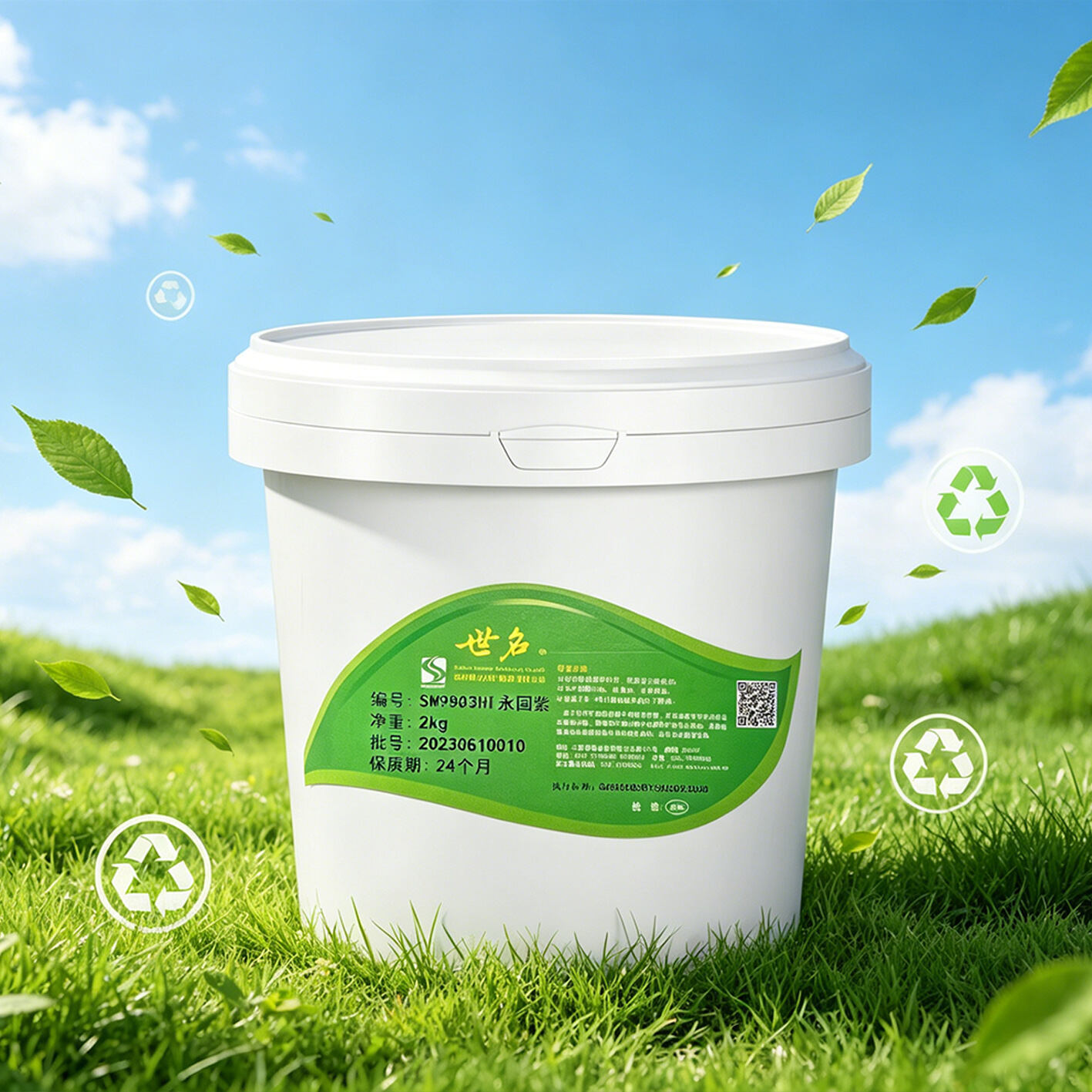
Marine environments represent one of the most demanding performance arenas for any coating system. Saltwater exposure, UV radiation, humidity cycling, and mechanical stress all converge to attack protective surfaces with relentless force. In this context, the role of color paste extends far beyond simple aesthetics — it becomes an active participant in the overall performance of corrosion protection systems designed for vessels, offshore structures, and port infrastructure. Understanding how color paste behaves under these conditions is essential for formulators, procurement engineers, and coating specialists working in the marine sector.
The performance of color paste in marine coatings is shaped by pigment chemistry, carrier compatibility, particle size distribution, and the ability to remain stable within highly engineered binder systems. When a color paste fails to integrate properly with the corrosion-inhibiting matrix of a marine coating, the consequences can include premature delamination, color drift, reduced barrier performance, and accelerated substrate degradation. This article examines the key mechanisms and practical considerations governing how color paste performs in marine corrosion protection systems.

The Role of Color Paste Within Marine Coating Architecture
Integration with Anti-Corrosion Binder Systems
Marine coatings are typically formulated as multi-layer systems: a primer containing active corrosion inhibitors, intermediate build coats for barrier strength, and topcoats that deliver color, gloss, and UV resistance. Color paste is most commonly introduced at the topcoat level, though tinted primers are also used in certain applications. In both scenarios, the color paste must be fully compatible with the binder chemistry — whether epoxy, polyurethane, alkyd, or waterborne acrylic — without disrupting the film-forming or cross-linking mechanisms that underpin corrosion resistance.
Incompatibility between color paste and binder systems can cause flocculation, pigment migration, or sedimentation, all of which compromise the uniformity and integrity of the applied film. A non-uniform film creates thin spots where moisture and chloride ions penetrate more easily, directly undermining the corrosion protection function. For this reason, marine coating formulators must select color paste products engineered with the appropriate wetting and dispersing agent chemistry that aligns with their specific binder platform.
The pigment-to-binder ratio also matters significantly. An excess of pigment volume concentration relative to the critical pigment volume concentration can increase porosity in the dried film, providing pathways for corrosive electrolytes. Color paste formulated to precise pigment loading standards helps formulators maintain control over this ratio throughout the tinting process.
Barrier Function and Pigment Particle Behavior
Beyond chemical compatibility, the physical behavior of color paste particles within the cured coating film plays a direct role in barrier performance. Finely ground, well-dispersed pigment particles contribute to a denser, more continuous film structure by reducing interstitial voids. This is particularly valuable in marine coatings where the barrier against seawater ingress is a primary defense mechanism.
Coarsely ground or poorly dispersed color paste, by contrast, introduces irregularities that compromise film density. In a marine environment where hydrostatic pressure, thermal expansion, and wave action create constant mechanical stress, even minor structural weaknesses can propagate into coating failures over time. High-quality color paste products with controlled fineness of grind — typically expressed in Hegman units or microns — are therefore preferred in demanding marine applications.
Lamellar or platelet-shaped pigments, such as micaceous iron oxide, are sometimes incorporated in specialty color paste formulations for marine primers precisely because their physical orientation within the film creates a labyrinthine barrier effect, increasing the path length that corrosive species must travel to reach the substrate.
Chemical Stability of Color Paste Under Marine Conditions
Resistance to Salt Spray and Chloride Ions
Salt spray testing remains the benchmark for evaluating marine coating durability, and color paste must contribute positively — or at least neutrally — to the results. Certain organic pigments are susceptible to salt-induced fading or chemical degradation when exposed to the concentrated chloride environment of coastal and offshore settings. Marine-grade color paste formulations prioritize pigments with high chemical inertness and low water absorption, minimizing the risk of pigment-related coating failures under prolonged salt exposure.
Inorganic pigments, particularly iron oxides, titanium dioxide, and carbon black, offer excellent resistance to salt spray and chloride attack. When used in color paste intended for marine coatings, these pigments maintain their structural integrity even after thousands of hours of accelerated salt spray testing. Formulators selecting color paste for marine applications frequently prioritize this class of pigment for any structural or maintenance coating requirement.
It is also important to consider the pH sensitivity of the color paste. Marine primers based on zinc-rich formulations are highly alkaline when freshly applied and during cure. Color paste pigments that are unstable under alkaline conditions — certain azo pigments, for example — can degrade or fade under these conditions. This makes pigment chemistry selection within color paste a critical technical decision for the marine sector.
UV Stability and Color Retention in Marine Topcoats
Vessels and offshore structures are routinely exposed to intense solar radiation, especially in tropical and subtropical operating zones. UV exposure degrades both the binder and the pigment fraction of marine topcoats, leading to chalking, color fading, and eventual loss of protective film thickness. Color paste designed for marine topcoats must therefore incorporate UV-stable pigment systems that resist photodegradation over multi-year service intervals.
High-performance organic pigments, such as quinacridones, phthalocyanines, and dioxazines, are well regarded for their outstanding lightfastness and are commonly formulated into color paste products intended for marine topcoat applications. When combined with UV-absorber additives in the coating formulation, these pigments help maintain color integrity and gloss retention even under prolonged outdoor marine exposure.
Color stability is not merely an aesthetic consideration in marine coatings. Color is frequently used as a visual inspection tool during maintenance surveys — color changes, patches, or streaks can indicate underlying problems such as undercutting corrosion, osmotic blistering, or localized coating breakdown. Consistent color retention provided by well-formulated color paste thus supports maintenance program effectiveness.
Waterborne Color Paste in Modern Marine Coating Formulations
The Shift Toward Waterborne Marine Coatings
Environmental and regulatory pressure across the shipping and offshore industries has accelerated the adoption of waterborne coating technologies as alternatives to solvent-borne systems. Waterborne marine coatings offer reduced VOC emissions, improved worker safety, and simplified waste management — but they also place new demands on the color paste systems used to tint them. A color paste engineered for waterborne industrial and marine coatings must deliver consistent dispersibility, stability, and compatibility within aqueous binder environments that differ fundamentally from traditional solvent-based systems.
The surfactant chemistry in waterborne color paste is particularly important. Surfactants stabilize pigment dispersions in aqueous media, but if they are poorly selected or present in excessive quantities, they can migrate to coating interfaces, reducing intercoat adhesion or creating weak boundary layers within the multi-coat marine system. Marine-grade waterborne color paste is therefore formulated with carefully optimized surfactant packages that balance dispersion stability with film performance.
Freeze-thaw stability is another practical consideration for waterborne color paste in marine applications, particularly for vessels operating in cold climates or for products stored in outdoor conditions. Color paste that lacks adequate freeze-thaw stability can undergo irreversible agglomeration, leading to grainy dispersions and unacceptable tinting results in production environments.
Compatibility with High-Performance Waterborne Binders
Modern waterborne marine coatings are built on sophisticated binder platforms — self-crosslinking acrylic dispersions, two-component waterborne epoxies, and hybrid polyurethane-acrylic systems — that demand color paste with equally sophisticated formulation characteristics. Color paste that performs well in conventional architectural coatings may not offer the chemical compatibility or stability required in these higher-performance systems.
Key performance parameters for color paste used in high-performance waterborne marine coatings include: low ionic content to avoid coagulation in sensitive binder systems, controlled viscosity profiles that remain stable across tinting ratios, and excellent color strength to minimize the volume of paste required — thus reducing any potential impact on the corrosion-protection chemistry of the base coat.
The tinting ratio management in marine coating production is particularly important. Unlike architectural tinting where broad color latitude is the goal, marine coatings often require very precise color matching to regulatory, corporate, or fleet standards. Color paste with well-characterized tinting strength and predictable rheological behavior is essential for achieving consistent results at production scale.
Practical Considerations for Color Paste Selection in Marine Corrosion Systems
Evaluating Performance Credentials for Marine Use
Selecting color paste for marine corrosion protection systems requires more than verifying that a product tints effectively. Formulators and procurement specialists should evaluate color paste against a range of performance criteria relevant to the marine environment. These include pigment lightfastness ratings, salt spray resistance data for tinted formulations, compatibility profiles across relevant binder chemistries, and stability under temperature cycling conditions representative of marine service.
Color paste suppliers serving the marine market typically provide technical data sheets with information on pigment composition, particle size, recommended loading levels, and compatibility notes. However, formulators should always conduct their own compatibility trials, particularly when introducing color paste into established corrosion protection formulations where any change to the chemistry could affect both color and performance outcomes.
It is also advisable to evaluate the long-term storage stability of color paste under marine logistics conditions, where products may be stored on vessels or in port facilities exposed to wide temperature swings, humidity, and vibration. Color paste that maintains consistent viscosity, color strength, and dispersibility after prolonged storage under these conditions represents a significantly lower supply chain risk.
Tinting Corrosion-Inhibiting Primers Without Compromising Protection
When color paste is introduced into corrosion-inhibiting primers — for example, to create color-coded maintenance coatings or to tint zinc phosphate primers for easier film thickness inspection — the formulator must ensure that the added pigment loading does not dilute the active corrosion inhibitor concentration below its effective threshold. Color paste with high pigment concentration and strong tinting efficiency minimizes the volume of paste required, thereby protecting the inhibitor balance of the primer formulation.
Some color paste pigments can also interact chemically with corrosion inhibitors, either accelerating their degradation or, in some cases, contributing additional protection. Iron oxide pigments, for example, are known to have mild passivating effects and are compatible with most anti-corrosion primer chemistries. Understanding these interactions allows formulators to select color paste that supports rather than undermines the protective function of the overall system.
Communication between color paste manufacturers and coating formulators is therefore a critical element of the development process. Detailed technical exchange about pigment chemistry, carrier systems, and additive profiles allows both parties to identify potential issues before they manifest in field failures — which in the marine sector can be extraordinarily costly to remediate.
FAQ
Does color paste affect the corrosion protection performance of marine coatings?
Yes, color paste can influence corrosion protection performance if it is not properly formulated for the target system. Poorly dispersed pigments, incompatible carrier chemistry, or excessive loading can compromise film integrity and barrier performance. Selecting color paste specifically engineered for industrial and marine coating systems minimizes these risks and ensures that the added color does not detract from corrosion resistance.
What types of pigments are most suitable in color paste for marine applications?
Inorganic pigments such as iron oxides and titanium dioxide are preferred for their excellent chemical resistance, UV stability, and compatibility with the alkaline environments common in marine primers. High-performance organic pigments including phthalocyanines and quinacridones are well suited for marine topcoats where strong lightfastness and color vibrancy are required. The specific pigment selection within color paste should always be aligned with the intended layer and service conditions.
Can waterborne color paste be used in marine epoxy or polyurethane systems?
Waterborne color paste can be used in compatible waterborne epoxy and polyurethane marine systems, provided it is specifically formulated for high-performance industrial applications. Key requirements include appropriate surfactant chemistry, low ionic content, and sufficient compatibility with the cross-linking binder. Standard architectural waterborne color paste is generally not suitable for high-performance marine systems without thorough compatibility testing.
How does color paste stability affect maintenance coating schedules on marine vessels?
Color stability provided by quality color paste directly supports visual inspection routines used during maintenance surveys. Consistent color retention makes it easier to identify localized degradation, corrosion breakthrough, or film loss against the reference color of the intact coating. Conversely, color paste that fades prematurely or changes tone due to UV or chemical exposure can obscure early-stage coating deterioration, potentially extending the time before protective intervention is applied.
Table of Contents
- The Role of Color Paste Within Marine Coating Architecture
- Chemical Stability of Color Paste Under Marine Conditions
- Waterborne Color Paste in Modern Marine Coating Formulations
- Practical Considerations for Color Paste Selection in Marine Corrosion Systems
-
FAQ
- Does color paste affect the corrosion protection performance of marine coatings?
- What types of pigments are most suitable in color paste for marine applications?
- Can waterborne color paste be used in marine epoxy or polyurethane systems?
- How does color paste stability affect maintenance coating schedules on marine vessels?