waterborne color paste factory
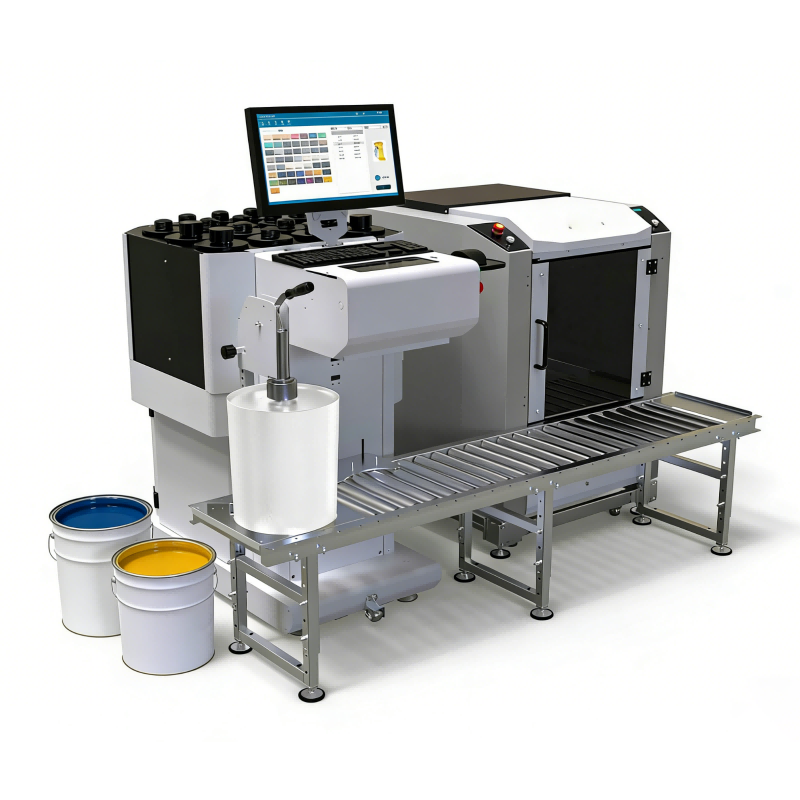
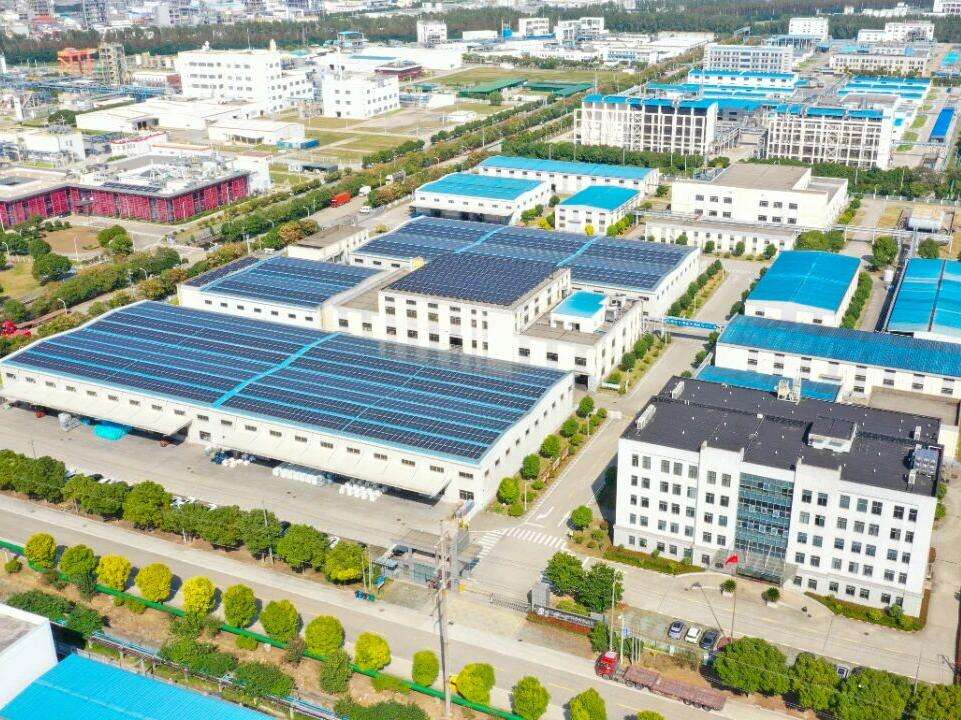
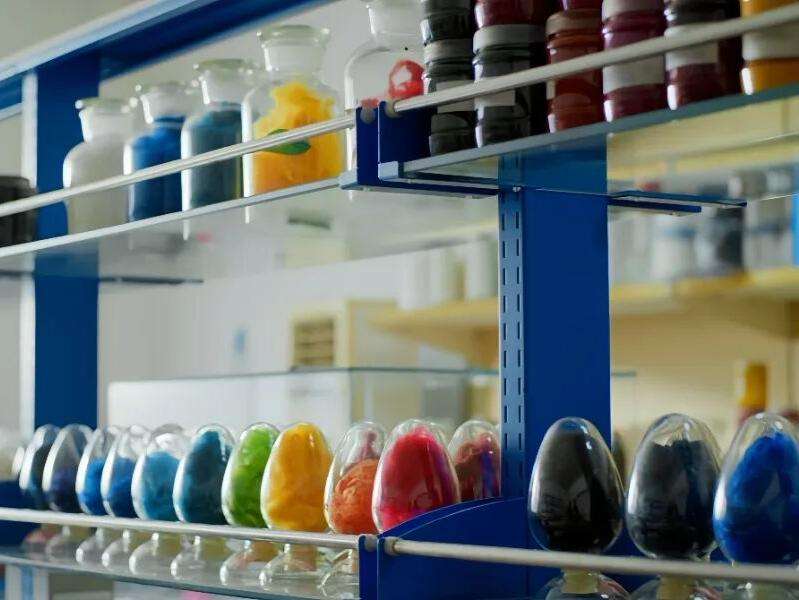
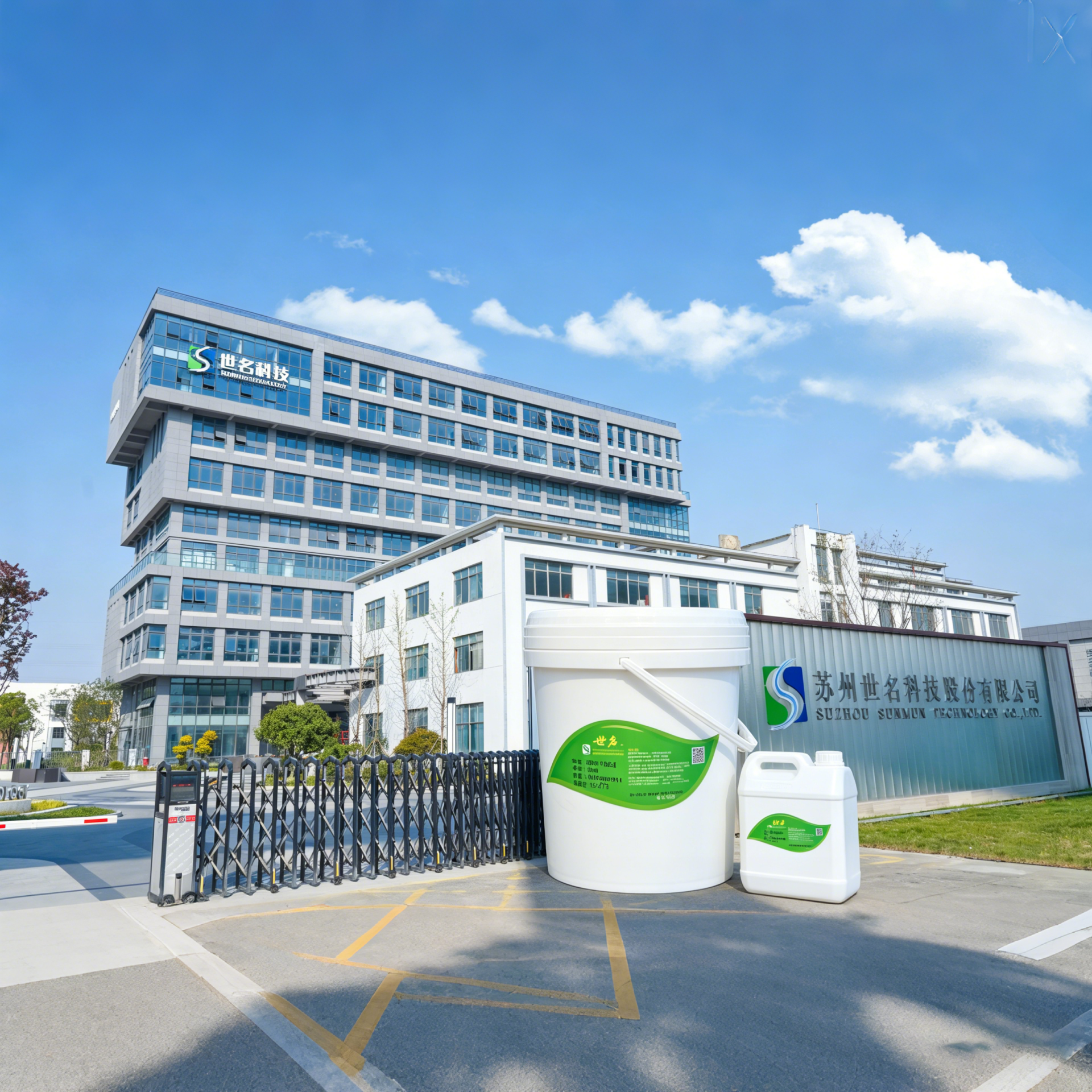
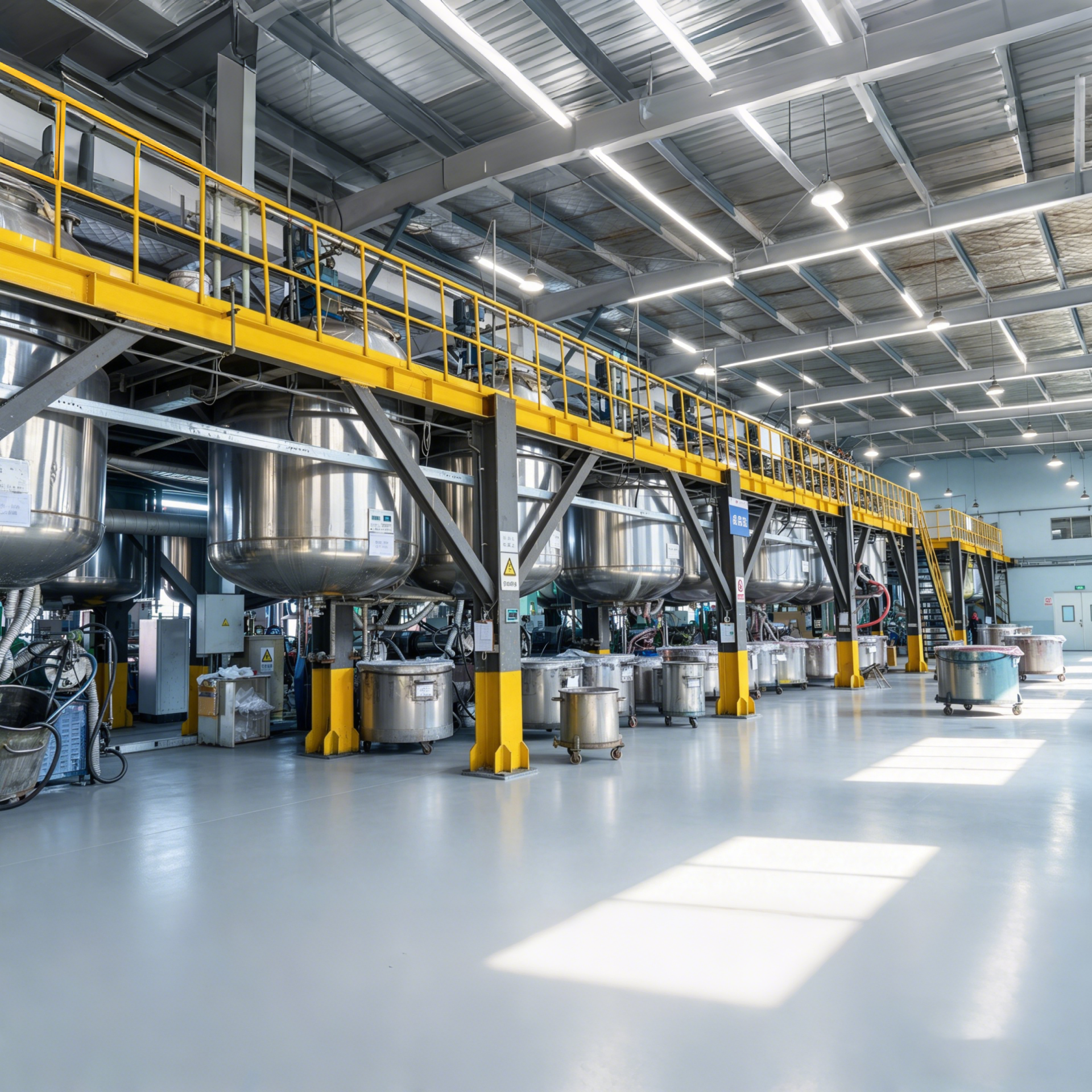
A waterborne color paste factory represents a specialized manufacturing facility that produces water-based colorant solutions for various industrial and commercial applications. These facilities operate with advanced production capabilities, combining chemical expertise with precision engineering to create high-quality colorants that meet stringent industry standards. The primary function of a waterborne color paste factory involves formulating, mixing, and processing pigments with water-based carriers to produce consistent, vibrant color solutions. These factories utilize sophisticated machinery including high-speed dispersers, ball mills, and automated batching systems to ensure uniform particle distribution and optimal color development. The technological framework of a modern waterborne color paste factory incorporates computerized color matching systems, quality control laboratories, and automated packaging lines that maintain product consistency across large production volumes. Manufacturing processes within these facilities follow strict environmental protocols, utilizing closed-loop systems that minimize waste and reduce environmental impact. Quality assurance measures include spectrophotometric analysis, viscosity testing, and stability assessments to guarantee product performance. The waterborne color paste factory serves multiple industries including architectural coatings, industrial paints, textile printing, paper manufacturing, and plastic coloring applications. These facilities maintain extensive color libraries containing thousands of formulations, enabling custom color development and rapid prototype creation. Storage systems within waterborne color paste factory locations feature temperature-controlled environments that preserve product integrity during extended storage periods. Distribution networks connected to these facilities ensure timely delivery of fresh products to customers worldwide. The operational efficiency of a waterborne color paste factory depends on skilled technicians who understand color theory, chemical interactions, and production optimization techniques. Modern facilities integrate digital workflow management systems that track production schedules, inventory levels, and quality metrics in real-time, ensuring consistent delivery performance and customer satisfaction.
 ×
×


 EN
EN