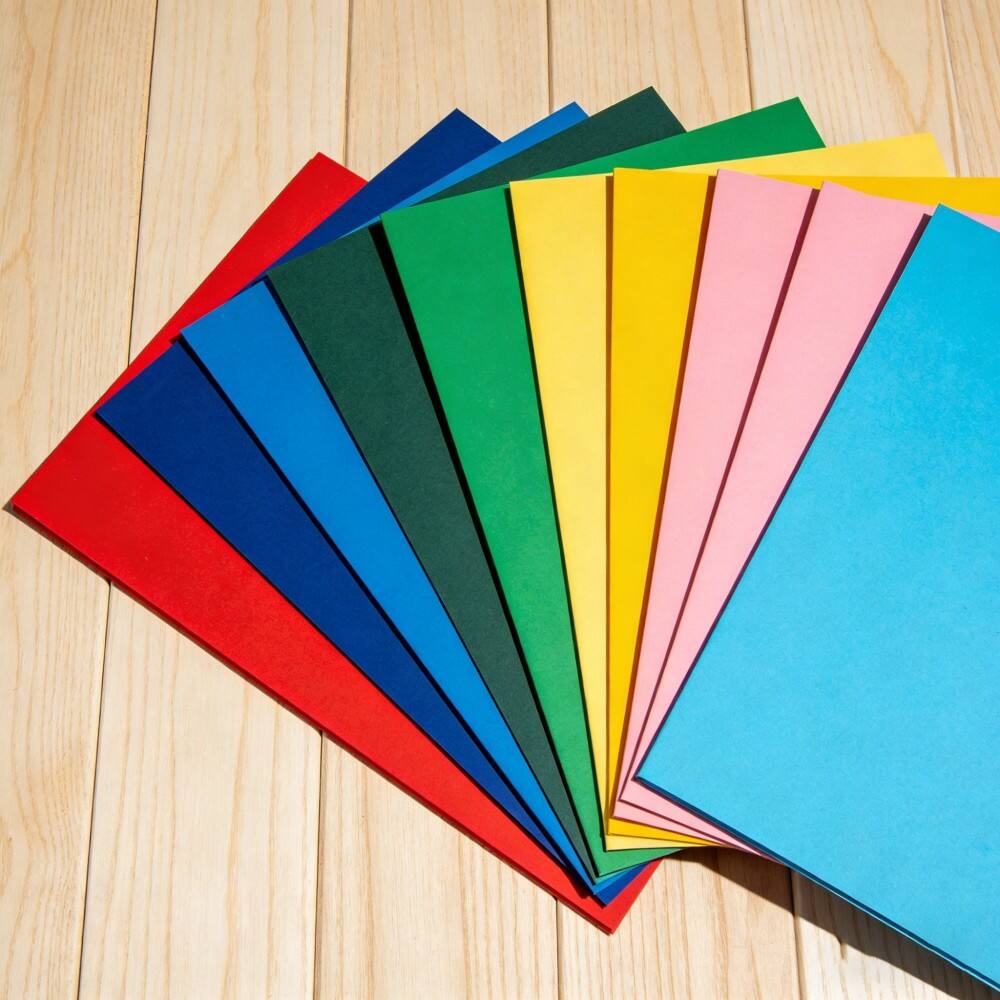
color paste for textile printing
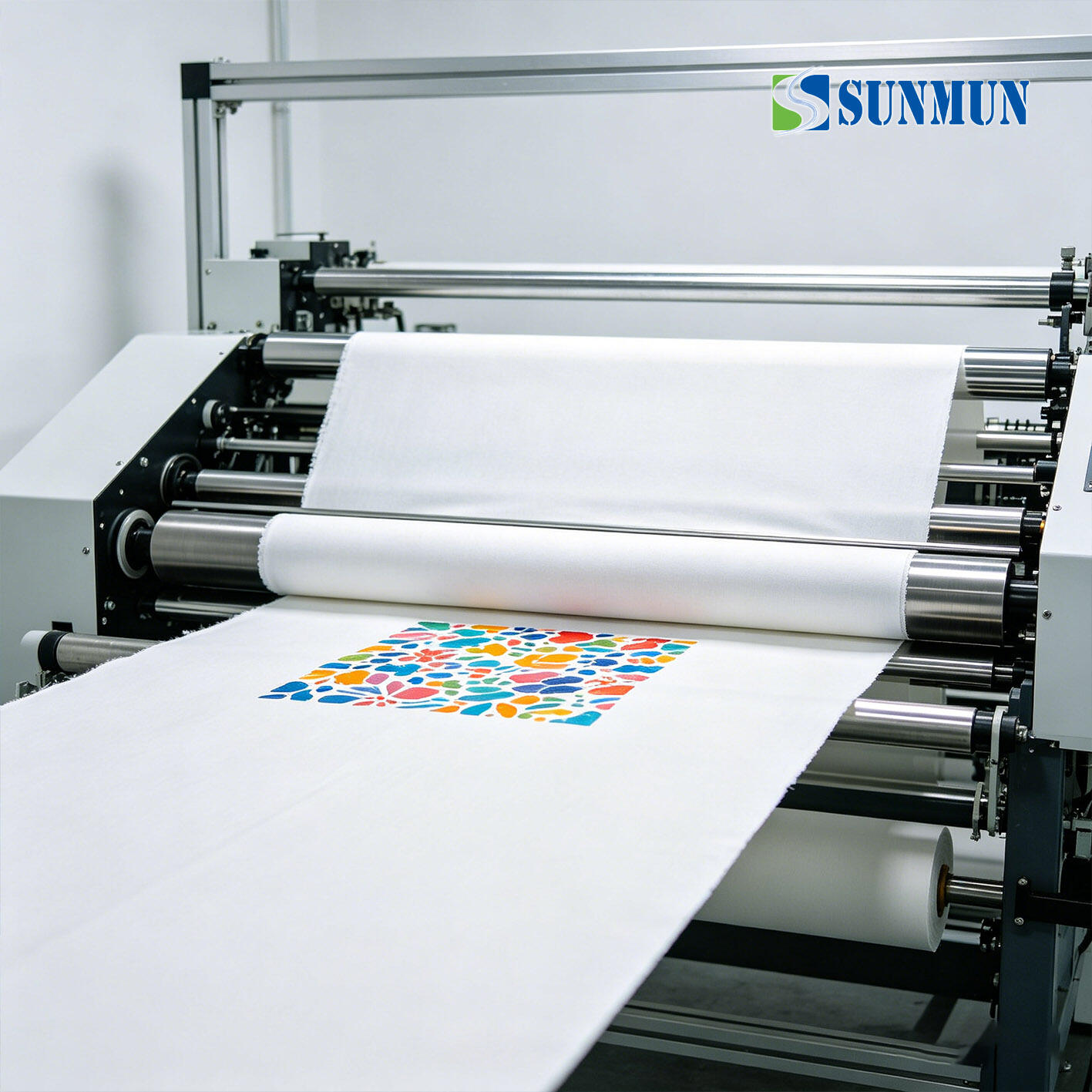
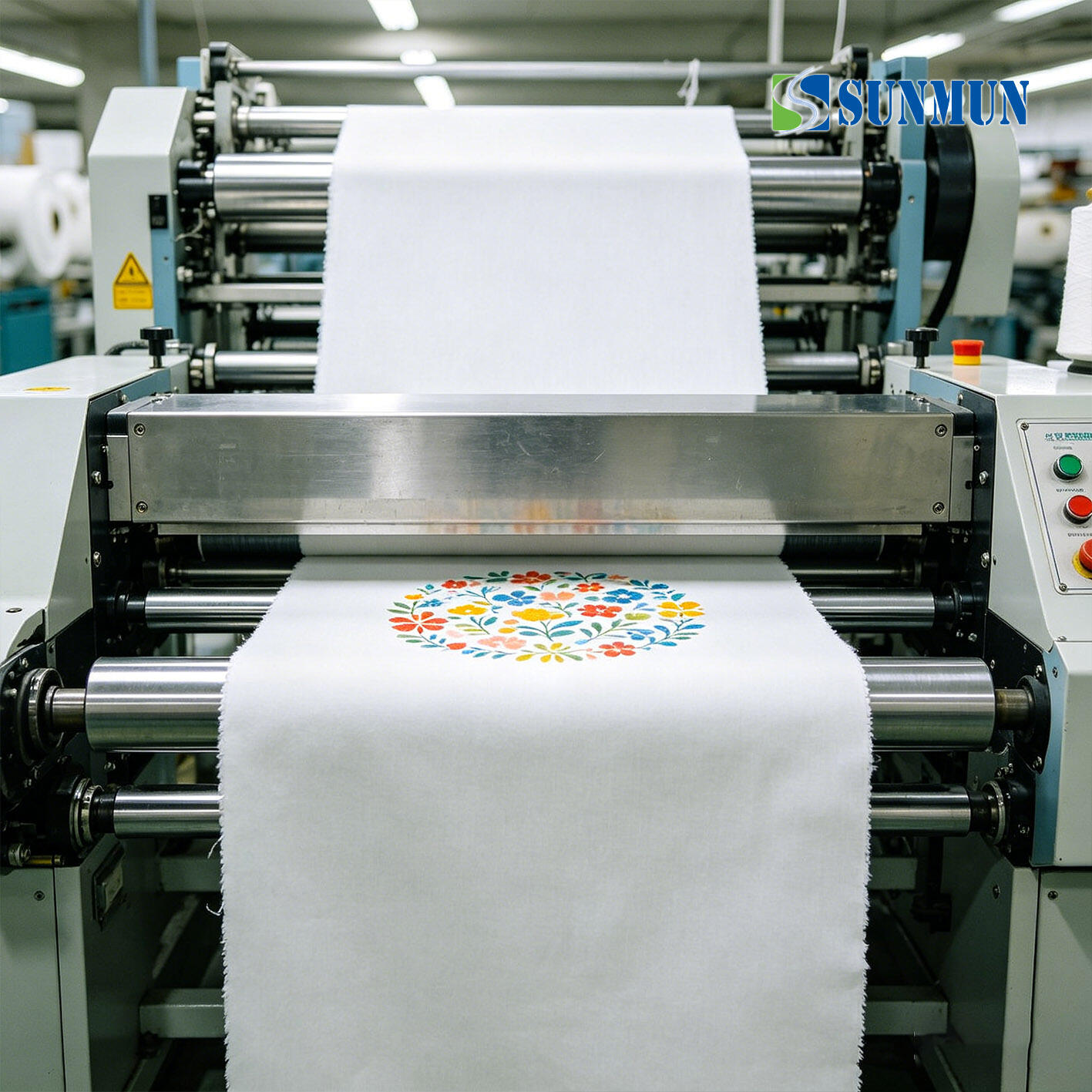
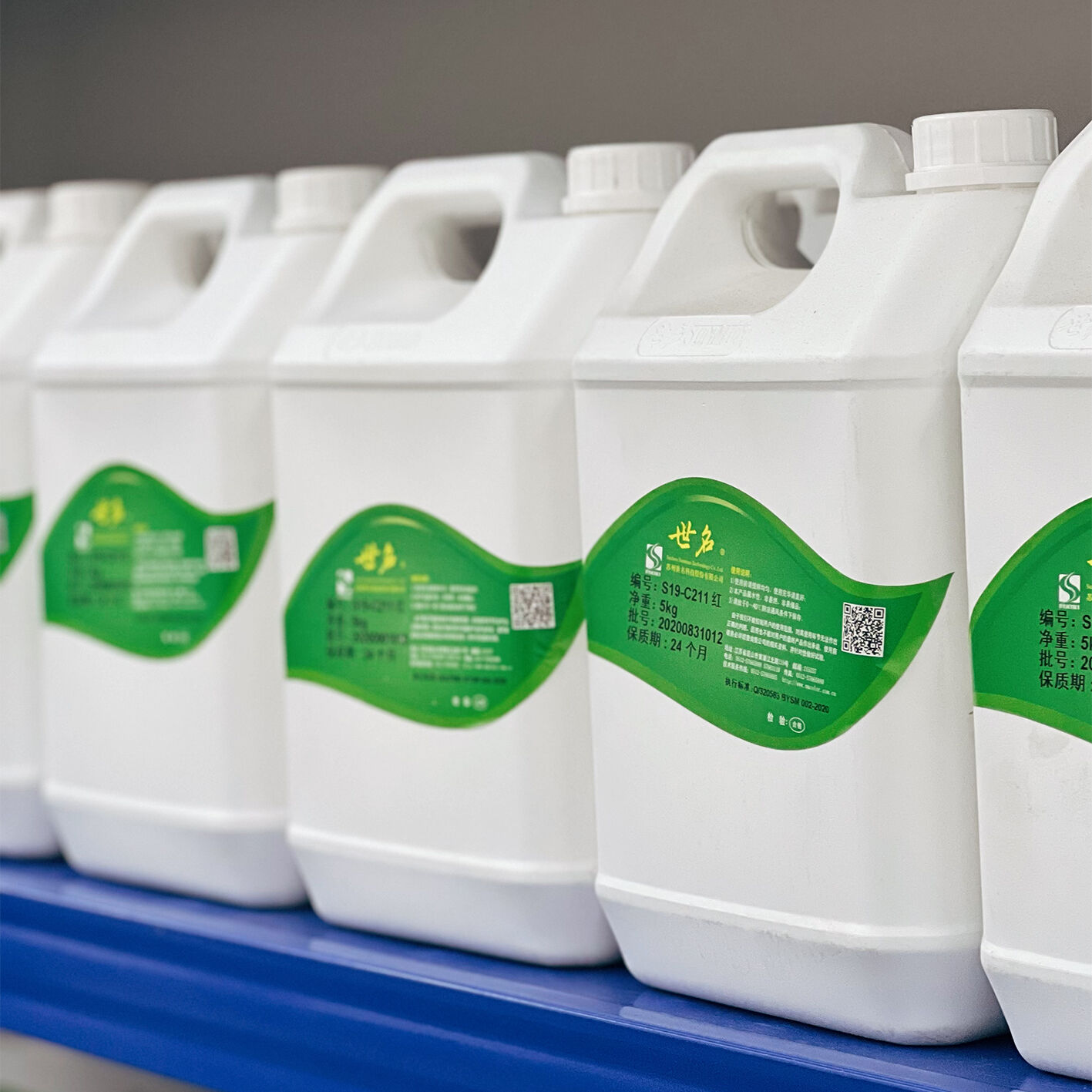
Color paste for textile printing represents a revolutionary advancement in fabric decoration technology, offering manufacturers and designers unprecedented control over their creative processes. This specialized printing medium combines high-quality pigments with advanced binding agents, creating a versatile solution that transforms ordinary textiles into vibrant, durable works of art. The color paste for textile printing serves multiple critical functions in modern textile manufacturing, acting as both a coloring agent and a protective coating that ensures long-lasting visual appeal. The formulation incorporates sophisticated chemical compounds that penetrate deep into fabric fibers, creating permanent bonds that resist fading, washing, and general wear. Unlike traditional dyeing methods, color paste for textile printing allows for precise pattern application, enabling intricate designs that would be impossible to achieve through conventional techniques. The technological features of this printing medium include excellent viscosity control, ensuring smooth application across various fabric types, from delicate silks to heavy cotton blends. The paste maintains optimal consistency throughout the printing process, preventing common issues such as bleeding, smudging, or uneven coverage. Advanced pH stability ensures compatibility with different fabric treatments, while the carefully calibrated particle size distribution guarantees uniform color dispersion. The color paste for textile printing also incorporates eco-friendly components, meeting stringent environmental regulations while maintaining superior performance standards. Applications span numerous industries, including fashion apparel, home textiles, automotive fabrics, and technical textiles. Fashion designers particularly value the ability to create complex multi-colored patterns with sharp definition and consistent quality. The paste works exceptionally well with screen printing, digital printing, and block printing techniques, offering flexibility in production methods. Industrial applications benefit from the paste's resistance to chemical treatments and extreme temperatures, making it ideal for protective clothing and specialized textiles.
 ×
×





 EN
EN