Premium Color Paste for Fabric - Superior Textile Dyeing Solutions

Get a Free Quote

Our representative will contact you soon.
Email
Company Name
Mobile/WhatsApp
Interest of Products
Message
0/1000

color paste for fabric

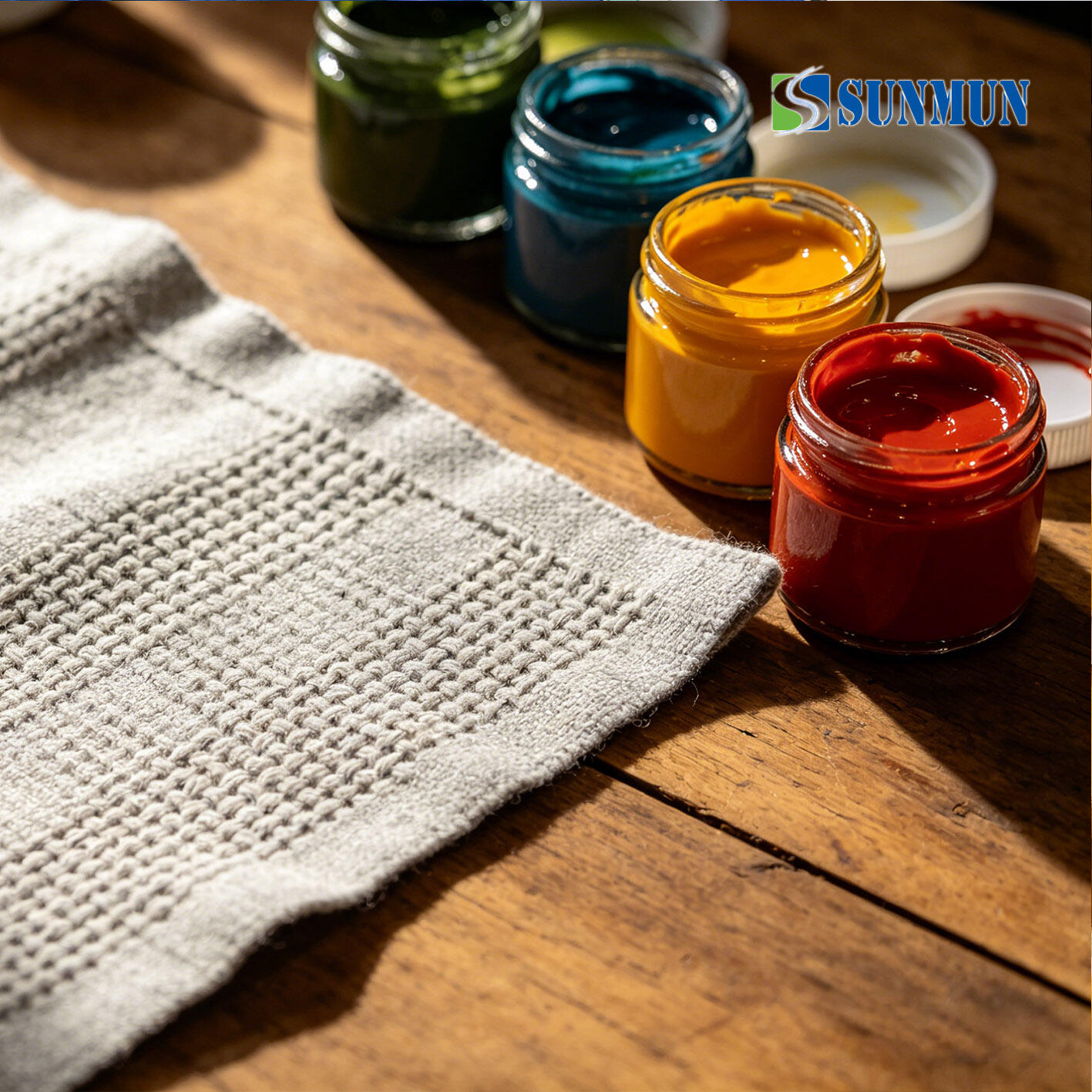
Color paste for fabric represents a revolutionary advancement in textile dyeing technology, offering manufacturers and designers unprecedented control over color application and quality. This specialized formulation combines concentrated pigments with carefully selected binding agents, creating a versatile medium that transforms ordinary fabrics into vibrant, professional-grade textiles. Unlike traditional liquid dyes, color paste for fabric provides superior consistency and predictable results across different fabric types and production scales. The paste format eliminates common issues associated with liquid dyes, such as uneven distribution, color bleeding, and inconsistent saturation levels. Modern color paste for fabric formulations incorporate advanced polymer technology that ensures optimal adhesion to various fiber types, including cotton, polyester, silk, and synthetic blends. The manufacturing process involves precise particle size control, ensuring smooth application and uniform color distribution throughout the fabric structure. Professional textile manufacturers rely on color paste for fabric to achieve consistent batch-to-batch color matching, which is essential for large-scale production runs. The paste consistency allows for better inventory management, as it maintains stability over extended storage periods without separation or degradation. Quality control becomes more manageable with color paste for fabric, as the concentrated format enables accurate measurement and mixing procedures. The technology behind color paste for fabric includes specialized stabilizers that prevent color migration during washing and exposure to environmental factors. Environmental considerations have led to the development of eco-friendly color paste for fabric formulations that minimize water usage and chemical waste during the dyeing process. The versatility of color paste for fabric extends beyond basic coloring, enabling special effects such as gradient patterns, textured finishes, and multi-tonal applications that enhance the aesthetic appeal of finished products.

New Product Releases

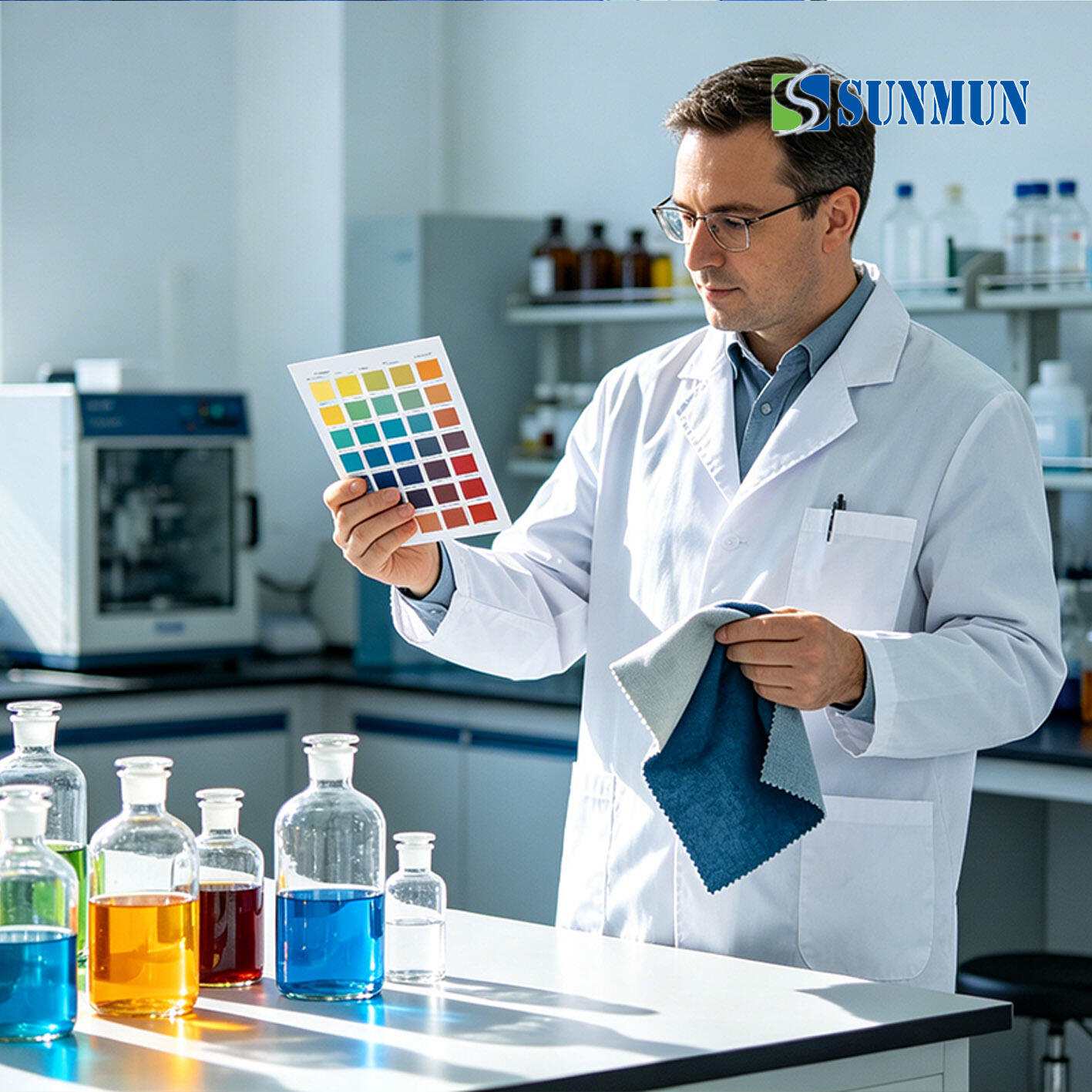
The primary advantage of color paste for fabric lies in its exceptional color fastness properties, which ensure that vibrant hues remain intact through multiple wash cycles and extended use. This durability translates directly into cost savings for manufacturers and enhanced customer satisfaction for end users. Color paste for fabric delivers superior penetration capabilities, allowing pigments to bond effectively with fabric fibers at the molecular level, creating long-lasting color that resists fading, cracking, or peeling over time. The concentrated nature of color paste for fabric means that smaller quantities achieve the same color intensity as larger volumes of traditional dyes, reducing material costs and storage requirements significantly. Production efficiency improves dramatically when using color paste for fabric, as the consistent viscosity enables automated application systems to operate with greater precision and reliability. Quality control becomes streamlined with color paste for fabric because the standardized formulation reduces variables that typically cause color variations in traditional dyeing processes. The paste format eliminates the need for complex mixing procedures, as color paste for fabric arrives ready for immediate application, saving valuable production time and reducing labor costs. Waste reduction represents another significant advantage, as color paste for fabric generates minimal overspray and allows for precise application control, leading to better material utilization and environmental compliance. The shelf life of color paste for fabric exceeds that of liquid alternatives, maintaining color integrity and performance characteristics for extended periods without refrigeration or special storage conditions. Flexibility in application methods gives manufacturers numerous options, as color paste for fabric works effectively with screen printing, pad dyeing, brush application, and automated dispensing systems. The compatibility of color paste for fabric with various fabric treatments and finishes enables manufacturers to incorporate additional functional properties without compromising color quality. Temperature stability ensures that color paste for fabric performs consistently across different processing conditions, maintaining color accuracy regardless of seasonal variations or equipment differences. The reduced water requirements associated with color paste for fabric application contribute to sustainable manufacturing practices while lowering operational costs related to water treatment and disposal.

Tips And Tricks

Sunmun Subsidiary Named

12

Mar

Sunmun Subsidiary Named "Jiangsu Provincial Green Factory", Advancing Sustainable Colorant Production

View More
Sunmun’s Water-Based Color Paste for Viscose Fiber Dope Dyeing Wins “Jiangsu Premium Product” Certification 2025

16

Mar

Sunmun’s Water-Based Color Paste for Viscose Fiber Dope Dyeing Wins “Jiangsu Premium Product” Certification 2025

View More
Sunmun Deepens Southeast Asia Presence with Eco-Friendly Colorants at Pacific Coatings Show 2025

16

Mar

Sunmun Deepens Southeast Asia Presence with Eco-Friendly Colorants at Pacific Coatings Show 2025

View More
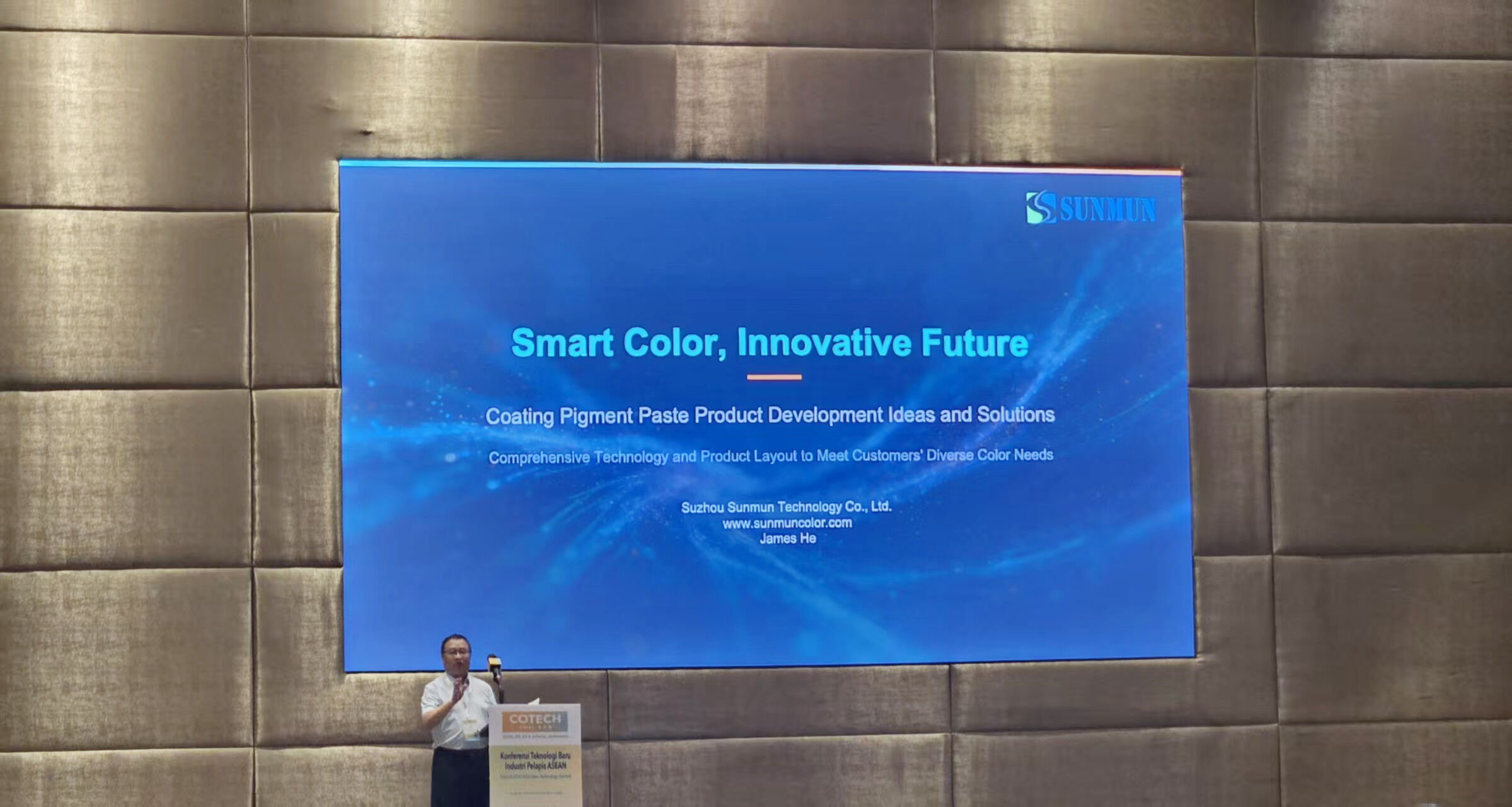
SUNMUN Technology Shines at ASEAN Advanced Coatings Technology Forum in Indonesia

28

Apr

SUNMUN Technology Shines at ASEAN Advanced Coatings Technology Forum in Indonesia

View More

Get a Free Quote

Our representative will contact you soon.
Email
Company Name
Mobile/WhatsApp
Interest of Products
Message
0/1000

color paste for fabric

Superior Color Retention Technology

Superior Color Retention Technology

The advanced formulation of color paste for fabric incorporates cutting-edge polymer binding technology that creates an unbreakable bond between pigments and fabric fibers, ensuring exceptional color retention that surpasses industry standards. This innovative approach addresses the most common challenge faced by textile manufacturers: maintaining color vibrancy throughout the product lifecycle. The molecular structure of color paste for fabric includes cross-linking agents that form a three-dimensional network within the fabric matrix, creating multiple anchor points that prevent color molecules from migrating or degrading under stress. Laboratory testing demonstrates that fabrics treated with color paste for fabric maintain over 95 percent of their original color intensity after 50 standard wash cycles, significantly outperforming conventional dyeing methods. The retention technology built into color paste for fabric also provides superior resistance to ultraviolet radiation, preventing the photochemical breakdown that causes traditional dyes to fade when exposed to sunlight. This UV stability makes color paste for fabric ideal for outdoor applications, automotive textiles, and home furnishing products that require long-term color stability. The binding mechanism of color paste for fabric creates a protective barrier around each pigment particle, shielding it from environmental factors such as humidity, temperature fluctuations, and chemical exposure that typically cause color degradation. Manufacturing quality control becomes more predictable with color paste for fabric because the retention technology ensures consistent performance across different production batches and processing conditions. The economic impact of superior color retention translates into reduced warranty claims, increased customer satisfaction, and enhanced brand reputation for manufacturers who choose color paste for fabric for their production processes. End users benefit from extended product lifecycles, as garments and textiles colored with color paste for fabric maintain their aesthetic appeal longer, providing better value for investment and reducing replacement frequency.
Eco-Friendly Manufacturing Process

Eco-Friendly Manufacturing Process

Environmental responsibility drives the development of modern color paste for fabric formulations, which significantly reduce water consumption, chemical waste, and energy requirements compared to traditional textile dyeing methods. The concentrated nature of color paste for fabric eliminates the need for large volumes of carrier liquids, reducing transportation emissions and packaging waste while maintaining superior performance characteristics. Water usage drops by up to 60 percent when manufacturers switch to color paste for fabric application methods, as the paste format requires minimal dilution and generates less rinse water during processing. The closed-loop application systems compatible with color paste for fabric enable recovery and reuse of excess material, virtually eliminating waste streams and reducing raw material costs. Volatile organic compound emissions decrease substantially with color paste for fabric usage, as the formulation contains fewer solvents and carriers that contribute to air pollution and workplace exposure risks. The biodegradable components incorporated into eco-friendly color paste for fabric formulations break down naturally without leaving harmful residues in wastewater treatment systems or natural environments. Energy efficiency improves with color paste for fabric because lower processing temperatures achieve optimal results, reducing fuel consumption and associated carbon emissions during production cycles. The elimination of pre-treatment chemicals often required with traditional dyes simplifies the manufacturing process when using color paste for fabric, reducing chemical inventory, handling procedures, and disposal requirements. Regulatory compliance becomes easier with color paste for fabric that meets international environmental standards, helping manufacturers avoid costly penalties and maintain access to global markets with strict environmental regulations. The sustainable packaging options available for color paste for fabric include recyclable containers and concentrated formats that minimize material usage while protecting product integrity during storage and transportation. Long-term environmental benefits accumulate as color paste for fabric reduces the frequency of re-dyeing processes, decreasing overall resource consumption and extending the useful life of textile products in the marketplace.
Versatile Application Compatibility

Versatile Application Compatibility

The exceptional versatility of color paste for fabric stems from its unique rheological properties that enable seamless integration with multiple application methods and fabric types, providing manufacturers with unprecedented flexibility in production planning and product development. This adaptability allows a single color paste for fabric formulation to work effectively across screen printing operations, pad dyeing systems, brush applications, and automated dispensing equipment without requiring reformulation or additives. The thixotropic behavior of color paste for fabric ensures optimal flow characteristics during application while maintaining stability during storage, eliminating the settling and separation issues common with liquid dye systems. Fabric compatibility extends across natural fibers like cotton, wool, and silk, as well as synthetic materials including polyester, nylon, and advanced technical textiles, making color paste for fabric suitable for diverse manufacturing environments. The paste consistency enables precise control over color density and application thickness, allowing manufacturers to achieve effects ranging from subtle tints to bold, opaque coverage using the same base color paste for fabric formulation. Temperature tolerance built into color paste for fabric formulations accommodates various processing conditions, from room temperature applications to high-heat curing processes, without compromising color quality or adhesion properties. The compatibility with existing production equipment reduces capital investment requirements, as manufacturers can implement color paste for fabric systems using modified versions of current dyeing and printing machinery. Mixing capabilities allow custom color matching using color paste for fabric base formulations, enabling manufacturers to achieve precise color specifications without maintaining extensive inventories of pre-mixed colors. The ability to combine color paste for fabric with various textile treatments, including water repellents, flame retardants, and antimicrobial agents, creates opportunities for value-added product development without sacrificing color performance. Quality assurance procedures benefit from the consistent behavior of color paste for fabric across different application scenarios, enabling standardized testing protocols and predictable results regardless of production variables or equipment variations used in the manufacturing process.

Get a Free Quote

Our representative will contact you soon.
Email
Company Name
Mobile/WhatsApp
Interest of Products
Message
0/1000