textile printing paste
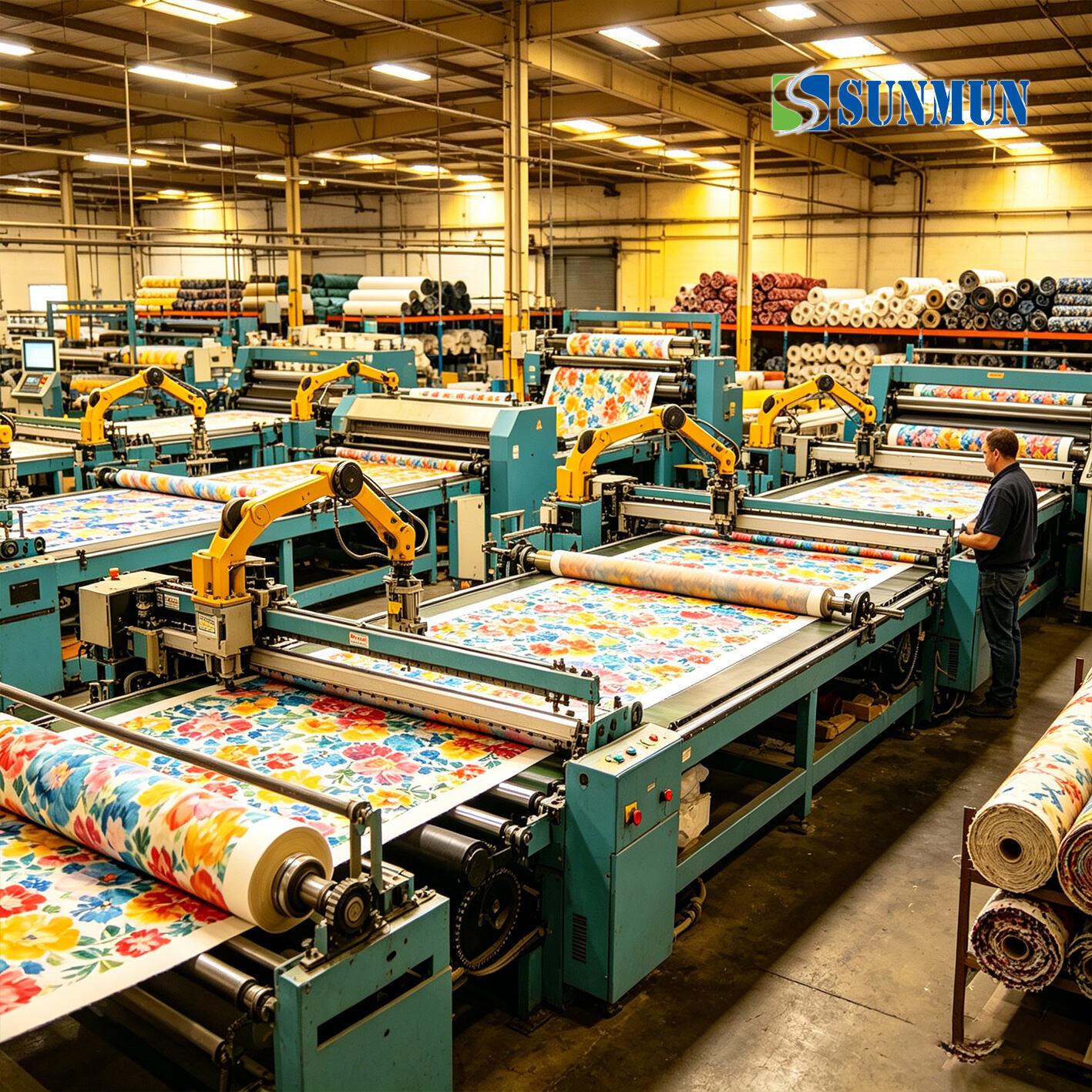
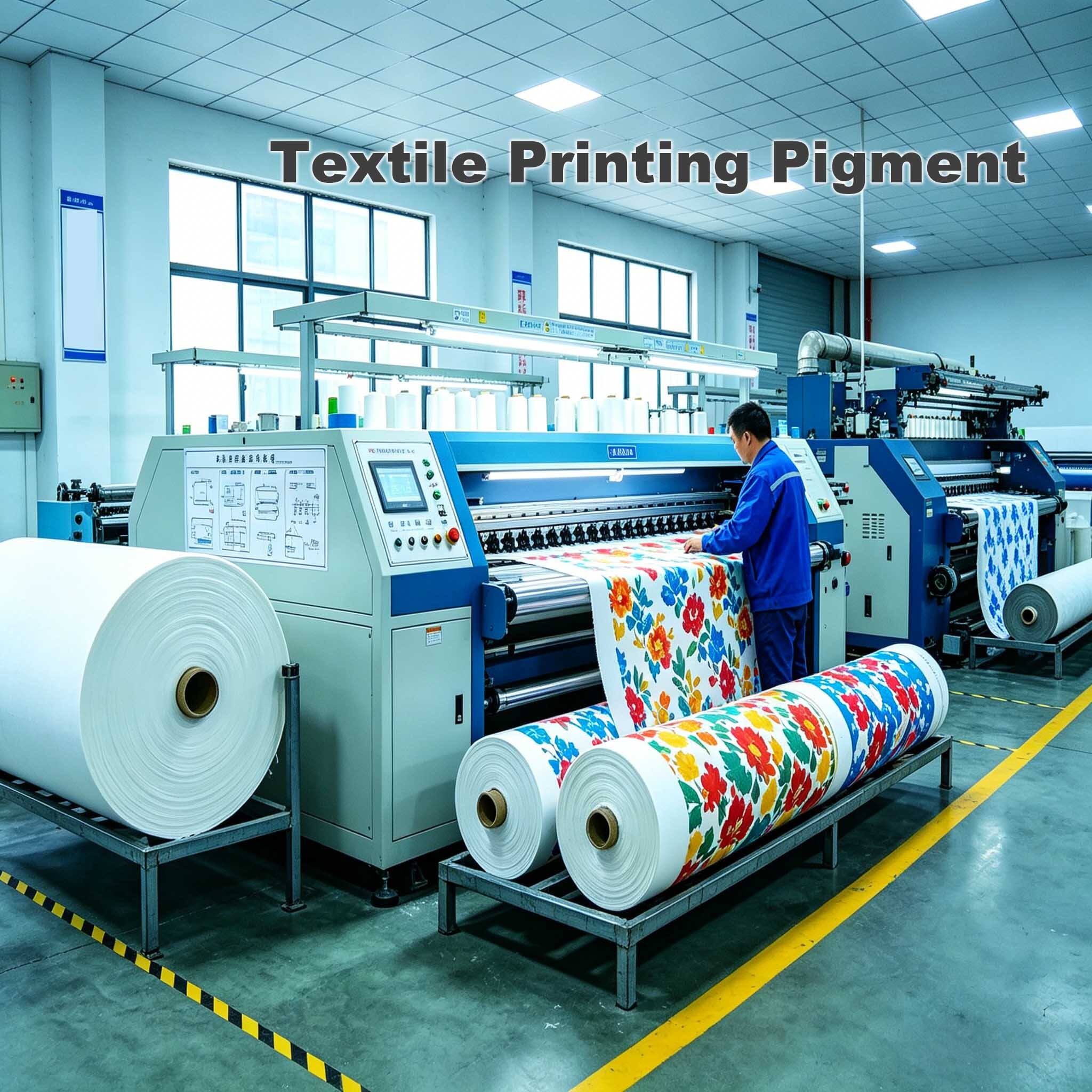
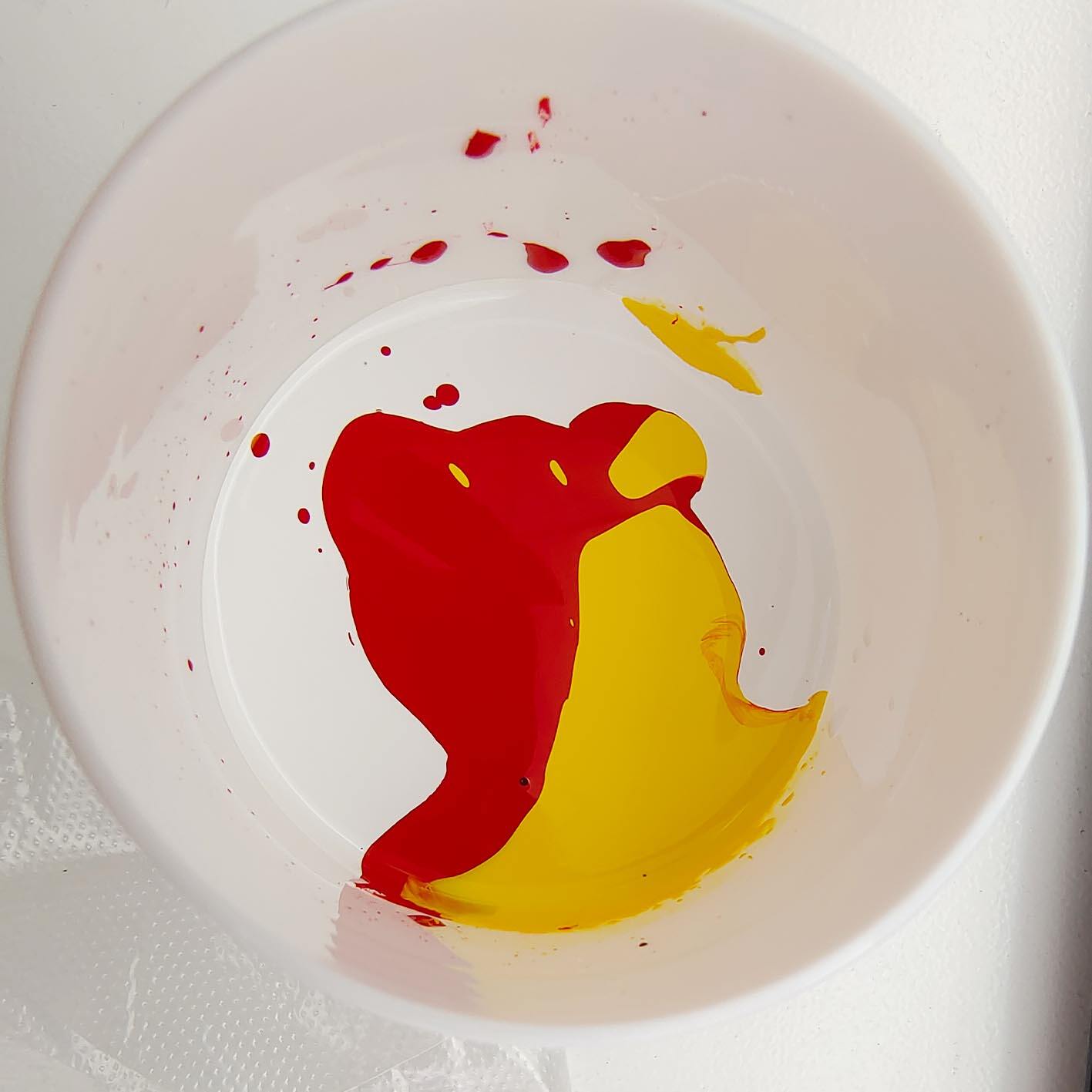
Textile printing paste represents a revolutionary advancement in fabric decoration technology, serving as the cornerstone for high-quality textile design and manufacturing processes. This specialized formulation combines pigments, binders, thickeners, and various additives to create vibrant, durable prints on diverse fabric substrates. The primary function of textile printing paste involves delivering consistent color reproduction while ensuring excellent adhesion to textile fibers, creating permanent designs that withstand multiple washing cycles and environmental exposure. Modern textile printing paste formulations incorporate advanced polymer chemistry and nano-technology to achieve superior performance characteristics. The technological features include precise rheological properties that enable smooth application through various printing methods, including screen printing, rotary printing, and digital textile printing systems. These pastes maintain optimal viscosity levels throughout the printing process, preventing bleeding, smudging, or uneven color distribution. Temperature stability ensures consistent performance across different manufacturing environments, while pH balance compatibility protects both equipment and fabric integrity. The applications of textile printing paste span numerous industries, from fashion and apparel manufacturing to home textiles, automotive upholstery, and technical textiles. Fashion designers utilize these pastes to create intricate patterns, logos, and artistic designs on garments, while industrial applications focus on functional printing for protective clothing, sports equipment, and specialized technical fabrics. The paste formulation allows for precise color matching and reproduction, enabling brands to maintain consistent visual identity across product lines. Additionally, textile printing paste supports sustainable manufacturing practices through water-based formulations that reduce environmental impact while maintaining exceptional print quality. The versatility of these products accommodates both natural and synthetic fiber types, making them essential for modern textile production facilities seeking reliable, high-performance printing solutions.
 ×
×




 EN
EN