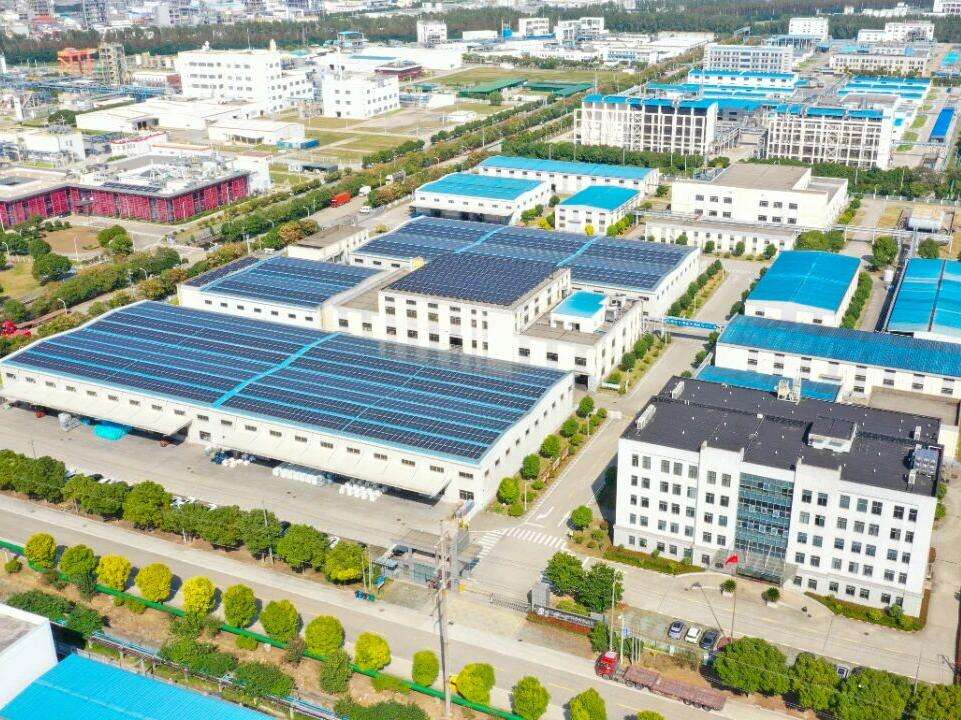
pigment factory
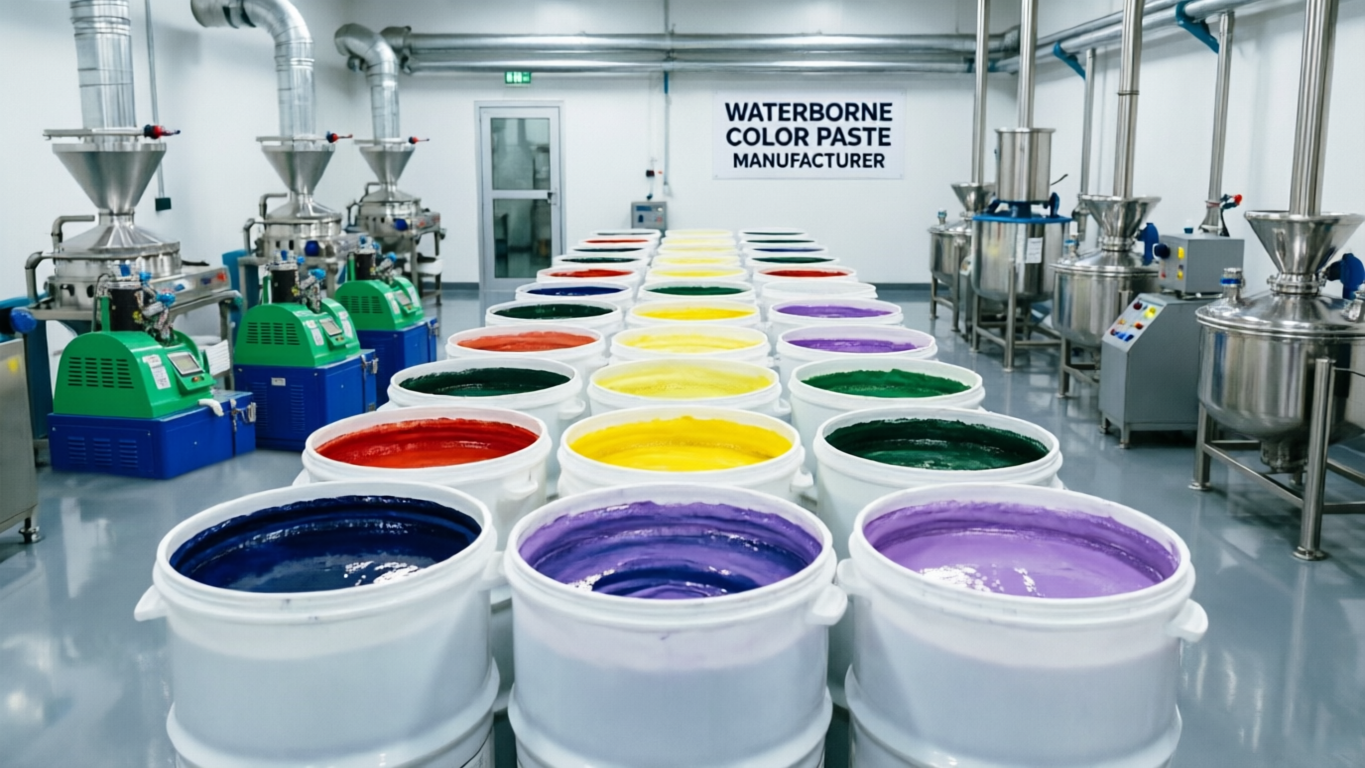
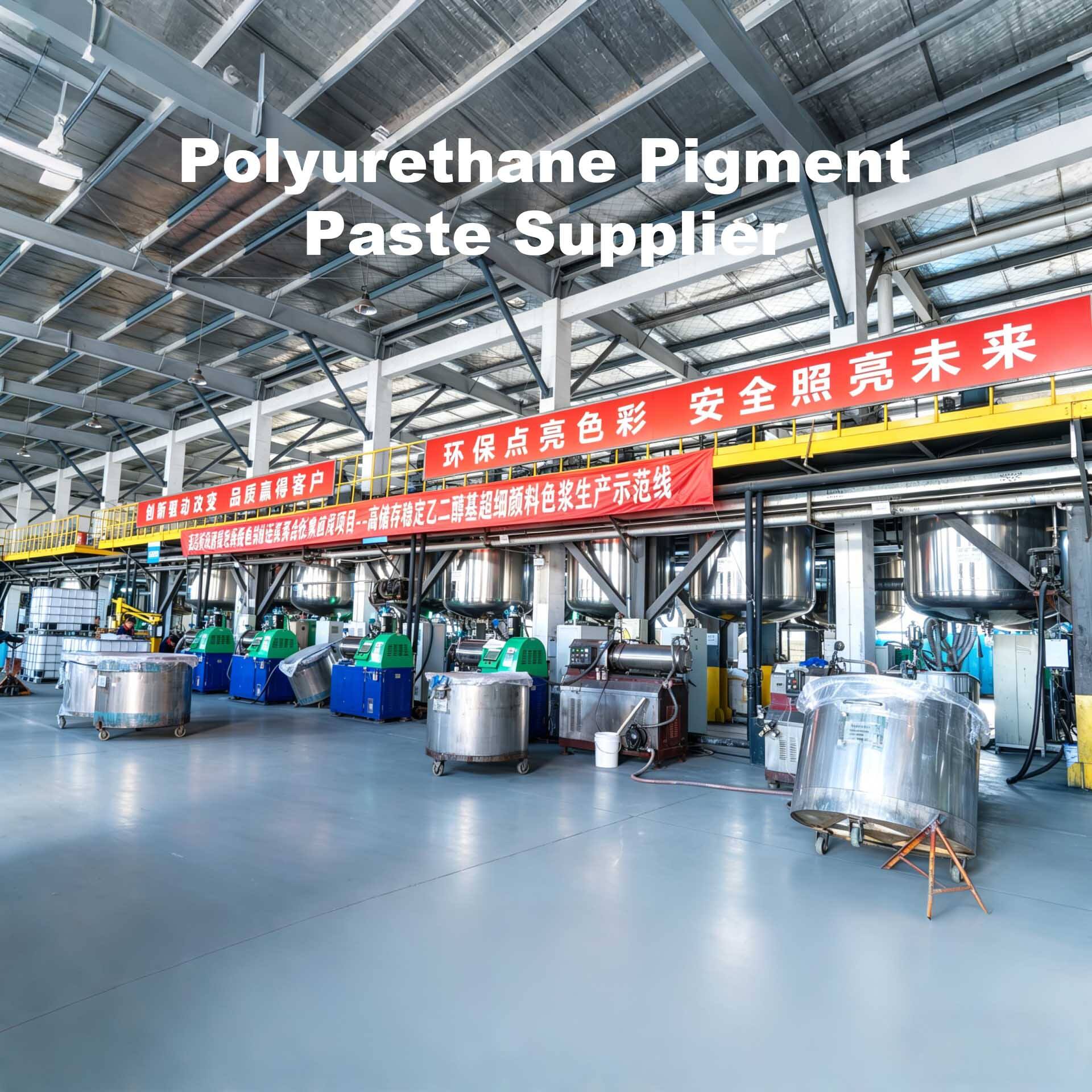
A pigment factory serves as a specialized manufacturing facility dedicated to producing high-quality colorants and dyes for various industrial applications. These sophisticated production centers utilize advanced chemical processes to create synthetic and organic pigments that meet stringent quality standards across multiple sectors. The primary function of a modern pigment factory involves the synthesis, purification, and formulation of colored compounds that provide consistent coloring properties for paints, coatings, plastics, textiles, and printing inks. The technological infrastructure within these facilities encompasses state-of-the-art reactor systems, precision mixing equipment, and automated quality control laboratories that ensure product consistency and reliability. Advanced filtration systems, temperature-controlled environments, and computerized monitoring networks work together to maintain optimal production conditions throughout the manufacturing process. The pigment factory typically operates multiple production lines simultaneously, each designed for specific pigment types such as titanium dioxide, iron oxides, organic reds, blues, and specialty effect pigments. Environmental compliance represents a critical aspect of modern pigment factory operations, with sophisticated waste treatment systems and emission control technologies integrated into the production workflow. These facilities implement comprehensive safety protocols and employ trained personnel who understand the complexities of chemical manufacturing processes. Quality assurance laboratories within the pigment factory conduct rigorous testing procedures to verify color consistency, particle size distribution, chemical purity, and performance characteristics. The applications for pigment factory products span numerous industries including automotive coatings, architectural paints, plastic manufacturing, textile dyeing, cosmetics production, and graphic arts printing. Supply chain management systems ensure reliable raw material procurement while distribution networks facilitate timely delivery to customers worldwide.
 ×
×



 EN
EN