Versatile Application Compatibility Across Multiple Industries
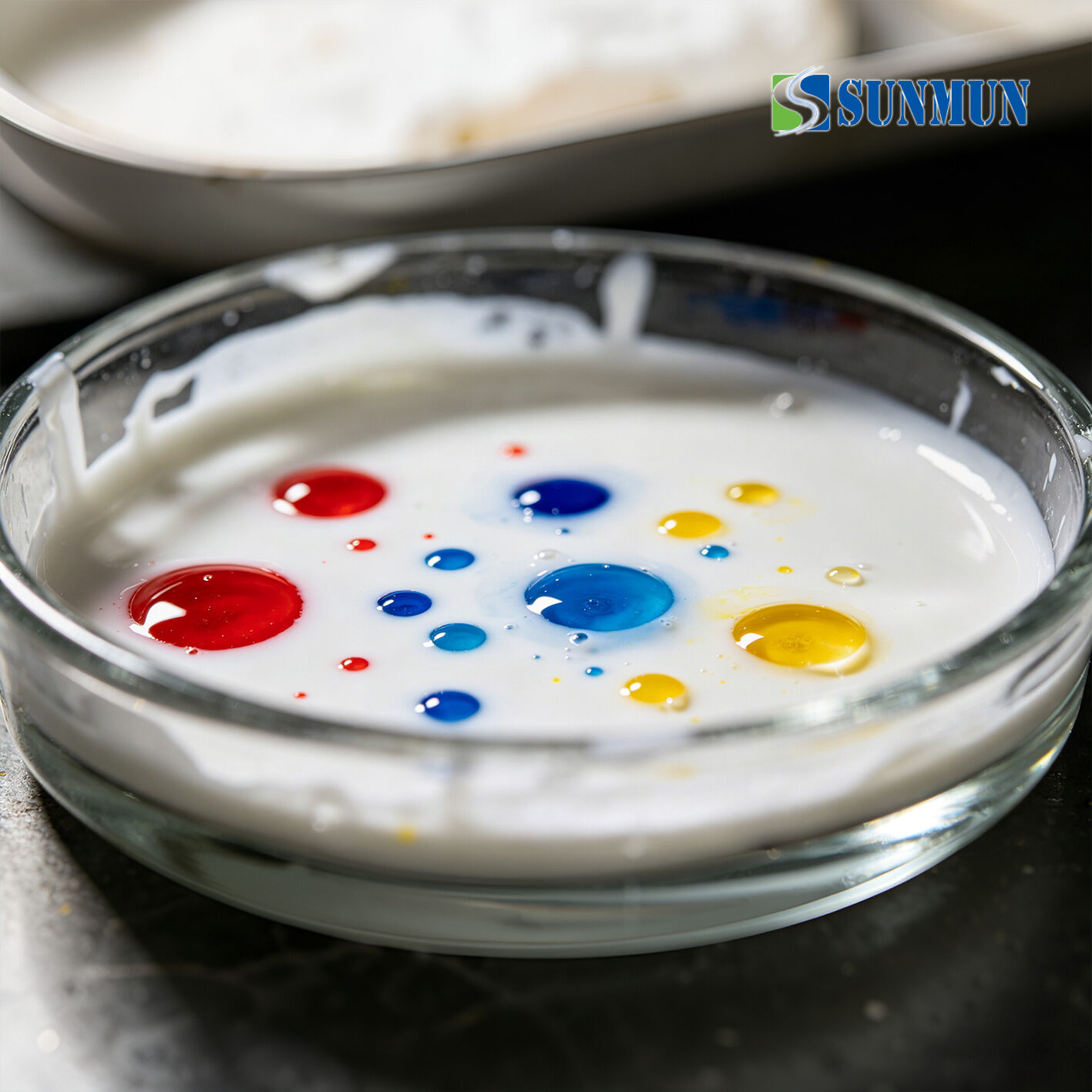
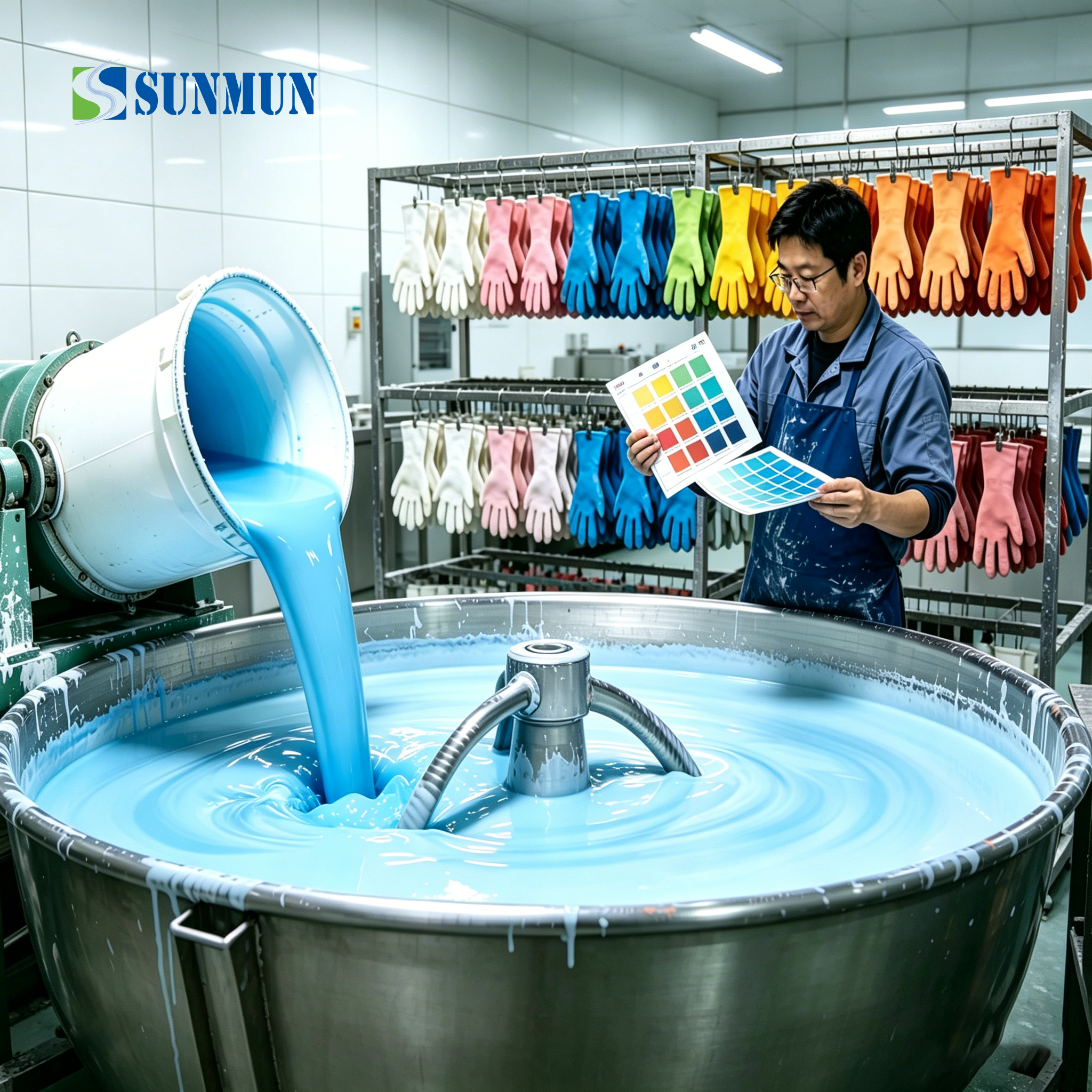
The remarkable versatility of colorant liquid stems from its unique formulation that ensures compatibility across an extensive range of industrial applications and material types, making it an invaluable solution for diverse manufacturing environments. This compatibility is achieved through careful selection of carrier solvents and binding agents that interact favorably with various substrate materials without compromising their inherent properties or performance characteristics. The broad applicability spans from delicate textile fibers to robust industrial coatings, demonstrating the adaptive nature of modern colorant liquid technology. In textile applications, the colorant liquid penetrates natural and synthetic fibers uniformly, creating vibrant colors that withstand repeated washing cycles and maintain their brilliance over extended periods. The formulation respects the unique properties of different fiber types, whether cotton, wool, polyester, or specialty fabrics, ensuring optimal color uptake without affecting texture, durability, or comfort characteristics. For plastic and polymer applications, the colorant liquid integrates seamlessly with various resin systems during processing, creating homogeneous color distribution throughout the finished product without introducing weak points or compromising structural integrity. The compatibility extends to challenging applications such as high-temperature processing environments where traditional colorants may degrade or cause processing difficulties. In coating and paint applications, colorant liquid blends effortlessly with different binder systems, including water-based, solvent-based, and specialty formulations, providing formulators with unprecedented flexibility in creating custom color solutions. The chemical compatibility ensures that the final coating maintains its protective properties while achieving the desired aesthetic appearance. Food and cosmetic applications benefit from formulations that meet stringent safety and regulatory requirements while delivering the visual appeal demanded by consumers. The versatility also extends to emerging applications such as 3D printing materials, smart textiles, and advanced composite materials, positioning colorant liquid as a future-ready solution for evolving industrial needs. This broad compatibility reduces the need for multiple colorant systems, simplifying inventory management and reducing training requirements for production personnel. The unified approach to coloring different materials also enables manufacturers to standardize their color matching procedures and quality control processes across various product lines.
 ×
×


 EN
EN