Advanced Colour Dispersion Technology: Superior Color Consistency and Quality Control Solutions

Get a Free Quote

Our representative will contact you soon.
Email
Company Name
Mobile/WhatsApp
Interest of Products
Message
0/1000

colour dispersion

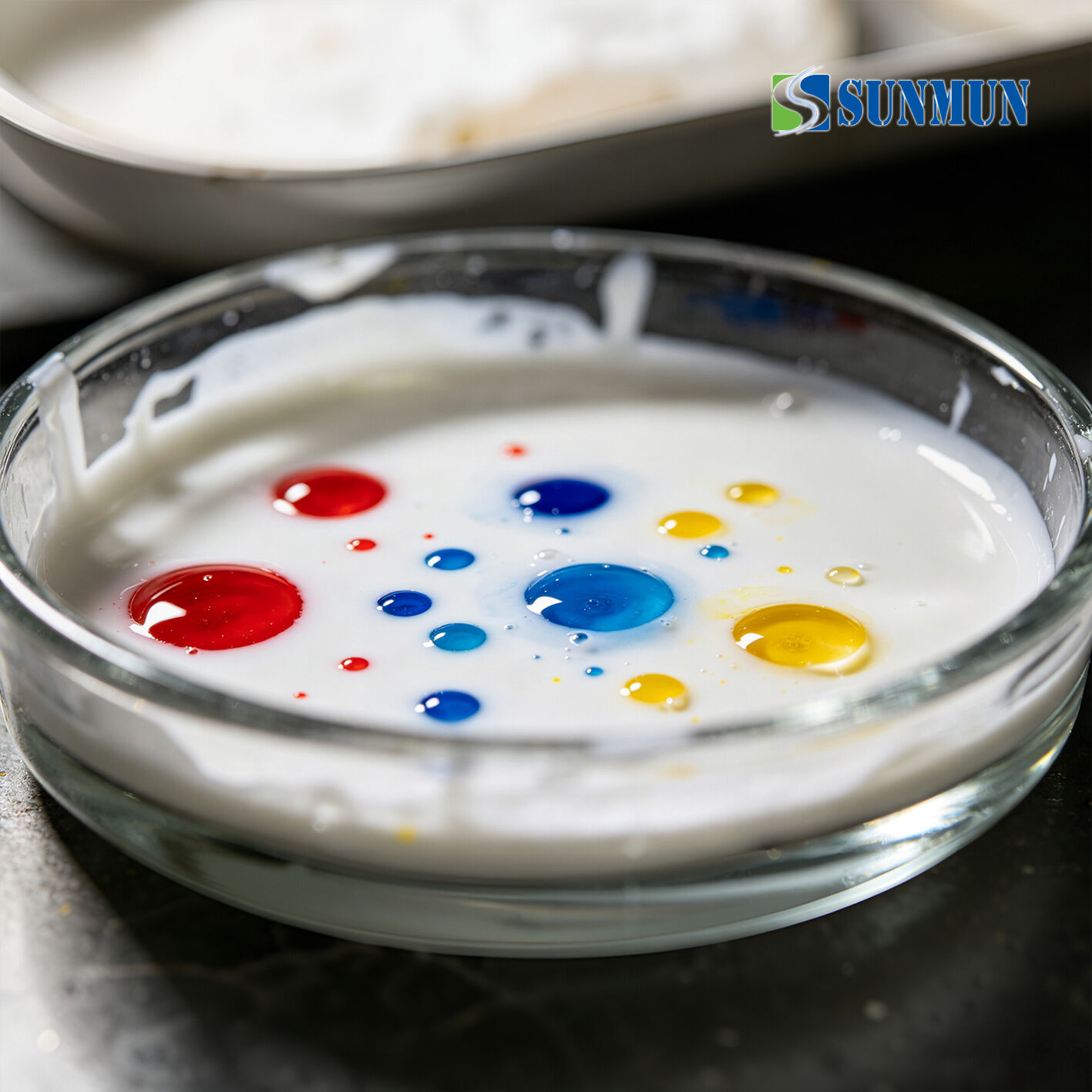
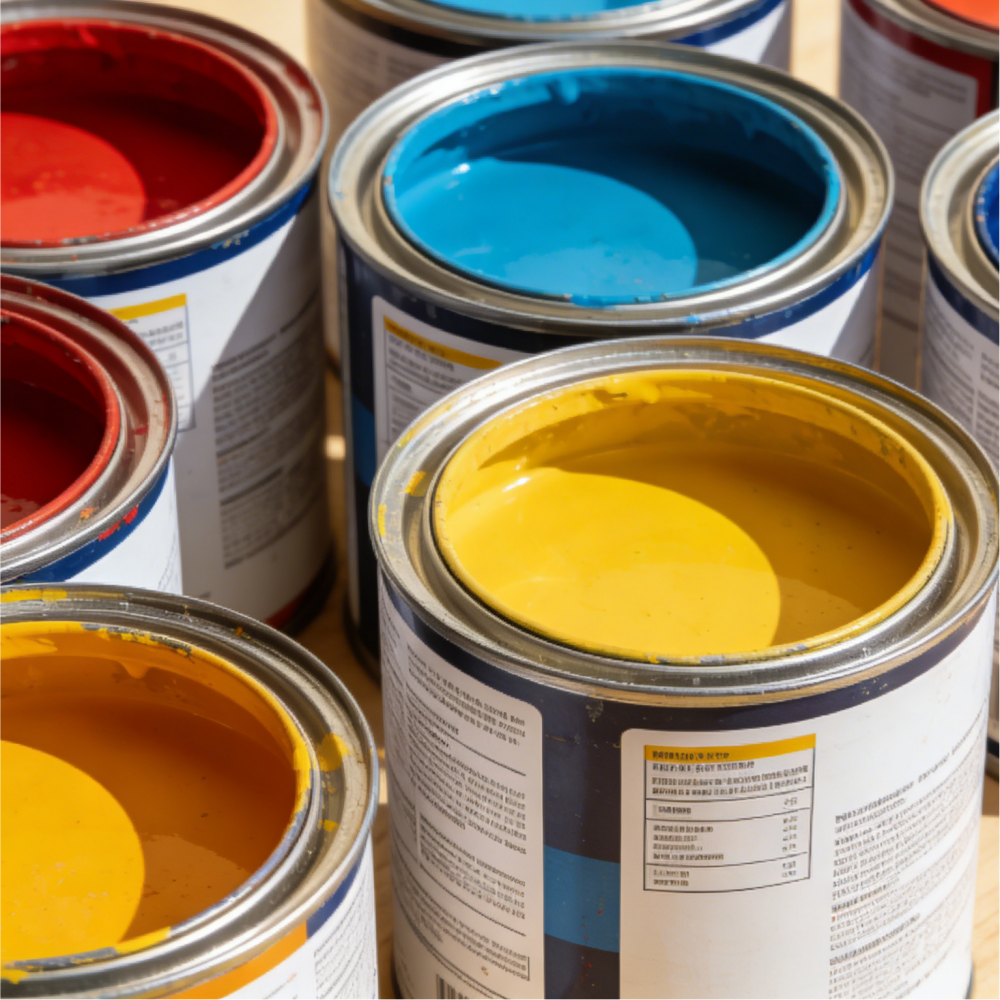
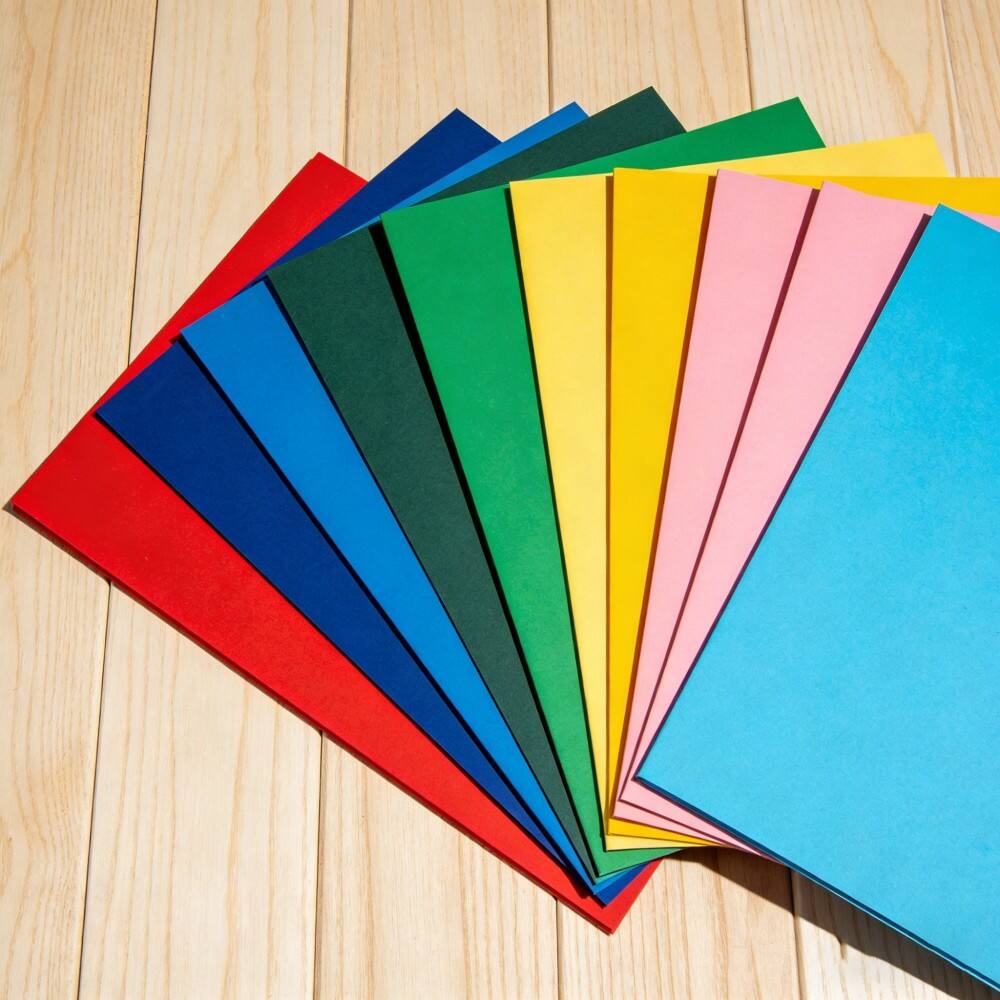
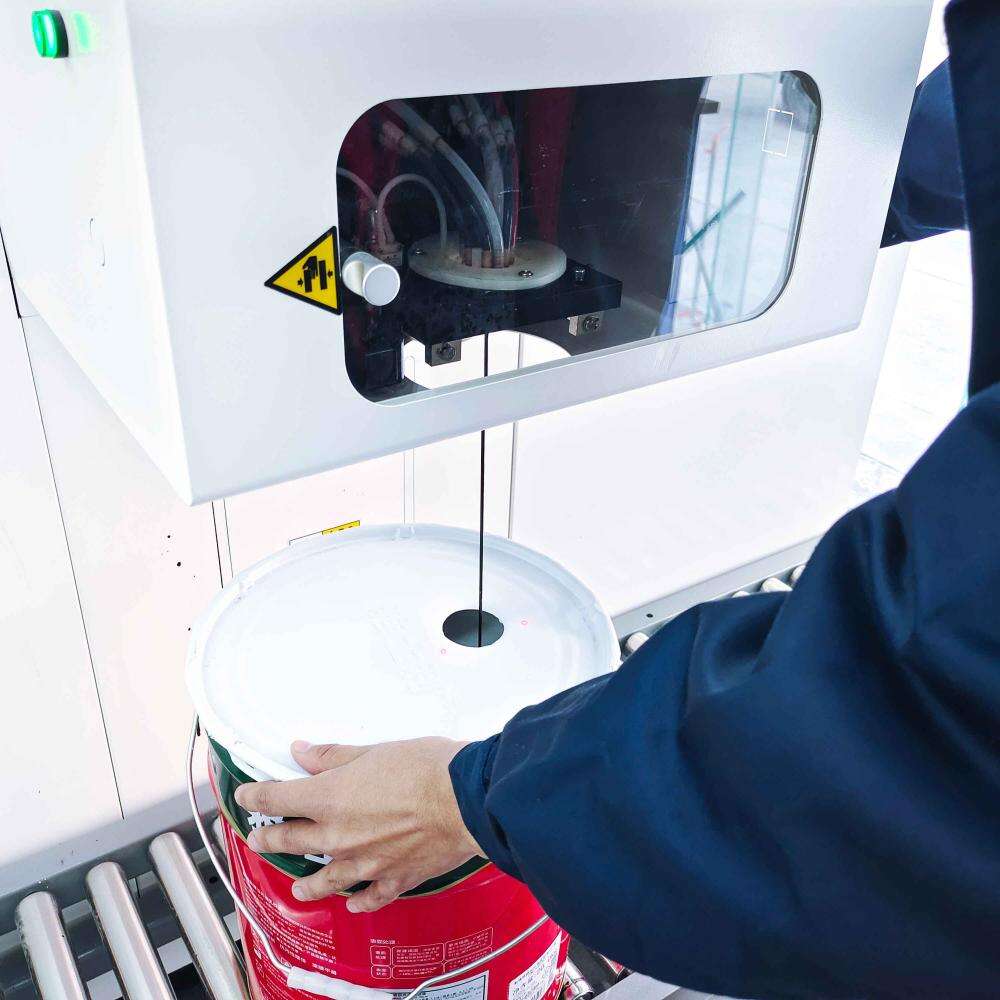
Colour dispersion represents a revolutionary approach to achieving uniform and consistent color distribution across various materials and substrates. This advanced technology combines precision engineering with innovative chemical formulations to deliver exceptional color consistency in manufacturing processes. At its core, colour dispersion involves the systematic breakdown and even distribution of pigments or dyes within a carrier medium, ensuring that every particle contributes to the final color outcome. The main functions of colour dispersion include enhancing color vibrancy, improving opacity, reducing settling, and providing long-lasting color stability. Modern colour dispersion systems utilize sophisticated mixing technologies that create homogeneous blends through controlled shear forces and temperature management. The technological features encompass automated dosing systems, real-time monitoring capabilities, and adaptive mixing parameters that respond to different material properties. These systems incorporate high-speed dispersers, bead mills, and ultrasonic technology to achieve particle sizes that maximize color efficiency. Applications span numerous industries including plastics manufacturing, textile production, paint formulation, cosmetics development, and food coloring. In plastic manufacturing, colour dispersion ensures consistent coloration throughout injection molding processes, eliminating streaking and color variations. Textile applications benefit from even dye penetration and wash-fastness properties. Paint manufacturers rely on colour dispersion for superior coverage and durability. The technology also plays a crucial role in automotive coatings, architectural finishes, and specialty applications requiring precise color matching. Advanced colour dispersion systems feature computerized controls that maintain optimal processing conditions, reducing waste and improving quality consistency. These systems can handle various viscosities and accommodate different pigment types, from organic colorants to metallic effects and fluorescent materials.

New Product Releases

The primary advantage of colour dispersion lies in its ability to deliver exceptional color consistency across large production runs, eliminating the costly variations that plague traditional mixing methods. This consistency translates directly into reduced waste, lower rejection rates, and improved customer satisfaction. Manufacturers using colour dispersion technology report up to 90% reduction in color-related quality issues, significantly improving their bottom line. The technology offers superior pigment utilization, meaning less colorant is required to achieve desired results, leading to substantial cost savings over time. Unlike conventional methods that often result in incomplete mixing and color streaking, colour dispersion creates homogeneous blends that maintain their properties throughout the manufacturing process. Processing efficiency increases dramatically as colour dispersion systems operate faster than traditional mixing equipment while requiring less manual intervention. This automation reduces labor costs and minimizes human error, creating more predictable production schedules. The technology provides excellent batch-to-batch repeatability, crucial for maintaining brand standards and meeting customer specifications. Quality control becomes more manageable as colour dispersion produces measurable and predictable results that can be monitored and adjusted in real-time. Environmental benefits include reduced solvent usage and lower emissions compared to conventional coloring methods. The precise nature of colour dispersion minimizes overspray and material waste, contributing to sustainable manufacturing practices. Flexibility represents another significant advantage, as modern colour dispersion systems can quickly switch between different colors and formulations without extensive cleaning procedures. This capability enables shorter production runs and faster response to market demands. Storage stability improves significantly with properly dispersed colorants, reducing inventory losses and extending shelf life. The technology accommodates various application methods including spray coating, dip coating, and brush application without compromising color integrity. Maintenance requirements are typically lower than traditional systems due to reduced component wear and automated cleaning cycles. Training requirements are minimal as modern colour dispersion equipment features intuitive interfaces and preset programs for common applications. Return on investment often occurs within the first year of operation through reduced material costs, improved efficiency, and decreased quality issues.

Latest News

Sunmun Subsidiary Named

12

Mar

Sunmun Subsidiary Named "Jiangsu Provincial Green Factory", Advancing Sustainable Colorant Production

View More
Sunmun’s Water-Based Color Paste for Viscose Fiber Dope Dyeing Wins “Jiangsu Premium Product” Certification 2025

16

Mar

Sunmun’s Water-Based Color Paste for Viscose Fiber Dope Dyeing Wins “Jiangsu Premium Product” Certification 2025

View More
Sunmun Deepens Southeast Asia Presence with Eco-Friendly Colorants at Pacific Coatings Show 2025

16

Mar

Sunmun Deepens Southeast Asia Presence with Eco-Friendly Colorants at Pacific Coatings Show 2025

View More
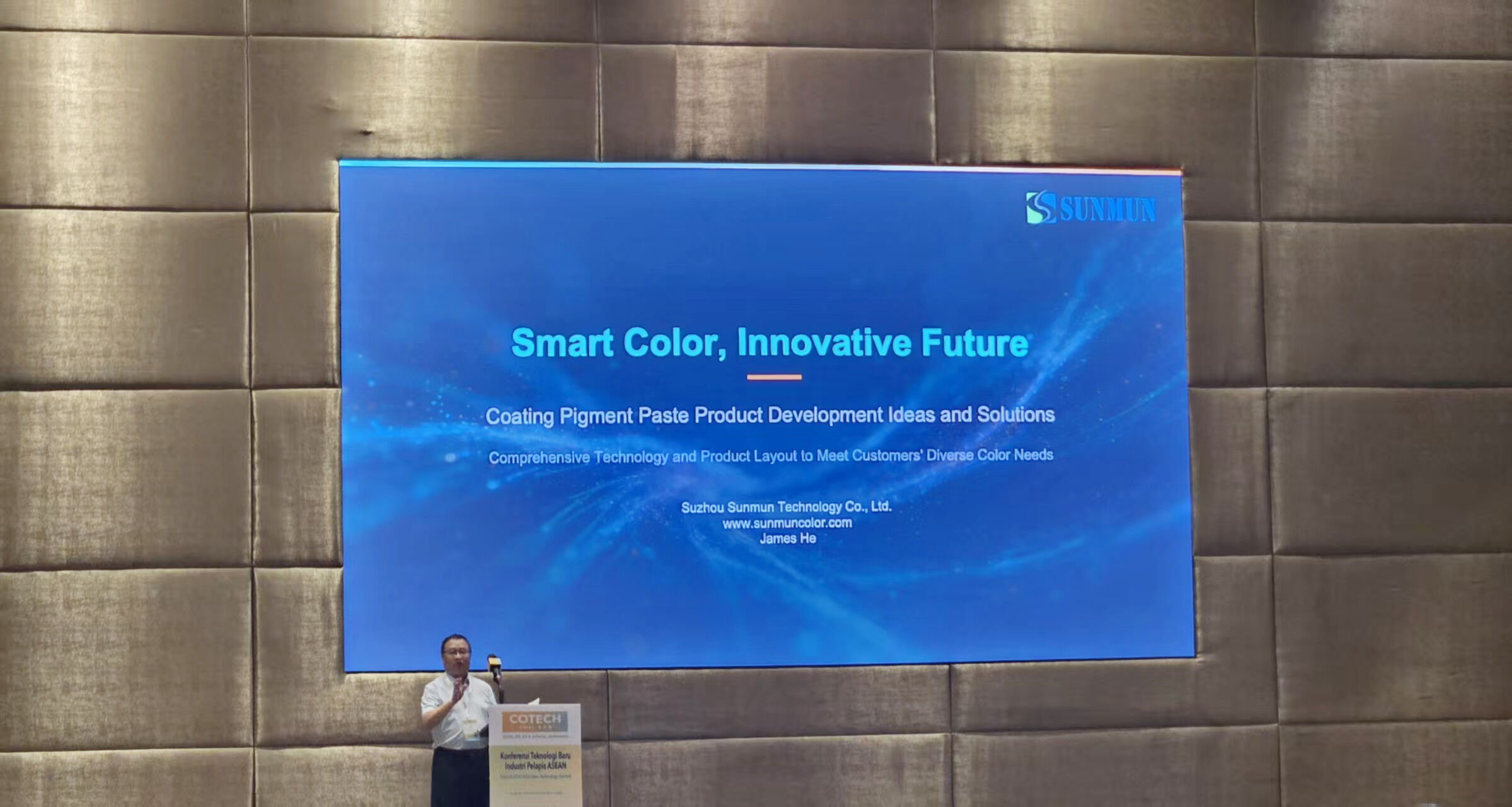
SUNMUN Technology Shines at ASEAN Advanced Coatings Technology Forum in Indonesia

28

Apr

SUNMUN Technology Shines at ASEAN Advanced Coatings Technology Forum in Indonesia

View More

Get a Free Quote

Our representative will contact you soon.
Email
Company Name
Mobile/WhatsApp
Interest of Products
Message
0/1000

colour dispersion

Advanced Particle Size Control Technology

Advanced Particle Size Control Technology

The cornerstone of effective colour dispersion lies in precise particle size control, which directly impacts color strength, transparency, and overall performance characteristics. Modern colour dispersion systems employ sophisticated milling technologies that can achieve particle sizes ranging from nanometers to micrometers, depending on specific application requirements. This level of control is crucial because particle size determines how light interacts with the colorant, affecting both visual appearance and functional properties. Smaller particles typically provide higher color strength and better transparency, while larger particles may offer specific optical effects or improved durability. The technology utilizes advanced bead mills equipped with ceramic or steel grinding media that operate at controlled speeds and temperatures to prevent thermal degradation of sensitive colorants. Real-time particle size monitoring ensures consistent results throughout the production process, with automatic adjustments maintaining optimal parameters. This precision eliminates the guesswork associated with traditional mixing methods and provides reproducible results batch after batch. The ability to control particle size also enables formulators to optimize colorant loading, reducing overall material costs while maintaining desired performance characteristics. In applications requiring specific rheological properties, particle size control helps achieve the proper flow characteristics and application behavior. The technology accommodates various colorant types, from inorganic pigments that require aggressive milling to organic dyes that need gentle processing to preserve their chemical structure. Quality control becomes more precise as particle size distribution can be measured and documented, providing traceable data for regulatory compliance and customer specifications. This advanced control capability extends product shelf life by preventing agglomeration and settling that commonly occur with poorly dispersed colorants. Manufacturing flexibility increases as different particle size profiles can be achieved from the same base colorant, enabling customization for specific customer requirements without inventory multiplication.
Real-Time Color Matching and Monitoring Systems

Real-Time Color Matching and Monitoring Systems

Revolutionary real-time color matching and monitoring systems transform colour dispersion from a reactive to a proactive process, enabling immediate corrections and maintaining precise color standards throughout production. These sophisticated systems integrate spectrophotometry with advanced software algorithms to continuously analyze color properties and automatically adjust dispersion parameters when deviations are detected. The technology eliminates the traditional reliance on visual color assessment, which is subjective and prone to human error, replacing it with objective measurements that ensure consistent results. Digital color sensors positioned strategically throughout the dispersion process provide continuous feedback, creating a closed-loop control system that maintains color accuracy within extremely tight tolerances. This capability is particularly valuable in industries where color matching is critical, such as automotive coatings, where slight variations can result in costly rework or customer rejection. The monitoring systems store color data from every batch, creating comprehensive databases that enable trend analysis and predictive maintenance. Machine learning algorithms analyze historical data to predict potential color drift before it occurs, allowing preventive adjustments that maintain quality while reducing waste. Integration with enterprise resource planning systems provides real-time production data, enabling better inventory management and production scheduling. The technology supports various color spaces including CIELAB, RGB, and industry-specific standards, ensuring compatibility with customer specifications and quality requirements. Remote monitoring capabilities allow technical support teams to diagnose issues and provide assistance without on-site visits, reducing downtime and maintenance costs. Automated reporting generates detailed documentation for quality assurance, regulatory compliance, and customer verification. The systems can store thousands of color formulations and instantly recall them for repeat orders, eliminating reformulation time and ensuring consistent results. Advanced alarm systems immediately alert operators to any deviations, enabling quick corrective action before defective products are produced.
Multi-Component Compatibility and Versatility

Multi-Component Compatibility and Versatility

The exceptional versatility of modern colour dispersion technology lies in its ability to accommodate diverse colorant types and carrier systems while maintaining optimal performance across varied application requirements. This multi-component compatibility eliminates the need for multiple specialized systems, providing significant cost savings and operational simplification for manufacturers. The technology seamlessly handles organic and inorganic pigments, dyes, metallic effects, pearlescent materials, and specialty additives within the same system configuration. Advanced dispersing agents and compatibility enhancers ensure that different colorant chemistries work harmoniously without adverse interactions that could compromise color quality or stability. This versatility extends to carrier systems, accommodating water-based, solvent-based, and 100% solids formulations with appropriate parameter adjustments. The ability to process various viscosity ranges from low-viscosity inks to high-viscosity pastes makes the technology suitable for diverse applications including coatings, plastics, textiles, and printing inks. Automated cleaning systems enable rapid changeovers between different colorant types and formulations, minimizing downtime and preventing cross-contamination. This capability is particularly valuable for custom color manufacturers who must frequently switch between different products. The technology incorporates modular design principles, allowing system configuration to match specific production requirements and enabling future expansion or modification as needs evolve. Temperature control systems ensure optimal processing conditions for heat-sensitive materials while providing the energy input necessary for challenging dispersions. pH monitoring and adjustment capabilities maintain optimal chemical environments for different colorant systems, preventing degradation and ensuring consistent performance. The versatility extends to packaging options, with systems capable of producing everything from small laboratory samples to large-scale production batches without compromising quality or efficiency. Integration capabilities allow the colour dispersion system to work seamlessly with existing production equipment, minimizing facility modifications and installation costs. Quality assurance protocols automatically adjust testing parameters based on the colorant type and application requirements, ensuring appropriate validation for each product category.

Get a Free Quote

Our representative will contact you soon.
Email
Company Name
Mobile/WhatsApp
Interest of Products
Message
0/1000