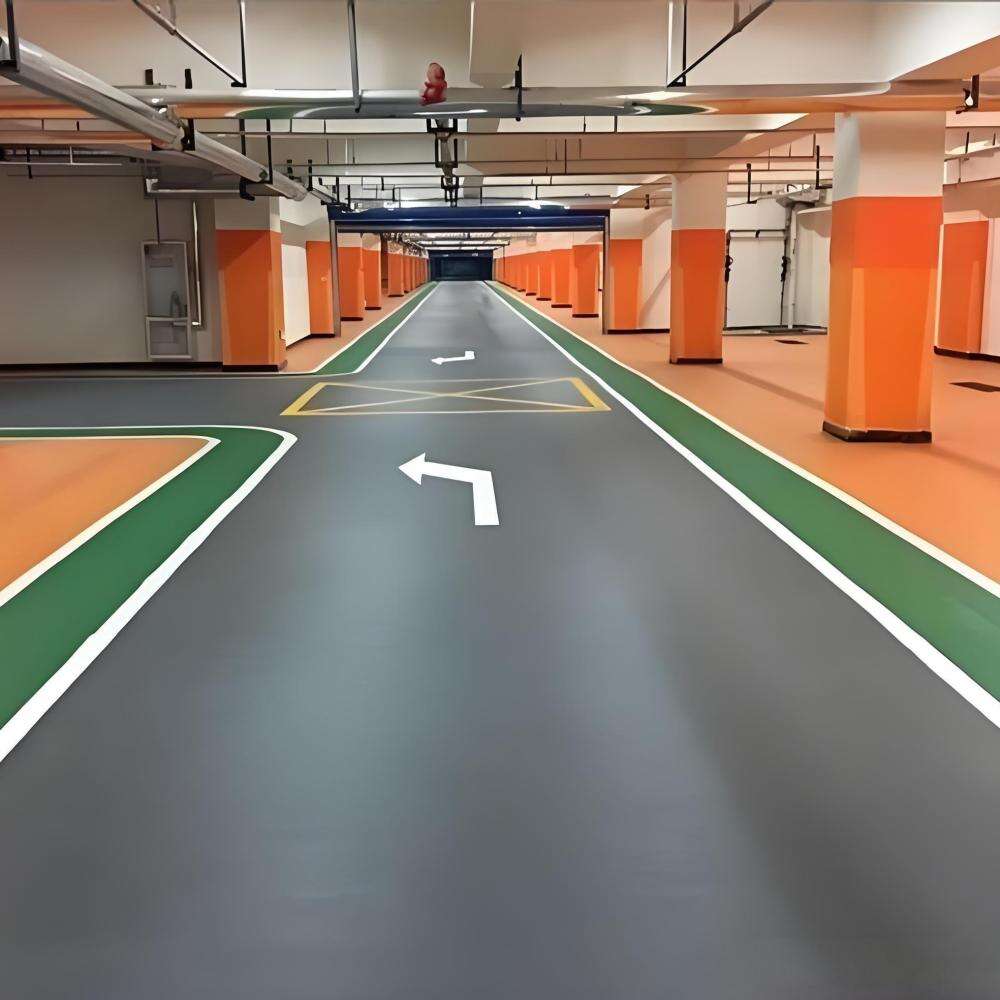
Application-Specific Formulation Flexibility
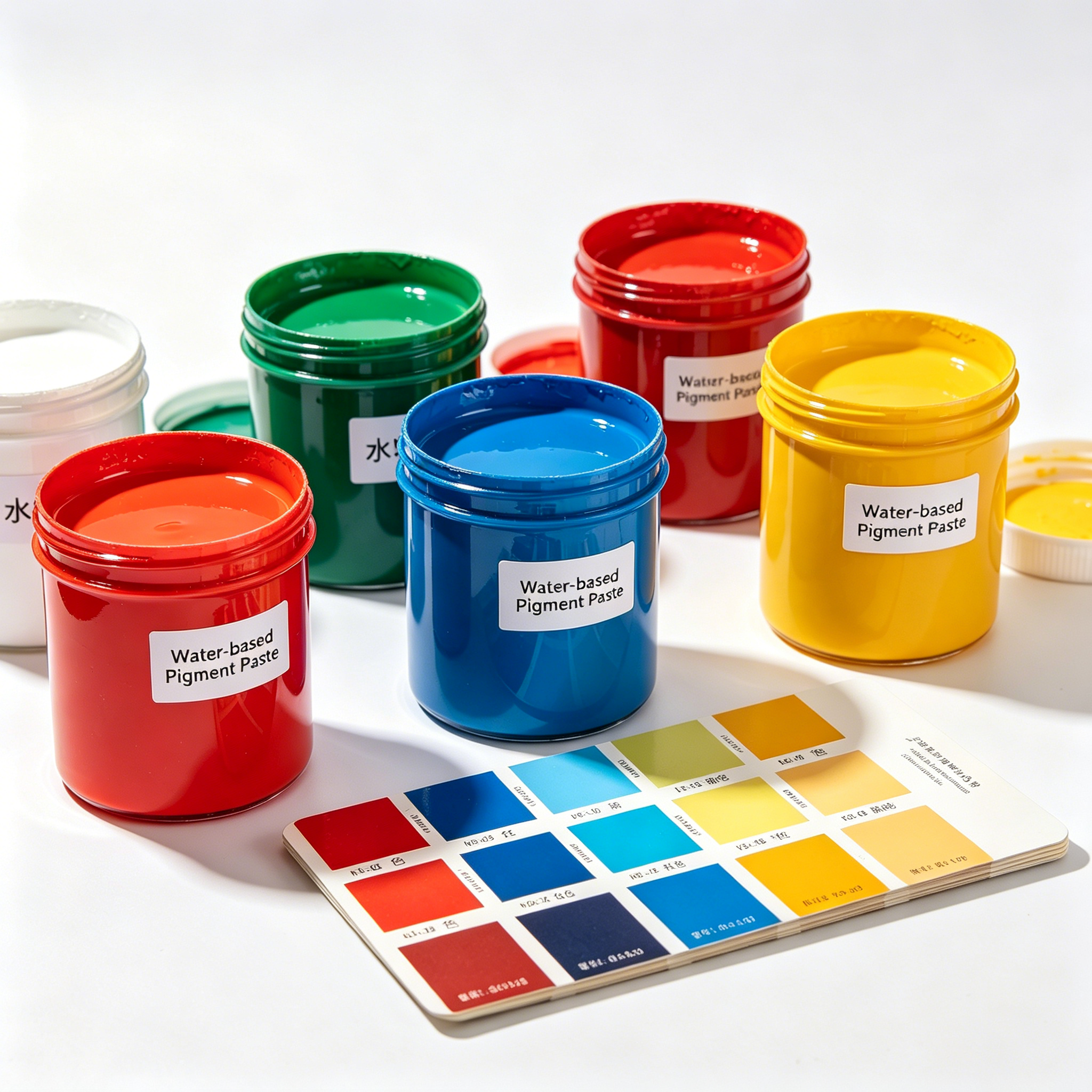
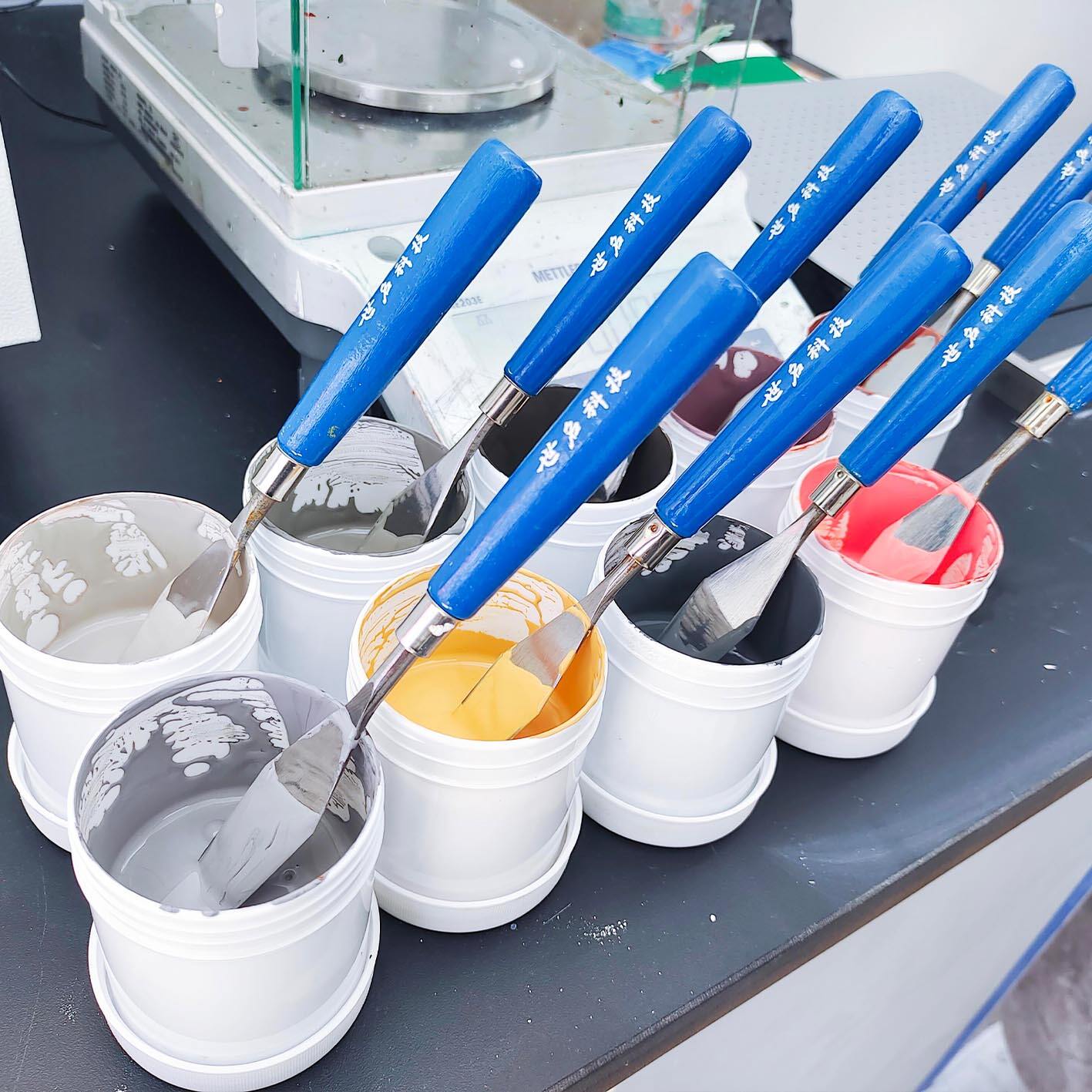
The application-specific formulation flexibility of custom pigment dispersion represents a paradigm shift from one-size-fits-all solutions to precisely engineered systems that optimize performance for specific manufacturing processes and end-use requirements. This flexibility begins with comprehensive analysis of the target application including substrate compatibility, processing conditions, performance requirements, and regulatory constraints that must be satisfied. Formulation scientists then design custom solutions that address these specific parameters while maximizing color performance and processing efficiency. The flexibility extends to carrier system selection, where water-based, solvent-based, or specialty carriers can be chosen based on compatibility requirements, environmental considerations, and performance needs. Rheological properties can be tailored to match specific application methods whether spray application, brush application, dip coating, or printing processes, ensuring optimal flow and leveling characteristics for each method. Particle size distribution optimization enables formulation of dispersions that provide the exact balance of opacity, transparency, and surface smoothness required for each application. For automotive coatings, formulations can be designed to provide metallic effects and multi-layer compatibility while meeting stringent durability requirements. Architectural applications benefit from formulations optimized for hiding power, scrub resistance, and fade protection. Industrial coatings can incorporate specialized properties such as chemical resistance, high-temperature stability, or electrical conductivity as required. The flexibility also encompasses environmental and regulatory compliance, with formulations designed to meet specific VOC limits, heavy metal restrictions, or biodegradability requirements for different markets. Processing optimization represents another dimension of flexibility, with formulations designed to work efficiently with existing manufacturing equipment and processes, minimizing the need for costly equipment modifications or process changes. Temperature sensitivity can be engineered to match processing requirements, whether high-temperature curing or ambient temperature applications. Compatibility with other formulation components including resins, additives, and catalysts is carefully engineered to prevent interactions that could compromise performance. This comprehensive flexibility enables manufacturers to achieve optimal results in their specific applications while maintaining cost efficiency and processing simplicity. The collaborative approach to formulation development ensures that customer expertise and requirements are fully integrated into the final product, creating solutions that deliver superior performance in real-world applications.
 ×
×



 EN
EN