Versatile Fabric Compatibility
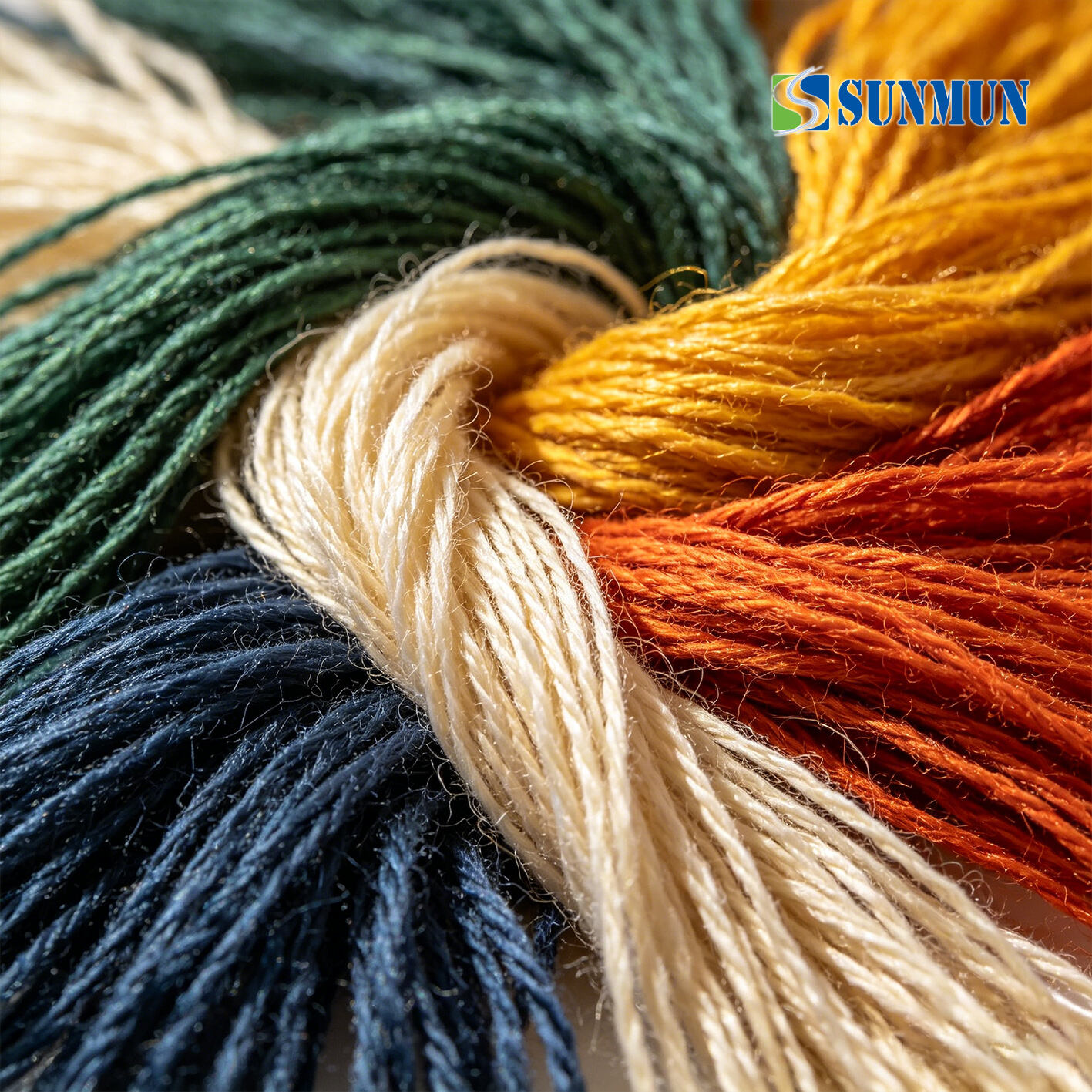
Versatile fabric compatibility represents one of the most significant advantages of textile pigment dispersion, offering manufacturers unprecedented flexibility to work with diverse fiber types and fabric constructions without compromising coloring quality or requiring specialized equipment modifications. This universal compatibility extends across natural fibers including cotton, linen, wool, and silk, as well as synthetic materials such as polyester, nylon, acrylic, and advanced technical fibers used in performance applications. The adaptability stems from the unique molecular structure of textile pigment dispersion that forms effective bonds with different fiber chemistries through multiple interaction mechanisms, ensuring consistent results regardless of substrate composition. Blended fabrics benefit particularly from this versatility as the dispersion technology accommodates varying fiber ratios within single textile constructions, achieving uniform coloration across components with different chemical properties. This capability eliminates the complex multi-stage processes previously required for blended materials, reducing production costs and simplifying manufacturing procedures. Cotton-polyester blends, commonly used in apparel and home textiles, achieve excellent color uniformity through single-application procedures that previously required separate treatment protocols for each fiber component. The technology adapts effectively to various fabric weights and constructions, from lightweight chiffons and delicate laces to heavy-duty canvas and technical textiles used in industrial applications. Knitted fabrics with complex three-dimensional structures receive complete color penetration throughout their thickness, ensuring consistent appearance from all viewing angles. Woven textiles benefit from the dispersion's ability to reach intersecting fiber points where traditional dyes often create uneven coloration patterns. The compatibility extends to specialized treatments and finishes, allowing textile pigment dispersion to work effectively with water-repellent coatings, flame-retardant treatments, and antimicrobial finishes without interfering with their performance characteristics. This integration capability enables manufacturers to offer value-added products that combine superior coloration with enhanced functional properties. Research facilities conducting fabric development projects appreciate the versatility as it eliminates concerns about color compatibility when working with experimental fiber compositions and innovative textile constructions, accelerating product development timelines and reducing testing requirements.
 ×
×

 EN
EN