usambazaji wa rangi ya kivuli
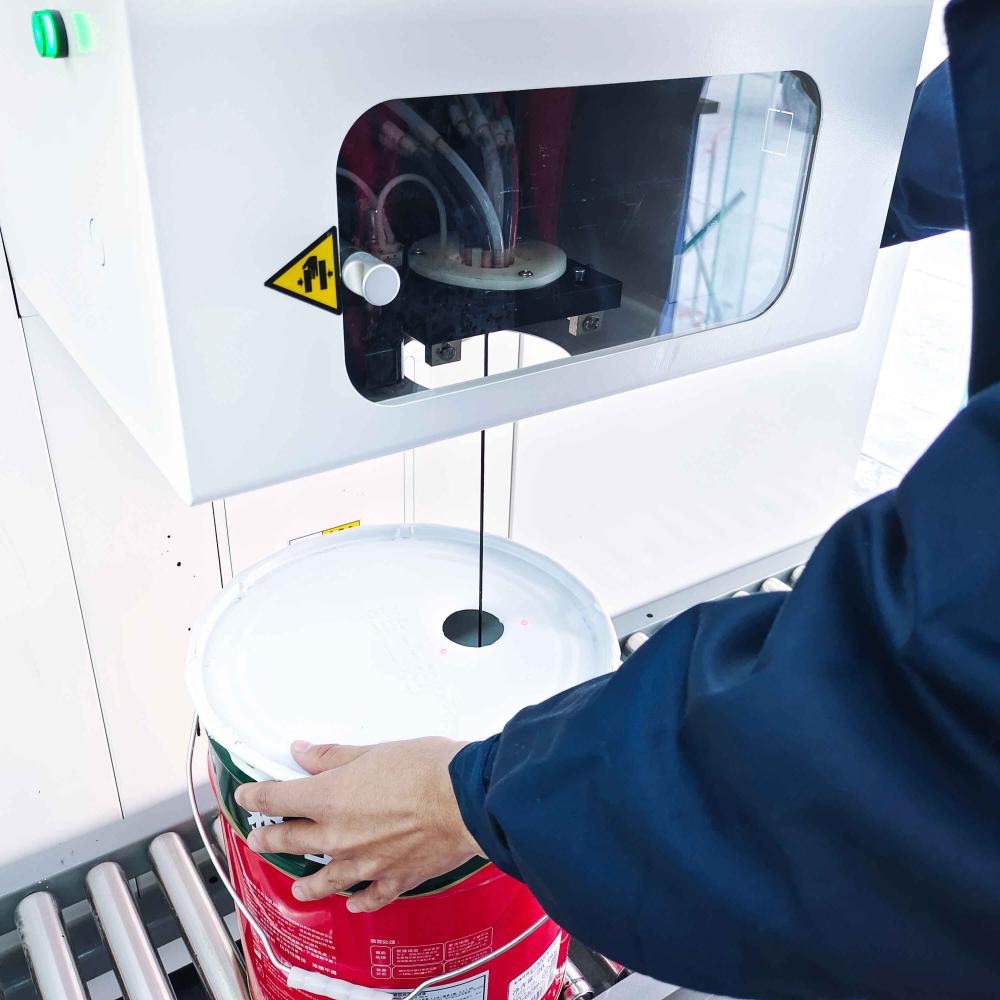
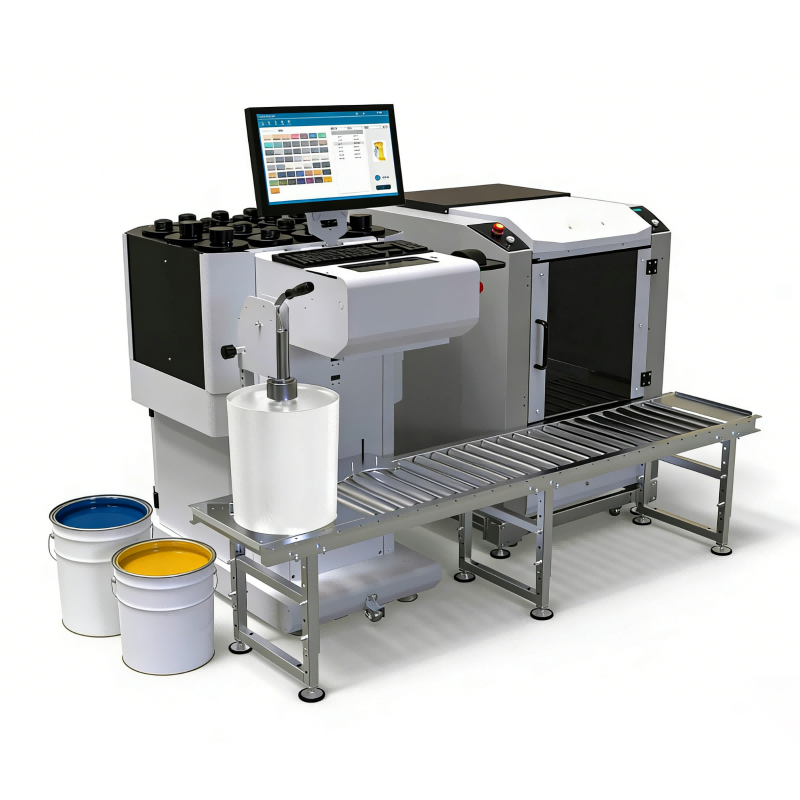
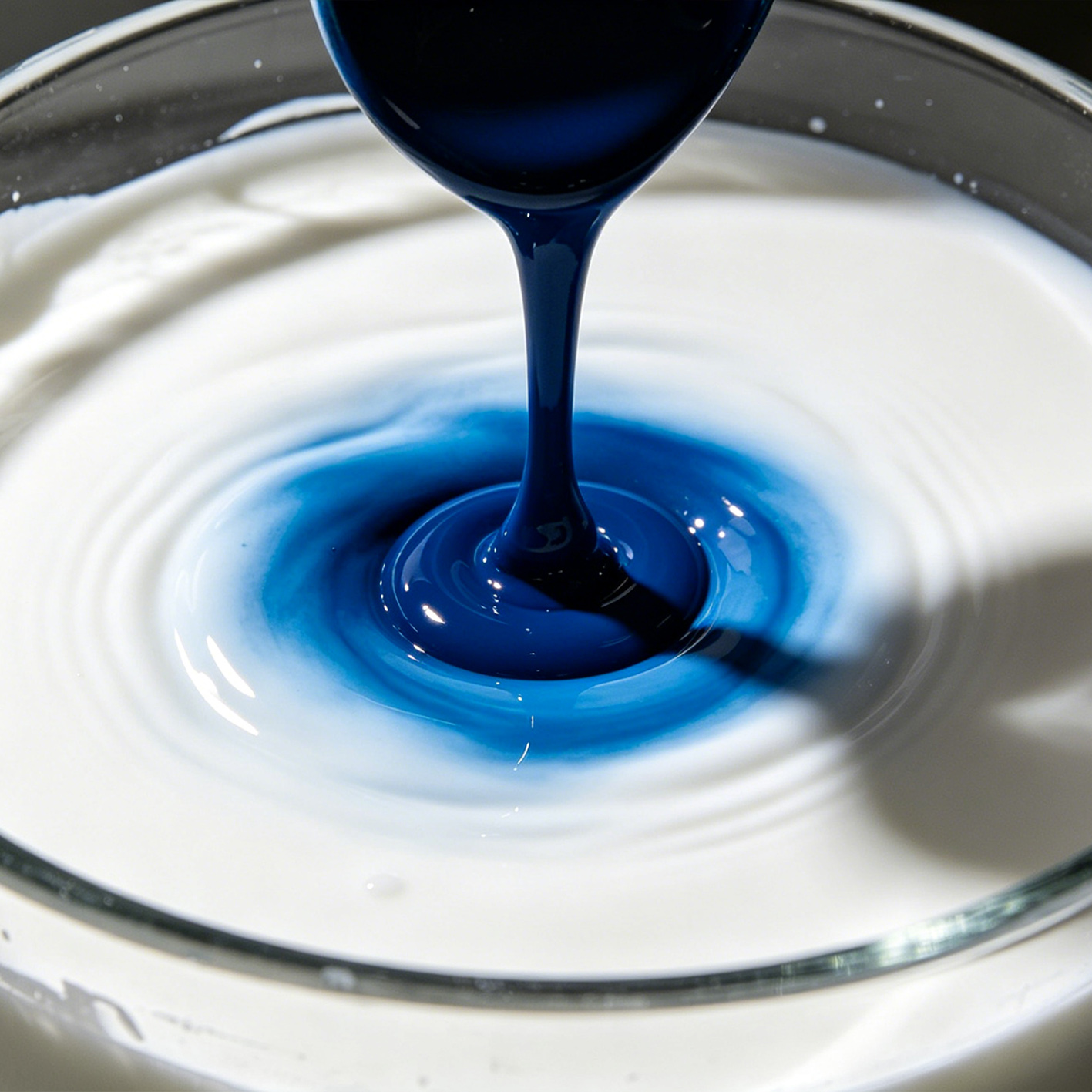
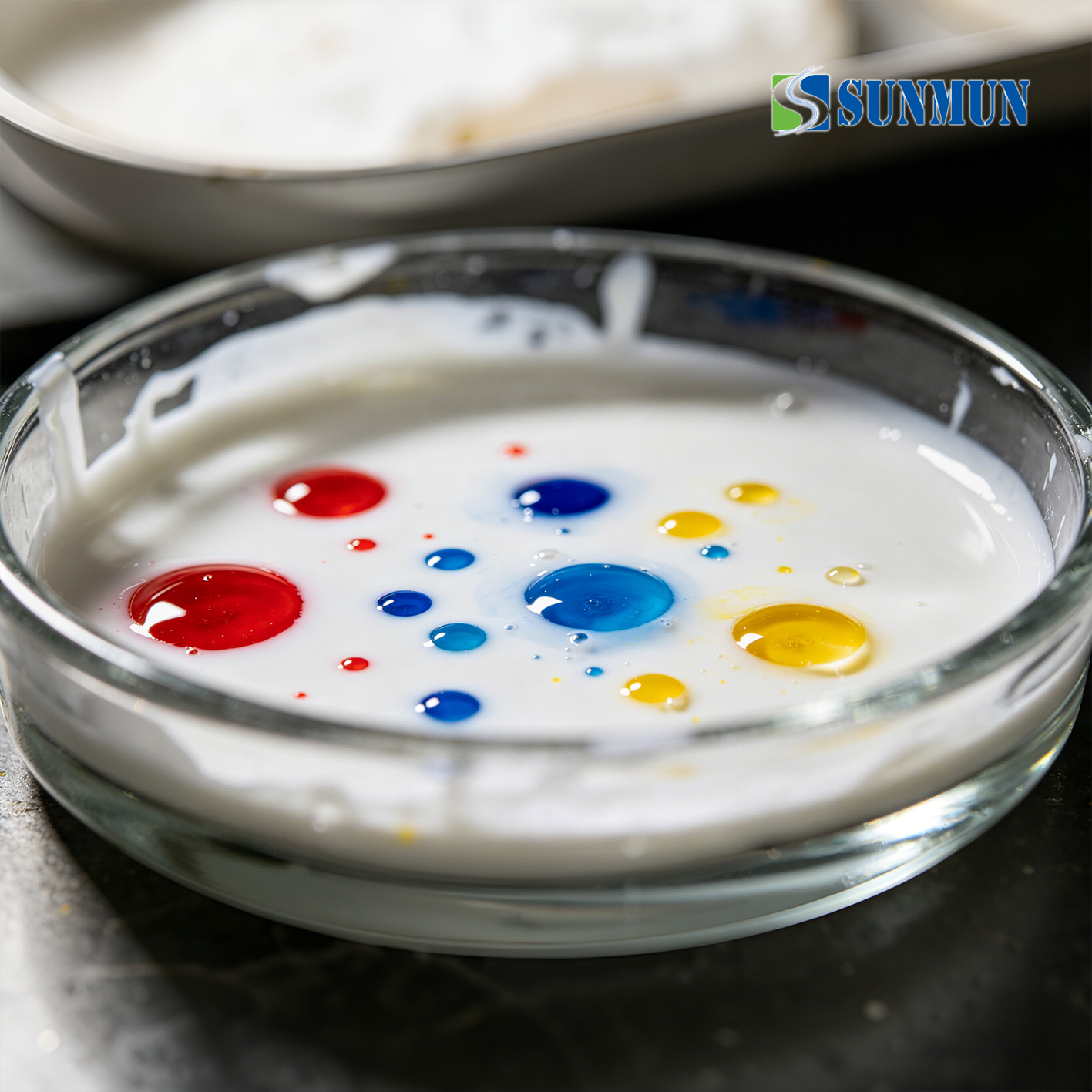
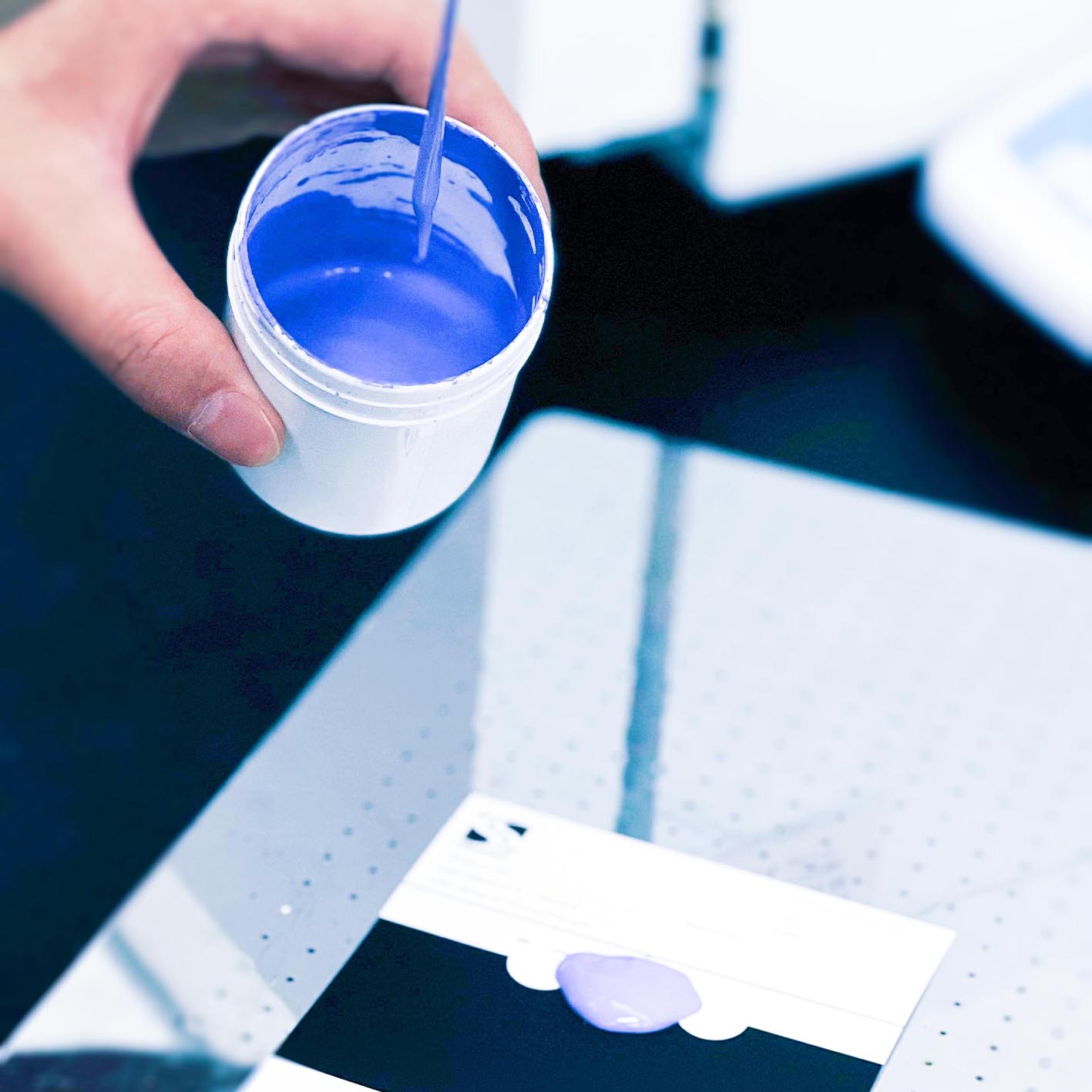
Utawanyiko wa rangi ya kioevu unawakilisha maendeleo ya mapinduzi katika teknolojia ya rangi, na kuwapa watengenezaji na watengenezaji suluhisho bora la kufikia rangi thabiti na angavu katika matumizi mbalimbali. Mfumo huu tata wa kuchorea una chembe za rangi zilizosagwa vizuri zilizosimamishwa sawasawa katika chombo cha kubeba rangi ya kioevu, na kuunda uundaji thabiti, tayari kutumika ambao huondoa ugumu unaohusishwa na utunzaji wa rangi kavu wa kitamaduni. Kazi kuu ya utawanyiko wa rangi ya kioevu inazingatia kutoa utendaji bora wa rangi huku ikirahisisha michakato ya uzalishaji na kuongeza ubora wa jumla wa bidhaa. Tofauti na rangi za kawaida za unga zinazohitaji vifaa vingi vya kuchanganya na kutawanya, utawanyiko wa rangi ya kioevu huunganishwa kwa urahisi katika mtiririko wa kazi wa utengenezaji, kupunguza muda wa usindikaji na kupunguza upotevu. Msingi wa kiteknolojia wa utawanyiko wa rangi ya kioevu hutegemea mbinu za hali ya juu za kupunguza ukubwa wa chembe na mbinu maalum za uthabiti ambazo zinahakikisha utulivu wa muda mrefu na maendeleo bora ya rangi. Mifumo ya kisasa ya utawanyiko hutumia michakato ya kusaga yenye nishati nyingi pamoja na mawakala wa utawanyiko waliochaguliwa kwa uangalifu ili kufikia ukubwa wa chembe kwa kawaida kuanzia nanomita 50 hadi 200, na kusababisha nguvu na uwazi wa kipekee wa rangi. Mfumo wa kubeba rangi ya kioevu sio tu unadumisha usimamishwaji wa rangi lakini pia hurahisisha utunzaji rahisi, kipimo sahihi, na usambazaji sare katika matrix ya mwisho ya bidhaa. Hatua za udhibiti wa ubora zilizowekwa ndani ya uzalishaji wa utawanyiko wa rangi ya kioevu ni pamoja na itifaki kali za upimaji kwa uthabiti wa rangi, uthabiti wa mnato, na utangamano na vifaa mbalimbali vya msingi. Matumizi ya utawanyiko wa rangi ya kioevu yanahusisha viwanda vingi, ikiwa ni pamoja na rangi na mipako, utengenezaji wa plastiki, uchapishaji wa nguo, uundaji wa vipodozi, na uzalishaji maalum wa kemikali. Katika mipako ya usanifu, utawanyiko wa rangi ya kioevu huwezesha ulinganisho sahihi wa rangi na hupunguza muda wa uundaji kwa kiasi kikubwa. Watengenezaji wa plastiki hufaidika na ubora ulioboreshwa wa utawanyiko na halijoto iliyopunguzwa ya usindikaji, huku matumizi ya nguo yakifikia uthabiti ulioboreshwa wa kuosha na uchangamfu wa rangi. Utofauti wa utawanyiko wa rangi ya kioevu unaenea hadi mifumo inayotegemea maji na kiyeyusho, na kuifanya iweze kutumika ndani na nje ambapo uimara na uhifadhi wa rangi ni mahitaji muhimu ya utendaji.



 EN
EN