תואם למספר בסיסים
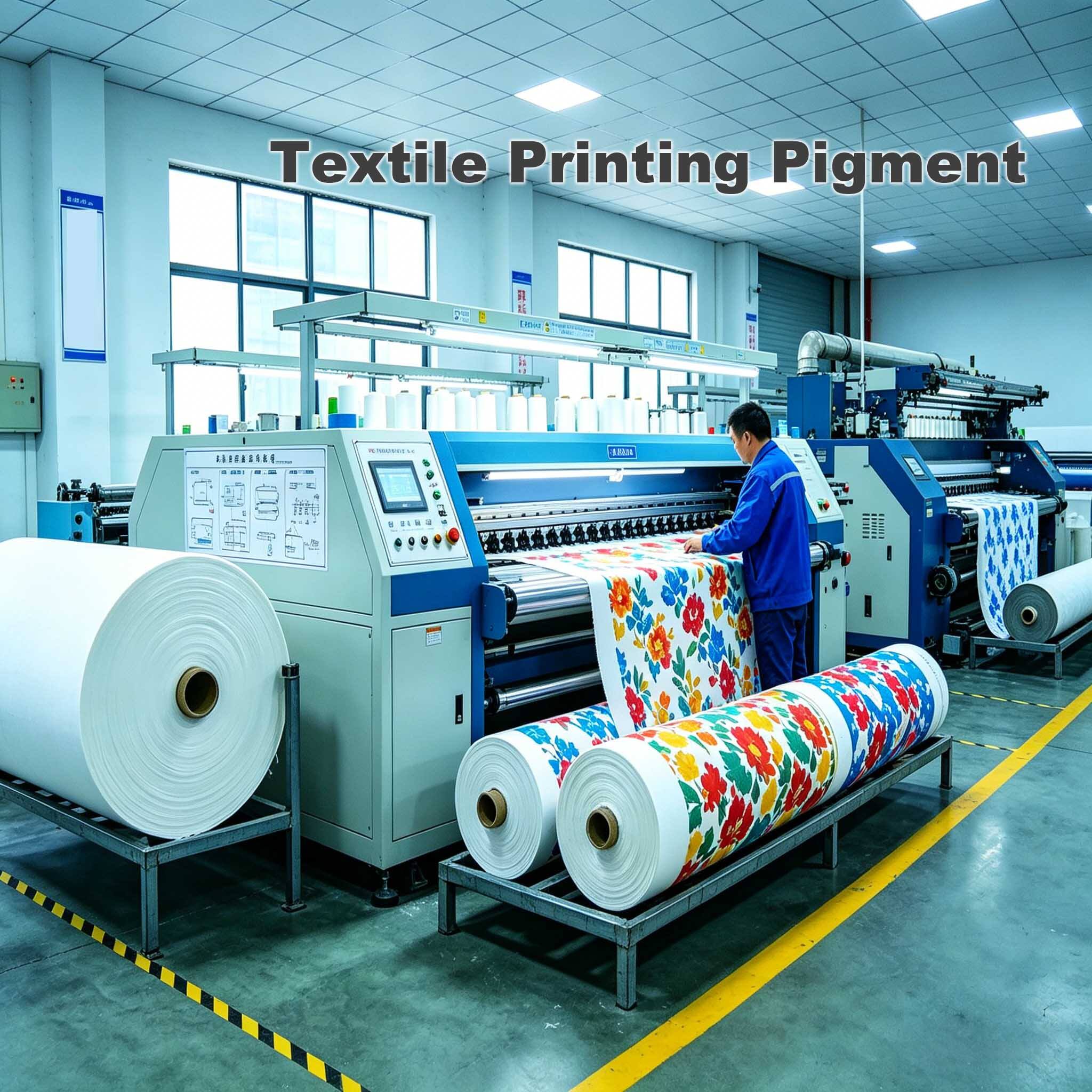
דיו הדפסה טקסטילי פיגמנטי מפגין התאמה יוצאת דופן על פני טווח רחב מאוד של סוגי בד ורכבים, מה שמבטל את הצורך במערכות צבעניות מיוחדות מרובות ופישט את ניהול המלאי לייצרנים ולמדפיסים. התאימות האוניברסלית הזו נובעת מהכימיה המורכבת של מערכת הקושר, אשר יכולה ליצור קשרים אפקטיביים עם סיבים טבעיים כמו כותנה ופשתן, חומרים סינתטיים כגון פוליאסטר ונילון, ובדים מעורבים שכוללים שילוב של סוגי סיבים מרובים. تركيب הפיגמנט מתאים באופן אוטומטי את מנגנון הדבקות שלו בהתאם לתכונות המשטח, ומבטיח פיתוח צבע אופטימלי ועמידות ללא תלות בריכב הבד. בדים מכותנה נהנים מהיכולת של הפיגמנט לחדור לתלויות השטח תוך שמירה על עמידות מעולה לשטיפה, ללא הקשיחות הנלווית לשיטות הדפסה פיגמנטיות מסורתיות. משטחים מפוליאסטר, הידועים במאפייני ההדפסה הקשים שלהם, מקבלים את דיו ההדפסה הטקסטילי הפיגמנטי בקלות, ויוצרים צבעים זוהרים בעלי עמידות מעולה לסUBLימציה בטמפרטורות גבוהות. בדים מיוחדים כגון מיקרוסיבים, טקסטילים טכנולוגיים וחומרים לביצועים מיוחדים מפגינים תאימות יוצאת דופן, תוך שימור תכונותיהם הפונקציונליות והשגת איכות צבע עליונה. הגמישות משתרעת גם על וריאציות במשקל ובמבנה הבד, מבדים קלים כמו שיפון ואורגanza ועד לבדים כבדים כמו קנבס ודנימ. בדים эластיקיים שומרים על תכונות הגמישות שלהם תוך הצגת הדפסות זוהרות ובלתי נשברות, אשר נעים באופן חלק יחד עם מחזורי ההארכה והחזרה של הבד. יכולת ההדפסה על מספר משטחים זו מפחיתה משמעותית את מורכבות הייצור, ומאפשרת למוסדות לתקנן את תהליכי ההדפסה שלהם ולצמצם את זמני ההכנה בין סוגי בדים שונים. בקרת האיכות הופכת יותר צפויה וניתנת לניהול כאשר משתמשים במערכת אחת של דיו הדפסה טקסטילי פיגמנטי ביישומים מגוונים, מה שמצמצם את דרישות האימון וממזער את שיעורי השגיאות. היתרונות הכלכליים כוללים צמצום עלויות החזקת מלאי, פישוט תהליכי רכש, והיכולת לקבל הזמנות מגוונות של לקוחות ללא צורך בציוד או בחומרים מיוחדים. גמישות זו חשובה במיוחד עבור פעולות הדפסה מותאמות אישית ולייצור במרות קצרות, שבהן מעבר מהיר בין סוגי בדים שונים הוא חיוני להצלחה כלכלית.
 ×
×

 EN
EN