Premium Textile Printing Pigment - Superior Color Quality & Durability Solutions

Get a Free Quote

Our representative will contact you soon.
Email
Company Name
Mobile/WhatsApp
Interest of Products
Message
0/1000

textile printing pigment

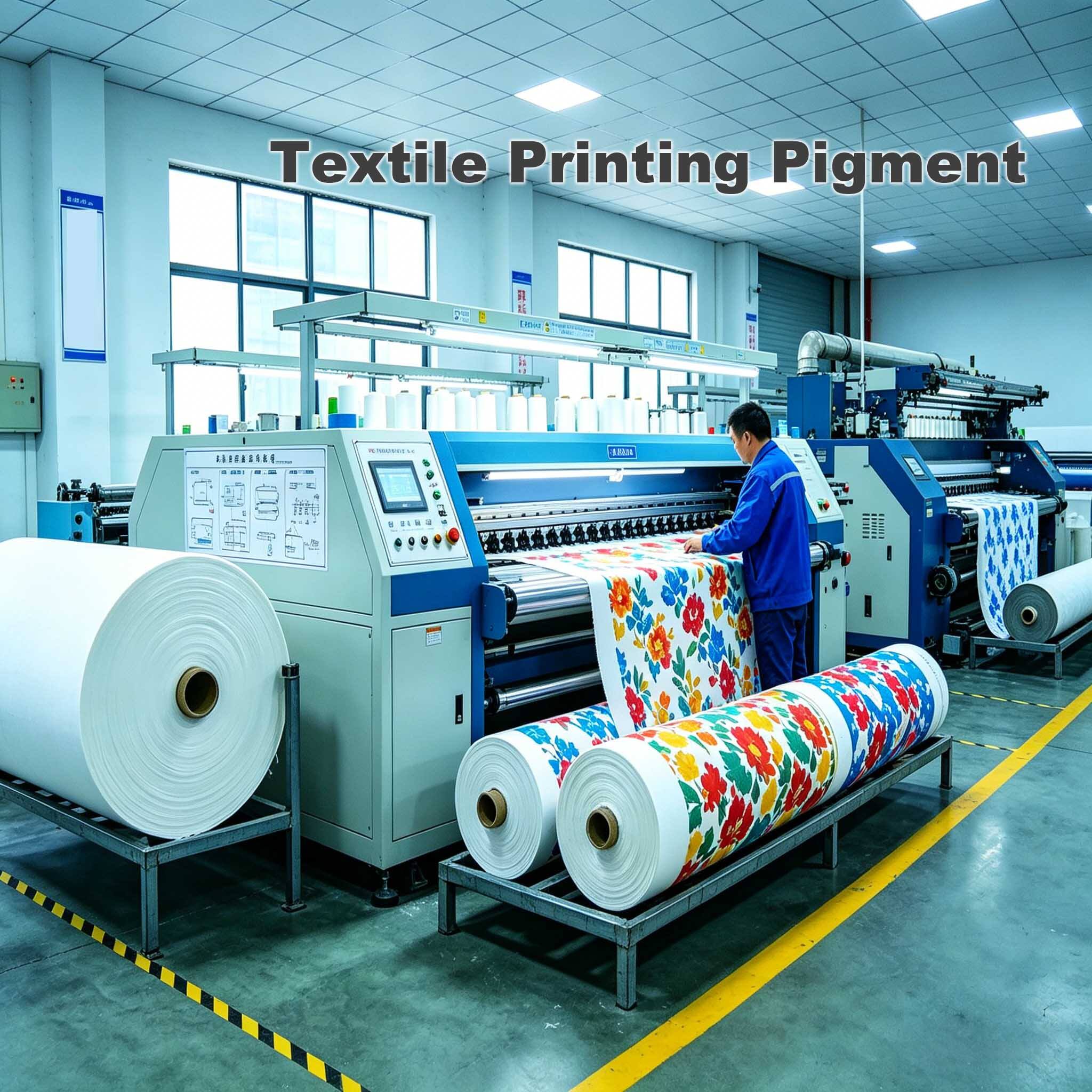
Textile printing pigment represents a revolutionary advancement in fabric coloration technology, offering manufacturers and designers unprecedented control over color quality, durability, and production efficiency. These specialized colorants are engineered to bond effectively with various textile fibers, creating vibrant, long-lasting prints that maintain their appearance through multiple wash cycles and environmental exposures. The main function of textile printing pigment lies in its ability to provide consistent color reproduction across different fabric types while ensuring excellent lightfastness and washfastness properties. Unlike traditional dyes that penetrate fiber structures, textile printing pigment works by forming a protective film layer on the fabric surface, encapsulating color particles and creating a barrier against fading and degradation. The technological features of modern textile printing pigment include enhanced particle size distribution, improved binder compatibility, and optimized viscosity characteristics that facilitate smooth application through various printing methods. These pigments demonstrate exceptional versatility, working effectively with screen printing, digital printing, and rotary printing systems. The formulation incorporates advanced stabilizers and dispersants that prevent color separation and ensure uniform distribution throughout the printing paste. Applications for textile printing pigment span across multiple industries, from fashion and home textiles to technical fabrics and promotional materials. The automotive industry relies on these pigments for interior textiles that require superior durability and color retention. Healthcare sectors utilize textile printing pigment for medical textiles where colorfastness and chemical resistance are critical. Sports and outdoor equipment manufacturers depend on these pigments to create weather-resistant graphics and branding that withstand extreme conditions. The food industry employs textile printing pigment for packaging materials and food-grade textiles where safety and regulatory compliance are paramount. Educational institutions and corporate environments benefit from textile printing pigment applications in uniforms, banners, and decorative textiles that must maintain professional appearance over extended periods.

New Product Releases

Textile printing pigment delivers exceptional cost-effectiveness that directly impacts your bottom line, reducing overall production expenses while maintaining superior quality standards. You eliminate the need for expensive pre-treatment processes that traditional dyeing methods require, streamlining your manufacturing workflow and reducing labor costs. The pigment formulation provides excellent coverage with minimal material usage, maximizing your raw material investment and reducing waste disposal expenses. Your production efficiency increases significantly with textile printing pigment because these colorants cure rapidly at lower temperatures, reducing energy consumption and accelerating turnaround times. The versatile application methods mean you can use existing printing equipment without costly modifications or specialized machinery investments. Quality consistency becomes achievable across large production runs, eliminating costly reprints and customer complaints that result from color variations. The superior lightfastness properties of textile printing pigment protect your reputation by ensuring printed textiles maintain their vibrant appearance throughout their intended lifespan. Your customers experience enhanced satisfaction because their purchased items retain color integrity even after numerous washing cycles and sun exposure. The chemical resistance of these pigments prevents color bleeding and cross-contamination, particularly important for mixed-color designs and multi-fabric applications. Environmental benefits translate to regulatory compliance advantages, as modern textile printing pigment formulations contain reduced levels of harmful chemicals and volatile organic compounds. Your facility operates more safely with improved air quality and reduced environmental impact, potentially qualifying for green manufacturing incentives and certifications. The storage stability of textile printing pigment reduces inventory management challenges, as these products maintain their properties for extended periods without requiring special storage conditions or frequent replacement. Processing flexibility allows you to adjust print parameters easily, accommodating rush orders and custom specifications without compromising quality or efficiency. The excellent adhesion properties ensure printed designs remain intact through industrial washing processes, making these pigments ideal for workwear, hospitality linens, and other commercial applications where durability is essential.

Latest News

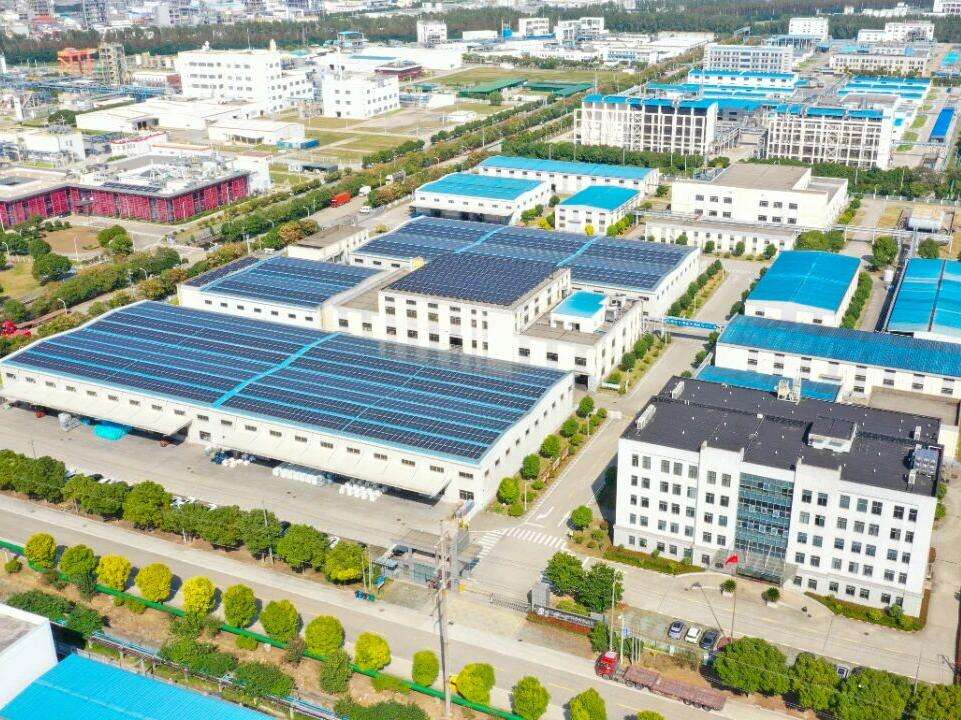
Sunmun Subsidiary Named

12

Mar

Sunmun Subsidiary Named "Jiangsu Provincial Green Factory", Advancing Sustainable Colorant Production

View More
Sunmun’s Water-Based Color Paste for Viscose Fiber Dope Dyeing Wins “Jiangsu Premium Product” Certification 2025

16

Mar

Sunmun’s Water-Based Color Paste for Viscose Fiber Dope Dyeing Wins “Jiangsu Premium Product” Certification 2025

View More
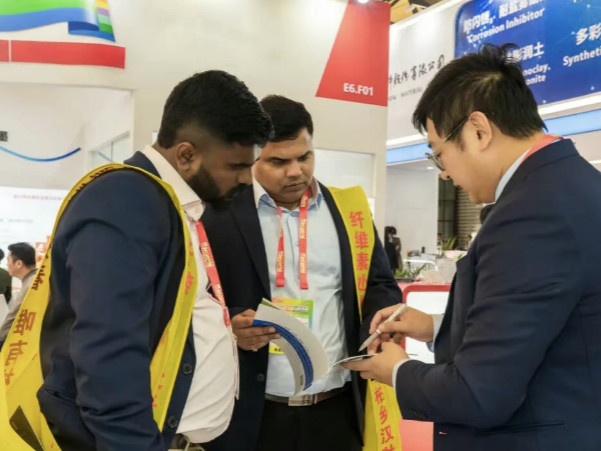
Sunmun Deepens Southeast Asia Presence with Eco-Friendly Colorants at Pacific Coatings Show 2025

16

Mar

Sunmun Deepens Southeast Asia Presence with Eco-Friendly Colorants at Pacific Coatings Show 2025

View More
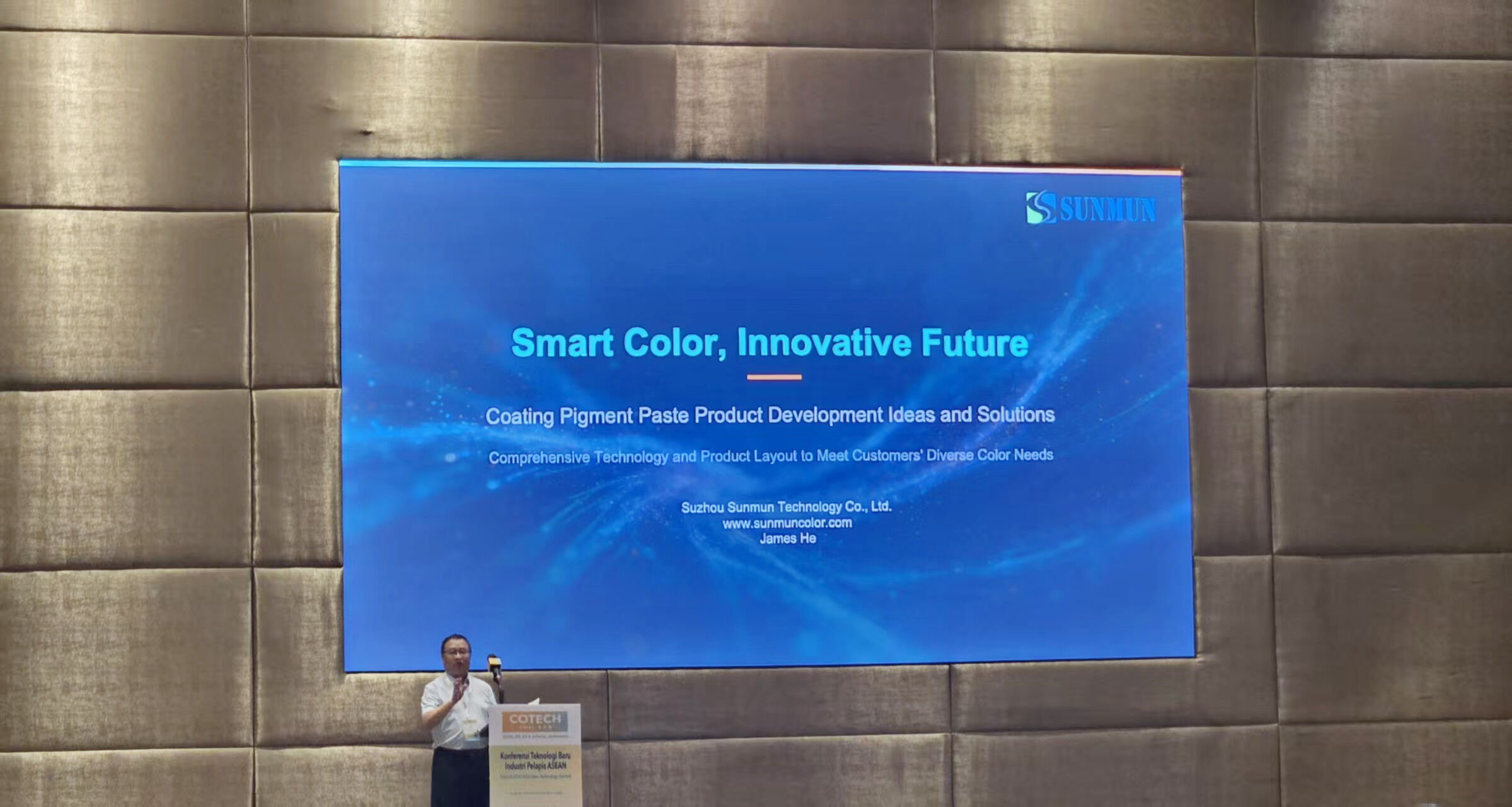
SUNMUN Technology Shines at ASEAN Advanced Coatings Technology Forum in Indonesia

28

Apr

SUNMUN Technology Shines at ASEAN Advanced Coatings Technology Forum in Indonesia

View More

Get a Free Quote

Our representative will contact you soon.
Email
Company Name
Mobile/WhatsApp
Interest of Products
Message
0/1000

textile printing pigment

Superior Color Permanence Technology

Superior Color Permanence Technology

The advanced formulation of textile printing pigment incorporates cutting-edge polymer technology that creates an unbreakable bond between color particles and textile fibers, resulting in extraordinary color permanence that surpasses industry standards. This innovative approach utilizes micro-encapsulation techniques that protect pigment particles from environmental degraders such as ultraviolet radiation, chlorine exposure, and aggressive detergents. The molecular structure of the binder system forms a flexible yet durable matrix that moves with the fabric without cracking or peeling, ensuring that printed designs maintain their integrity even under mechanical stress and repeated flexing. Professional testing laboratories consistently rate textiles treated with this textile printing pigment technology at the highest levels for lightfastness, achieving ratings of 7-8 on the Blue Wool Scale, which represents exceptional resistance to fading. The washfastness performance exceeds commercial laundry standards, with printed fabrics showing no visible color loss after 50+ industrial wash cycles at temperatures up to 75°C. This remarkable durability translates to significant value for end users who expect their textiles to maintain their appearance throughout their entire service life. The color permanence extends to specialized applications such as outdoor signage, automotive interiors, and marine textiles where exposure to extreme conditions would typically cause rapid degradation. Independent testing confirms that textile printing pigment maintains color intensity even after 1000+ hours of accelerated weathering tests, demonstrating its superiority over conventional alternatives. The economic implications of this permanence are substantial, as customers avoid replacement costs and maintain brand image consistency over extended periods. For manufacturers, the reputation benefits of supplying fade-resistant products lead to increased customer loyalty and reduced warranty claims, creating a competitive advantage in quality-sensitive markets.
Versatile Multi-Substrate Compatibility

Versatile Multi-Substrate Compatibility

Textile printing pigment demonstrates remarkable adaptability across an extensive range of fabric types and compositions, eliminating the need for multiple specialized colorant systems and simplifying inventory management for manufacturers and printers. This universal compatibility stems from the sophisticated chemistry of the binder system, which can form effective bonds with natural fibers like cotton and linen, synthetic materials including polyester and nylon, and blended fabrics that combine multiple fiber types. The pigment formulation automatically adjusts its adhesion mechanism based on the substrate characteristics, ensuring optimal color development and durability regardless of the fabric composition. Cotton fabrics benefit from the pigment's ability to penetrate surface irregularities while maintaining excellent washfastness without the stiffness associated with traditional pigment printing methods. Polyester substrates, known for their challenging printing characteristics, accept textile printing pigment readily, producing vibrant colors with excellent sublimation resistance at elevated temperatures. Specialty fabrics such as microfibers, technical textiles, and performance materials demonstrate exceptional compatibility, maintaining their functional properties while achieving superior color quality. The versatility extends to fabric weight and construction variations, from lightweight chiffons and organzas to heavy-duty canvas and denim materials. Stretch fabrics retain their elasticity characteristics while displaying vibrant, crack-resistant prints that move seamlessly with the fabric extension and recovery cycles. This multi-substrate capability reduces production complexity significantly, allowing facilities to standardize their printing processes and reduce setup times between different fabric types. Quality control becomes more predictable and manageable when using a single textile printing pigment system across diverse applications, reducing training requirements and minimizing error rates. The economic benefits include reduced inventory carrying costs, simplified procurement processes, and the ability to accept diverse customer orders without requiring specialized equipment or materials. This flexibility proves particularly valuable for custom printing operations and short-run productions where rapid changeovers between different fabric types are essential for profitability.
Environmentally Conscious Production Safety

Environmentally Conscious Production Safety

Modern textile printing pigment formulations prioritize environmental responsibility and workplace safety through the elimination of heavy metals, reduction of volatile organic compounds, and incorporation of biodegradable components that align with global sustainability initiatives and regulatory requirements. The water-based formulation significantly reduces air emissions compared to solvent-based alternatives, creating healthier working environments and minimizing environmental impact during production and application processes. Advanced manufacturing processes ensure that textile printing pigment contains no lead, chromium, or other restricted heavy metals, making it suitable for applications where human contact is expected, including children's clothing, bedding, and food-contact surfaces. The low VOC content meets or exceeds the most stringent environmental regulations, including GREENGUARD and OEKO-TEX standards, providing manufacturers with the confidence to market their products globally without regulatory barriers. The biodegradable components in the pigment system break down naturally over time, reducing long-term environmental accumulation and supporting circular economy principles. Wastewater treatment processes handle textile printing pigment effluent more effectively due to the absence of persistent organic pollutants and heavy metals, reducing treatment costs and environmental discharge concerns. The manufacturing process itself incorporates renewable energy sources and sustainable raw materials wherever possible, supporting corporate sustainability goals and reducing the overall carbon footprint of the production chain. Worker safety benefits include reduced exposure to hazardous chemicals, elimination of specialized ventilation requirements, and simplified handling procedures that reduce the risk of occupational health issues. The non-flammable nature of water-based textile printing pigment systems reduces fire hazards and insurance costs while simplifying storage and transportation requirements. Compliance with international safety standards such as REACH, RoHS, and CPSIA provides market access advantages and reduces regulatory compliance costs for manufacturers and their customers. The environmental benefits extend to end-of-life considerations, as textiles printed with eco-friendly pigments can be recycled or disposed of with reduced environmental impact compared to conventional alternatives. This environmental consciousness resonates with increasingly environmentally aware consumers and supports corporate social responsibility initiatives that drive brand differentiation and customer loyalty.

Get a Free Quote

Our representative will contact you soon.
Email
Company Name
Mobile/WhatsApp
Interest of Products
Message
0/1000