Advanced Textile Colorant Solutions: Superior Color Fastness & Eco-Friendly Multi-Fiber Technology

Get a Free Quote

Our representative will contact you soon.
Email
Company Name
Mobile/WhatsApp
Interest of Products
Message
0/1000

textile colorant

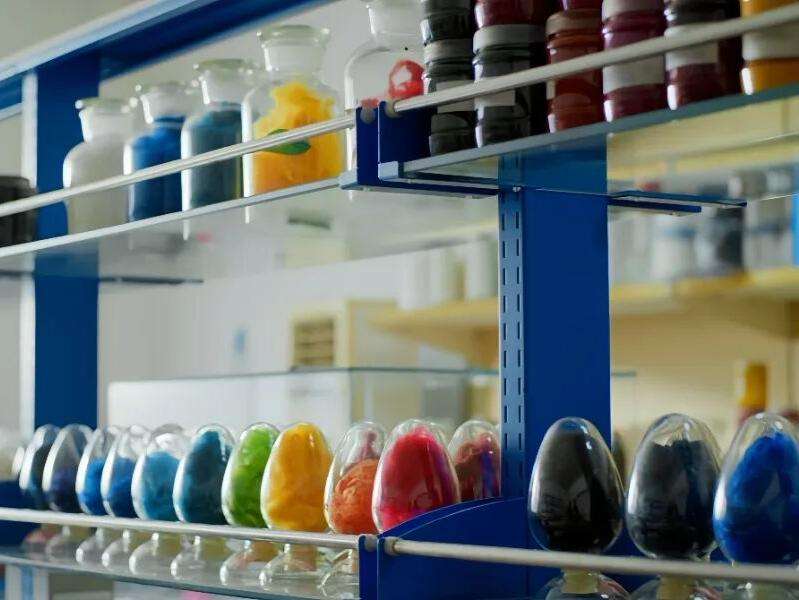
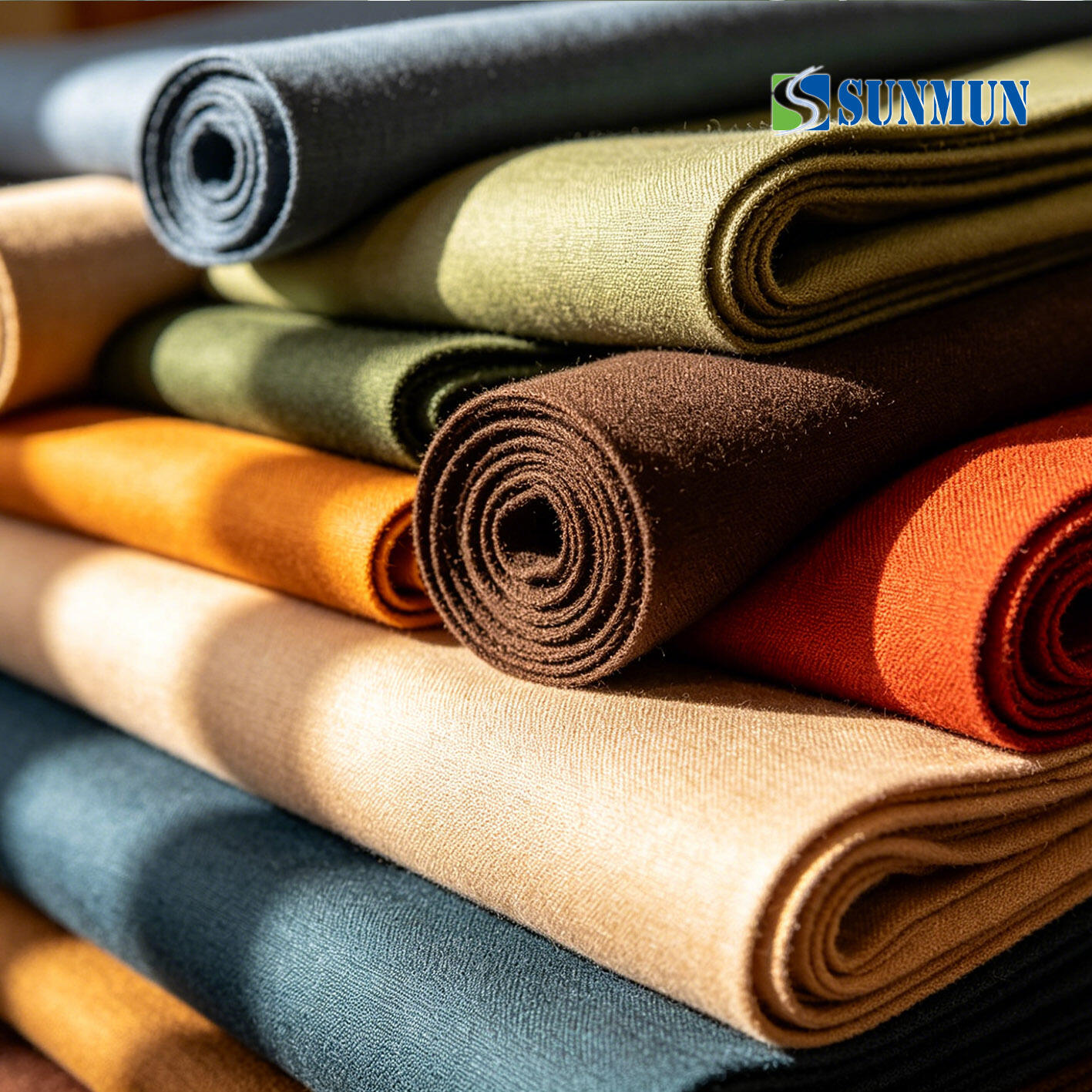
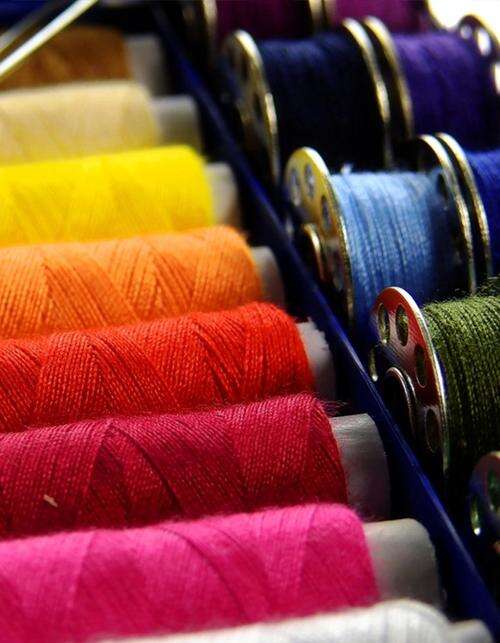
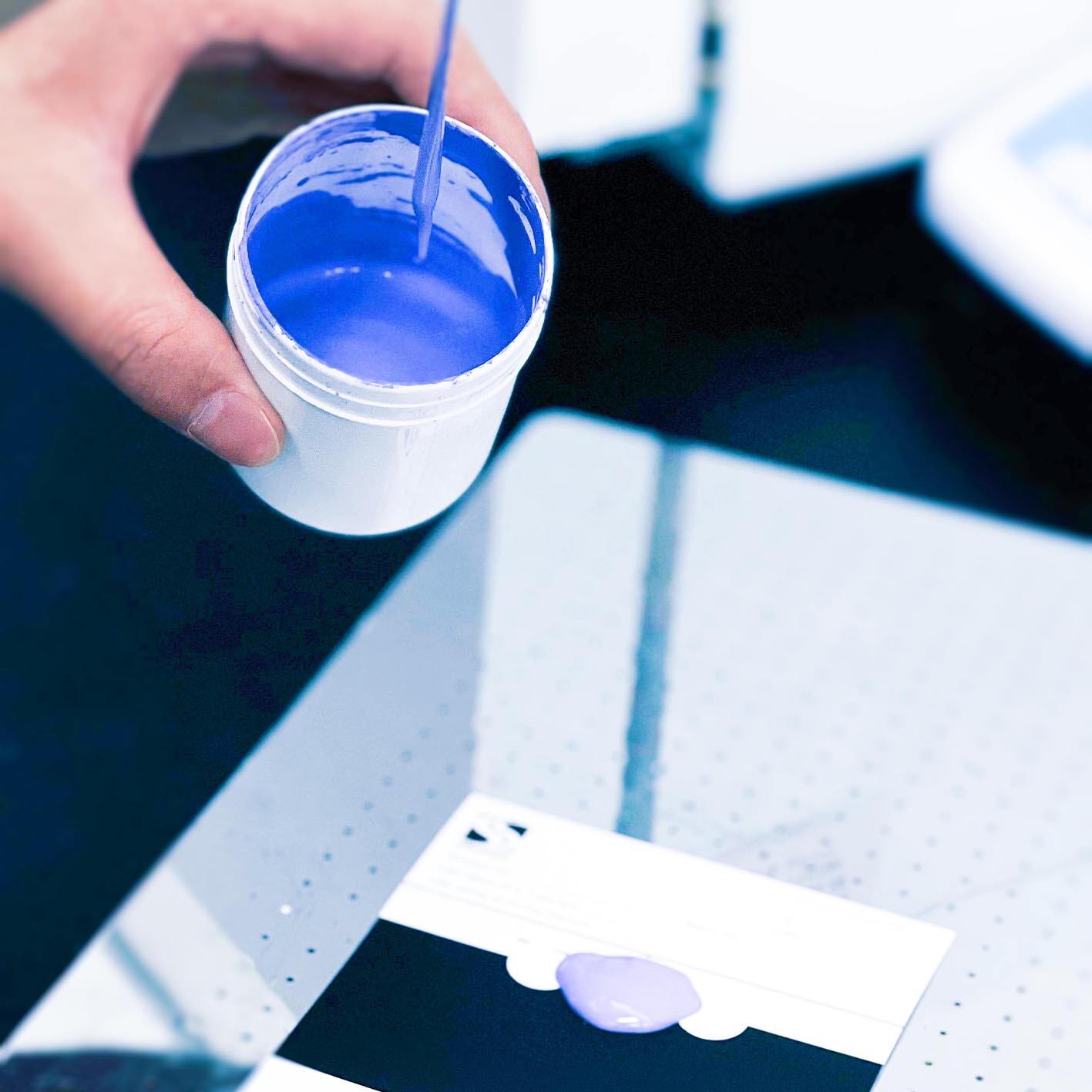
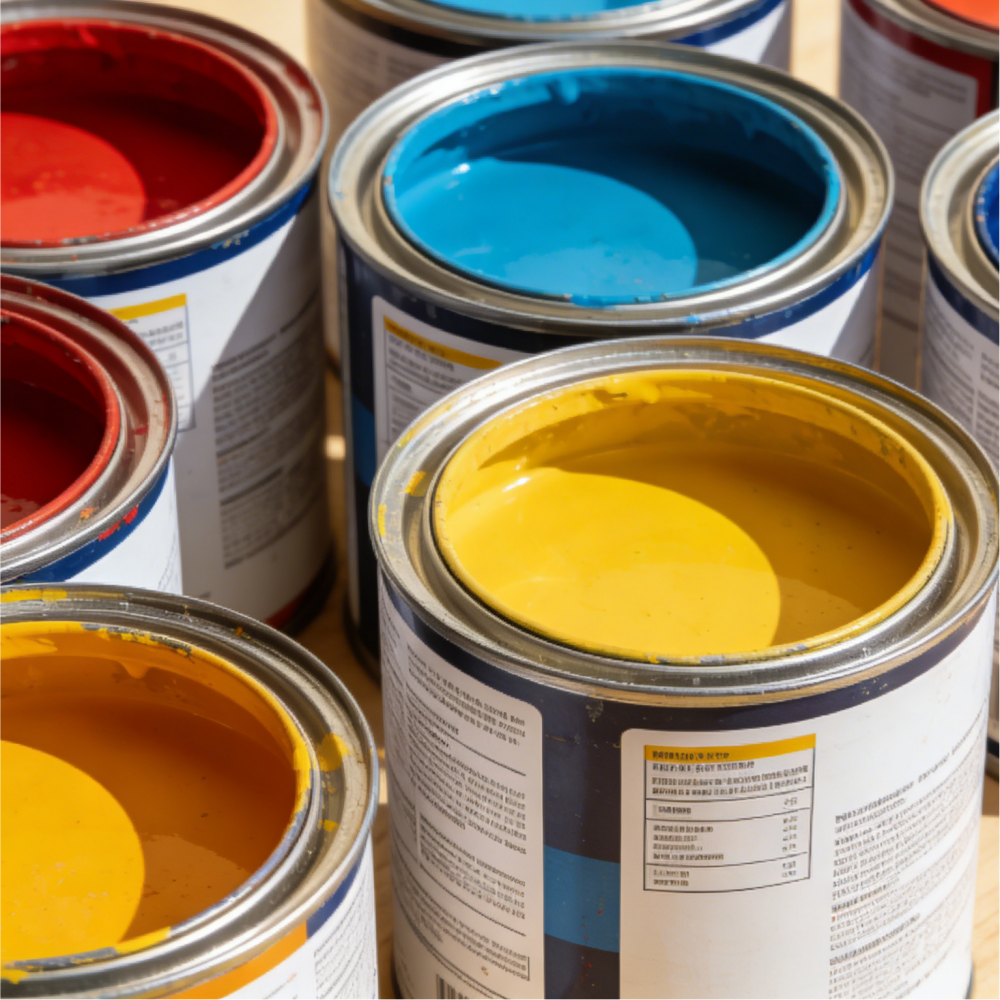
Textile colorant represents a sophisticated chemical formulation designed to impart vibrant, lasting color to various fabric materials and textile products. This specialized dyeing solution serves as the cornerstone of modern textile manufacturing, enabling producers to achieve consistent color reproduction across different fabric types, from natural cotton and wool to synthetic polyester and nylon blends. The primary function of textile colorant involves penetrating fabric fibers at the molecular level, creating permanent bonds that resist fading, washing, and environmental exposure. Modern textile colorant formulations incorporate advanced chromophore technology, which ensures superior color fastness and brightness retention throughout the product lifecycle. The technological framework behind textile colorant development focuses on molecular compatibility with diverse fiber structures, allowing manufacturers to achieve uniform color distribution regardless of fabric composition. These colorants undergo rigorous quality control processes to maintain consistency in hue, saturation, and lightness across production batches. The application scope of textile colorant extends beyond basic coloring, encompassing specialized treatments for UV protection, antimicrobial properties, and enhanced durability. Manufacturing facilities utilize textile colorant in various application methods, including exhaust dyeing, continuous dyeing, and pad-batch processes, each optimized for specific fabric types and production volumes. The chemical stability of textile colorant ensures compatibility with different water conditions and temperature ranges, making it suitable for diverse geographic locations and manufacturing environments. Environmental considerations have driven recent innovations in textile colorant formulations, leading to eco-friendly alternatives that maintain performance while reducing ecological impact. The versatility of textile colorant applications spans fashion apparel, home textiles, industrial fabrics, and technical textiles used in automotive and aerospace industries. Quality assurance protocols for textile colorant include colorimetric testing, wash fastness evaluation, and light stability assessments to guarantee product reliability and customer satisfaction.

New Product Recommendations

Textile colorant delivers exceptional value through its superior color retention capabilities, ensuring that fabrics maintain their original vibrancy even after repeated washing cycles and extended exposure to sunlight. This remarkable durability translates into significant cost savings for both manufacturers and end consumers, as products retain their aesthetic appeal for extended periods without requiring frequent replacement or color restoration treatments. The advanced formulation of textile colorant provides excellent coverage uniformity, eliminating common issues such as streaking, blotching, or uneven color distribution that can compromise product quality and customer satisfaction. Manufacturers benefit from the consistent performance of textile colorant across different production runs, reducing waste and minimizing the need for quality corrections during the manufacturing process. The versatile compatibility of textile colorant with various fiber types streamlines production workflows, allowing facilities to use a single colorant system for multiple fabric categories, thereby reducing inventory costs and simplifying procurement processes. Environmental benefits represent another significant advantage, as modern textile colorant formulations comply with international safety standards and reduce harmful emissions during application and disposal. The efficient absorption properties of textile colorant require smaller quantities to achieve desired color intensity, resulting in lower chemical usage per unit of fabric and reduced production costs. Processing efficiency improves dramatically with textile colorant due to its optimized dissolution characteristics and temperature stability, enabling faster dyeing cycles and increased production throughput. Quality control becomes more manageable with textile colorant systems that provide predictable results and consistent color matching capabilities, reducing the likelihood of rejected batches and associated financial losses. The enhanced wash fastness properties of textile colorant protect brand reputation by ensuring that finished products maintain their appearance throughout their intended lifespan. Technical advantages include improved penetration depth, reduced color bleeding, and enhanced resistance to chemical degradation, making textile colorant ideal for high-performance applications. The economic impact extends to reduced labor costs, as textile colorant systems require less manual intervention and monitoring compared to conventional dyeing methods. Innovation in textile colorant technology continues to drive improvements in application efficiency, color range expansion, and environmental sustainability, providing manufacturers with competitive advantages in rapidly evolving markets.

Tips And Tricks

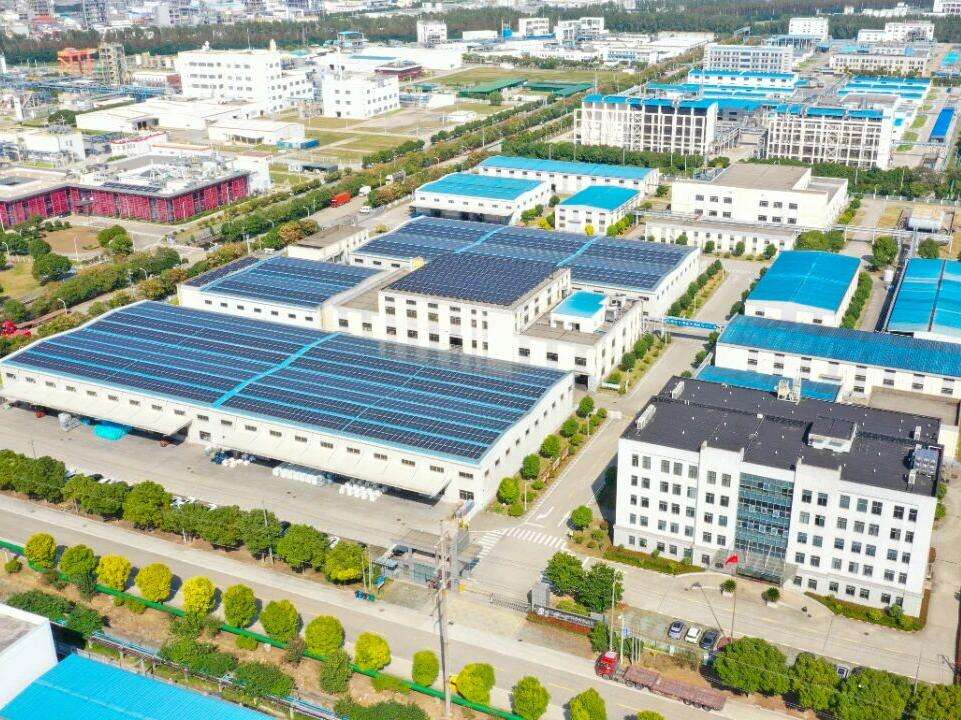
Sunmun Subsidiary Named

12

Mar

Sunmun Subsidiary Named "Jiangsu Provincial Green Factory", Advancing Sustainable Colorant Production

View More
Sunmun’s Water-Based Color Paste for Viscose Fiber Dope Dyeing Wins “Jiangsu Premium Product” Certification 2025

16

Mar

Sunmun’s Water-Based Color Paste for Viscose Fiber Dope Dyeing Wins “Jiangsu Premium Product” Certification 2025

View More
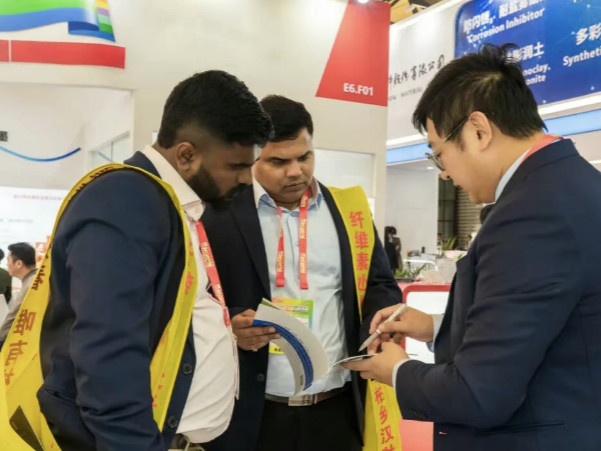
Sunmun Deepens Southeast Asia Presence with Eco-Friendly Colorants at Pacific Coatings Show 2025

16

Mar

Sunmun Deepens Southeast Asia Presence with Eco-Friendly Colorants at Pacific Coatings Show 2025

View More
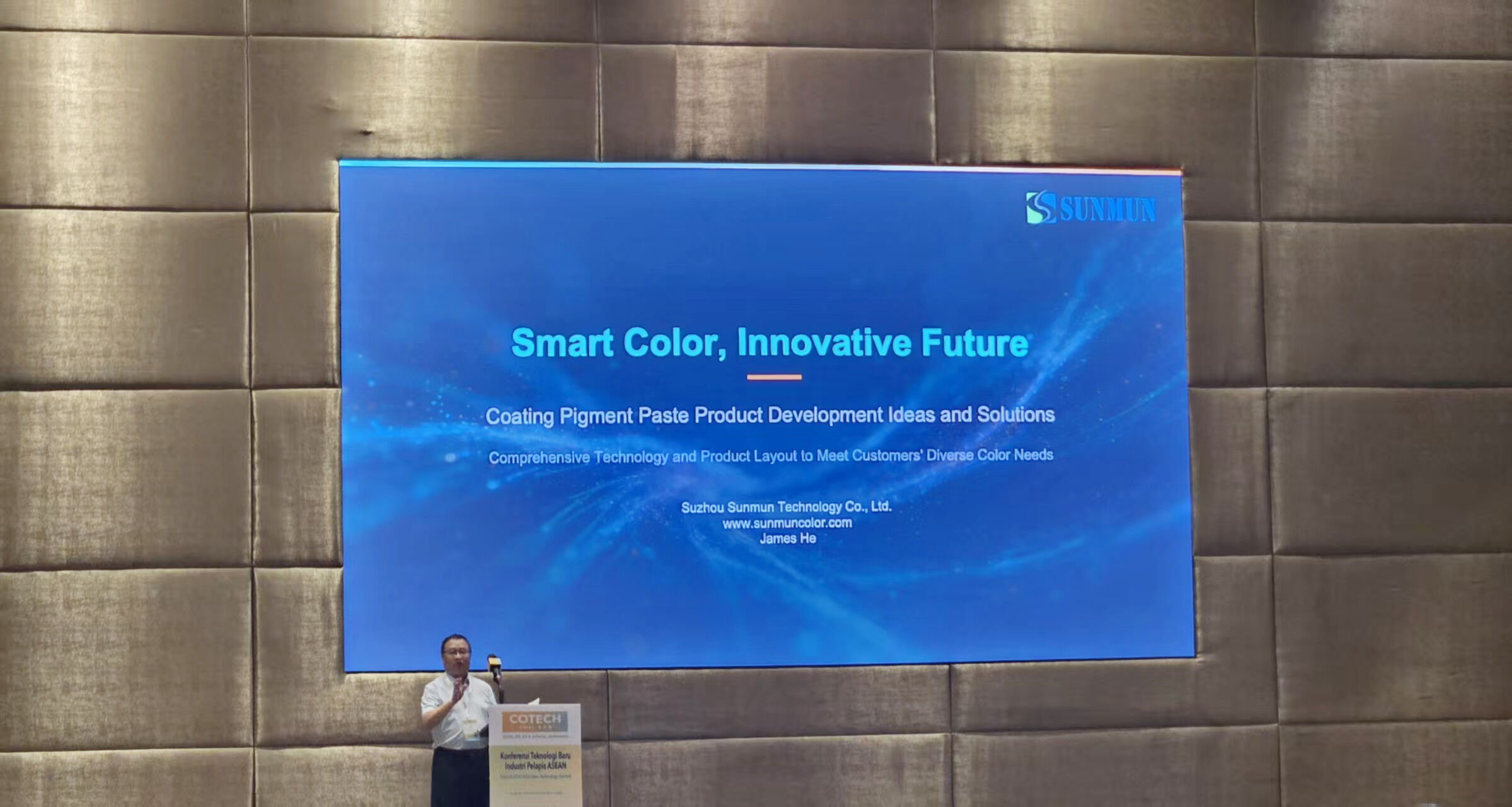
SUNMUN Technology Shines at ASEAN Advanced Coatings Technology Forum in Indonesia

28

Apr

SUNMUN Technology Shines at ASEAN Advanced Coatings Technology Forum in Indonesia

View More

Get a Free Quote

Our representative will contact you soon.
Email
Company Name
Mobile/WhatsApp
Interest of Products
Message
0/1000

textile colorant

Superior Color Fastness Technology

Superior Color Fastness Technology

The revolutionary color fastness technology embedded within modern textile colorant systems represents a breakthrough in fabric dyeing science, delivering unprecedented durability and color retention that surpasses traditional dyeing methods by significant margins. This advanced technology operates through specialized molecular bonding mechanisms that create permanent attachments between colorant molecules and fabric fibers, resulting in exceptional resistance to fading, bleeding, and degradation over time. The chemical engineering behind this textile colorant innovation involves proprietary chelating agents that enhance the affinity between dye molecules and various fiber structures, ensuring optimal color penetration regardless of fabric composition or weave density. Quality testing demonstrates that fabrics treated with this advanced textile colorant maintain over 95 percent of their original color intensity after 50 standard wash cycles, compared to conventional colorants that typically show significant fading after 20-25 cycles. The superior color fastness extends to light stability, with treated fabrics showing minimal color degradation even after prolonged exposure to direct sunlight and UV radiation. This remarkable performance stems from the incorporation of UV-stabilizing compounds within the textile colorant matrix, which actively protect chromophore structures from photochemical breakdown. Manufacturing benefits include reduced warranty claims, enhanced customer satisfaction, and stronger brand reputation due to the consistent performance of products treated with this textile colorant technology. The economic implications for textile manufacturers are substantial, as the enhanced durability reduces the need for quality guarantees and minimizes returns due to premature color loss. Consumer benefits extend beyond aesthetic considerations, as the superior color fastness of textile colorant translates into longer product lifecycles, reduced replacement frequency, and better value for money. The technology also addresses environmental concerns by reducing the frequency of garment disposal due to color degradation, contributing to more sustainable consumption patterns. Testing protocols for this textile colorant include accelerated aging tests, xenon arc exposure, and multi-cycle washing evaluations to ensure consistent performance across diverse application scenarios.
Eco-Friendly Formulation Innovation

Eco-Friendly Formulation Innovation

The groundbreaking eco-friendly formulation of modern textile colorant represents a paradigm shift toward sustainable manufacturing practices, incorporating biodegradable components and non-toxic additives that minimize environmental impact without compromising performance quality or color vibrancy. This innovative textile colorant formulation eliminates harmful heavy metals, reduces volatile organic compound emissions, and utilizes renewable raw materials sourced through responsible supply chain management. The development process for this environmentally conscious textile colorant involved extensive research into plant-based chromophores and bio-compatible binding agents that maintain the technical performance standards required for commercial textile applications. Environmental testing confirms that this textile colorant biodegrades naturally within 30 days under standard wastewater treatment conditions, compared to conventional colorants that may persist for months or years in aquatic environments. The manufacturing process for this sustainable textile colorant requires 40 percent less water consumption and generates 60 percent fewer chemical byproducts, significantly reducing the overall environmental footprint of textile production facilities. Regulatory compliance becomes simplified with this eco-friendly textile colorant, as it meets or exceeds international environmental standards including REACH, OEKO-TEX, and GREENGUARD certifications. The formulation innovation extends to packaging sustainability, with textile colorant containers manufactured from recycled materials and designed for efficient recycling after use. Worker safety improves dramatically with this advanced textile colorant system, as reduced exposure to harmful chemicals creates healthier workplace environments and lowers insurance costs for manufacturing facilities. Consumer awareness of environmental issues drives increasing demand for products treated with sustainable textile colorant systems, providing manufacturers with valuable market differentiation opportunities. The lifecycle assessment of this eco-friendly textile colorant demonstrates superior environmental performance across all impact categories, including carbon footprint, water usage, and waste generation. Supply chain benefits include simplified waste management procedures, reduced disposal costs, and enhanced corporate sustainability reporting capabilities. The technical performance of this environmental textile colorant matches or exceeds conventional alternatives in all key metrics, ensuring that sustainability improvements do not compromise product quality or customer satisfaction.
Advanced Multi-Fiber Compatibility

Advanced Multi-Fiber Compatibility

The sophisticated multi-fiber compatibility feature of cutting-edge textile colorant technology enables seamless application across diverse fabric compositions, from natural cotton and wool to synthetic polyester, nylon, and emerging technical fiber blends, eliminating the need for multiple specialized colorant systems. This versatility stems from the innovative molecular design of the textile colorant, which incorporates adaptive binding mechanisms that automatically adjust to the chemical structure of different fiber types, ensuring optimal color absorption and retention regardless of material composition. The engineering breakthrough behind this universal textile colorant compatibility involves proprietary surfactant systems that modify surface tension and penetration characteristics based on fiber polarity and porosity, creating consistent results across varied textile substrates. Manufacturing efficiency increases dramatically when facilities can utilize a single textile colorant system for multiple fabric types, reducing inventory complexity, simplifying quality control procedures, and minimizing the risk of cross-contamination between different colorant formulations. The economic benefits of multi-fiber compatible textile colorant extend to reduced training requirements for production staff, simplified equipment maintenance, and streamlined procurement processes that lower operational costs significantly. Quality consistency improves with this universal textile colorant approach, as color matching becomes more predictable and reproducible across different fabric categories, reducing the likelihood of batch variations and customer complaints. Technical testing validates that this advanced textile colorant delivers uniform color depth and fastness properties across natural and synthetic fibers, with less than 2 percent variation in color metrics between different substrate materials. The compatibility extends to blended fabrics, where the textile colorant automatically adjusts its binding behavior to accommodate the mixed fiber composition, ensuring even color distribution throughout the fabric structure. Production flexibility increases substantially with multi-fiber compatible textile colorant systems, allowing manufacturers to respond quickly to changing market demands without requiring extensive equipment modifications or process adjustments. The innovation addresses common industry challenges such as color matching difficulties between different fabric components in multi-material garments, ensuring consistent appearance across complex textile products. Environmental benefits emerge from the reduced need for multiple colorant systems, decreasing chemical storage requirements, minimizing waste from unused specialty formulations, and simplifying wastewater treatment processes. This advanced textile colorant compatibility feature supports emerging trends in sustainable textile production, where recycled and blended fiber materials require adaptable dyeing solutions that can accommodate varying material compositions.

Get a Free Quote

Our representative will contact you soon.
Email
Company Name
Mobile/WhatsApp
Interest of Products
Message
0/1000