צבע תעשייתי
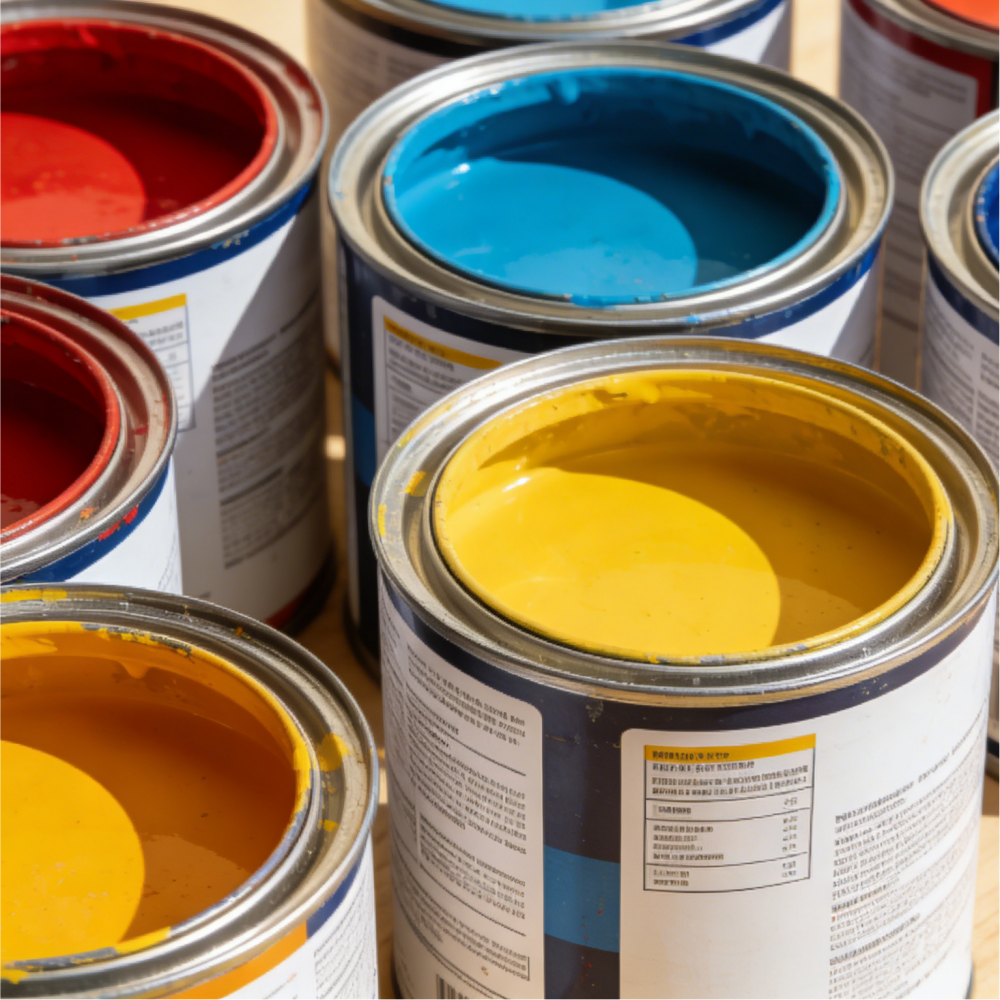
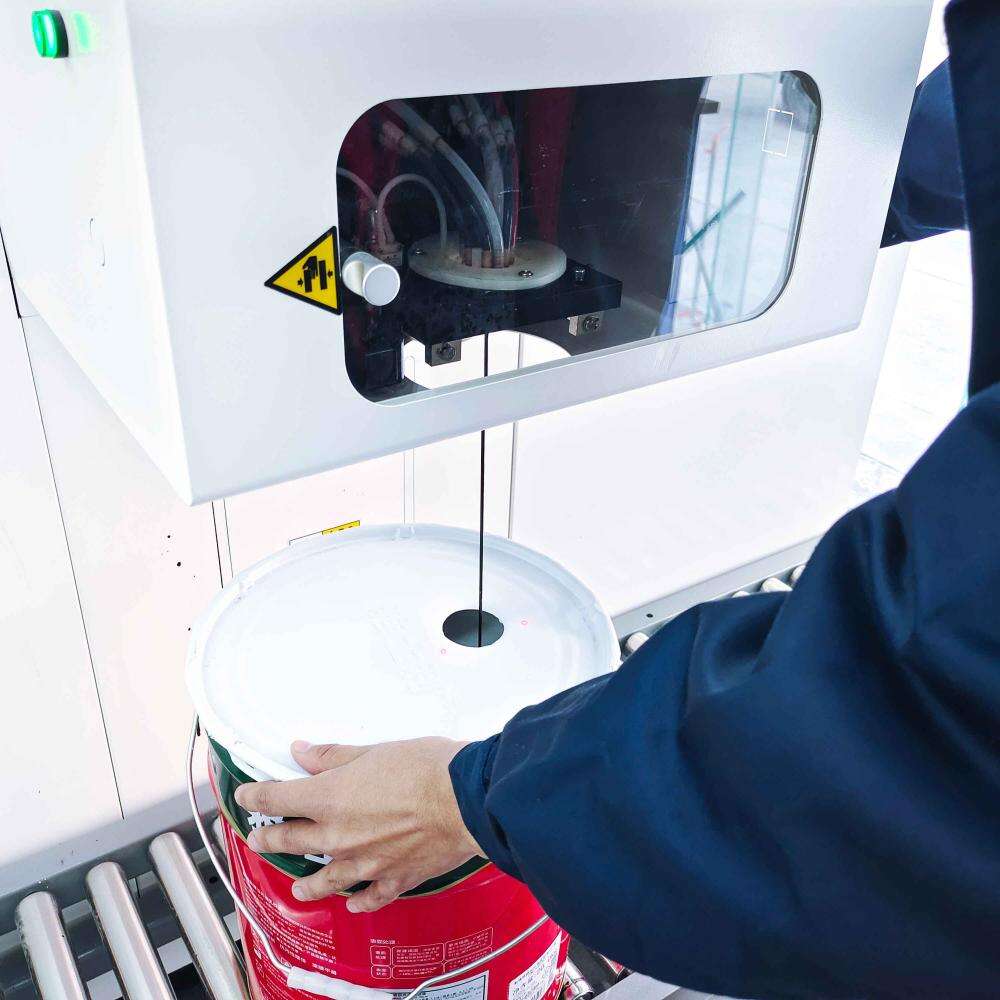
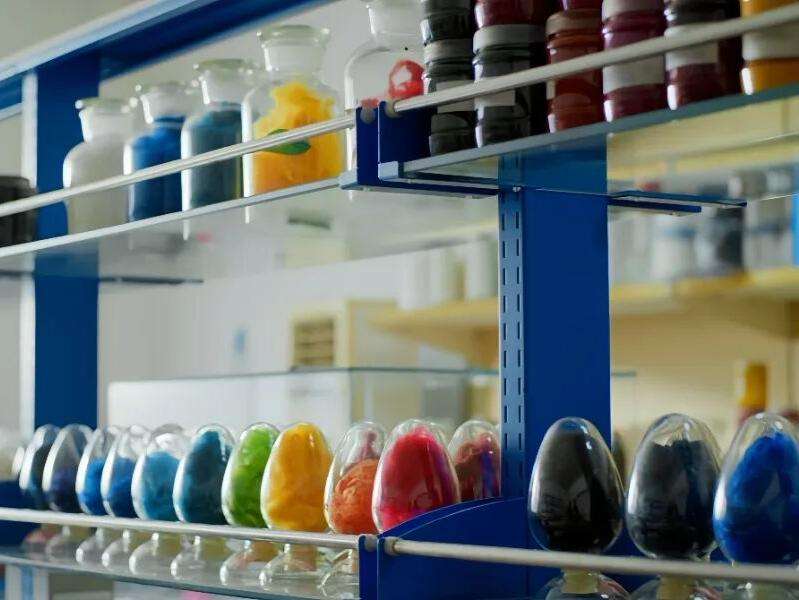
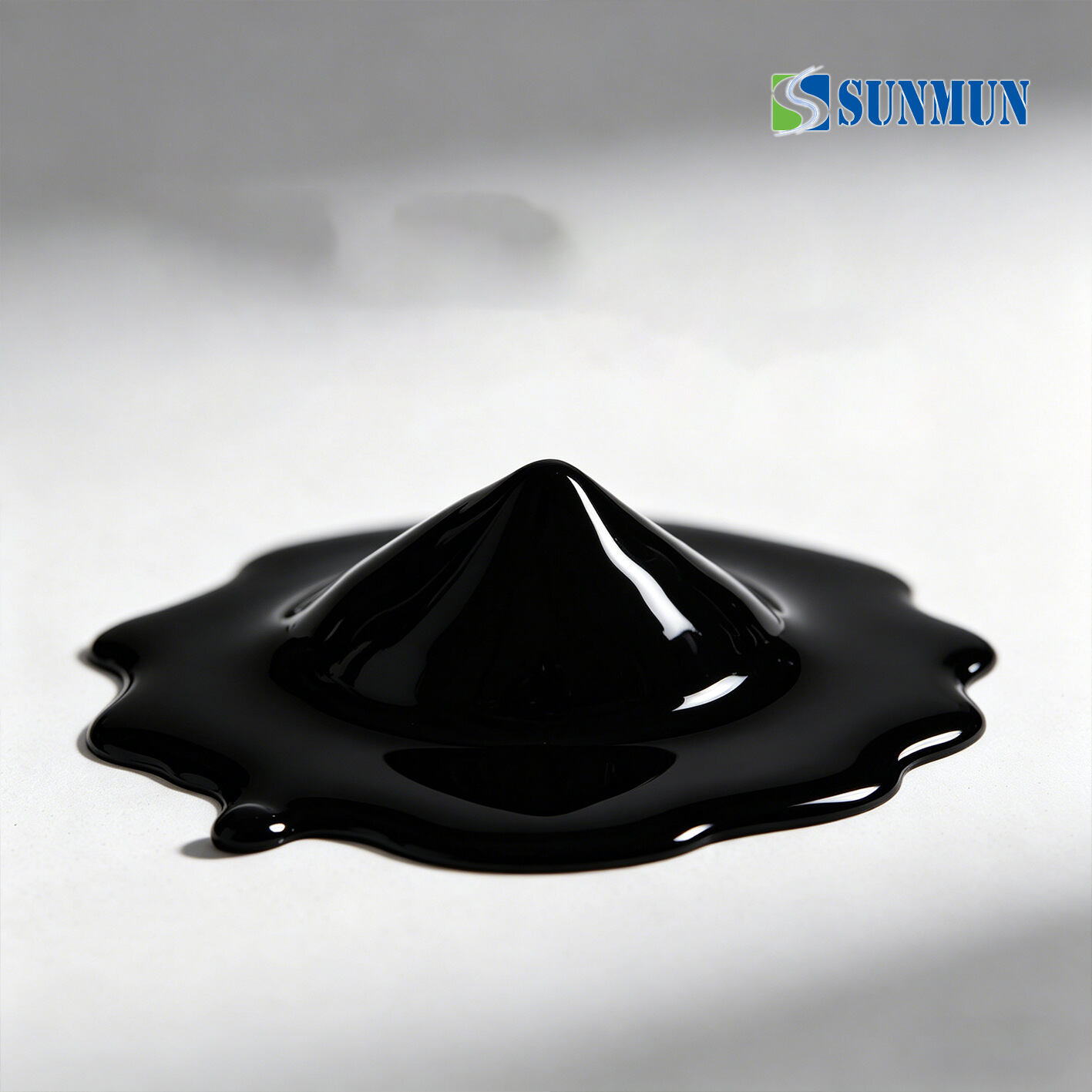
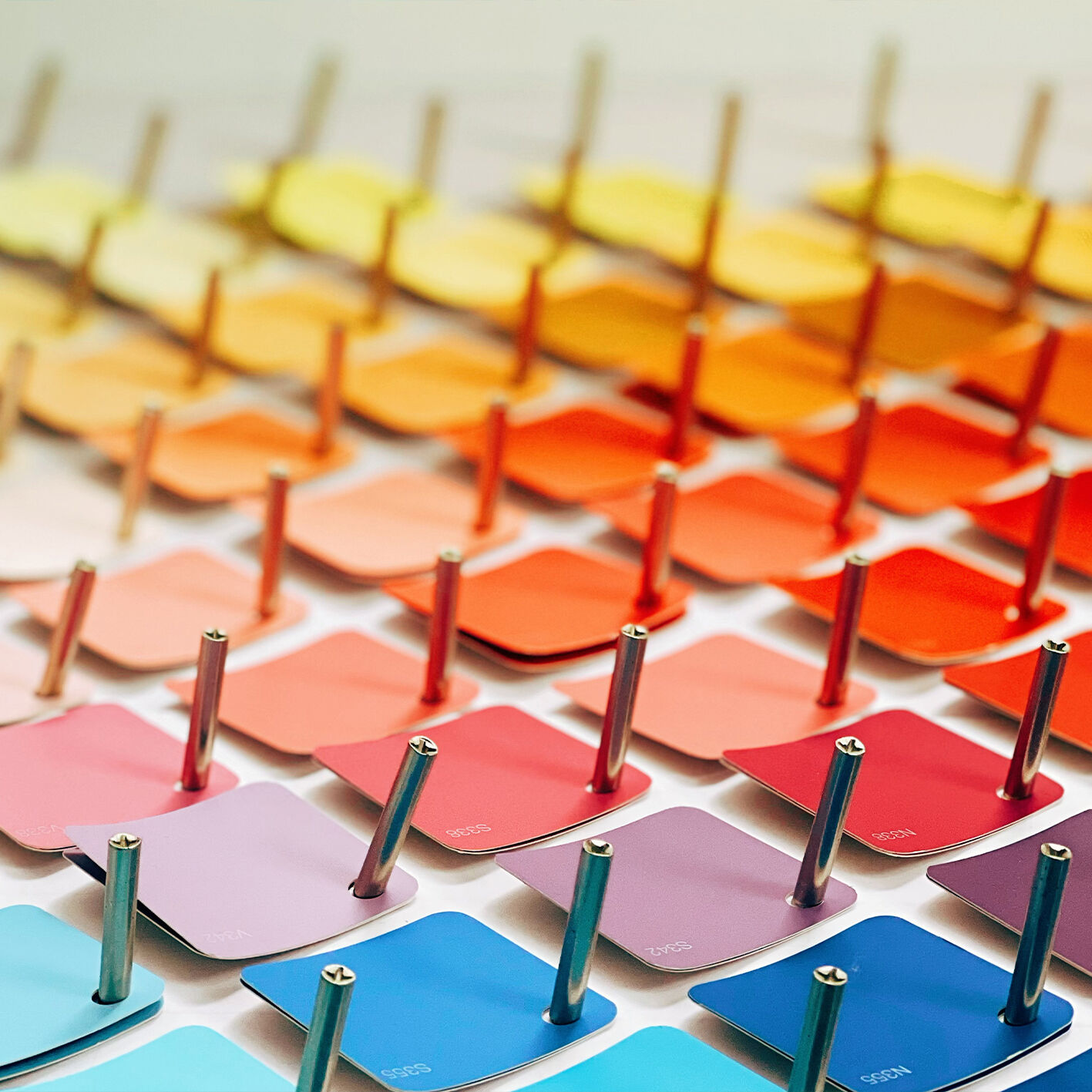
צבע תעשייתי מהווה רכיב יסוד בתהליכי היצור המודרניים, ומשמש כבסיס להשגת צביעה עקבייה, זורחת ועמידה בתחומים תעשייתיים מגוונים. תרכובות כימיות מיוחדות אלו מעוצבות כדי לספק ביצועי צבע מתקדמים תוך התאמה לדרישות תעשייתיות קפדניות לעמידות, תאימות ותאימות לסביבה. פתרונות צבע תעשייתי כוללים טווח רחב של פיגמנטים, צבעים וחומרים מוספים לצביעת צבע המיועדים במיוחד לסביבות ייצור בקנה מידה גדול. הפונקציות העיקריות של הצבע התעשייתי כוללות שיפור הכרומטי, הבחנה חזותית, זיהוי מותג ומעורר אסתטיקה במוצרים מיוצרים. הצבעים הללו עוברים בדיקות קפדניות כדי להבטיח שהשימור על עקביות הצבע ימשיך גם בתנאים קיצוניים, כגון טמפרטורות גבוהות, חשיפה לאור UV, מגע כימי ולחץ מכני. התכונות הטכנולוגיות של הצבע התעשייתי מתמקדות ביכולות פיזור מתקדמות, עמידות מוגברת לאור, עמידות מעולה למטאורולוגיה והתפלגות אופטימלית בגודל חלקיקים. נוסחאות מודרניות משתמשות בטכנולוגיית נאנו וכימיה מדויקת כדי לספק עקביות צבע יוצאת דופן לאורך כל סדרות הייצור. השימוש בצבע תעשייתי משתרע על מגוון רב של תחומים, כולל ייצור רכב, חומרי בניין, פתרונות אריזה, ייצור טקסטיל, רכיבי אלקטרוניקה וטובין לצריכה. ביישומים בתחום הרכב, הצבע התעשייתי מספק מסגרות עמידות לקליפות וחזיות עמידות לבלאי. התעשייה הבנائية משתמשת בצבעים אלו בطلאות אדריכליות, צביעת בטון ויסודות דקורטיביים שעוברים את האתגרים הסביבתיים. ביישומים בתחום האריזה יש צורך בצבע תעשייתי ברמת מזון שמתאים לתקנות הבטיחות תוך שמירה על השפעה חזותית. יצרני טקסטיל סומכים על צבעים שמבטיחים עמידות לכביסה ושימור צבע לאורך מחזור החיים של הבגד. הגמישות של הצבע התעשייתי מאפשרת התאמה אישית לדרישות יישום ספציפיות, מה שמבטיח מאפייני ביצוע אופטימליים עבור כל סביבת ייצור ייחודית ולכל מקרה שימוש סופי.
 ×
×




 EN
EN