פיזור פיגמנטים על בסיס בד
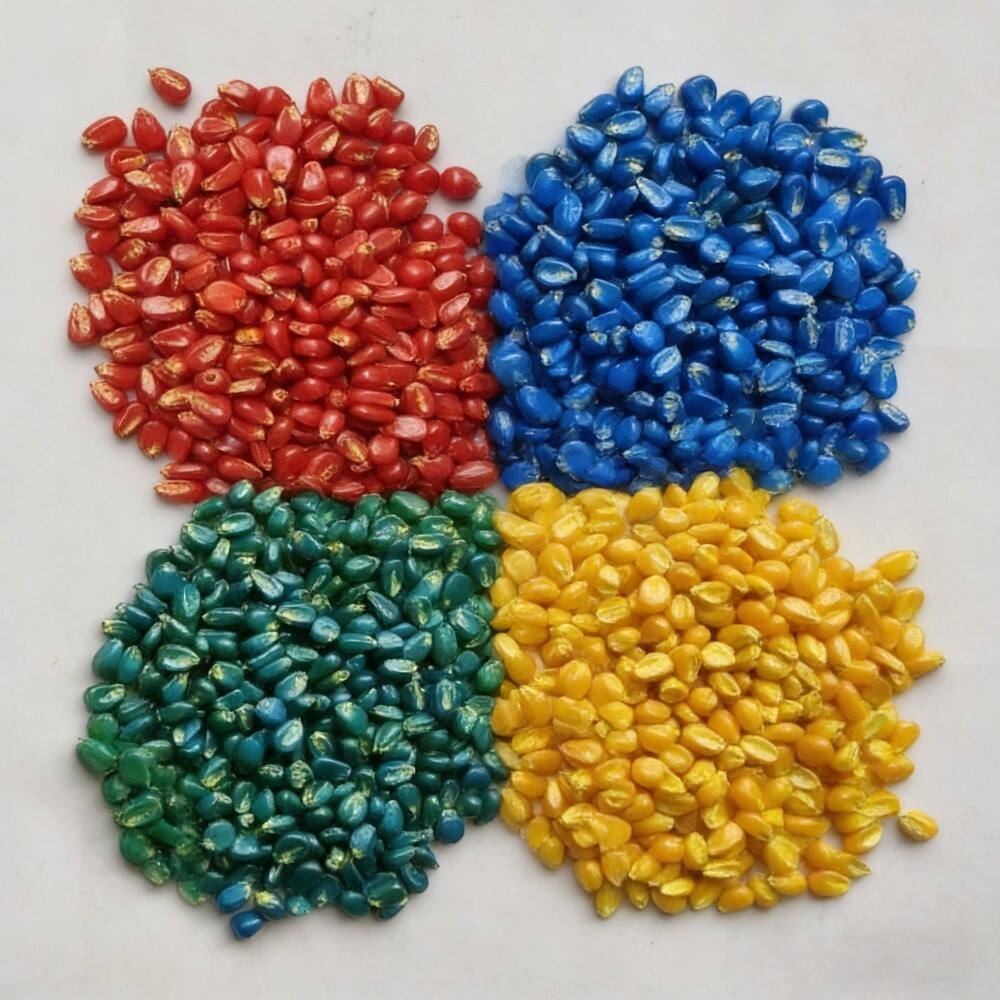
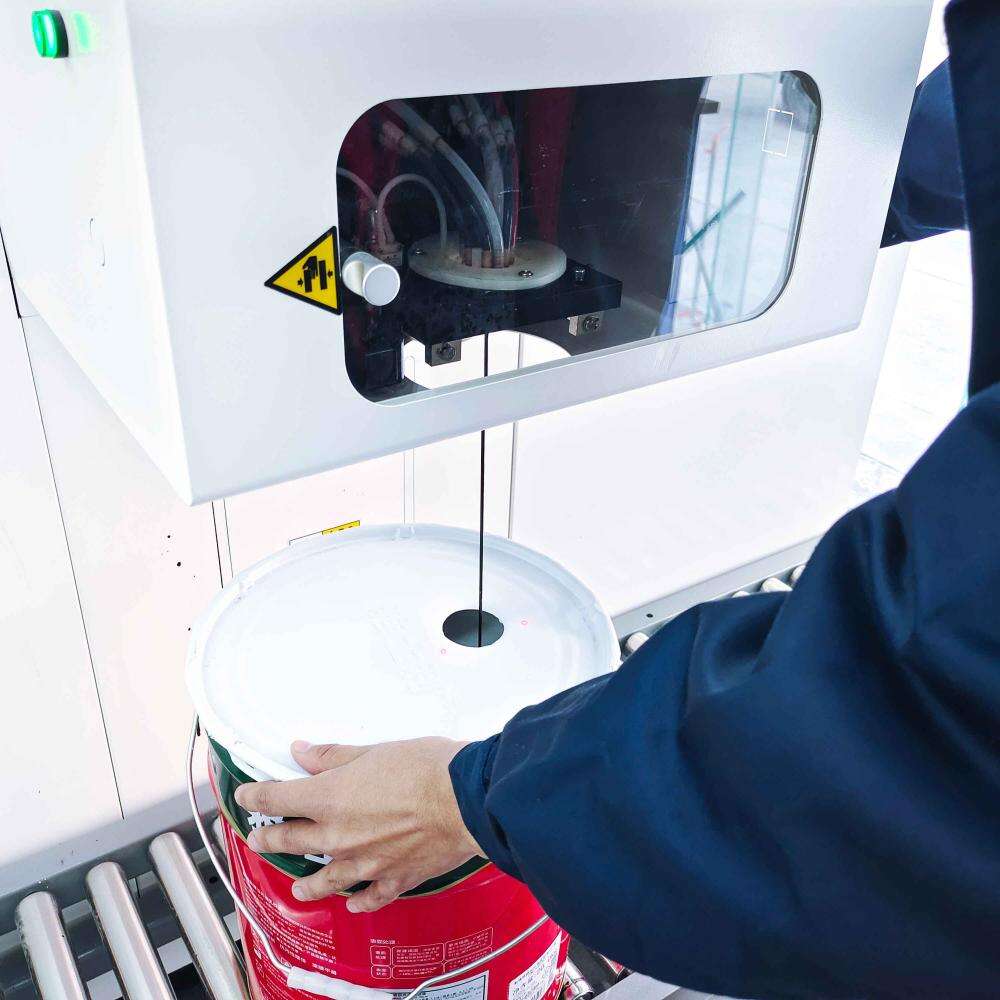
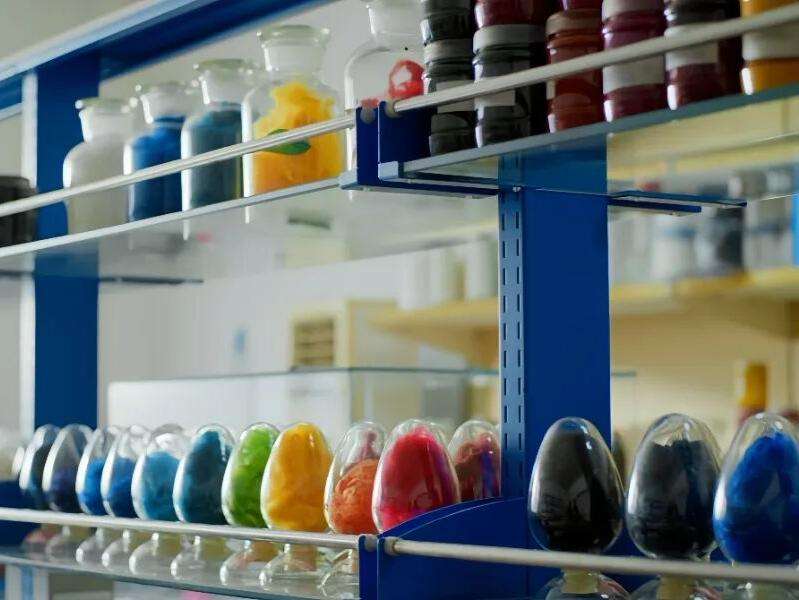
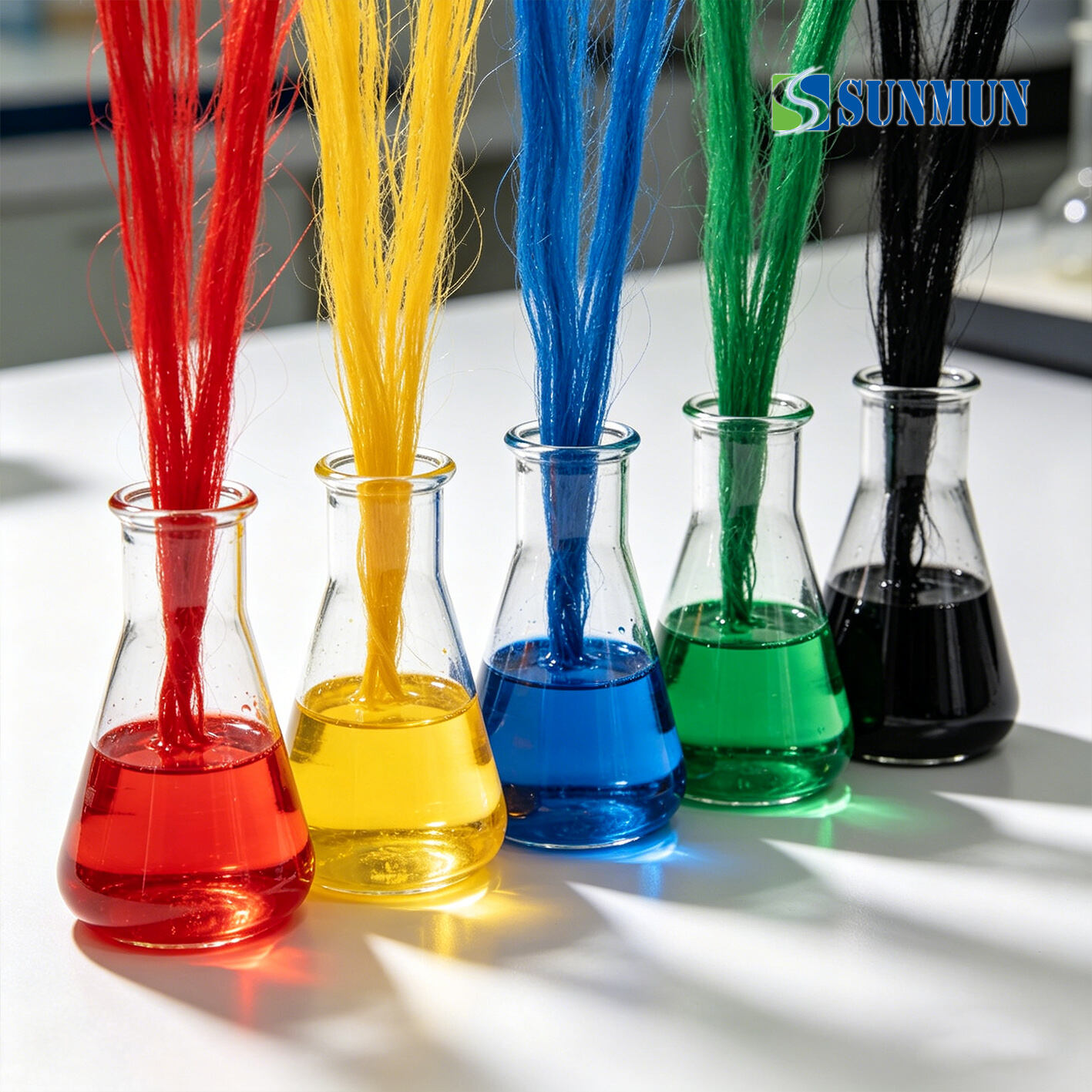
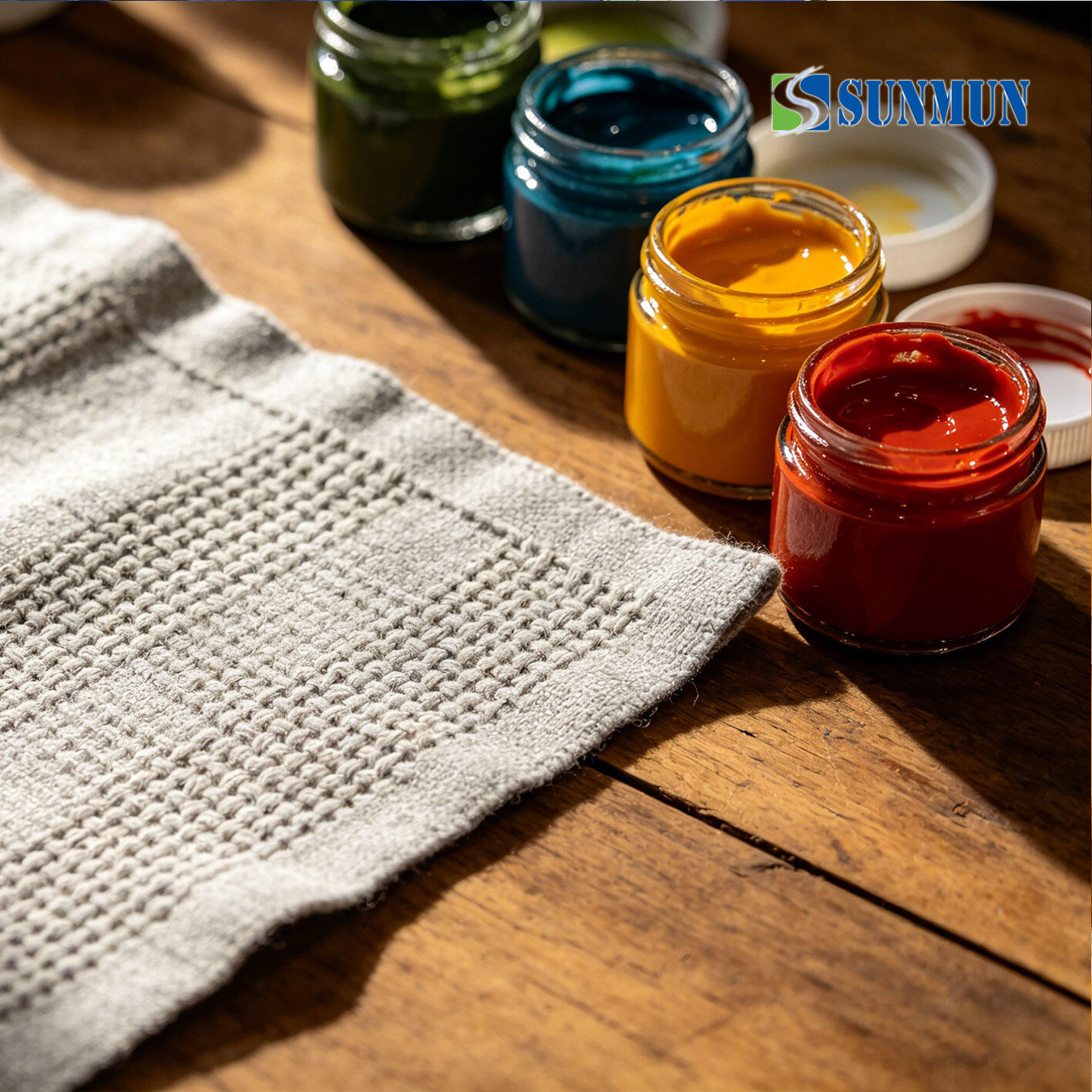
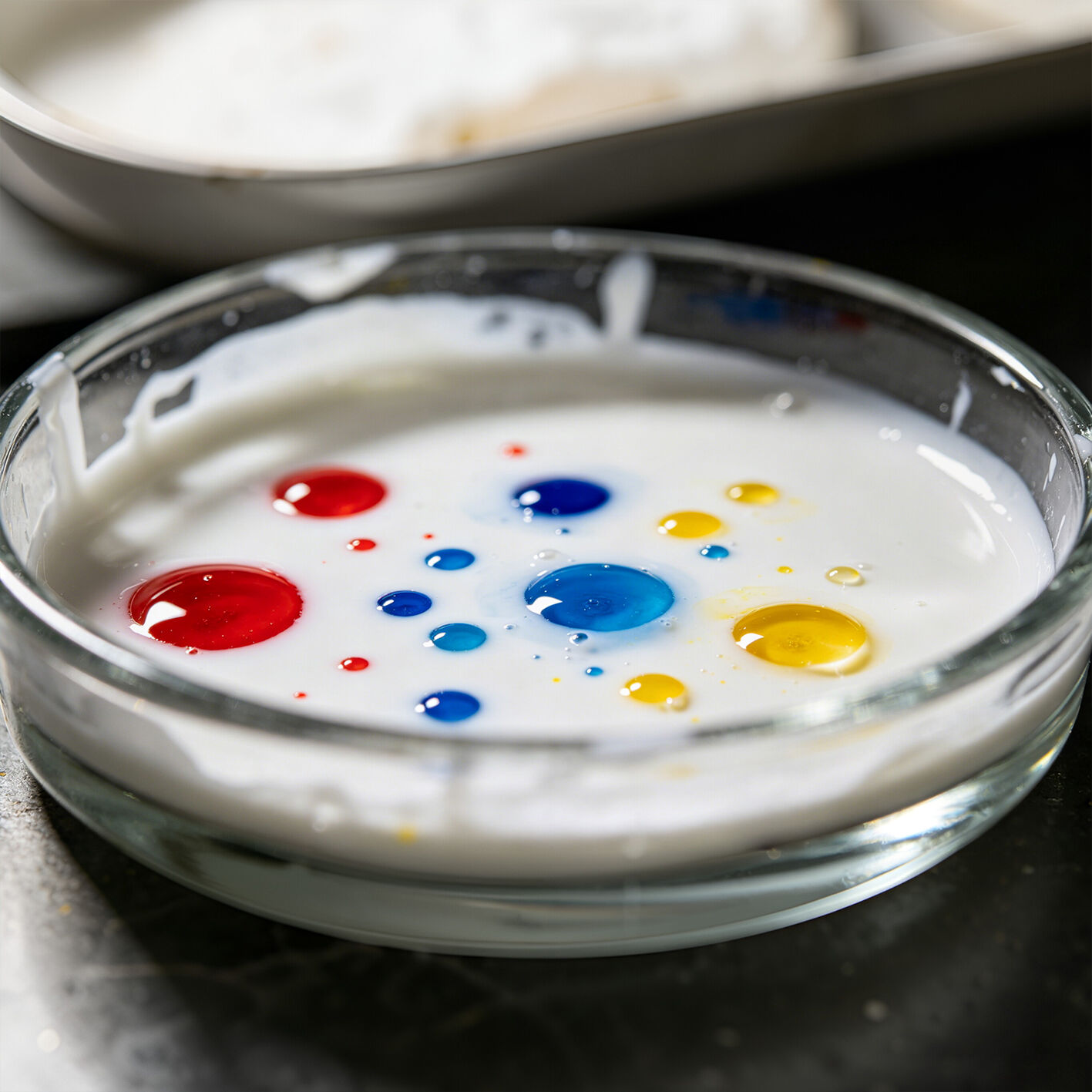
פיזור פיגמנטים בבד представляет התקדמות מהפכנית בטכנולוגיית צביעת טקסטיל, הממירה באופן יסודי את הדרך שבה יצרנים משיגים צבעים זוהרים ועמידים בסוגי בדים שונים. תרכובת כימית מתוחכמת זו מורכבת מחלקיקי פיגמנט קצוצים בקפידה, אשר תלויים בתווך נוזלי, ויוצרים תערובת יציבה ואחדתית ש חודרת לתוך סיבי הבד בצורה יעילה. הטכנולוגיה שעומדת מאחורי פיזור פיגמנטים בבד כוללת שליטה מדויקת בגודל החלקיקים, בדרך כלל בטווח של 0.1 עד 5 מיקרון, כדי להבטיח הפצה אופטימלית של הצבע חדירה טובה לסיבים. בניגוד לשיטות צביעה מסורתיות, פיזור פיגמנטים בבד מציע עמידות צבע מעולה, ראייה סביבתית ויעילות תהליכית גבוהה. הפונקציות העיקריות שלו כוללות הספקת עקביות צבעית מעולה לאורך партиות ייצור גדולות, הענקת עמידות מוגברת לכביסה, והפעלת התאמת צבע מדויקת לצרכים ספציפיים של מותגים. מערכות פיזור פיגמנטים בבד מודרניות משלבות טכנולוגיות מתקדמות לייצוב, שמונעות שיקוע של הפיגמנטים ויצירת גושים, ומבטאות יציבות אחסון ארוכת טווח ותוצאות יישום עקביות. התכונות הטכנולוגיות כוללות יכולת עיבוד בטמפרטורות נמוכות, צמצום צריכה של מים, והתאמה למערכות חלוקה אוטומטיות. פיזורים אלו פועלים ביעילות על מגוון רחב של הרכב בדים, כולל כותנה, פוליאסטר, ניילון וחומרים מעורבים. היישומים משתרעים על פני מגוון תחומים תעשייתיים, החל מייצור אופנה ובגדי יומיום, דרך ריפוד כלי רכב, טקסטיל לבית, ועד בדים טכניים. התחום האוטומוטיבי נהנה במיוחד מפיזור פיגמנטים בבד בשל עמידותו הגבוהה לאור (lightfastness) ועמידותו בתנאים קיצוניים. יצרני טקסטיל לבית מעריכים את השחזור העקבי של הצבע וצמצום זמן העיבוד. מותגי אופנה משתמשים בטכנולוגיה זו כדי להשיג גרדיינטים צבעוניים מורכבים ולשמור על סטנדרטי הצבע של המותג בכל מתקני הייצור השונים. הגמישות של פיזור פיגמנטים בבד מתרחבת ליישומים מיוחדים כגון בדים דלקת-נגד, טקסטיל אנטי-מיקרוביאלי, ובגדי ספורט בעלי ביצועים גבוהים, שבהם שיטות צביעה מסורתיות עלולות לפגוע בתכונות הפונקציונליות.
 ×
×

 EN
EN