Premium Pigment Dispersion for Textile - Superior Color Fastness & Processing Efficiency Solutions

Get a Free Quote

Our representative will contact you soon.
Email
Company Name
Mobile/WhatsApp
Interest of Products
Message
0/1000

pigment dispersion for textile

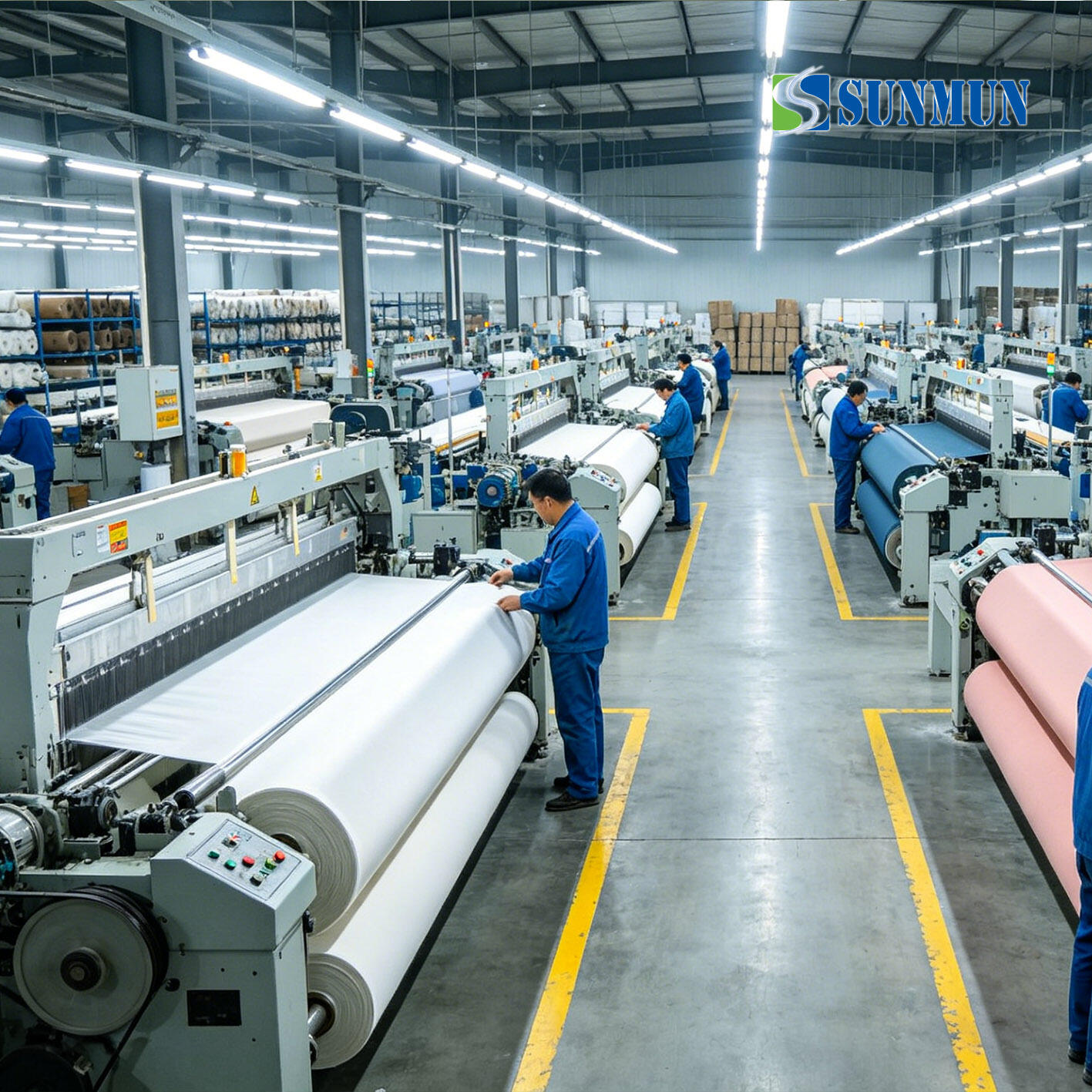
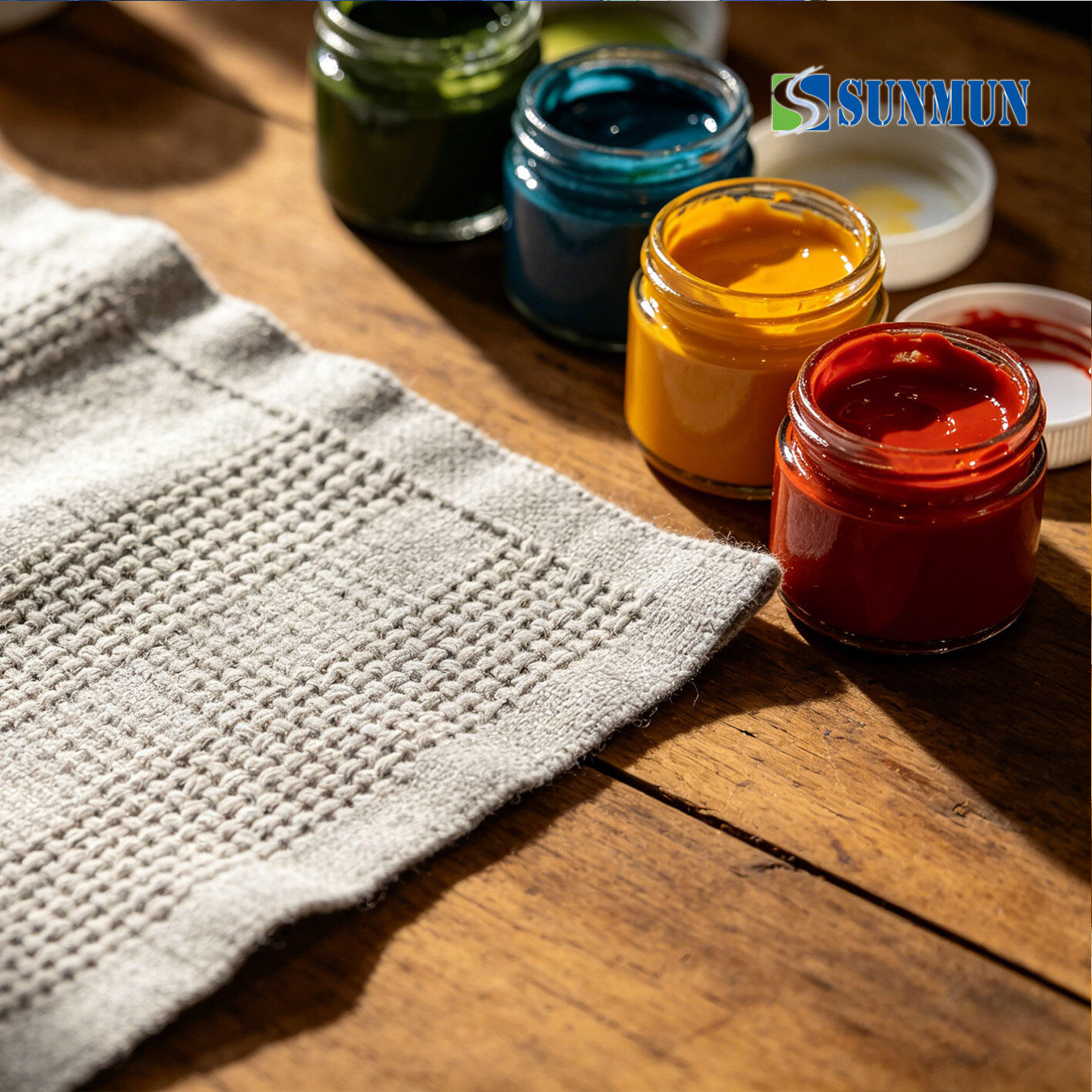
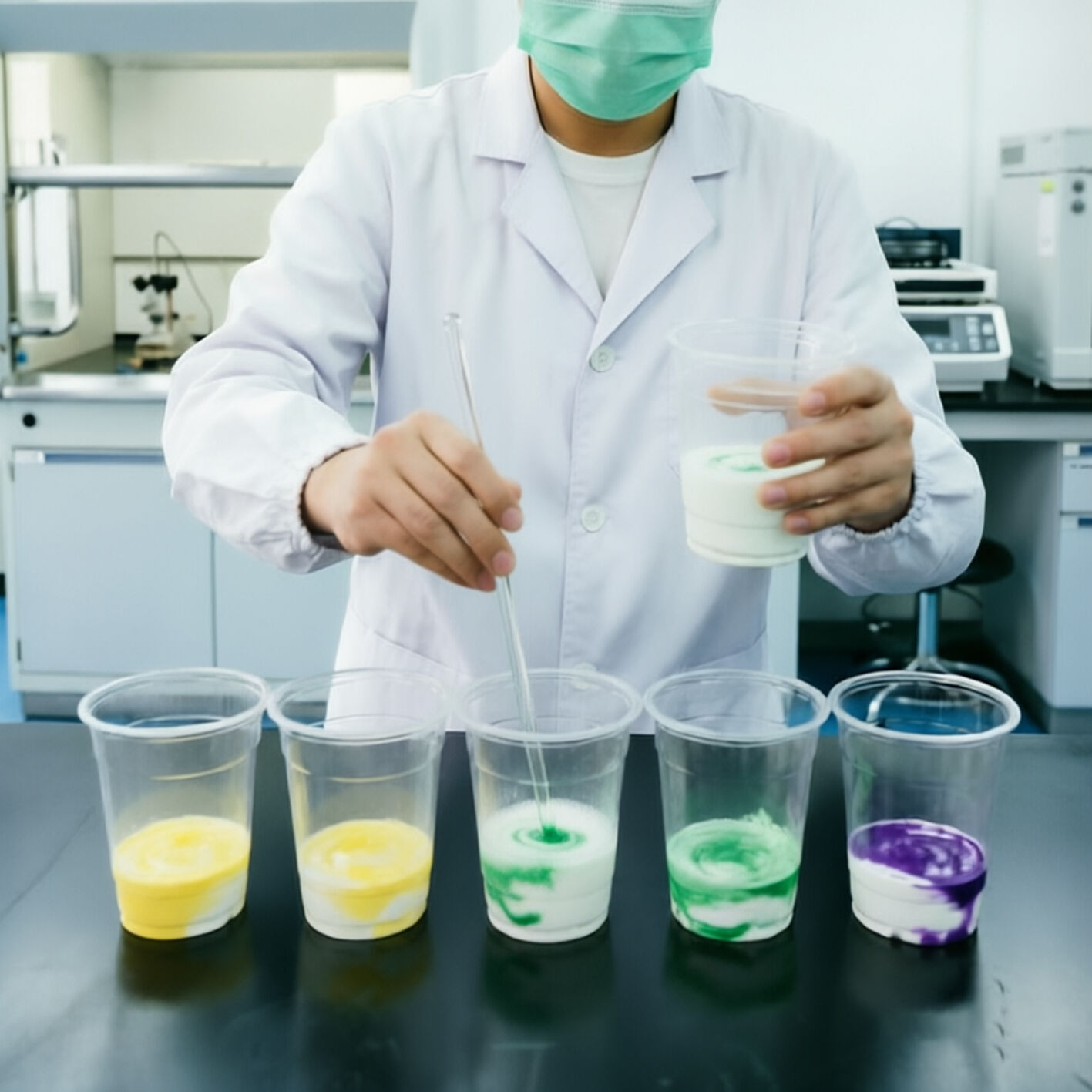
Pigment dispersion for textile represents a crucial component in modern fabric manufacturing, serving as the foundation for achieving vibrant, long-lasting colors in various textile applications. This specialized formulation consists of finely ground pigment particles suspended in a liquid medium, typically water-based carriers combined with dispersing agents, stabilizers, and performance enhancers. The primary function of pigment dispersion for textile lies in delivering consistent color reproduction while ensuring optimal penetration into fabric fibers. Unlike traditional dyeing methods, pigment dispersion for textile offers superior color fastness, reducing the risk of bleeding or fading during washing cycles. The technological features of pigment dispersion for textile include advanced particle size distribution, typically ranging from 50 to 200 nanometers, which ensures uniform coverage and enhanced color depth. Modern pigment dispersion for textile formulations incorporate sophisticated rheology modifiers that control flow properties during application, preventing settling and maintaining stability throughout storage periods. The dispersion technology utilizes high-shear mixing processes and specialized grinding equipment to achieve optimal particle distribution, resulting in smooth application and minimal color variation. Applications of pigment dispersion for textile span across diverse sectors including fashion apparel, home textiles, technical fabrics, and industrial materials. Cotton, polyester, nylon, and blended fabrics all benefit from pigment dispersion for textile treatments, with specific formulations designed to match different fiber characteristics. The printing industry extensively utilizes pigment dispersion for textile in screen printing, digital printing, and pad printing applications, achieving precise color matching and exceptional print quality. Automotive textiles, outdoor fabrics, and performance sportswear rely on pigment dispersion for textile to maintain color integrity under extreme conditions, including UV exposure, temperature fluctuations, and chemical exposure.

New Products

The advantages of pigment dispersion for textile make it an essential choice for manufacturers seeking reliable, cost-effective coloring solutions. First, pigment dispersion for textile delivers exceptional color consistency across production runs, eliminating the variations commonly experienced with conventional dyeing methods. This consistency translates directly into reduced waste, lower production costs, and improved customer satisfaction. The formulation provides excellent lightfastness properties, meaning fabrics treated with pigment dispersion for textile maintain their original colors even after prolonged exposure to sunlight and UV radiation. This durability makes it particularly valuable for outdoor applications, automotive interiors, and home furnishings where color retention is critical. Manufacturing efficiency improves significantly when using pigment dispersion for textile, as the application process requires less energy and water compared to traditional dyeing procedures. The reduced environmental impact stems from lower water consumption, decreased chemical waste, and elimination of high-temperature processing typically required in conventional dyeing operations. Quality control becomes more manageable with pigment dispersion for textile because the pre-dispersed nature of the product ensures uniform distribution and predictable results. Production managers can rely on consistent performance batch after batch, reducing the need for color corrections and minimizing material losses. The versatility of pigment dispersion for textile allows for application across multiple fabric types without requiring significant equipment modifications or process changes. This flexibility enables manufacturers to diversify their product offerings while maintaining operational efficiency. Storage and handling benefits include extended shelf life, reduced inventory requirements, and simplified logistics compared to powder pigments that require on-site dispersion. The ready-to-use nature of pigment dispersion for textile eliminates the need for specialized mixing equipment and reduces preparation time. Cost benefits extend beyond material savings to include reduced labor costs, decreased equipment maintenance, and lower energy consumption. Quality improvements manifest in sharper print definition, better color saturation, and enhanced overall appearance of finished products. The environmental advantages make pigment dispersion for textile an attractive option for companies committed to sustainable manufacturing practices, helping them meet regulatory requirements and corporate sustainability goals.

Tips And Tricks

Sunmun Subsidiary Named

12

Mar

Sunmun Subsidiary Named "Jiangsu Provincial Green Factory", Advancing Sustainable Colorant Production

View More
Sunmun’s Water-Based Color Paste for Viscose Fiber Dope Dyeing Wins “Jiangsu Premium Product” Certification 2025

16

Mar

Sunmun’s Water-Based Color Paste for Viscose Fiber Dope Dyeing Wins “Jiangsu Premium Product” Certification 2025

View More
Sunmun Deepens Southeast Asia Presence with Eco-Friendly Colorants at Pacific Coatings Show 2025

16

Mar

Sunmun Deepens Southeast Asia Presence with Eco-Friendly Colorants at Pacific Coatings Show 2025

View More
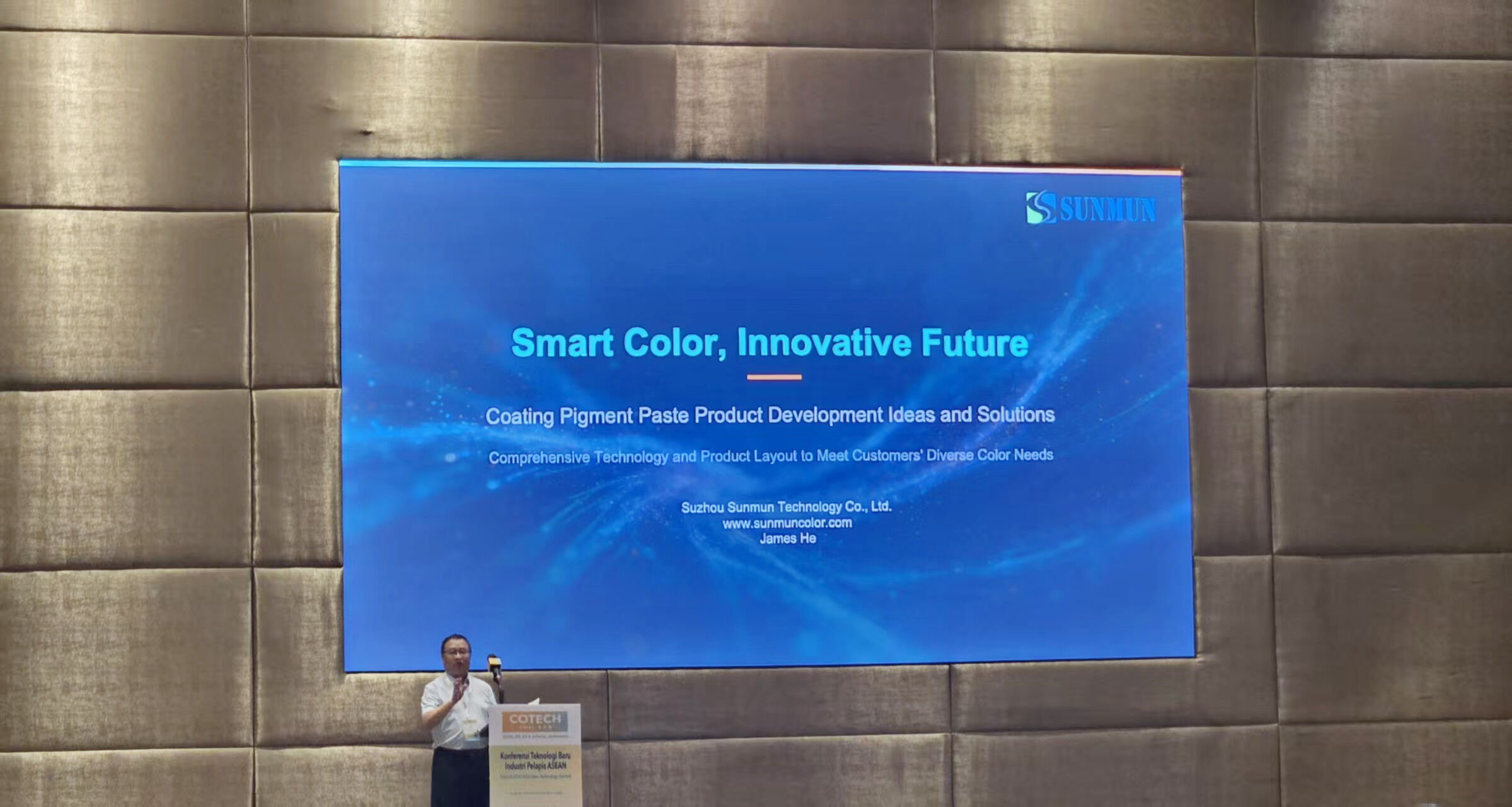
SUNMUN Technology Shines at ASEAN Advanced Coatings Technology Forum in Indonesia

28

Apr

SUNMUN Technology Shines at ASEAN Advanced Coatings Technology Forum in Indonesia

View More

Get a Free Quote

Our representative will contact you soon.
Email
Company Name
Mobile/WhatsApp
Interest of Products
Message
0/1000

pigment dispersion for textile

Superior Color Fastness and Durability Performance

Superior Color Fastness and Durability Performance

The exceptional color fastness properties of pigment dispersion for textile set it apart from traditional coloring methods, delivering unmatched durability that meets the most demanding performance standards. This advanced formulation creates strong molecular bonds between pigment particles and textile fibers, resulting in colors that resist fading, bleeding, and degradation even under harsh conditions. The superior lightfastness rating of pigment dispersion for textile ensures that fabrics maintain their original vibrancy for extended periods, even when exposed to intense UV radiation, making it ideal for outdoor applications, automotive textiles, and architectural fabrics. Washfastness performance exceeds industry standards, with colors remaining stable through hundreds of wash cycles without significant deterioration. The chemical resistance inherent in pigment dispersion for textile protects against chlorine exposure, pH variations, and common household chemicals that typically cause color loss in conventionally dyed fabrics. This durability translates into significant value for end users, as products maintain their aesthetic appeal throughout their intended lifespan, reducing replacement costs and enhancing customer satisfaction. The thermal stability of pigment dispersion for textile allows fabrics to withstand high-temperature processing, including heat-setting operations and industrial laundering procedures, without compromising color integrity. Crockfastness testing consistently demonstrates minimal color transfer, ensuring that pigment dispersion for textile applications maintain their appearance while preventing staining of adjacent materials. The molecular structure of the dispersion creates a protective barrier around individual fibers, shielding them from environmental factors that cause premature aging and color degradation. This comprehensive protection system makes pigment dispersion for textile the preferred choice for applications where long-term color retention is critical, including professional uniforms, medical textiles, and high-end fashion garments. Quality assurance testing confirms that pigment dispersion for textile maintains color consistency even after exposure to ozone, nitrogen oxides, and other atmospheric pollutants commonly found in urban environments.
Enhanced Processing Efficiency and Cost Optimization

Enhanced Processing Efficiency and Cost Optimization

Pigment dispersion for textile revolutionizes manufacturing efficiency by streamlining production processes and significantly reducing operational costs across multiple aspects of textile processing. The pre-dispersed nature eliminates time-consuming preparation steps typically required with powder pigments, allowing manufacturers to begin production immediately upon receipt. This ready-to-use characteristic of pigment dispersion for textile reduces labor requirements, minimizes equipment downtime, and accelerates overall production cycles. Energy consumption decreases substantially because pigment dispersion for textile applications require lower processing temperatures compared to conventional dyeing methods, resulting in reduced utility costs and improved sustainability metrics. Water usage optimization represents a major advantage, as pigment dispersion for textile processes consume significantly less water than traditional dyeing operations, addressing both environmental concerns and operational expenses. The consistent viscosity and flow properties of pigment dispersion for textile ensure uniform application across fabric surfaces, reducing material waste and minimizing the need for reprocessing or quality corrections. Equipment maintenance requirements decrease due to the clean-running characteristics of pigment dispersion for textile, which produces less residue buildup compared to powder-based systems. Production scheduling becomes more flexible because pigment dispersion for textile does not require extensive setup time or specialized mixing procedures, enabling manufacturers to respond quickly to customer demands and market changes. Quality control processes simplify significantly with pigment dispersion for textile, as the pre-tested formulation delivers predictable results that reduce inspection time and minimize rejection rates. Inventory management benefits include reduced storage space requirements, extended shelf life, and simplified handling procedures that lower warehousing costs. The elimination of dust and powder handling hazards improves workplace safety while reducing cleanup time and maintenance costs. Batch-to-batch consistency of pigment dispersion for textile enables automated processing systems to operate with minimal human intervention, further reducing labor costs and improving production efficiency. The scalable nature of pigment dispersion for textile applications allows manufacturers to adjust production volumes easily without significant process modifications or equipment changes.
Versatile Application Compatibility Across Diverse Textile Types

Versatile Application Compatibility Across Diverse Textile Types

The remarkable versatility of pigment dispersion for textile makes it compatible with an extensive range of fiber types, fabric constructions, and application methods, providing manufacturers with unprecedented flexibility in their production capabilities. This adaptability stems from the carefully engineered formulation that works effectively on natural fibers like cotton and linen, synthetic materials including polyester and nylon, and complex blends that combine multiple fiber types. The universal compatibility of pigment dispersion for textile eliminates the need for multiple product inventories, simplifying procurement processes and reducing storage requirements. Screen printing applications benefit from the excellent rheological properties of pigment dispersion for textile, which maintain consistent viscosity during extended print runs while delivering sharp, well-defined images with minimal dot gain. Digital printing systems achieve exceptional results with pigment dispersion for textile formulations specifically designed for inkjet applications, providing accurate color reproduction and excellent print quality across various fabric substrates. Pad printing processes utilize the controlled flow characteristics of pigment dispersion for textile to achieve uniform coverage and penetration, even on challenging surfaces with irregular textures or constructions. The chemistry of pigment dispersion for textile adapts to different fabric finishing treatments, maintaining color integrity through processes like anti-wrinkle treatments, water repellency applications, and flame retardant finishes. Technical textiles benefit from specialized pigment dispersion for textile formulations that meet stringent performance requirements while maintaining colorfastness under extreme conditions including chemical exposure, high temperatures, and mechanical stress. Home textile applications showcase the versatility of pigment dispersion for textile in products ranging from decorative fabrics and upholstery to bed linens and curtains, where both aesthetic appeal and durability are essential. Industrial applications leverage the robust performance of pigment dispersion for textile in conveyor belts, filtration media, and protective clothing where color coding and identification are critical safety features. The compatibility extends to various fabric weights and constructions, from lightweight chiffons to heavy canvas materials, with pigment dispersion for textile formulations adjusting to different penetration requirements and surface characteristics. Post-treatment processes including heat setting, chemical finishing, and mechanical processing maintain the integrity of pigment dispersion for textile applications, ensuring consistent results throughout complete manufacturing sequences.

Get a Free Quote

Our representative will contact you soon.
Email
Company Name
Mobile/WhatsApp
Interest of Products
Message
0/1000