Premium Organic Colorant Solutions - Sustainable High-Performance Coloring Technology

Get a Free Quote

Our representative will contact you soon.
Email
Company Name
Mobile/WhatsApp
Interest of Products
Message
0/1000

organic colorant

Organic colorant represents a revolutionary advancement in the coloring industry, offering sustainable and environmentally responsible solutions for diverse manufacturing applications. Unlike traditional synthetic dyes that rely on petroleum-based chemicals, organic colorant derives from natural sources including plants, minerals, and bio-engineered materials. This innovative coloring technology provides exceptional color vibrancy while maintaining ecological integrity throughout the production process. The organic colorant system incorporates advanced extraction and purification methods that preserve the natural molecular structure of pigments, resulting in superior color stability and longevity. Modern organic colorant formulations utilize cutting-edge biotechnology to enhance color intensity and expand the available spectrum of hues. These colorants demonstrate remarkable compatibility with various substrates including textiles, plastics, paints, cosmetics, and food products. The technological framework behind organic colorant production involves sophisticated processing techniques that eliminate harmful residues while maximizing color yield. Advanced filtration systems ensure consistent quality and purity levels that meet stringent international standards. The organic colorant manufacturing process incorporates sustainable practices that minimize water consumption and eliminate toxic waste streams. Quality control measures include spectrophotometric analysis, lightfastness testing, and chemical composition verification to guarantee optimal performance. The versatility of organic colorant extends beyond traditional applications, enabling innovative uses in emerging technologies such as biodegradable packaging, eco-friendly construction materials, and sustainable fashion. Research continues to expand the capabilities of organic colorant through molecular engineering and bio-synthesis techniques. These developments have resulted in improved color fastness, enhanced UV resistance, and greater thermal stability. The organic colorant industry has experienced significant growth due to increasing consumer awareness of environmental issues and regulatory pressure to reduce chemical pollution. Manufacturing facilities worldwide are transitioning to organic colorant systems to meet sustainability targets and consumer expectations for environmentally responsible products.

New Products

The primary advantage of organic colorant lies in its exceptional environmental safety profile, making it the preferred choice for manufacturers committed to sustainable production practices. Unlike conventional synthetic dyes that contain heavy metals and toxic compounds, organic colorant formulations eliminate harmful chemicals that can contaminate water systems and soil. This environmental benefit translates directly into cost savings for manufacturers who face increasingly strict environmental regulations and disposal fees for hazardous waste materials. The organic colorant system reduces regulatory compliance costs while enhancing corporate reputation among environmentally conscious consumers. Manufacturing facilities using organic colorant experience improved workplace safety conditions since workers are not exposed to toxic fumes or hazardous chemical residues during production processes. The health benefits extend to end consumers who use products colored with organic colorant, particularly in applications involving direct skin contact such as clothing, cosmetics, and food packaging. Quality performance represents another significant advantage of organic colorant technology, delivering superior color consistency and durability compared to many traditional alternatives. The natural molecular structure of organic colorant provides excellent lightfastness properties, ensuring colors remain vibrant even after prolonged exposure to sunlight and washing cycles. This longevity reduces the need for frequent recoloring or replacement, resulting in substantial cost savings over the product lifecycle. Organic colorant demonstrates exceptional compatibility with diverse materials and manufacturing processes, eliminating the need for specialized equipment or extensive process modifications. The versatile nature of organic colorant allows manufacturers to streamline their color inventory while maintaining comprehensive color options for their product lines. Production efficiency improves significantly when using organic colorant systems because they typically require lower processing temperatures and shorter reaction times compared to synthetic alternatives. These efficiency gains translate into reduced energy consumption and faster production cycles, directly impacting profitability. The stability of organic colorant during storage and transportation eliminates waste from color degradation and reduces inventory management complexity. Market demand for products containing organic colorant continues growing rapidly as consumers increasingly prioritize sustainable and health-conscious purchasing decisions, providing manufacturers with competitive advantages and premium pricing opportunities.

Tips And Tricks

Sunmun Subsidiary Named

12

Mar

Sunmun Subsidiary Named "Jiangsu Provincial Green Factory", Advancing Sustainable Colorant Production

View More
Sunmun’s Water-Based Color Paste for Viscose Fiber Dope Dyeing Wins “Jiangsu Premium Product” Certification 2025

16

Mar

Sunmun’s Water-Based Color Paste for Viscose Fiber Dope Dyeing Wins “Jiangsu Premium Product” Certification 2025

View More
Sunmun Deepens Southeast Asia Presence with Eco-Friendly Colorants at Pacific Coatings Show 2025

16

Mar

Sunmun Deepens Southeast Asia Presence with Eco-Friendly Colorants at Pacific Coatings Show 2025

View More
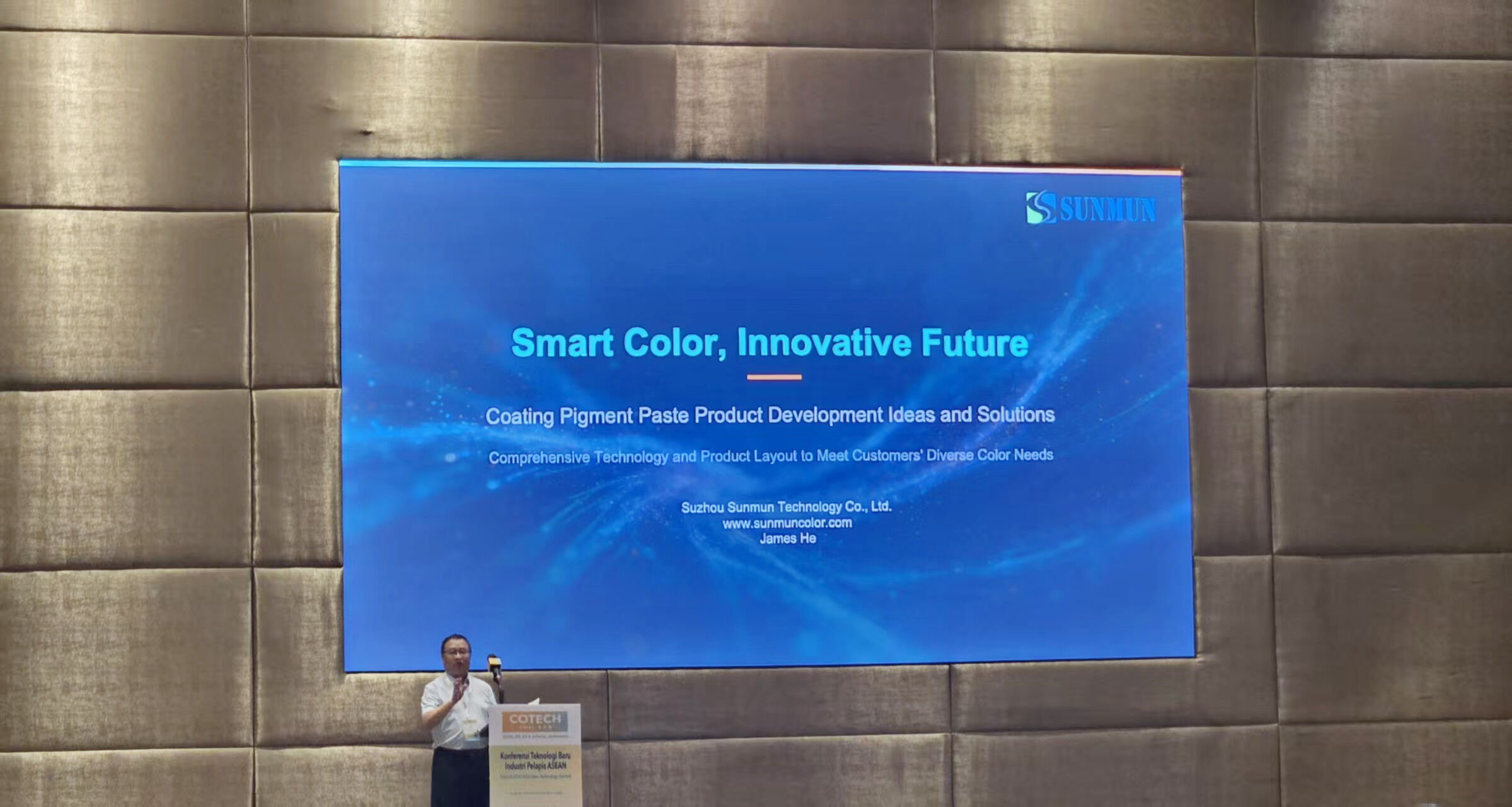
SUNMUN Technology Shines at ASEAN Advanced Coatings Technology Forum in Indonesia

28

Apr

SUNMUN Technology Shines at ASEAN Advanced Coatings Technology Forum in Indonesia

View More

Get a Free Quote

Our representative will contact you soon.
Email
Company Name
Mobile/WhatsApp
Interest of Products
Message
0/1000

organic colorant

Superior Environmental Performance and Sustainability

Superior Environmental Performance and Sustainability

The environmental superiority of organic colorant stems from its fundamental design philosophy that prioritizes ecological harmony throughout the entire production and application lifecycle. This advanced coloring solution addresses critical environmental challenges that have plagued the traditional dyeing industry for decades. The organic colorant manufacturing process eliminates the use of heavy metals such as chromium, lead, and mercury, which are commonly found in conventional synthetic dyes and pose serious threats to aquatic ecosystems and human health. The biodegradable nature of organic colorant ensures that colored products can decompose naturally at the end of their useful life without leaving persistent chemical residues in the environment. This biodegradability characteristic is particularly valuable for applications in packaging materials, textiles, and consumer goods where end-of-life environmental impact is a growing concern. The production of organic colorant requires significantly less water compared to traditional dyeing processes, addressing water scarcity issues that affect many manufacturing regions worldwide. Advanced closed-loop water systems used in organic colorant production enable manufacturers to recycle and reuse process water, further reducing environmental impact and operational costs. The carbon footprint of organic colorant production is substantially lower than synthetic alternatives because the manufacturing process relies on renewable energy sources and eliminates energy-intensive chemical synthesis steps. This reduced carbon footprint helps manufacturers meet increasingly stringent climate goals and carbon emission reduction targets. The organic colorant supply chain incorporates sustainable sourcing practices that support local communities and promote biodiversity conservation. Raw materials for organic colorant production are obtained through fair trade partnerships that ensure ethical labor practices and environmental stewardship. The absence of volatile organic compounds in organic colorant formulations improves air quality in manufacturing facilities and surrounding communities, contributing to better public health outcomes. Regulatory compliance becomes significantly easier for manufacturers using organic colorant because these products meet or exceed environmental standards in major markets worldwide, reducing the risk of regulatory violations and associated penalties.
Exceptional Color Quality and Performance Characteristics

Exceptional Color Quality and Performance Characteristics

The color quality and performance characteristics of organic colorant surpass traditional expectations for natural coloring materials, delivering professional-grade results that meet the demanding requirements of modern manufacturing applications. Advanced extraction and purification techniques preserve the natural chromophore structures responsible for vibrant colors while eliminating impurities that could affect color stability or consistency. The organic colorant system provides an extensive color palette that rivals synthetic alternatives, offering manufacturers the flexibility to create virtually any desired hue or shade. Sophisticated color matching capabilities enable precise reproduction of brand colors and design specifications, ensuring consistent quality across large production runs. The molecular stability of organic colorant results in exceptional lightfastness properties, with many formulations achieving the highest ratings in international standardized testing protocols. This superior lightfastness means that products colored with organic colorant maintain their original appearance even after extended exposure to sunlight, artificial lighting, and atmospheric conditions. The thermal stability of organic colorant allows for high-temperature processing applications without color degradation, making it suitable for injection molding, extrusion, and other heat-intensive manufacturing processes. Color migration resistance ensures that organic colorant remains stable within the intended substrate without bleeding or transferring to adjacent materials, which is crucial for multi-component products and applications requiring precise color boundaries. The organic colorant system demonstrates excellent compatibility with various chemical environments, maintaining color integrity when exposed to acids, bases, and other reactive substances commonly encountered during manufacturing and use. This chemical resistance extends the useful life of colored products and reduces maintenance requirements. The particle size distribution of organic colorant is engineered for optimal dispersion characteristics, ensuring uniform color distribution throughout the substrate material. This uniformity eliminates common quality issues such as color streaking, mottling, or uneven coverage that can occur with poorly dispersed colorants. The organic colorant formulation process allows for customization of specific performance characteristics to match unique application requirements, providing manufacturers with tailored solutions that optimize both color quality and functional performance.
Cost-Effective Production and Market Advantages

Cost-Effective Production and Market Advantages

The economic benefits of implementing organic colorant systems extend far beyond initial material costs, creating substantial value through improved operational efficiency, reduced regulatory compliance expenses, and enhanced market positioning. Manufacturing facilities transitioning to organic colorant experience significant reductions in waste treatment and disposal costs because organic formulations generate fewer hazardous byproducts compared to synthetic alternatives. The simplified waste management requirements eliminate the need for specialized hazardous waste contractors and reduce regulatory reporting obligations, resulting in both direct cost savings and reduced administrative burden. Energy efficiency improvements become immediately apparent when using organic colorant because these materials typically require lower processing temperatures and shorter reaction times during application. These energy savings translate into reduced utility costs and improved production capacity utilization, directly impacting profit margins. The organic colorant system reduces equipment maintenance requirements because natural formulations are less corrosive and generate fewer deposits that can clog filters or damage processing equipment. Extended equipment life and reduced maintenance downtime contribute to improved operational reliability and lower total cost of ownership. Inventory management becomes more efficient with organic colorant because these materials demonstrate superior storage stability compared to many synthetic alternatives that may degrade over time or require special storage conditions. The reduced inventory spoilage and elimination of expired material waste improve working capital efficiency and reduce overall material costs. Market positioning advantages become increasingly valuable as consumer preferences shift toward sustainable and environmentally responsible products. Products colored with organic colorant command premium pricing in many market segments, improving profit margins while building brand value and customer loyalty. The organic colorant certification enables access to green building programs, eco-label certifications, and sustainable procurement initiatives that can significantly expand market opportunities. Export potential increases substantially for products containing organic colorant because many international markets have implemented strict environmental regulations that favor natural and sustainable materials. The reduced regulatory risk associated with organic colorant protects manufacturers from potential future restrictions on synthetic chemicals that could disrupt supply chains or require costly product reformulations. Investment in organic colorant technology positions manufacturers ahead of regulatory trends and consumer preferences, ensuring long-term competitive sustainability and market relevance.

Get a Free Quote

Our representative will contact you soon.
Email
Company Name
Mobile/WhatsApp
Interest of Products
Message
0/1000