masterbatch fungsional
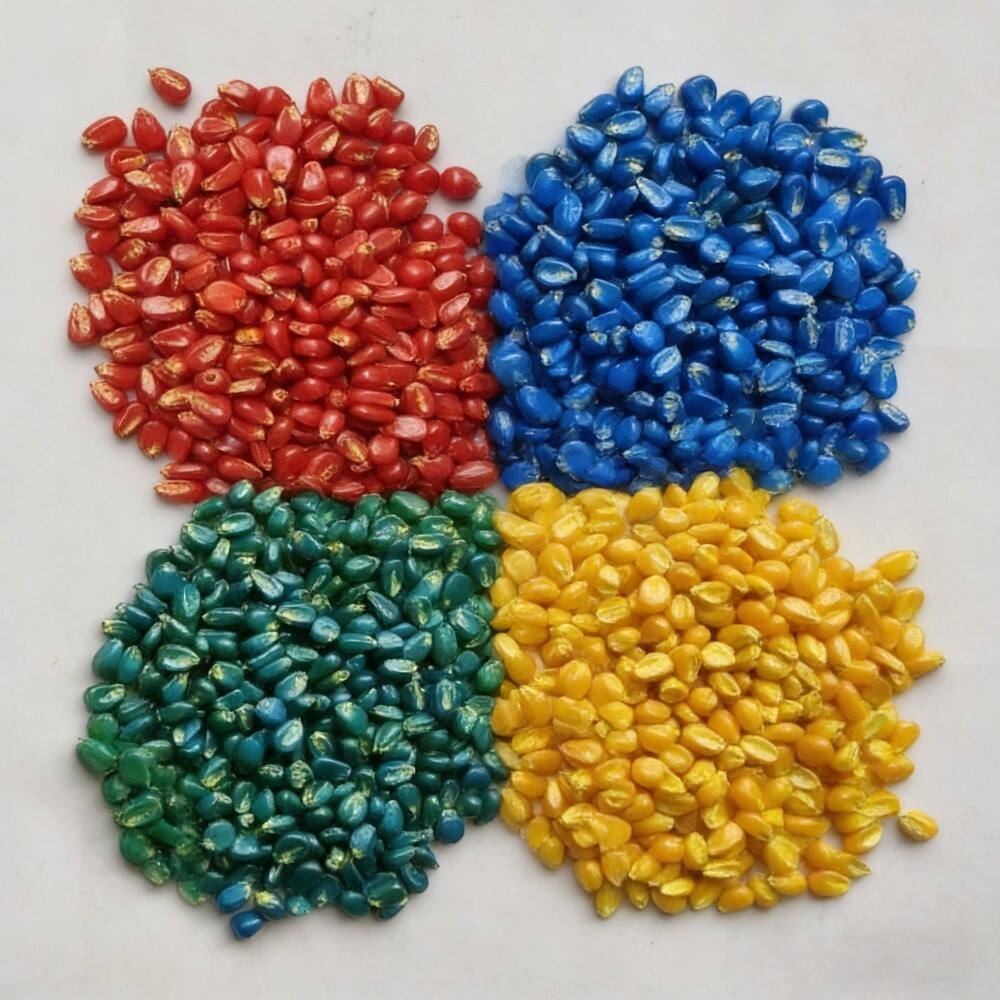
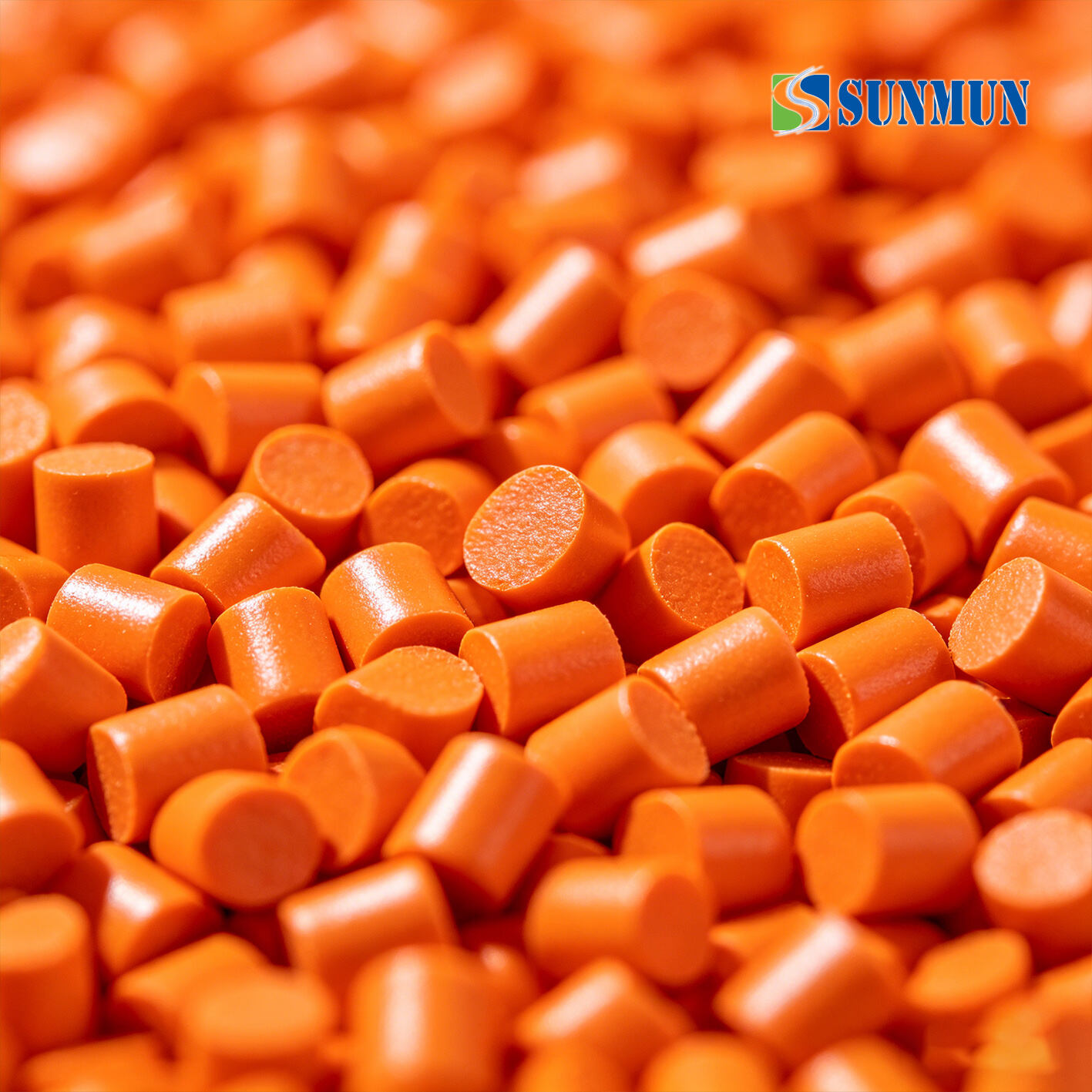
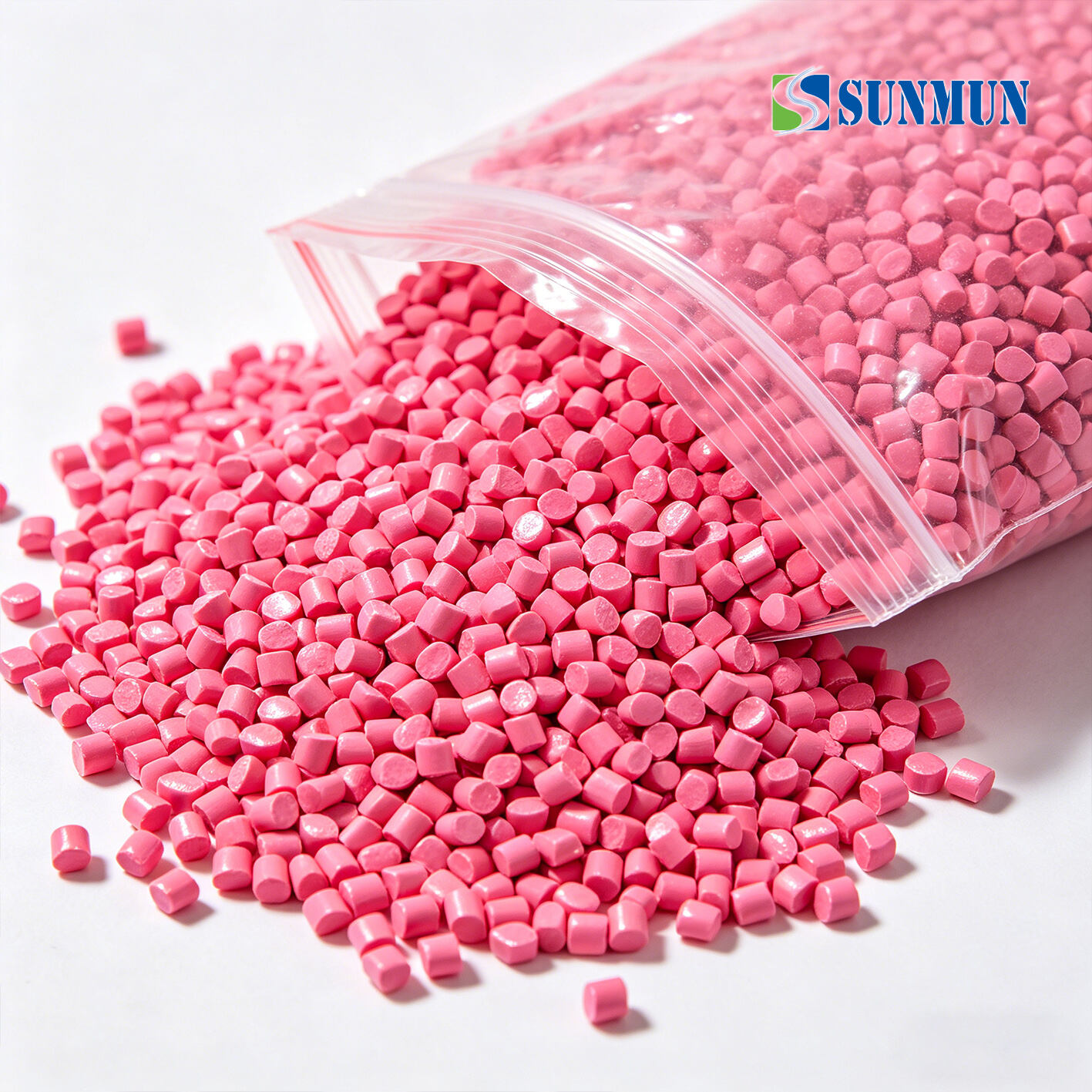
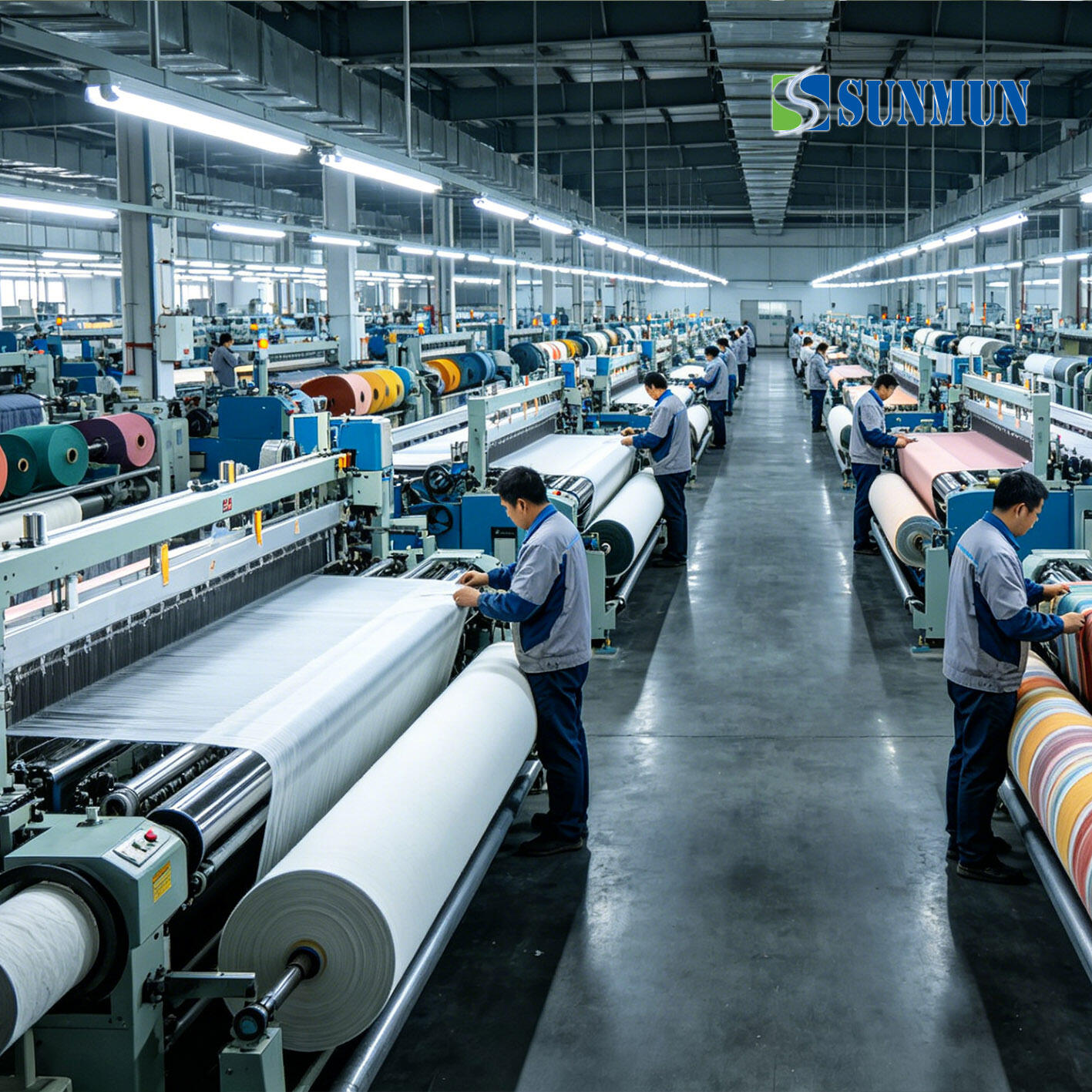
Masterbatch fungsional merupakan kemajuan revolusioner dalam teknologi manufaktur plastik, berfungsi sebagai solusi aditif terkonsentrasi yang mengubah bahan polimer standar menjadi produk berkinerja tinggi dengan karakteristik khusus. Bahan inovatif ini terdiri atas bahan aktif yang dipilih secara cermat dan didispersikan secara seragam dalam sistem resin pembawa, sehingga membentuk campuran terkonsentrasi yang memberikan sifat fungsional spesifik ketika diintegrasikan ke dalam plastik dasar selama proses pengolahan. Teknologi masterbatch fungsional memungkinkan produsen meningkatkan kinerja produk mereka melalui peningkatan kinerja yang ditargetkan, sekaligus mempertahankan efisiensi biaya dan efisiensi produksi. Fungsi utama masterbatch fungsional meliputi perlindungan antimikroba, stabilisasi UV, ketahanan api, sifat antistatis, konduktivitas termal, serta peningkatan sifat penghalang. Aditif khusus ini bekerja secara sinergis dalam matriks polimer untuk memberikan kinerja konsisten sepanjang siklus hidup produk. Fitur teknologis masterbatch fungsional mencakup kualitas dispersi unggul, muatan aditif yang presisi, stabilitas termal selama proses pengolahan, serta kompatibilitas dengan berbagai sistem polimer. Proses manufaktur canggih menjamin setiap batch memenuhi standar kendali kualitas yang ketat, sehingga menghasilkan kinerja yang dapat diprediksi bagi pengguna akhir. Aplikasinya mencakup berbagai industri, antara lain kemasan, otomotif, konstruksi, elektronik, tekstil, dan barang konsumen. Dalam aplikasi kemasan, masterbatch fungsional memberikan sifat penghalang oksigen, perlindungan antimikroba, serta ketahanan UV guna memperpanjang masa simpan produk dan menjaga kualitasnya. Aplikasi otomotif memanfaatkan sifat tahan api, manajemen termal, serta pelindung interferensi elektromagnetik. Bahan konstruksi mengintegrasikan masterbatch fungsional untuk ketahanan cuaca, permukaan antimikroba, dan daya tahan yang lebih baik. Industri elektronik memanfaatkan bahan ini untuk disipasi statis, konduktivitas termal, serta kompatibilitas elektromagnetik. Teknologi serba guna ini terus berkembang, mengintegrasikan bahan aktif baru dan mekanisme pengantaran yang inovatif guna memenuhi tuntutan pasar yang terus berkembang, sekaligus mendukung praktik manufaktur berkelanjutan dan tanggung jawab lingkungan.
 ×
×

 EN
EN