տպագրության մատիտի գունանյութ
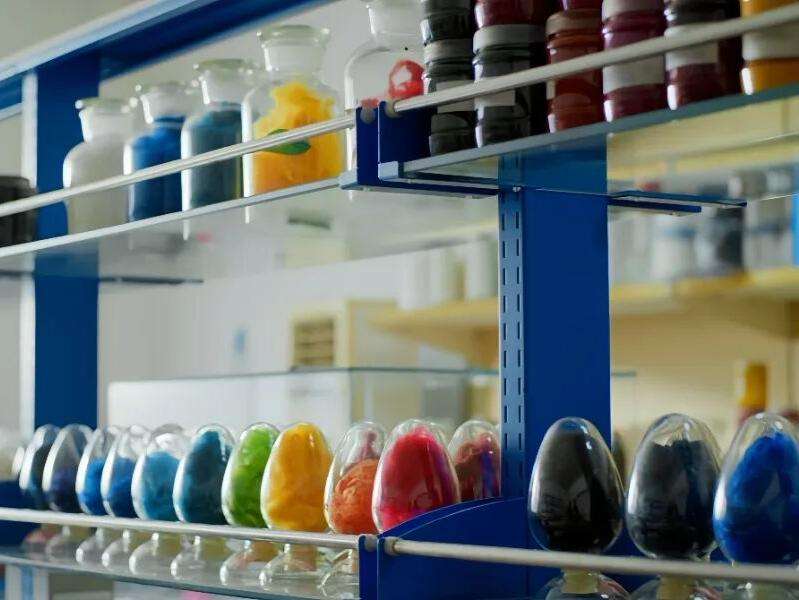
Տպագրության մատիտի գունանյութը ներկայացնում է հիմնարար գունավորման բաղադրիչը, որը սովորական մատիտի բաղադրատոմսերը վերածում է վառ, պրոֆեսիոնալ մակարդակի տպագրական լուծումների: Այս մասնագիտացված գունանյութերը հանդիսանում են ժամանակակից տպագրության տեխնոլոգիայի հիմքը՝ ապահովելով համասեռ գունային վերարտադրում տարբեր տպագրական կիրառումներում: Տպագրության մատիտի գունանյութի հիմնական գործառույթն ապահովելն է կայուն և մշտական գունավորում, որը պահպանում է իր ամբողջականությունը տպագրության ընթացքում և դրանից հետո: Ի տարբերություն ներկերի, որոնք լիովին լուծվում են հեղուկ միջավայրում, տպագրության մատիտի գունանյութի մասնիկները մնում են կախված, ապահովելով գերազանց անթափանցելիություն և ծածկույթ, ինչը պահանջվում է պրոֆեսիոնալ տպագրիչների կողմից: Տպագրության մատիտի գունանյութի տեխնոլոգիական հատկանիշներն են՝ բացառիկ լուսակայունությունը, քիմիական դիմացկունությունը և ջերմային կայունությունը: Այս հատկանիշները երաշխավորում են, որ տպագրված նյութերը երկար ժամանակ պահպանում են իրենց տեսողական գրավչությունը, նույնիսկ երբ ենթարկվում են ծանր շրջակա միջավայրի ազդեցությանը: Զարգացած արտադրական գործընթացները ստեղծում են տպագրության մատիտի գունանյութ՝ ճշգրիտ մասնիկների չափսի բաշխմամբ, ինչը հնարավորություն է տալիս ապահովել մատիտի հարթ հոսքը և կանխել թարթիչների խցանումը թվային տպագրական համակարգերում: Տպագրության մատիտի գունանյութի կիրառումները ընդգրկում են առևտրային տպագրությունը, փաթեթավորումը, տեքստիլի տպագրությունը և հատուկ կիրառումները: Առևտրային տպագրիչները հիմնվում են տպագրության մատիտի գունանյութի վրա՝ արտադրելու մարքեթինգային նյութեր, բրոշյուրներ և հրատարակություններ, որոնք պահանջում են երկարատև գունային վառություն: Փաթեթավորման արտադրողները օգտագործում են այս գունանյութերը՝ ստեղծելու աչքի գրավող ապրանքների պիտակներ և տարաներ, որոնք դիմանում են տրանսպորտավորման և պահեստավորման մարտահրավերներին: Տեքստիլի արդյունաբերությունը կախված է տպագրության մատիտի գունանյութից՝ ստեղծելու մոդայական հագուստ և տնային տեքստիլ ապրանքներ՝ մշտական գունային կայունությամբ: Հատուկ կիրառումների մեջ մտնում է անվտանգության տպագրությունը, որտեղ տպագրության մատիտի գունանյութը ներառում է հակակեղծարար միջոցների համար յուրահատուկ հատկանիշներ: Տպագրության մատիտի գունանյութի բազմակողմանիությունը տարածվում է տարբեր տպագրական տեխնոլոգիաների վրա, այդ թվում՝ օֆսետային լիտոգրաֆիա, ֆլեքսոգրաֆիա, գրավյուր և թվային տպագրական համակարգեր: Յուրաքանչյուր կիրառում օգտվում է համասեռ աշխատանքից և հուսալիությունից, որոնք ապահովում են որակյալ տպագրության մատիտի գունանյութերը, ինչը դարձնում է այն անփոխարինելի բաղադրիչ ամբողջ աշխարհում պրոֆեսիոնալ տպագրական գործողություններում:

 EN
EN