Premium Pigment Dispersion for Ink - Advanced Color Solutions for Professional Printing

Get a Free Quote

Our representative will contact you soon.
Email
Company Name
Mobile/WhatsApp
Interest of Products
Message
0/1000

pigment dispersion for ink

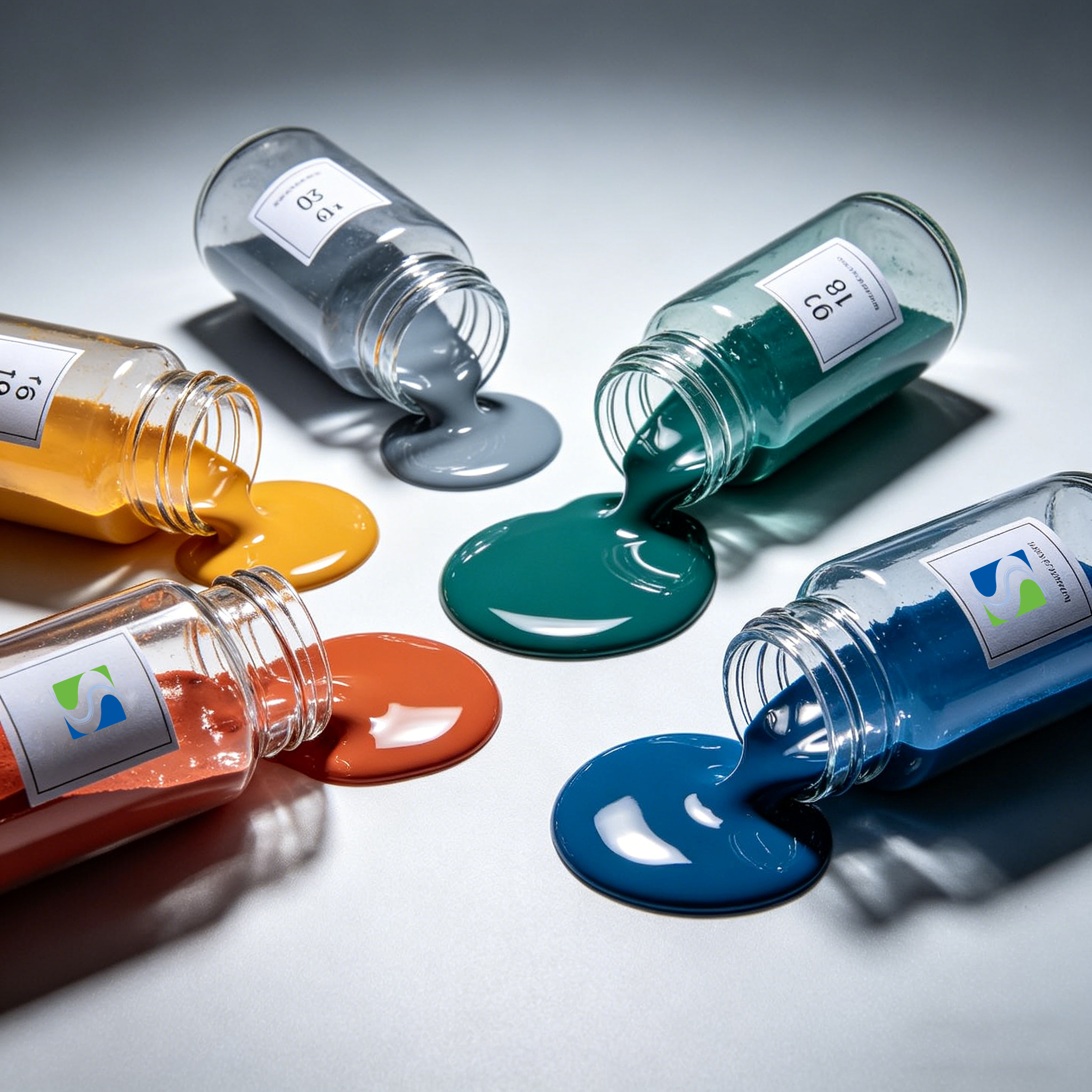
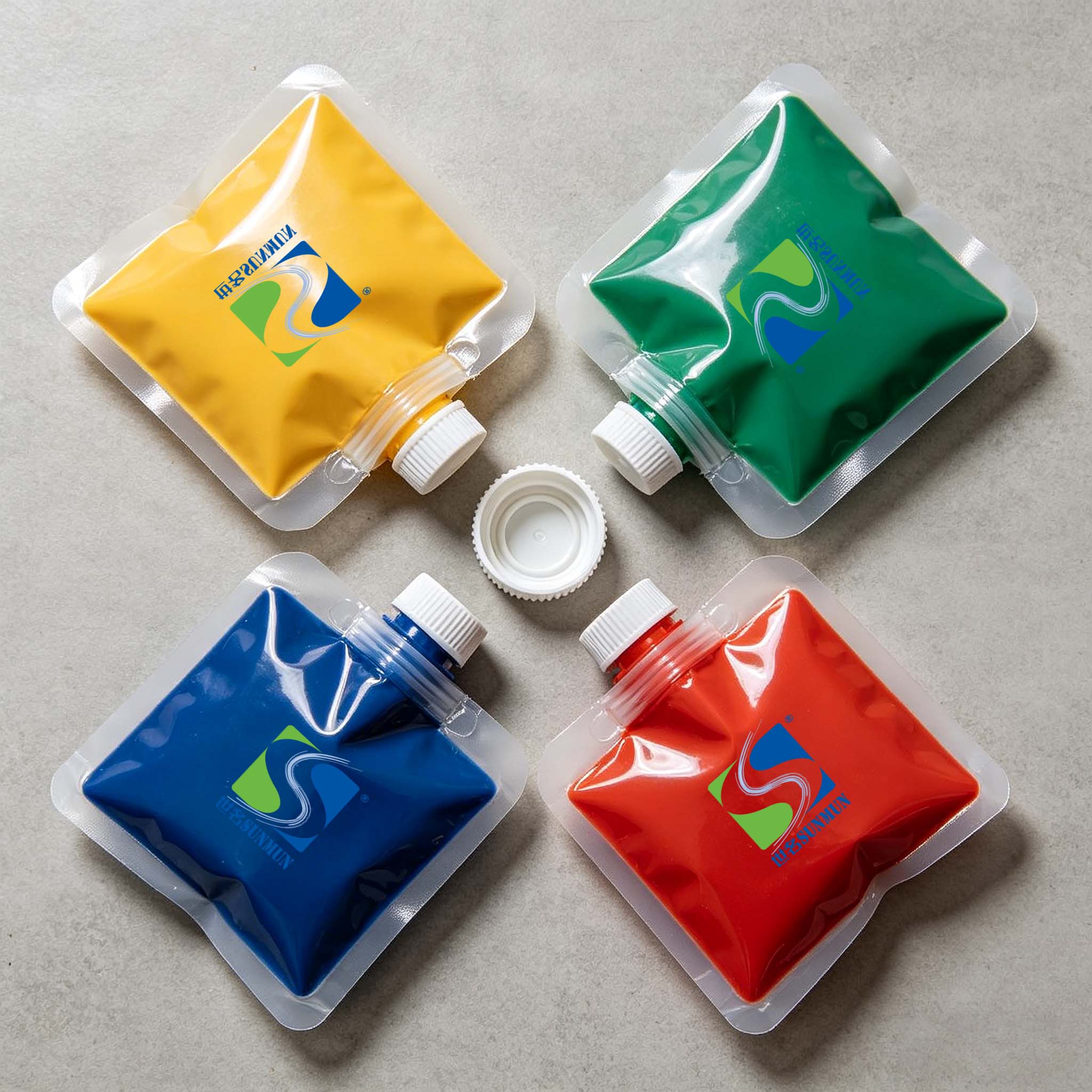
Pigment dispersion for ink represents a critical technological advancement in modern printing and coating applications, serving as the foundation for high-quality color reproduction and performance consistency. This sophisticated formulation consists of finely ground pigment particles uniformly distributed within a liquid carrier system, creating a stable suspension that maintains its properties throughout storage and application processes. The primary function of pigment dispersion for ink involves delivering consistent color density, improved flow characteristics, and enhanced printability across various substrates and printing technologies. The technological features of pigment dispersion for ink include advanced particle size distribution control, superior wetting agents, and specialized stabilizers that prevent settling and agglomeration. These formulations undergo rigorous quality control processes to ensure optimal viscosity, pH balance, and color strength consistency. The dispersion process utilizes high-speed mixing equipment and sophisticated grinding techniques to achieve nano-scale particle sizes, resulting in enhanced transparency, gloss, and color saturation. Modern pigment dispersion for ink incorporates cutting-edge additives that improve compatibility with different resin systems, enhance adhesion properties, and provide resistance to fading, chemicals, and environmental factors. Applications for pigment dispersion for ink span across multiple industries, including commercial printing, packaging, textiles, automotive coatings, and digital printing systems. In offset printing applications, pigment dispersion for ink ensures smooth ink transfer, reduced dot gain, and consistent color reproduction throughout long print runs. The packaging industry relies on pigment dispersion for ink to achieve vibrant colors that maintain their integrity under various storage conditions and handling processes. Digital printing applications benefit from the precise rheological properties of pigment dispersion for ink, enabling consistent droplet formation and accurate color placement. The versatility of pigment dispersion for ink extends to specialty applications such as security printing, where specific formulations provide unique identification features and anti-counterfeiting properties.

Popular Products

The advantages of pigment dispersion for ink deliver substantial benefits that directly impact productivity, quality, and cost-effectiveness for printing operations across various industries. One significant advantage involves superior color consistency that eliminates batch-to-batch variations, ensuring that every print job meets exact color specifications without requiring constant adjustments or reprints. This consistency translates into reduced waste, lower production costs, and enhanced customer satisfaction through reliable color matching. The enhanced flow properties of pigment dispersion for ink improve printing efficiency by reducing downtime associated with cleaning and maintenance procedures, while providing smoother ink transfer that minimizes streaking and uneven coverage. Users experience faster setup times and reduced ink consumption due to the optimized viscosity characteristics that ensure complete substrate coverage with minimal material usage. The stability features of pigment dispersion for ink prevent settling and separation during storage, eliminating the need for constant stirring and reducing product waste from degraded materials. This stability extends shelf life significantly, allowing businesses to maintain larger inventories without concerns about product deterioration or performance degradation. The improved adhesion properties of pigment dispersion for ink create stronger bonds with substrates, resulting in prints that resist scratching, rubbing, and environmental damage, thereby reducing customer complaints and warranty issues. Enhanced opacity and coverage characteristics allow for reduced ink laydown while maintaining desired color intensity, leading to material cost savings and improved production throughput. The compatibility of pigment dispersion for ink with various printing systems eliminates the need for multiple inventory items, simplifying procurement processes and reducing storage requirements. Advanced formulations resist temperature fluctuations and humidity changes, maintaining consistent performance across different operating conditions and seasonal variations. The reduced tendency for clogging and system contamination minimizes equipment maintenance requirements, resulting in lower operational costs and increased machine uptime. Users benefit from improved print quality through enhanced detail reproduction, sharper text definition, and more accurate color gradations that meet demanding customer expectations. The environmental advantages include reduced volatile organic compound emissions and improved recyclability of printed materials, supporting sustainability initiatives while maintaining superior performance standards.

Practical Tips

Sunmun Subsidiary Named

12

Mar

Sunmun Subsidiary Named "Jiangsu Provincial Green Factory", Advancing Sustainable Colorant Production

View More
Sunmun’s Water-Based Color Paste for Viscose Fiber Dope Dyeing Wins “Jiangsu Premium Product” Certification 2025

16

Mar

Sunmun’s Water-Based Color Paste for Viscose Fiber Dope Dyeing Wins “Jiangsu Premium Product” Certification 2025

View More
Sunmun Deepens Southeast Asia Presence with Eco-Friendly Colorants at Pacific Coatings Show 2025

16

Mar

Sunmun Deepens Southeast Asia Presence with Eco-Friendly Colorants at Pacific Coatings Show 2025

View More
SUNMUN Technology Shines at ASEAN Advanced Coatings Technology Forum in Indonesia

28

Apr

SUNMUN Technology Shines at ASEAN Advanced Coatings Technology Forum in Indonesia

View More

Get a Free Quote

Our representative will contact you soon.
Email
Company Name
Mobile/WhatsApp
Interest of Products
Message
0/1000

pigment dispersion for ink

Revolutionary Nano-Scale Particle Technology for Superior Print Quality

Revolutionary Nano-Scale Particle Technology for Superior Print Quality

The revolutionary nano-scale particle technology incorporated in modern pigment dispersion for ink represents a breakthrough achievement that fundamentally transforms printing quality standards across multiple applications. This advanced technology utilizes sophisticated grinding and dispersion techniques to achieve particle sizes measuring less than 100 nanometers, creating an unprecedented level of color clarity and vibrancy that was previously unattainable with conventional formulations. The nano-scale particles in pigment dispersion for ink provide exceptional transparency characteristics that allow for accurate color layering and precise color mixing, enabling printers to achieve complex color effects and gradients with remarkable precision. This technology eliminates the grainy appearance often associated with larger particle dispersions, resulting in smooth, uniform color coverage that enhances the visual appeal of printed materials. The reduced particle size also improves the stability of pigment dispersion for ink by minimizing settling tendencies and maintaining consistent suspension throughout extended storage periods. Users benefit from enhanced color strength and saturation that requires less ink volume to achieve desired color intensity, leading to significant cost savings in high-volume printing operations. The nano-scale particles facilitate better penetration into substrate fibers, creating stronger mechanical bonds that improve print durability and resistance to fading. This technology enables pigment dispersion for ink to deliver exceptional performance on challenging substrates such as synthetic materials, coated papers, and specialty films that traditionally present adhesion difficulties. The uniform particle distribution achieved through nano-scale technology ensures consistent rheological properties that improve printability across various printing speeds and conditions. Advanced quality control measures monitor particle size distribution continuously during production, guaranteeing that every batch of pigment dispersion for ink meets stringent specifications for particle uniformity and performance consistency. The nano-scale technology also enhances the optical properties of printed materials, providing improved light fastness and color stability that maintains print quality over extended periods. This innovation supports high-resolution printing applications where fine detail reproduction and color accuracy are critical requirements for customer satisfaction and brand representation.
Advanced Chemical Stability for Extended Performance and Reliability

Advanced Chemical Stability for Extended Performance and Reliability

The advanced chemical stability engineered into modern pigment dispersion for ink formulations provides unmatched performance reliability that addresses the most challenging requirements of contemporary printing operations. This sophisticated stability system incorporates multiple protective mechanisms that prevent degradation, separation, and performance deterioration under varying environmental conditions and storage scenarios. The chemical stability of pigment dispersion for ink results from carefully balanced formulations that include specialized stabilizing agents, pH buffers, and anti-oxidant compounds that work synergistically to maintain product integrity throughout extended use periods. These formulations resist temperature fluctuations ranging from sub-zero storage conditions to elevated processing temperatures, ensuring consistent performance regardless of seasonal variations or geographic locations. The stability characteristics prevent pigment agglomeration and particle settling that commonly plague conventional ink systems, eliminating the need for constant agitation and reducing product waste from separated materials. Users experience significant operational advantages through reduced maintenance requirements and elimination of costly system cleaning procedures associated with unstable ink formulations. The chemical resistance properties of pigment dispersion for ink provide protection against contamination from external sources, including airborne particles, moisture, and chemical vapors that can compromise print quality and system performance. Advanced testing protocols validate the long-term stability of pigment dispersion for ink under accelerated aging conditions, simulating years of storage and use to ensure reliable performance throughout the product lifecycle. The stability formulation also includes compatibility enhancers that prevent adverse reactions with printing equipment components, reducing corrosion and wear that can lead to expensive repairs and downtime. The chemical stability extends to the printed output, where enhanced polymer cross-linking and pigment encapsulation provide superior resistance to environmental factors such as UV radiation, humidity, and chemical exposure. This comprehensive stability approach ensures that pigment dispersion for ink maintains consistent viscosity, color strength, and flow characteristics throughout storage and application processes, providing predictable results that support quality control requirements and customer satisfaction objectives. The investment in advanced chemical stability technology delivers long-term value through reduced inventory turnover, decreased waste disposal costs, and improved operational efficiency that contributes directly to profitability and competitive advantage in demanding market conditions.
Versatile Multi-Platform Compatibility for Streamlined Operations

Versatile Multi-Platform Compatibility for Streamlined Operations

The versatile multi-platform compatibility designed into contemporary pigment dispersion for ink formulations delivers unprecedented operational flexibility that simplifies inventory management while expanding application possibilities across diverse printing technologies and substrates. This comprehensive compatibility approach eliminates the complexities associated with maintaining multiple ink systems, allowing printing operations to standardize on proven pigment dispersion for ink formulations that perform reliably across offset, flexographic, gravure, and digital printing platforms. The universal compatibility characteristics result from advanced polymer chemistry and carefully selected additives that provide optimal performance across varying viscosity requirements, curing mechanisms, and substrate interactions. Users benefit from simplified procurement processes that reduce administrative overhead while ensuring consistent quality standards across all printing applications within their operations. The multi-platform design of pigment dispersion for ink accommodates different printing speeds, from high-speed commercial presses to precision digital systems, maintaining color accuracy and print quality regardless of operational parameters. This flexibility extends to substrate compatibility, where formulations perform equally well on paper, plastic films, metallic surfaces, and specialty materials without requiring reformulation or special handling procedures. The compatibility features include adjustable rheological properties that can be modified through simple additive systems to meet specific application requirements without compromising the fundamental performance characteristics of pigment dispersion for ink. Advanced quality assurance protocols ensure that compatibility standards are maintained across production batches, providing consistent results that support efficient workflow management and quality control procedures. The multi-platform approach reduces training requirements for operators who can utilize standardized procedures across different equipment types, improving operational efficiency while reducing the potential for errors associated with managing multiple ink systems. The compatibility design also considers environmental factors, ensuring that pigment dispersion for ink performs consistently across varying temperature and humidity conditions that are common in different geographic regions and seasonal operating conditions. This versatility supports business expansion opportunities by enabling printing operations to diversify their service offerings without investing in specialized ink inventory or additional technical expertise. The economic benefits of multi-platform compatibility include reduced inventory carrying costs, simplified quality control procedures, and improved cash flow management through standardized procurement practices that leverage volume purchasing advantages and supplier relationship benefits.

Get a Free Quote

Our representative will contact you soon.
Email
Company Name
Mobile/WhatsApp
Interest of Products
Message
0/1000