High-Performance Pigment for Plastic - Advanced Color Solutions for Modern Manufacturing

Get a Free Quote

Our representative will contact you soon.
Email
Company Name
Mobile/WhatsApp
Interest of Products
Message
0/1000

pigment for plastic

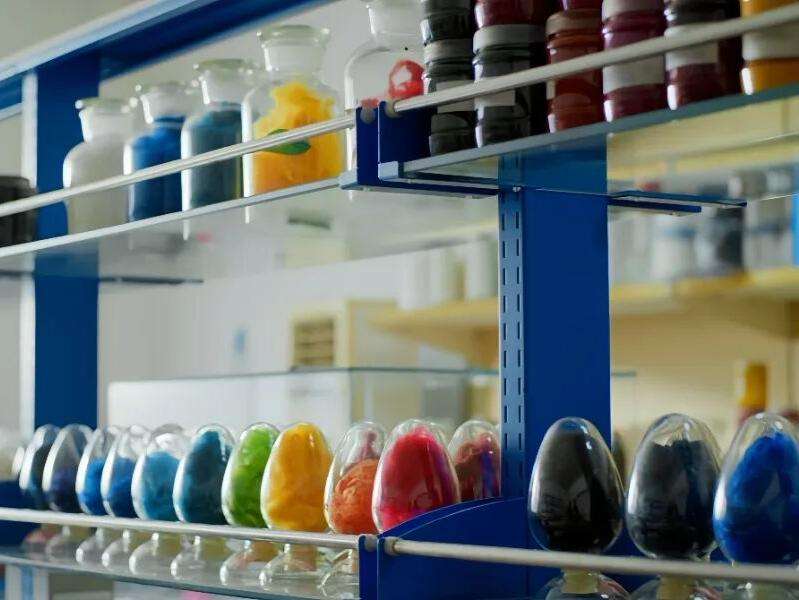
Pigment for plastic represents a crucial component in modern manufacturing, serving as the backbone of color creation and performance enhancement in countless plastic applications. These specialized coloring agents transform ordinary plastic materials into vibrant, functional products that meet diverse industrial and consumer requirements. The primary function of pigment for plastic centers on providing consistent, durable coloration while maintaining the structural integrity of the base polymer. Unlike dyes that dissolve completely, pigments remain as discrete particles suspended throughout the plastic matrix, creating opacity and color stability that withstands environmental challenges. Technological features of pigment for plastic include exceptional heat resistance during processing, chemical inertness that prevents unwanted reactions, and particle size optimization for uniform dispersion. Modern pigment formulations incorporate advanced surface treatments that enhance compatibility with various polymer systems, ensuring seamless integration during manufacturing processes. The migration resistance properties prevent color bleeding, maintaining product safety standards particularly important in food contact applications. Applications span numerous industries from automotive components requiring UV stability to medical devices demanding biocompatibility. Consumer electronics benefit from pigment for plastic through enhanced aesthetic appeal and brand differentiation, while packaging industries rely on these materials for product protection and marketing effectiveness. Construction materials utilize pigment for plastic to achieve weather resistance and architectural color consistency. The versatility extends to textile applications, toys, household goods, and industrial equipment where performance and appearance equally matter. Advanced formulations now include specialty grades offering metallic effects, fluorescence, and thermochromic properties that respond to temperature changes. Environmental considerations have driven development of eco-friendly pigment for plastic options, including bio-based alternatives and recyclable formulations that support circular economy initiatives while maintaining superior performance characteristics essential for modern plastic manufacturing requirements.

Popular Products

The advantages of pigment for plastic deliver substantial benefits that directly impact manufacturing efficiency, product quality, and cost-effectiveness for businesses across multiple industries. Superior color consistency represents a fundamental advantage, ensuring that every batch of plastic products maintains identical appearance standards throughout production runs. This reliability eliminates costly quality control issues and reduces waste from color variations that could otherwise result in rejected products. Enhanced durability stands as another significant benefit, as pigment for plastic provides exceptional resistance to fading, weathering, and chemical exposure that extends product lifespan and reduces replacement costs. Manufacturing processes become more streamlined through improved processing characteristics, where properly formulated pigment for plastic facilitates better flow properties and reduces processing temperatures, leading to energy savings and increased production speeds. The thermal stability of quality pigment for plastic prevents color degradation during high-temperature processing, maintaining vibrant appearance while protecting expensive equipment from color-related contamination. Cost optimization occurs through concentrated formulations that require smaller quantities to achieve desired color intensity, reducing material costs and storage requirements while maximizing efficiency. Safety advantages include non-toxic formulations that meet strict regulatory standards for consumer products, eliminating health concerns and legal liabilities associated with inferior coloring alternatives. Versatility benefits manifest through compatibility with various polymer types, allowing manufacturers to standardize their pigment for plastic inventory across multiple product lines. This standardization reduces complexity in procurement and inventory management while ensuring consistent quality across diverse applications. Environmental advantages include lead-free formulations and recyclable options that support sustainability initiatives without compromising performance standards. Processing advantages encompass improved dispersion characteristics that eliminate color streaking and reduce mixing times, contributing to higher production efficiency and lower labor costs. The lightfastness properties of premium pigment for plastic ensure that products maintain their aesthetic appeal throughout their service life, protecting brand reputation and customer satisfaction. These combined advantages create measurable value propositions that justify investment in quality pigment for plastic solutions, ultimately delivering superior return on investment through reduced costs, improved quality, and enhanced market competitiveness.

Tips And Tricks

Sunmun Subsidiary Named

12

Mar

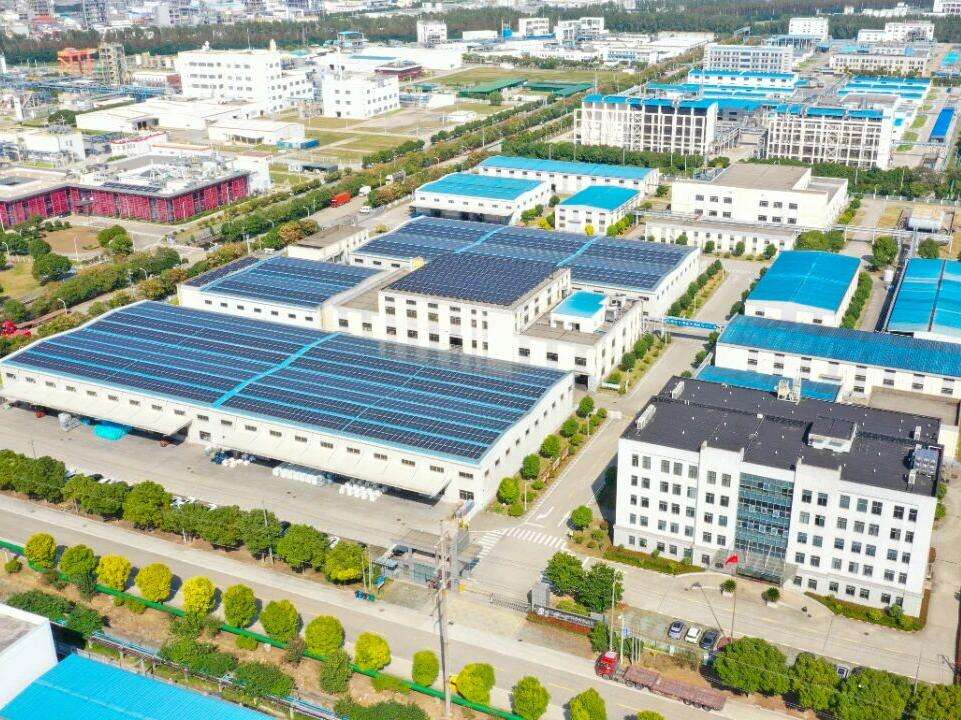
Sunmun Subsidiary Named "Jiangsu Provincial Green Factory", Advancing Sustainable Colorant Production

View More
Sunmun’s Water-Based Color Paste for Viscose Fiber Dope Dyeing Wins “Jiangsu Premium Product” Certification 2025

16

Mar

Sunmun’s Water-Based Color Paste for Viscose Fiber Dope Dyeing Wins “Jiangsu Premium Product” Certification 2025

View More
Sunmun Deepens Southeast Asia Presence with Eco-Friendly Colorants at Pacific Coatings Show 2025

16

Mar

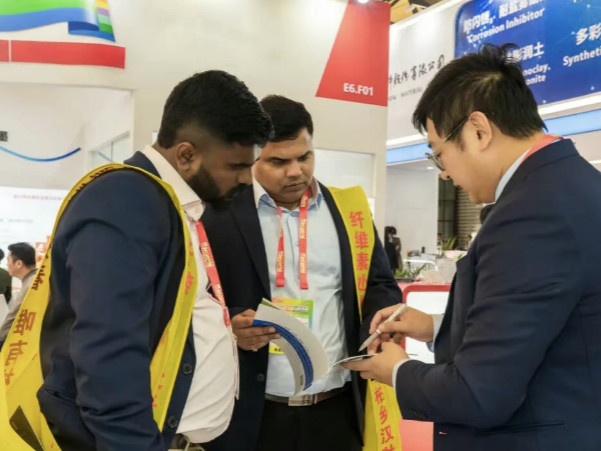
Sunmun Deepens Southeast Asia Presence with Eco-Friendly Colorants at Pacific Coatings Show 2025

View More
SUNMUN Technology Shines at ASEAN Advanced Coatings Technology Forum in Indonesia

28

Apr

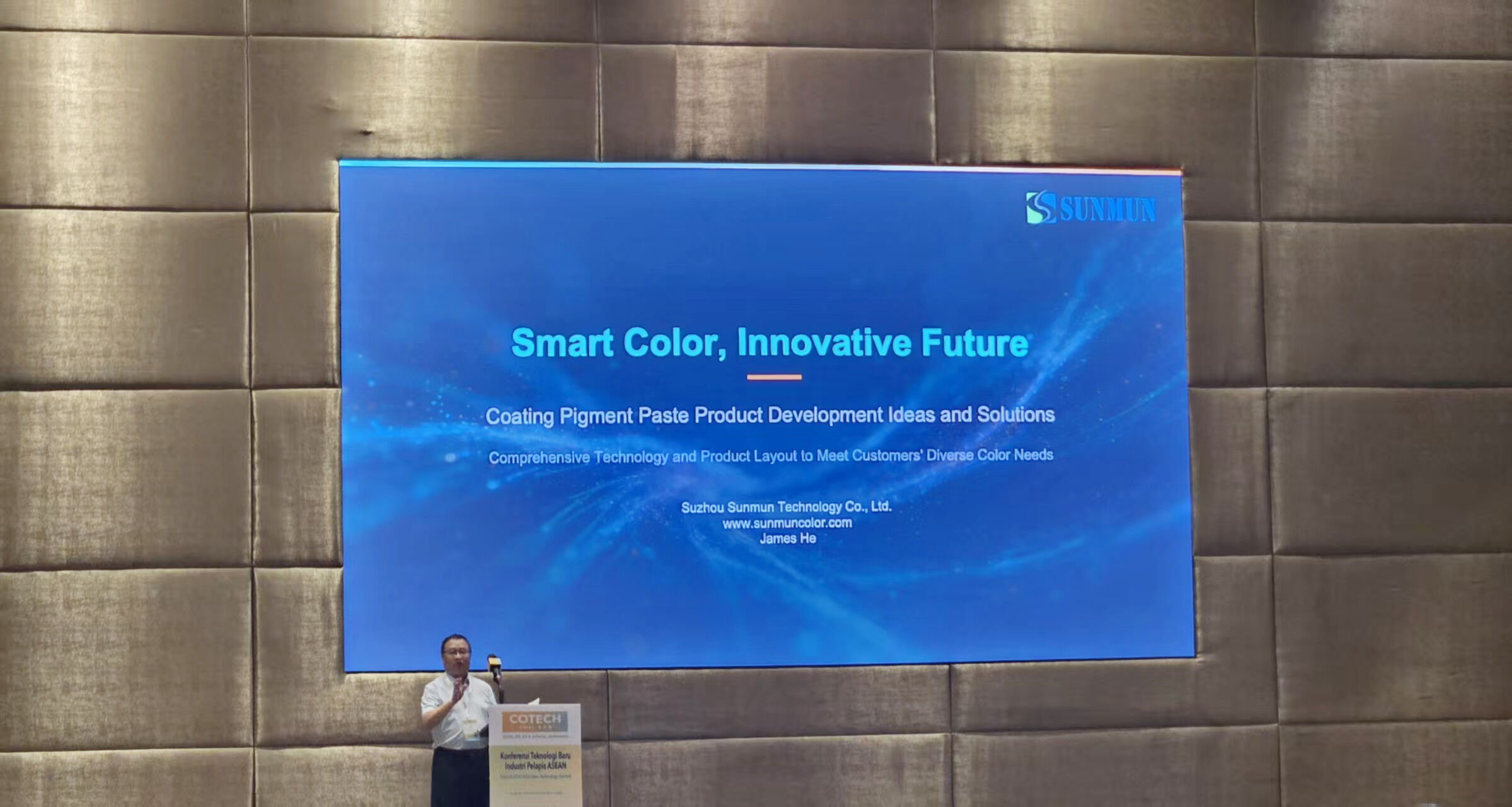
SUNMUN Technology Shines at ASEAN Advanced Coatings Technology Forum in Indonesia

View More

Get a Free Quote

Our representative will contact you soon.
Email
Company Name
Mobile/WhatsApp
Interest of Products
Message
0/1000

pigment for plastic

Advanced Color Stability Technology

Advanced Color Stability Technology

The advanced color stability technology incorporated in modern pigment for plastic systems represents a breakthrough in coloration science that addresses the most challenging demands of contemporary manufacturing environments. This sophisticated technology employs molecular engineering principles to create pigment particles that maintain their chromatic properties under extreme conditions, including prolonged UV exposure, temperature fluctuations, and chemical contact scenarios that would typically cause conventional colorants to fail. The core innovation lies in the surface modification of pigment for plastic particles through proprietary coating processes that create protective barriers around each individual particle. These barriers prevent oxidation reactions and photodegradation processes that commonly lead to color fading and shifting over time. The technology incorporates synergistic stabilizer systems that work in harmony with the base pigment chemistry, providing multiple layers of protection against environmental stressors. Temperature resistance capabilities extend beyond standard requirements, enabling pigment for plastic applications in automotive under-hood components, electrical housings, and industrial equipment where thermal cycling represents a constant challenge. The UV resistance properties surpass traditional expectations, utilizing innovative chromophore structures that absorb harmful radiation while maintaining color integrity through advanced photostabilization mechanisms. Chemical resistance features protect against acids, bases, solvents, and cleaning agents commonly encountered in real-world applications, ensuring that pigment for plastic maintains its appearance throughout the product lifecycle. This technology delivers quantifiable benefits including extended warranty periods for manufacturers, reduced maintenance costs for end users, and enhanced brand reputation through consistent product appearance. Laboratory testing demonstrates color retention exceeding 95 percent after 2000 hours of accelerated weathering, while field studies confirm superior performance in actual service conditions. The implementation of this advanced color stability technology in pigment for plastic formulations represents a competitive advantage that translates into measurable business value through reduced warranty claims, increased customer satisfaction, and market differentiation opportunities that justify premium positioning strategies.
Optimized Dispersion Performance

Optimized Dispersion Performance

Optimized dispersion performance in pigment for plastic applications revolutionizes manufacturing efficiency through scientifically engineered particle characteristics that ensure uniform color distribution throughout the polymer matrix. This advanced dispersion technology addresses the fundamental challenge of achieving consistent coloration without compromising processing efficiency or final product properties. The optimization process begins with precise control of primary particle size distribution, utilizing advanced grinding and classification techniques to achieve narrow particle size ranges that promote uniform dispersion characteristics. Surface modification treatments applied to pigment for plastic particles enhance wetting properties and reduce agglomeration tendencies, facilitating easier incorporation during compounding and processing operations. The engineered surface chemistry creates optimal interactions between pigment particles and polymer chains, promoting homogeneous distribution while preventing localized concentration variations that could lead to color inconsistencies or mechanical property degradation. Advanced dispersion aids integrated into the pigment for plastic formulation work synergistically with processing equipment to achieve rapid and complete color development with minimal mixing energy requirements. This optimization reduces processing time, lowers energy consumption, and extends equipment life through reduced wear from extended mixing cycles. The technology incorporates compatibility enhancers that promote interfacial adhesion between pigment particles and polymer matrices, preventing migration or bleeding that could compromise product performance or safety standards. Quality control measures include automated particle size analysis and dispersion quality testing that ensure batch-to-batch consistency meeting the strictest manufacturing specifications. The benefits extend beyond color uniformity to include improved mechanical properties through better stress distribution around well-dispersed pigment particles, enhanced surface appearance through elimination of color streaking or mottling, and reduced waste generation through first-pass quality achievement. Processing advantages manifest through lower backpressure in injection molding, improved flow characteristics in extrusion applications, and reduced cycle times in thermoforming operations. This optimized dispersion performance technology in pigment for plastic systems delivers measurable improvements in manufacturing efficiency, product quality, and cost-effectiveness that create competitive advantages for forward-thinking manufacturers seeking to optimize their production capabilities.
Environmental Sustainability Features

Environmental Sustainability Features

Environmental sustainability features integrated into modern pigment for plastic formulations represent a comprehensive approach to responsible manufacturing that addresses growing regulatory requirements and consumer expectations for eco-friendly products. These innovative sustainability features encompass the entire product lifecycle from raw material sourcing through end-of-life disposal, creating solutions that minimize environmental impact without compromising performance standards. The foundation of sustainable pigment for plastic technology lies in the elimination of heavy metals including lead, cadmium, chromium, and mercury that historically provided excellent performance but created environmental and health concerns. Advanced chemistry replacements utilize organic and inorganic alternatives that deliver comparable or superior performance characteristics while meeting the strictest environmental regulations worldwide. Bio-based content integration represents another significant sustainability advancement, incorporating renewable feedstock materials derived from agricultural sources into pigment for plastic formulations. These bio-based components reduce dependence on fossil fuel resources while maintaining the thermal stability and color performance required for demanding applications. Recyclability enhancement features ensure that pigment for plastic materials can be successfully reprocessed multiple times without significant performance degradation, supporting circular economy principles and reducing waste generation. Specialized deinking technologies enable efficient pigment removal during recycling processes, facilitating the recovery of clean polymer streams for high-quality recycled applications. Energy efficiency improvements during pigment for plastic production reduce carbon footprint through optimized synthesis processes, lower processing temperatures, and reduced transportation requirements through concentrated formulations. Water-based dispersion systems eliminate volatile organic compound emissions while providing excellent handling characteristics and reduced environmental exposure risks during manufacturing operations. Biodegradable options utilize controlled degradation mechanisms that break down safely in appropriate disposal environments without releasing harmful substances into soil or water systems. Packaging innovations include recyclable containers and reduced packaging volumes that minimize waste generation throughout the supply chain. Life cycle assessment data demonstrates measurable reductions in environmental impact metrics including carbon footprint, water consumption, and waste generation compared to conventional alternatives. These environmental sustainability features in pigment for plastic solutions enable manufacturers to meet increasingly stringent environmental regulations while satisfying consumer demands for responsible products that support corporate sustainability objectives and contribute to global environmental protection efforts.

Get a Free Quote

Our representative will contact you soon.
Email
Company Name
Mobile/WhatsApp
Interest of Products
Message
0/1000