Premium Liquid Color Solutions - Advanced Coloring Technology for Industrial Applications

Get a Free Quote

Our representative will contact you soon.
Email
Company Name
Mobile/WhatsApp
Interest of Products
Message
0/1000

liquid color

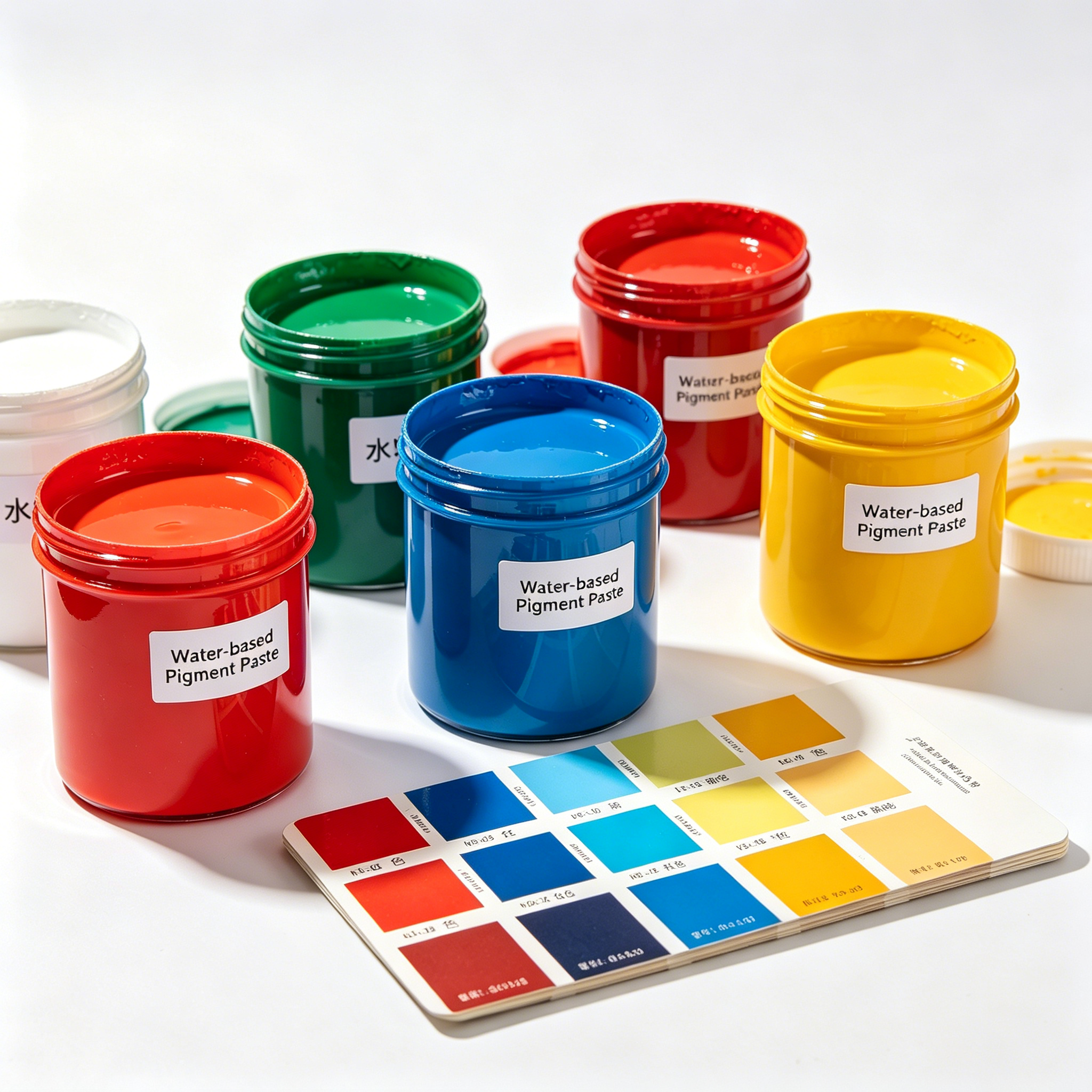
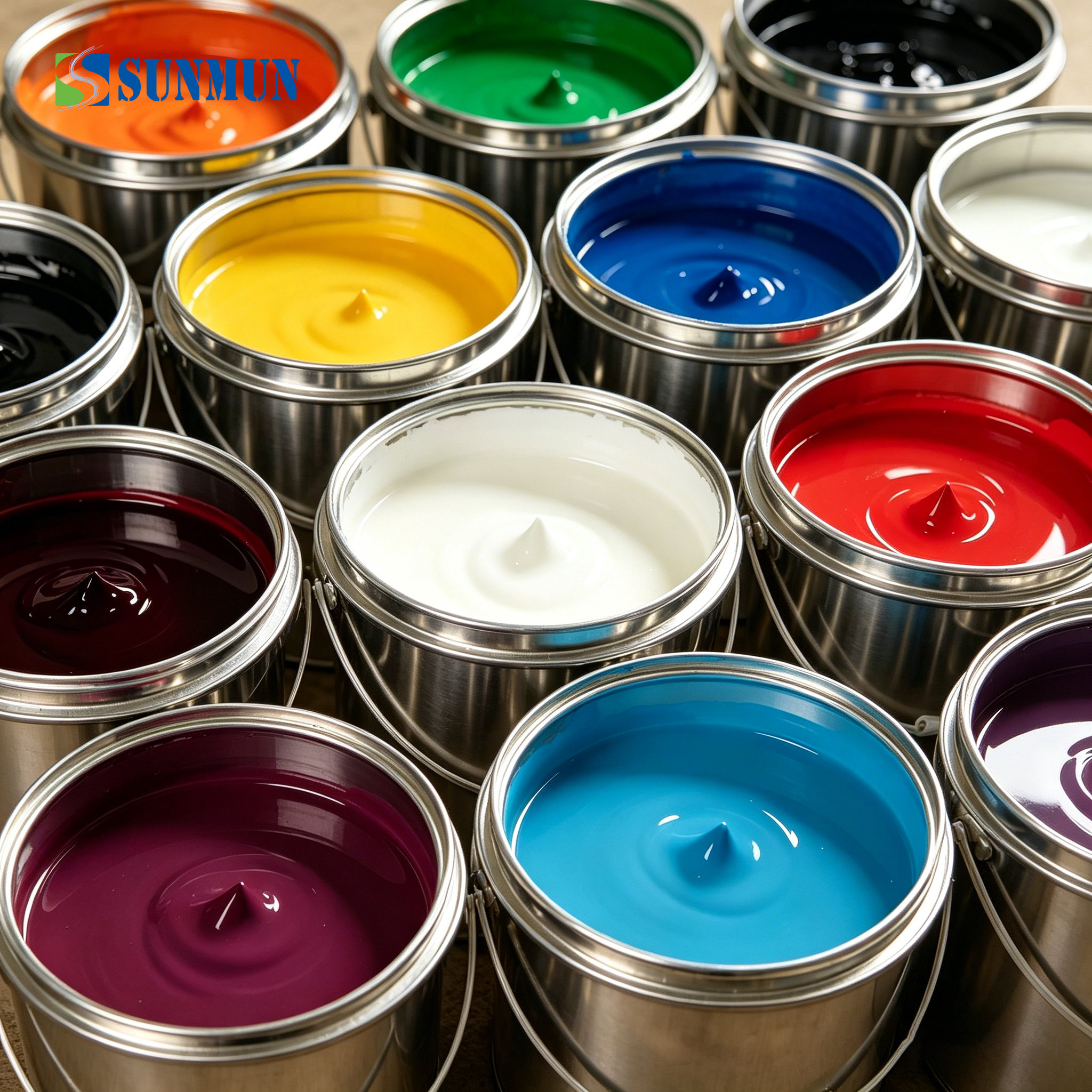
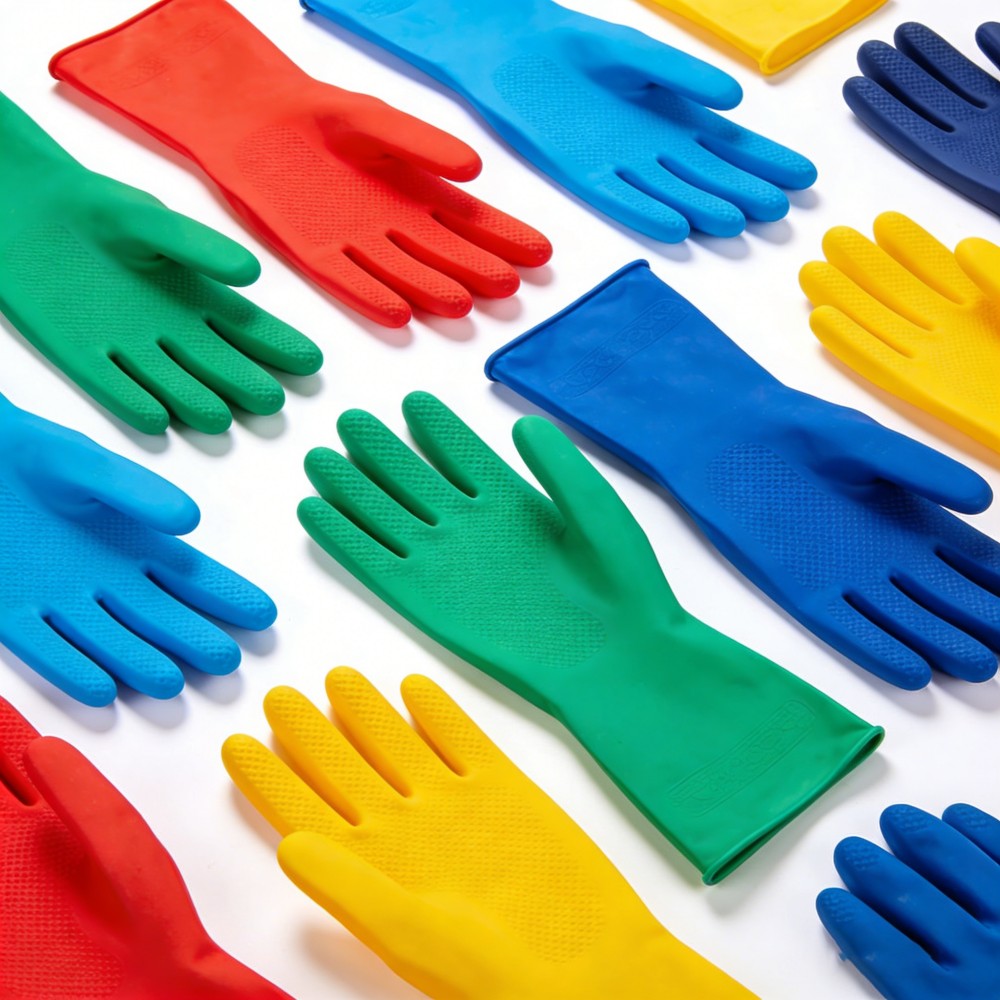
Liquid color represents a revolutionary advancement in coloring technology, transforming how industries approach pigmentation and dyeing processes across multiple sectors. This innovative solution combines advanced chemical formulations with cutting-edge manufacturing techniques to deliver superior color performance in liquid form. Unlike traditional powder-based colorants, liquid color offers enhanced mixing capabilities, improved dispersion properties, and exceptional stability throughout various applications. The primary functions of liquid color encompass providing vibrant, consistent coloration for plastics manufacturing, textile processing, paint production, and cosmetic formulations. Technological features include precise color matching systems, temperature-resistant formulations, and environmentally conscious production methods that reduce waste and improve efficiency. Manufacturing facilities benefit from streamlined production processes, as liquid color eliminates the dust-related challenges associated with powder colorants. The advanced formulation ensures uniform distribution throughout base materials, resulting in consistent color reproduction across large production runs. Quality control becomes more manageable with liquid color systems, as automated dosing equipment can maintain precise color ratios without manual intervention. Applications span numerous industries, including automotive manufacturing for interior and exterior components, consumer electronics for housing materials, packaging solutions requiring specific brand colors, and architectural materials demanding long-lasting color integrity. Food and beverage industries utilize specialized liquid color formulations that meet strict safety regulations while maintaining visual appeal. Pharmaceutical applications require precise color coding for medication identification, where liquid color provides reliable results. The versatility of liquid color extends to specialty applications such as 3D printing filaments, where consistent color distribution ensures high-quality finished products. Environmental considerations drive the development of eco-friendly liquid color alternatives that minimize volatile organic compounds while maintaining performance standards. Research continues to expand liquid color capabilities, incorporating nanotechnology for enhanced properties and developing biodegradable options for sustainable manufacturing practices.

New Products

Liquid color delivers exceptional benefits that transform manufacturing processes and enhance product quality across diverse applications. The primary advantage lies in superior mixing efficiency, where liquid formulations blend seamlessly with base materials without creating dust clouds or requiring extensive mixing equipment. This streamlined integration reduces production time significantly, allowing manufacturers to achieve consistent results faster than traditional powder alternatives. Cost-effectiveness emerges through reduced material waste, as liquid color systems enable precise dosing that eliminates overuse and minimizes cleanup requirements. Production facilities experience improved worker safety conditions since liquid color eliminates airborne particles that could pose respiratory risks or contaminate sensitive manufacturing environments. Quality consistency represents another major advantage, as liquid color maintains uniform color distribution throughout production batches, reducing rejection rates and ensuring customer satisfaction. Storage convenience becomes apparent when comparing liquid color to powder systems, as liquids resist moisture absorption and maintain stability without special climate-controlled environments. Transportation benefits include reduced shipping costs due to higher concentration ratios, allowing smaller volumes to achieve equivalent coverage compared to bulk powder shipments. Environmental impact decreases substantially with liquid color adoption, as manufacturers reduce packaging waste and eliminate dust-related contamination issues. Processing flexibility allows manufacturers to adjust color intensity during production runs without stopping equipment or changing formulation procedures. Automated systems integrate more effectively with liquid color dispensing equipment, enabling precise computer-controlled dosing that improves repeatability and reduces human error. Maintenance requirements diminish because liquid color systems generate less equipment wear compared to abrasive powder handling mechanisms. Color matching accuracy improves through advanced liquid color formulations that provide better light stability and fade resistance, ensuring products maintain appearance integrity throughout their lifecycle. Innovation opportunities expand as liquid color technology enables new application methods, including spray coating, injection molding enhancements, and specialized surface treatments that were previously challenging with powder systems. Financial benefits accumulate through reduced labor costs, lower equipment maintenance expenses, and improved production efficiency metrics that strengthen overall profitability margins.

Latest News

Sunmun Subsidiary Named

12

Mar

Sunmun Subsidiary Named "Jiangsu Provincial Green Factory", Advancing Sustainable Colorant Production

View More
Sunmun’s Water-Based Color Paste for Viscose Fiber Dope Dyeing Wins “Jiangsu Premium Product” Certification 2025

16

Mar

Sunmun’s Water-Based Color Paste for Viscose Fiber Dope Dyeing Wins “Jiangsu Premium Product” Certification 2025

View More
Sunmun Deepens Southeast Asia Presence with Eco-Friendly Colorants at Pacific Coatings Show 2025

16

Mar

Sunmun Deepens Southeast Asia Presence with Eco-Friendly Colorants at Pacific Coatings Show 2025

View More
SUNMUN Technology Shines at ASEAN Advanced Coatings Technology Forum in Indonesia

28

Apr

SUNMUN Technology Shines at ASEAN Advanced Coatings Technology Forum in Indonesia

View More

Get a Free Quote

Our representative will contact you soon.
Email
Company Name
Mobile/WhatsApp
Interest of Products
Message
0/1000

liquid color

Superior Dispersion Technology for Uniform Color Distribution

Superior Dispersion Technology for Uniform Color Distribution

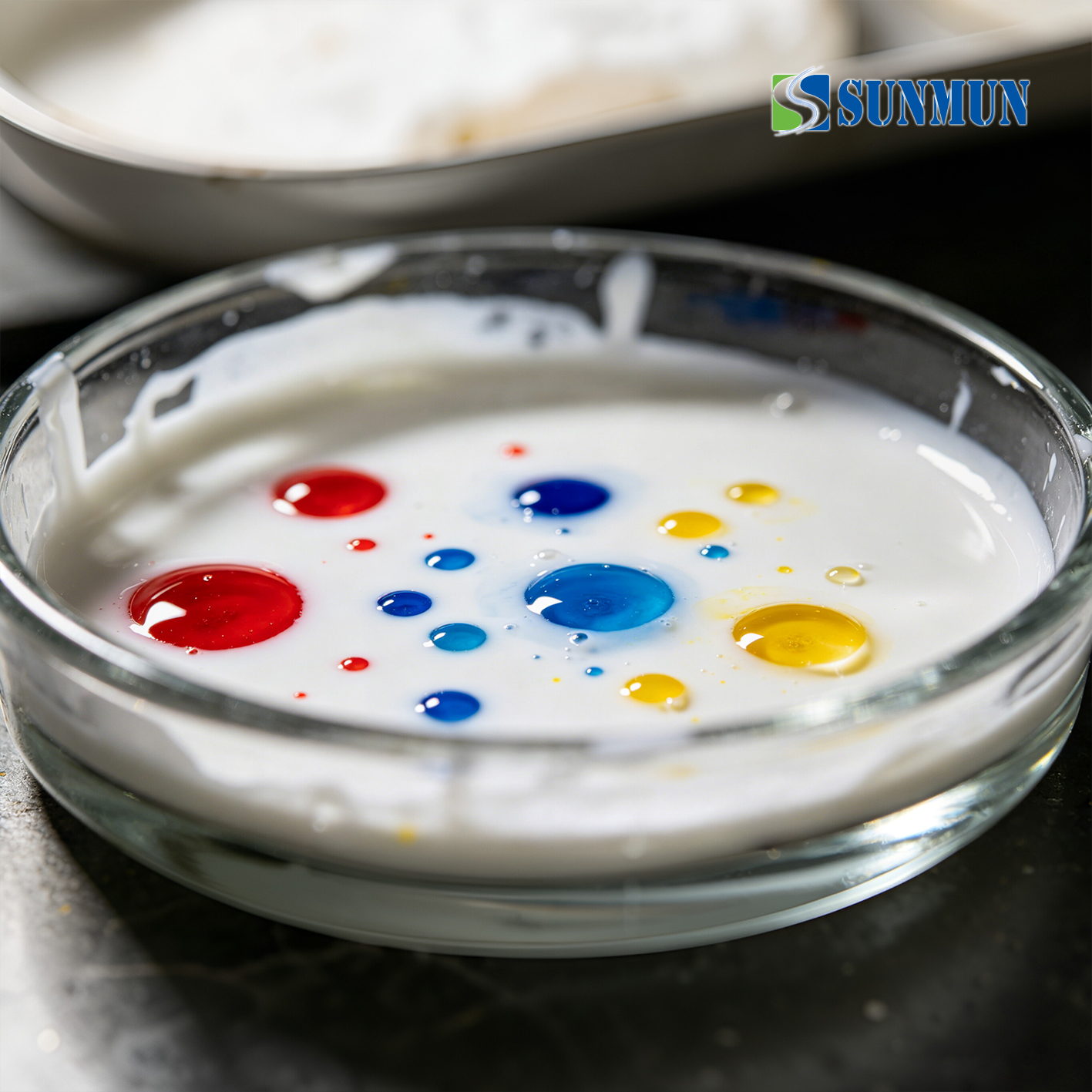
Liquid color incorporates advanced dispersion technology that revolutionizes how colorants integrate with base materials, delivering unparalleled uniformity and consistency across all applications. This sophisticated technology employs molecular-level engineering to ensure each liquid color particle maintains optimal size distribution, preventing agglomeration and settling issues common with traditional coloring methods. The dispersion system utilizes proprietary stabilizing agents that maintain color particle suspension indefinitely, eliminating the need for constant agitation or remixing before use. Manufacturing processes benefit enormously from this technology, as operators achieve consistent color results without experiencing the streaking, marbling, or color variation problems associated with poorly dispersed colorants. Quality control departments report significant improvements in product acceptance rates, as liquid color dispersion technology delivers batch-to-batch consistency that meets strict manufacturing tolerances. The molecular engineering behind liquid color dispersion involves carefully balanced surfactant systems that optimize particle interaction while preventing unwanted chemical reactions with base materials. Temperature stability remains exceptional across wide ranges, ensuring liquid color maintains dispersion integrity whether used in high-temperature injection molding or ambient temperature coating applications. Processing equipment experiences reduced wear and maintenance requirements because uniform liquid color dispersion eliminates abrasive particles and reduces mechanical stress on mixing components. Color matching becomes more predictable and accurate, as dispersion technology ensures colorant behaves consistently during formulation development and production scaling. Research facilities utilize this dispersion advantage for developing custom color formulations that meet specific performance criteria while maintaining manufacturing feasibility. The technology also enables manufacturers to achieve deeper, more vibrant colors using lower concentrations of active pigments, providing cost savings while enhancing visual impact. Environmental benefits emerge through reduced waste generation, as superior dispersion eliminates the need for multiple processing cycles or rework procedures. Innovation continues driving dispersion technology forward, with ongoing developments in nano-scale particle engineering and smart dispersion systems that adapt automatically to different base material characteristics, ensuring optimal performance across diverse applications.
Enhanced Production Efficiency Through Automated Dosing Systems

Enhanced Production Efficiency Through Automated Dosing Systems

Liquid color transforms manufacturing efficiency through sophisticated automated dosing systems that deliver precise colorant quantities without manual intervention, revolutionizing production workflows across multiple industries. These intelligent systems integrate seamlessly with existing manufacturing equipment, providing real-time color control that eliminates guesswork and reduces human error factors. Production managers report dramatic improvements in throughput rates, as automated liquid color dosing eliminates time-consuming manual mixing procedures and reduces setup time between color changes. The technology employs advanced flow control mechanisms that maintain accuracy within extremely tight tolerances, ensuring every production batch receives exactly the correct amount of liquid color for optimal results. Quality assurance becomes streamlined through automated documentation systems that record dosing parameters, creating comprehensive production records that support quality certifications and regulatory compliance requirements. Manufacturing flexibility increases significantly, as automated liquid color systems enable rapid color changes without extensive equipment cleaning or lengthy changeover procedures. Cost control improves through precise dosing accuracy that eliminates material waste and reduces raw material consumption compared to manual mixing methods. The automated systems feature self-calibrating sensors that continuously monitor flow rates, viscosity changes, and environmental conditions, automatically adjusting dosing parameters to maintain consistent results regardless of external variables. Maintenance requirements decrease substantially, as automated liquid color dosing equipment operates with fewer mechanical components than traditional powder handling systems, reducing wear and extending service intervals. Production scheduling becomes more predictable, as automated systems eliminate the variability associated with manual color preparation and mixing procedures. Training requirements simplify dramatically, as operators need minimal instruction to operate automated liquid color dosing systems compared to complex manual mixing protocols. Safety improvements emerge through reduced operator exposure to colorants and elimination of dust-related hazards associated with powder handling procedures. Integration capabilities allow automated liquid color systems to communicate with enterprise resource planning software, enabling real-time inventory tracking and automatic reordering when colorant supplies reach predetermined levels. Future developments continue expanding automation capabilities, incorporating artificial intelligence algorithms that optimize dosing parameters based on historical production data and predictive analytics for enhanced manufacturing performance.
Environmental Sustainability and Eco-Friendly Formulations

Environmental Sustainability and Eco-Friendly Formulations

Liquid color leads environmental sustainability initiatives through innovative eco-friendly formulations that minimize ecological impact while maintaining superior performance characteristics across diverse manufacturing applications. Environmental responsibility drives liquid color development, resulting in formulations that significantly reduce volatile organic compound emissions compared to traditional solvent-based coloring systems. Manufacturing facilities achieve substantial sustainability improvements by adopting liquid color technology, as production processes generate less waste and require fewer hazardous disposal procedures. The eco-friendly formulations utilize renewable raw materials wherever possible, supporting circular economy principles while maintaining the color quality and stability that manufacturers demand. Water-based liquid color systems eliminate the need for organic solvents in many applications, reducing environmental emissions and improving workplace air quality for manufacturing personnel. Biodegradability characteristics ensure liquid color formulations break down naturally after product disposal, preventing long-term environmental accumulation and supporting sustainable waste management practices. Energy consumption decreases through optimized liquid color processing requirements that operate efficiently at lower temperatures compared to traditional powder melting and mixing procedures. Packaging sustainability improves significantly, as concentrated liquid color formulations require smaller container volumes, reducing plastic consumption and transportation-related carbon emissions. Regulatory compliance becomes easier with eco-friendly liquid color formulations that meet or exceed environmental protection standards, simplifying permitting processes and reducing regulatory reporting requirements. Life cycle assessments demonstrate liquid color environmental advantages throughout the entire product journey, from raw material extraction through manufacturing, use, and eventual disposal or recycling. Innovation continues driving environmental improvements, with research focusing on bio-based pigments derived from agricultural waste and renewable resources that maintain color performance while supporting sustainable sourcing practices. Manufacturing carbon footprints decrease through liquid color adoption, as streamlined production processes require less energy consumption and generate fewer greenhouse gas emissions. Certification programs recognize liquid color environmental benefits, with many formulations achieving green building standards and eco-label qualifications that support sustainable construction and manufacturing initiatives. Supply chain sustainability improves through liquid color partnerships with environmentally responsible suppliers who prioritize renewable energy use and waste reduction in their manufacturing operations, creating comprehensive sustainability benefits throughout the entire value chain ecosystem.

Get a Free Quote

Our representative will contact you soon.
Email
Company Name
Mobile/WhatsApp
Interest of Products
Message
0/1000