liquid color
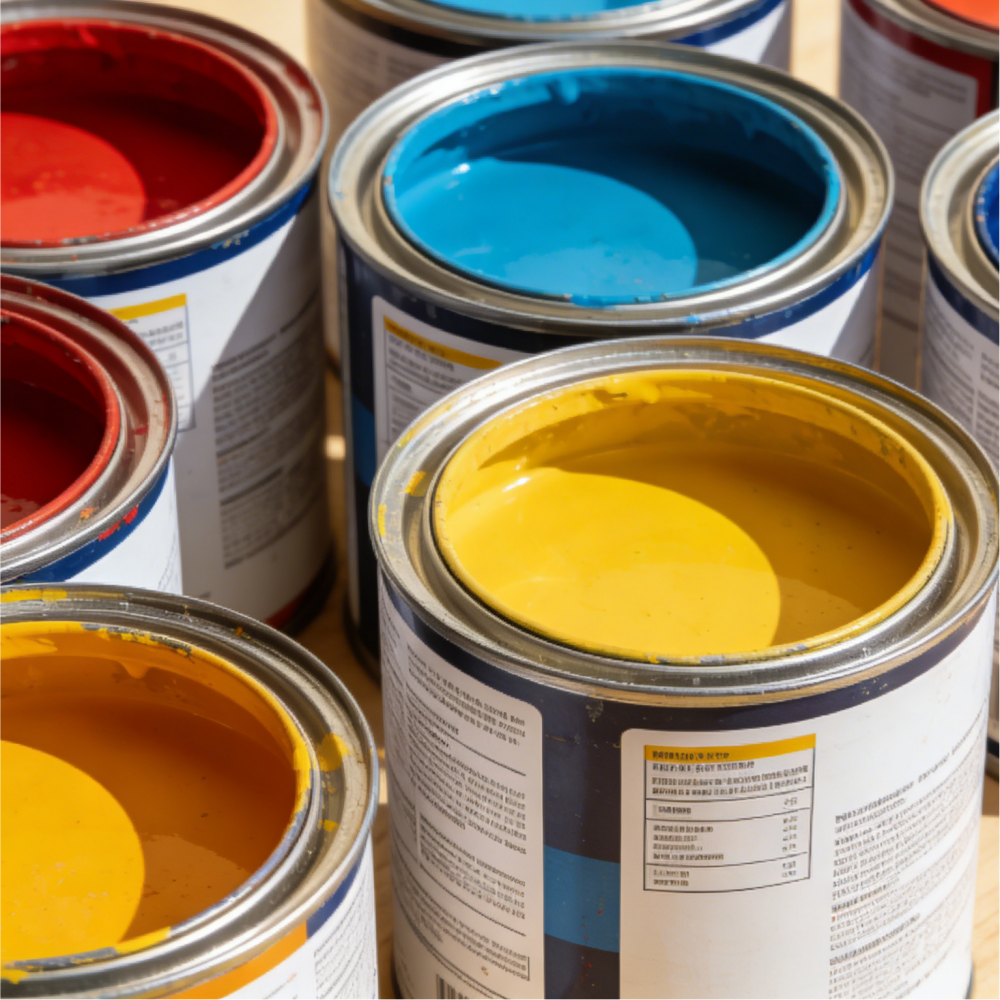
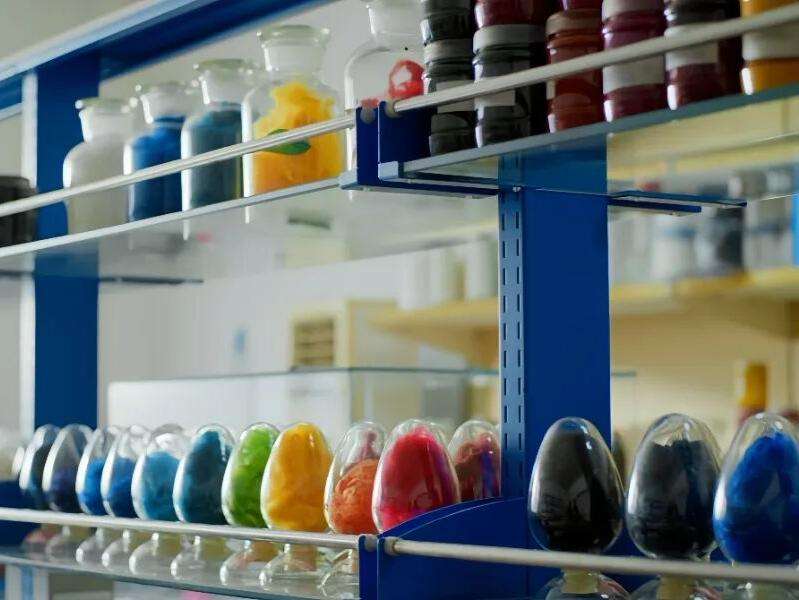
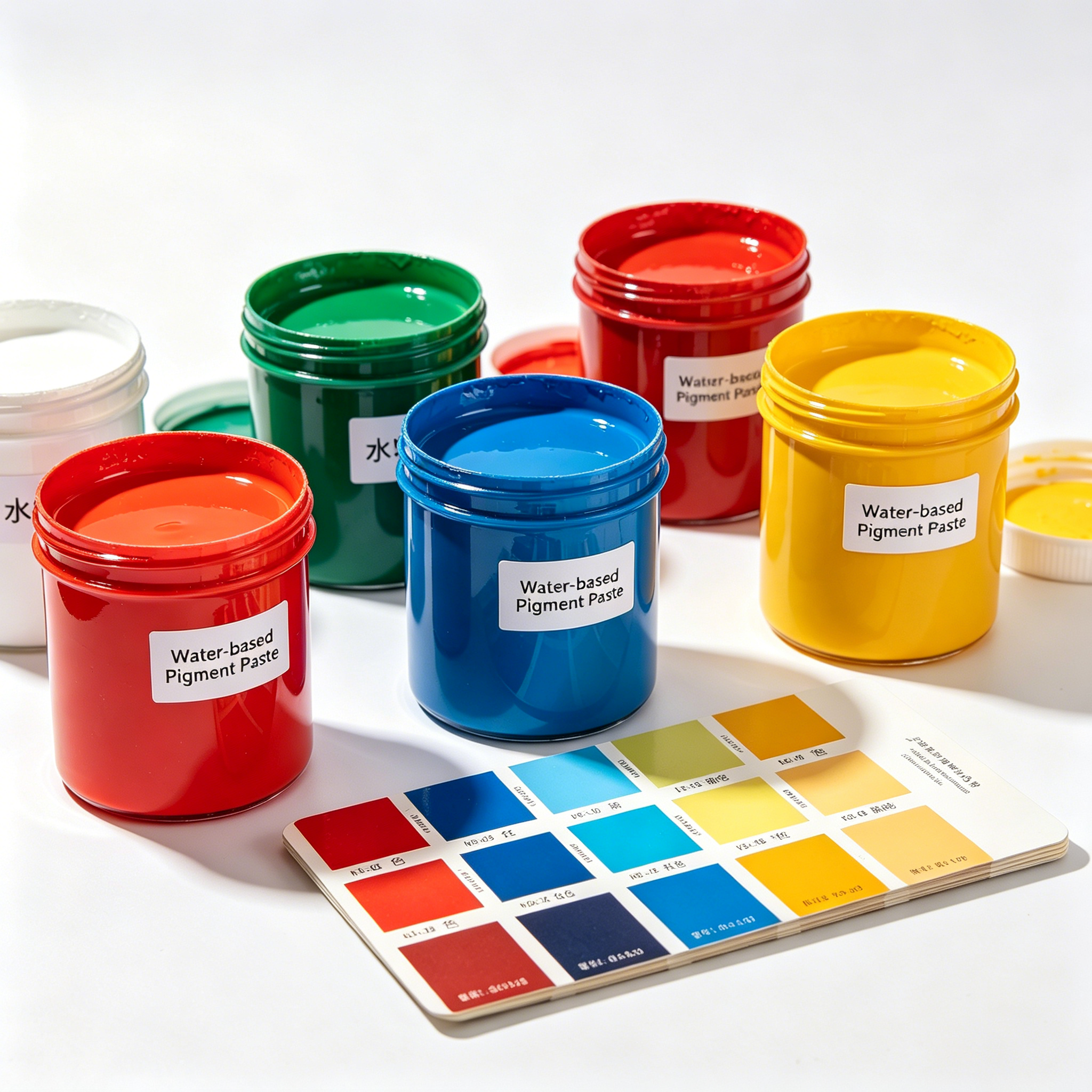
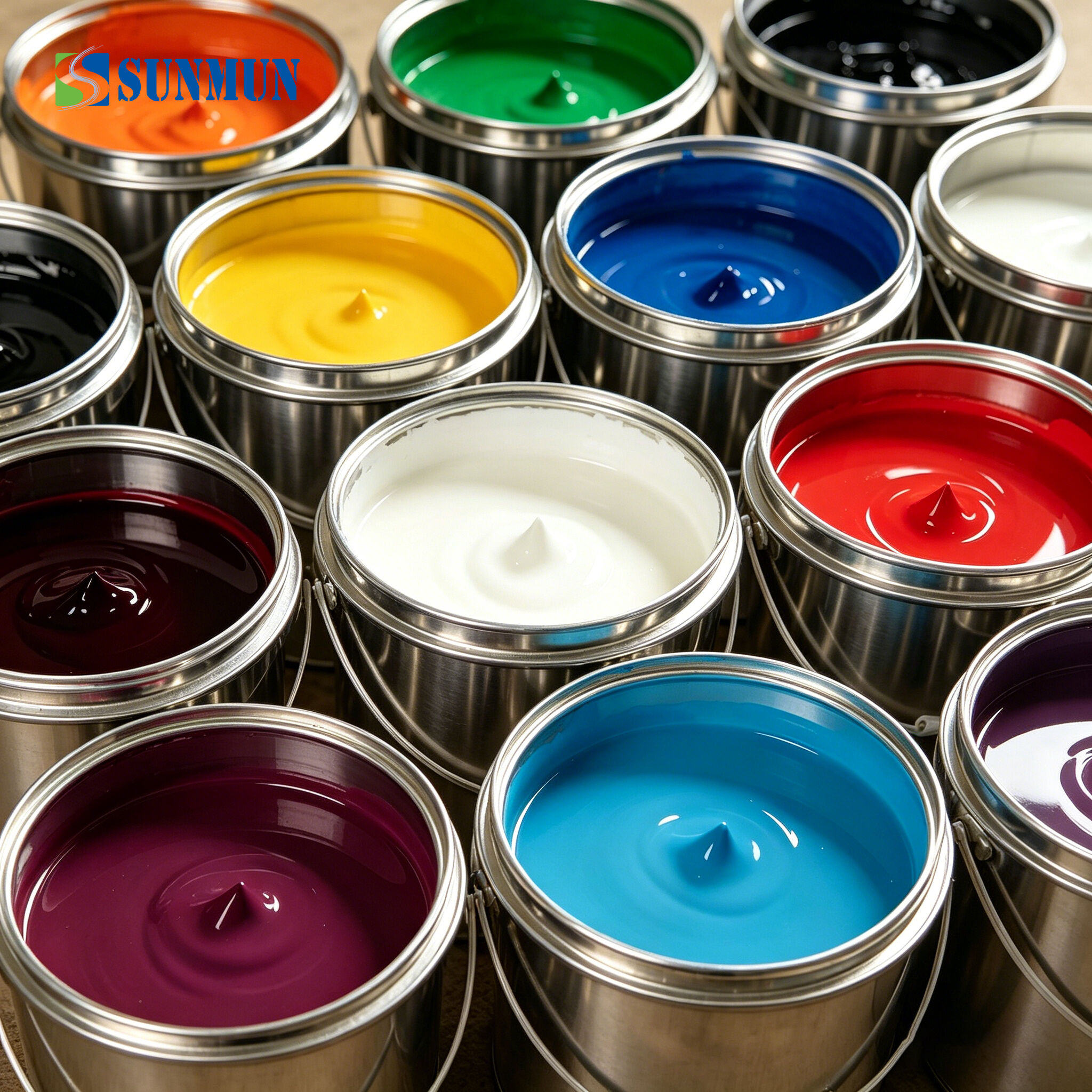
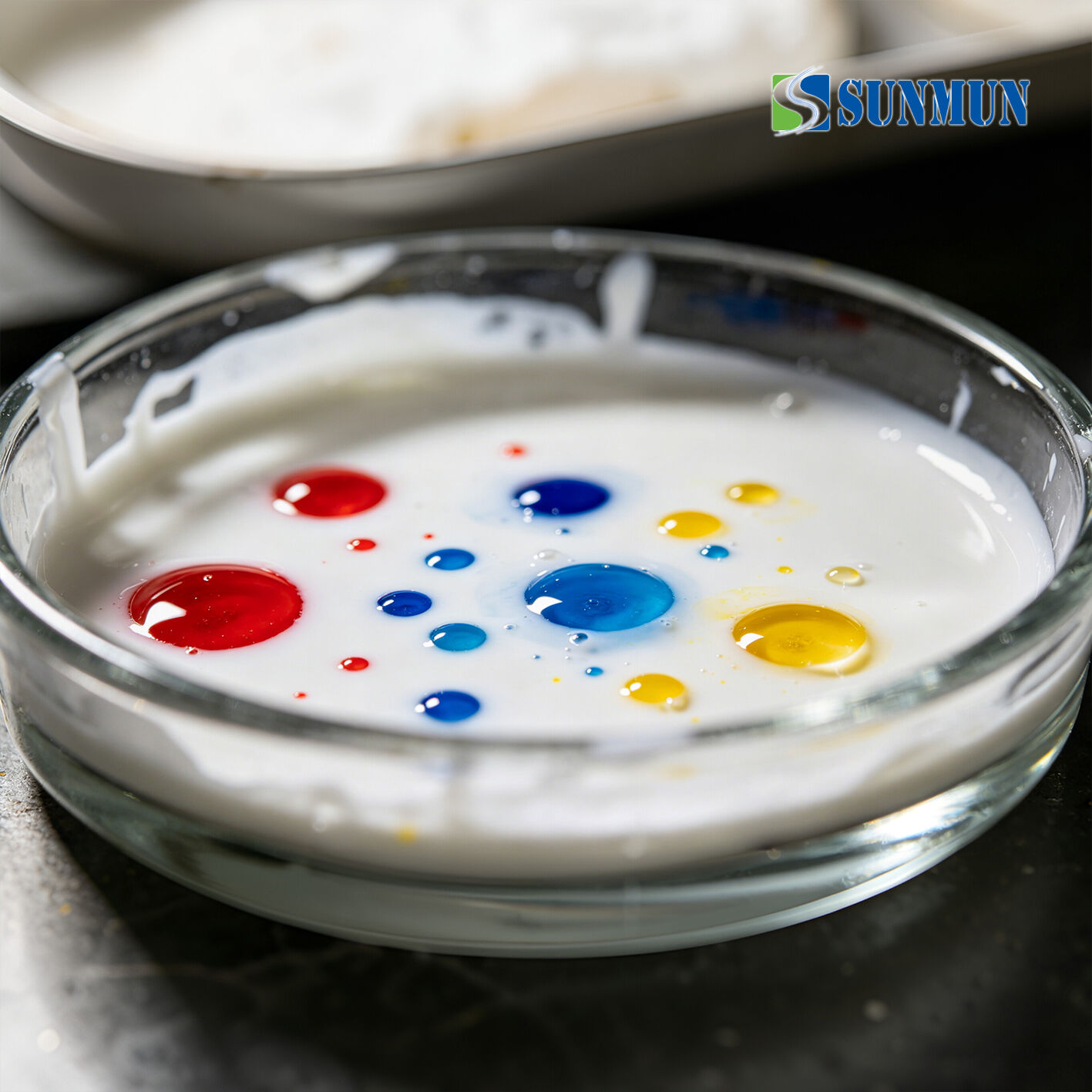
Liquid color represents a revolutionary advancement in coloring technology, transforming how industries approach pigmentation and dyeing processes across multiple sectors. This innovative solution combines advanced chemical formulations with cutting-edge manufacturing techniques to deliver superior color performance in liquid form. Unlike traditional powder-based colorants, liquid color offers enhanced mixing capabilities, improved dispersion properties, and exceptional stability throughout various applications. The primary functions of liquid color encompass providing vibrant, consistent coloration for plastics manufacturing, textile processing, paint production, and cosmetic formulations. Technological features include precise color matching systems, temperature-resistant formulations, and environmentally conscious production methods that reduce waste and improve efficiency. Manufacturing facilities benefit from streamlined production processes, as liquid color eliminates the dust-related challenges associated with powder colorants. The advanced formulation ensures uniform distribution throughout base materials, resulting in consistent color reproduction across large production runs. Quality control becomes more manageable with liquid color systems, as automated dosing equipment can maintain precise color ratios without manual intervention. Applications span numerous industries, including automotive manufacturing for interior and exterior components, consumer electronics for housing materials, packaging solutions requiring specific brand colors, and architectural materials demanding long-lasting color integrity. Food and beverage industries utilize specialized liquid color formulations that meet strict safety regulations while maintaining visual appeal. Pharmaceutical applications require precise color coding for medication identification, where liquid color provides reliable results. The versatility of liquid color extends to specialty applications such as 3D printing filaments, where consistent color distribution ensures high-quality finished products. Environmental considerations drive the development of eco-friendly liquid color alternatives that minimize volatile organic compounds while maintaining performance standards. Research continues to expand liquid color capabilities, incorporating nanotechnology for enhanced properties and developing biodegradable options for sustainable manufacturing practices.
 ×
×


 EN
EN