Exceptional Versatility Across Multiple Substrate Materials
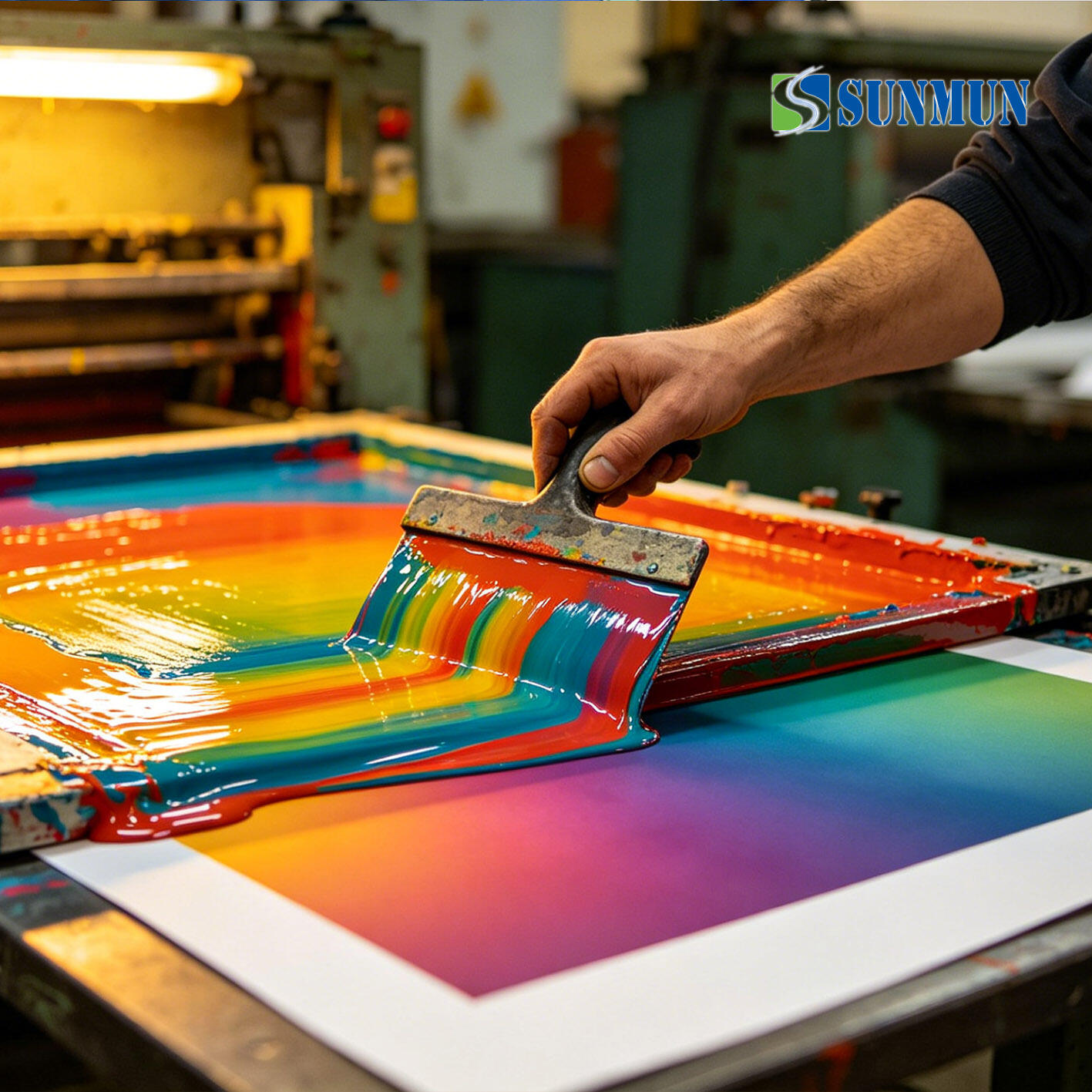
The remarkable versatility of printing color paste represents a game-changing advantage for manufacturers and printers who work with diverse substrate materials, eliminating the need for multiple specialized products while ensuring consistent quality across all applications. This comprehensive compatibility stems from the paste's unique molecular structure that adapts to different material surfaces through various bonding mechanisms, whether working with natural fibers, synthetic materials, or complex blends. The importance of this versatility becomes evident when considering the complexity and cost associated with maintaining separate inventory systems for different substrate types. Traditional printing solutions often require specific formulations for cotton, polyester, silk, nylon, and other materials, creating inventory management challenges and increasing the risk of using incorrect products. Printing color paste eliminates these concerns by providing reliable performance across the complete spectrum of textile and non-textile substrates. Customers benefit from simplified procurement processes, reduced storage requirements, and decreased risk of application errors that can result from using incompatible products. The paste demonstrates exceptional performance on challenging substrates such as water-resistant fabrics, technical textiles, and composite materials that typically require specialized treatment processes. This capability opens new market opportunities for businesses seeking to expand their service offerings without significant investment in additional equipment or materials. The versatility extends beyond substrate compatibility to include various printing methods, allowing the same printing color paste to work effectively with screen printing, digital printing, rotary printing, and transfer printing systems. This flexibility enables manufacturers to optimize their production processes based on order requirements, volume considerations, and quality specifications without changing materials. The paste maintains consistent color characteristics across different application methods, ensuring that batches printed using various techniques can be seamlessly integrated into final products. Quality control processes become more efficient as operators need to master only one product rather than multiple specialized formulations, reducing training time and minimizing application errors. The versatility also supports just-in-time manufacturing approaches by reducing the complexity of material planning and inventory management, allowing businesses to respond quickly to customer demands without maintaining extensive product inventories.
 ×
×






 EN
EN