industrial pigment dispersion
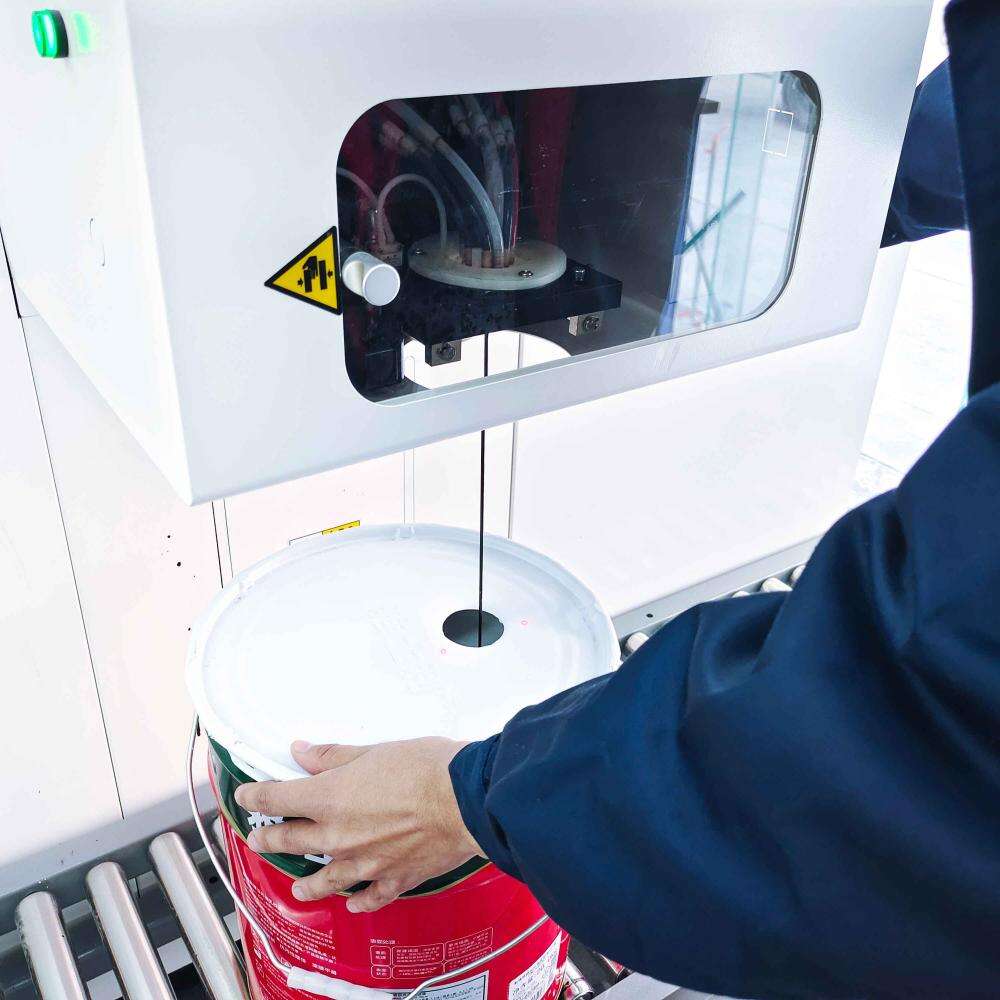
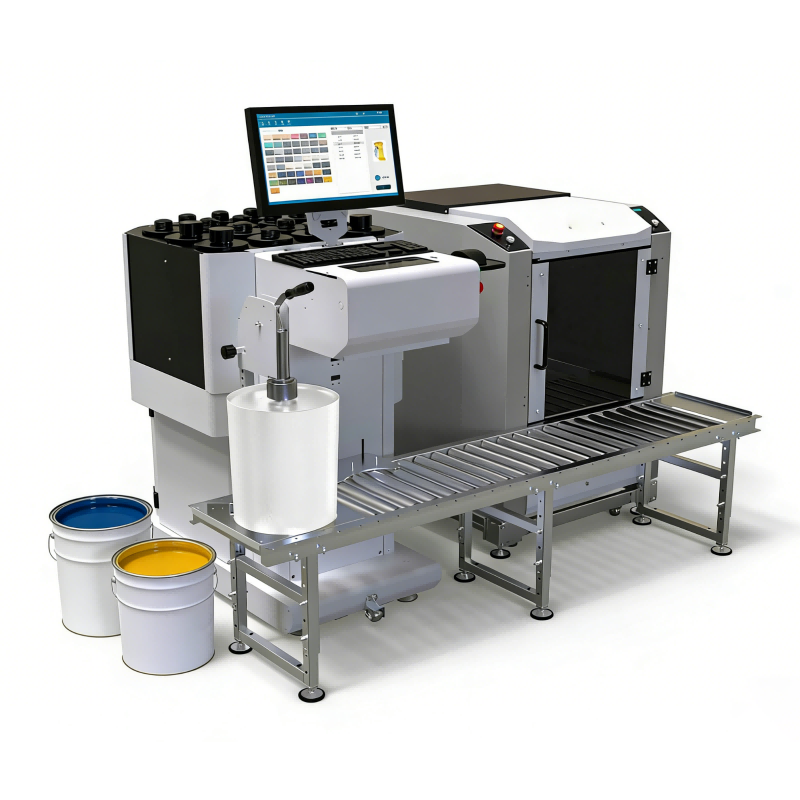
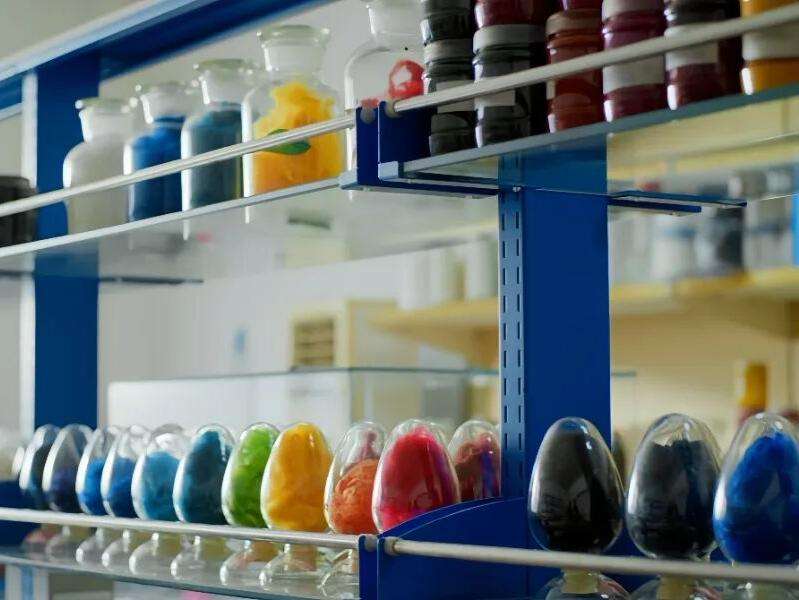
Industrial pigment dispersion represents a critical manufacturing process that transforms raw pigment powders into stable, uniform liquid formulations suitable for various commercial applications. This sophisticated technology involves breaking down pigment particles to nanometer or micrometer scales while ensuring consistent distribution throughout a carrier medium, typically water, oil, or specialized solvents. The process requires precise control of particle size, surface chemistry, and rheological properties to achieve optimal performance characteristics. Modern industrial pigment dispersion systems utilize advanced equipment including high-speed mixers, ball mills, sand mills, and ultrasonic processors to achieve the desired particle size reduction and stabilization. The fundamental principle behind this technology relies on overcoming van der Waals forces and electrostatic interactions that cause pigment particles to aggregate. Surfactants, dispersing agents, and stabilizers play crucial roles in maintaining particle separation and preventing re-agglomeration during storage and application. Quality control measures ensure color consistency, viscosity stability, and shelf-life extension. The technological features of industrial pigment dispersion include automated control systems that monitor pH levels, temperature, viscosity, and particle size distribution in real-time. These systems can adjust processing parameters dynamically to maintain product specifications and minimize batch-to-batch variations. Applications span across multiple industries including automotive coatings, architectural paints, printing inks, textiles, plastics, cosmetics, and food coloring. Each application requires specific formulation adjustments to meet performance requirements such as lightfastness, chemical resistance, thermal stability, and compatibility with substrate materials. The versatility of industrial pigment dispersion technology allows manufacturers to create custom color formulations while maintaining cost-effectiveness and production efficiency. Environmental considerations have led to the development of water-based dispersion systems that reduce volatile organic compound emissions while maintaining superior performance characteristics compared to traditional solvent-based alternatives.
 ×
×




 EN
EN