Premium Industrial Colorant Solutions - Advanced Pigmentation Technology for Superior Results

Get a Free Quote

Our representative will contact you soon.
Email
Company Name
Mobile/WhatsApp
Interest of Products
Message
0/1000

colorant

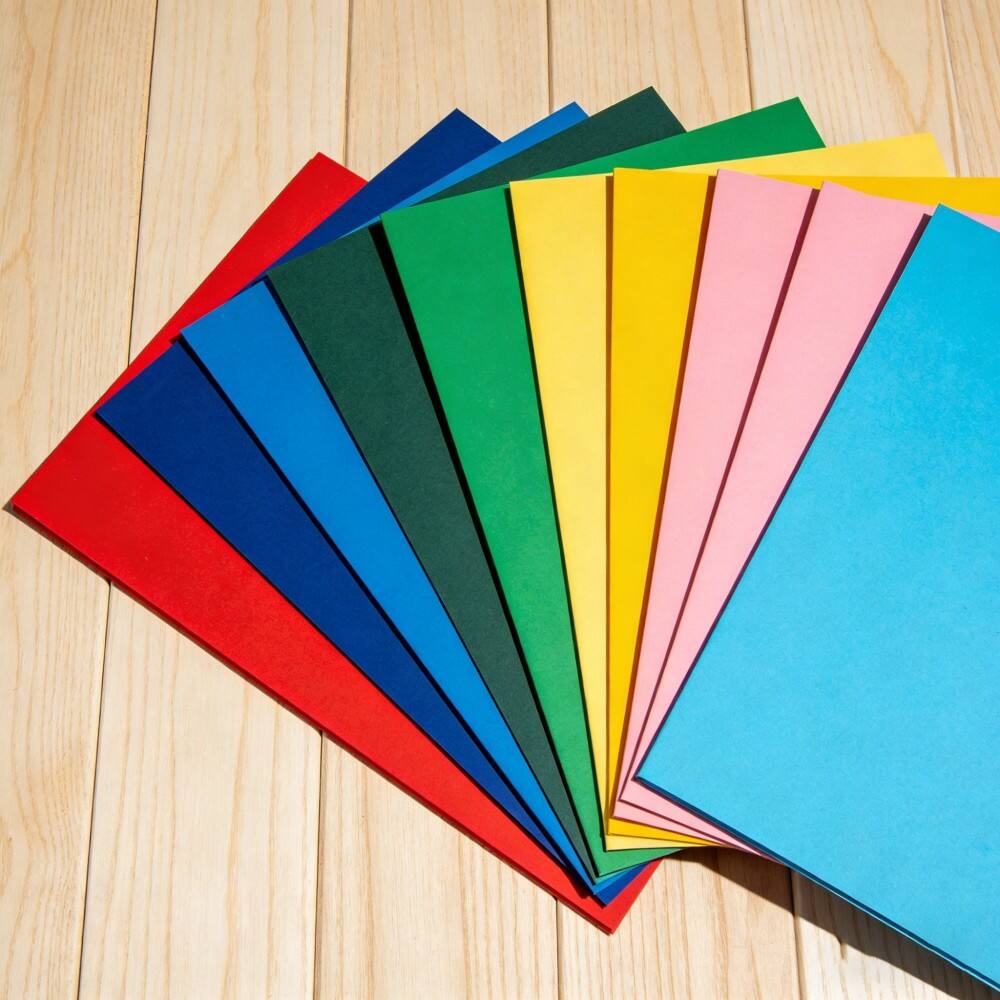
Colorant technology represents a fundamental breakthrough in modern manufacturing and industrial applications, serving as the cornerstone for creating vibrant, durable, and consistent color solutions across diverse sectors. This advanced colorant system functions primarily as a high-performance pigmentation agent that transforms raw materials into visually appealing products while maintaining structural integrity and performance standards. The colorant operates through sophisticated molecular binding mechanisms that ensure uniform distribution throughout the host material, whether liquid, solid, or semi-solid substrates. Its technological framework incorporates cutting-edge dispersion techniques, allowing for precise color matching and reproducibility that meets the most stringent quality requirements. The colorant system features enhanced stability characteristics that resist fading, bleeding, and degradation under various environmental conditions including UV exposure, temperature fluctuations, and chemical interactions. Manufacturing processes benefit significantly from this colorant technology through its exceptional compatibility with automated production systems, enabling seamless integration into existing workflows without requiring extensive equipment modifications. The colorant demonstrates remarkable versatility in application methods, supporting spray coating, dip processing, injection molding, and brush application techniques. Its formulation includes specialized additives that promote adhesion, improve flow properties, and extend working time for optimal results. Industries ranging from automotive and aerospace to textiles and consumer goods rely on this colorant system for achieving superior aesthetic results while maintaining cost-effectiveness. The technology behind this colorant incorporates nano-scale particle engineering that ensures maximum color intensity with minimal material usage, contributing to both economic efficiency and environmental sustainability. Quality control measures embedded within the colorant manufacturing process guarantee consistent batch-to-batch performance, eliminating color variation issues that traditionally plague industrial coloring applications. This colorant system represents the evolution of traditional pigmentation methods, offering enhanced performance metrics that address modern manufacturing challenges while delivering exceptional visual results that exceed customer expectations across multiple industry segments.

New Product Releases

The colorant delivers exceptional value through its superior performance characteristics that directly translate into tangible benefits for manufacturers and end-users alike. Cost reduction stands as a primary advantage, as this colorant requires significantly lower quantities compared to conventional alternatives while achieving identical or superior color intensity results. Production efficiency increases dramatically when utilizing this colorant system, with faster processing times and reduced waste generation contributing to improved profit margins and operational sustainability. Quality consistency represents another major benefit, as the colorant maintains uniform color reproduction across large production runs, eliminating costly rework and customer complaints associated with color variations. The enhanced durability properties of this colorant ensure longer product lifecycles, reducing replacement frequency and maintenance costs for end-users while building brand reputation through reliable performance. Environmental compliance becomes achievable through the colorant's low-emission formulation and reduced volatile organic compound content, helping manufacturers meet increasingly strict regulatory requirements without compromising product quality. Storage and handling advantages include extended shelf life and improved stability under various storage conditions, reducing inventory management challenges and minimizing material waste due to degradation. The colorant's excellent compatibility with diverse substrate materials eliminates the need for multiple specialized products, simplifying procurement processes and reducing inventory complexity. Processing versatility allows manufacturers to utilize existing equipment and techniques without requiring expensive retooling or specialized training programs for operators. Safety improvements result from the colorant's non-toxic formulation and reduced hazardous chemical content, creating safer working environments and reducing compliance costs associated with worker protection measures. Supply chain reliability benefits emerge from the colorant's stable sourcing and manufacturing processes, ensuring consistent availability and reducing production disruptions. Market competitiveness increases as products colored with this advanced system demonstrate superior appearance retention and performance characteristics compared to alternatives. Technical support advantages include comprehensive documentation, application guidance, and troubleshooting resources that minimize implementation challenges and optimize results. The colorant's scalability accommodates both small-batch specialty applications and high-volume industrial production, providing flexibility for businesses of all sizes to achieve professional-grade results while maintaining operational efficiency and cost-effectiveness throughout their manufacturing processes.

Latest News

Sunmun Subsidiary Named

12

Mar

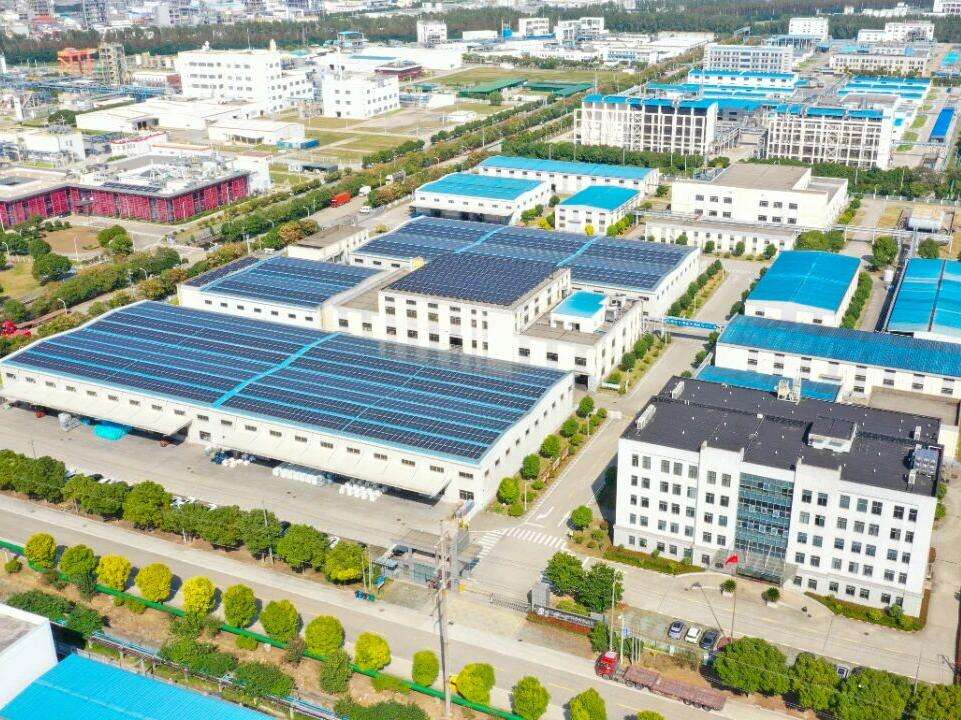
Sunmun Subsidiary Named "Jiangsu Provincial Green Factory", Advancing Sustainable Colorant Production

View More
Sunmun’s Water-Based Color Paste for Viscose Fiber Dope Dyeing Wins “Jiangsu Premium Product” Certification 2025

16

Mar

Sunmun’s Water-Based Color Paste for Viscose Fiber Dope Dyeing Wins “Jiangsu Premium Product” Certification 2025

View More
Sunmun Deepens Southeast Asia Presence with Eco-Friendly Colorants at Pacific Coatings Show 2025

16

Mar

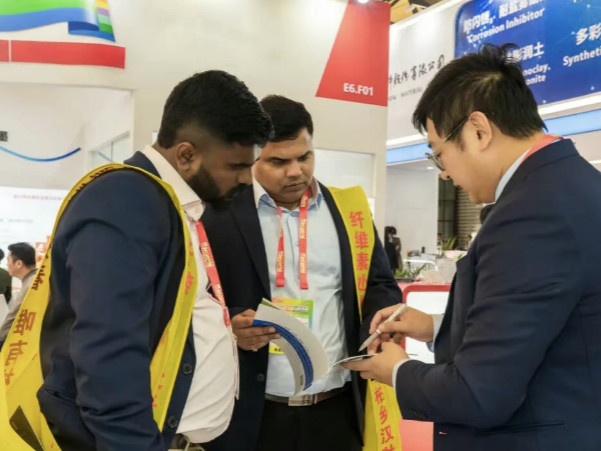
Sunmun Deepens Southeast Asia Presence with Eco-Friendly Colorants at Pacific Coatings Show 2025

View More
SUNMUN Technology Shines at ASEAN Advanced Coatings Technology Forum in Indonesia

28

Apr

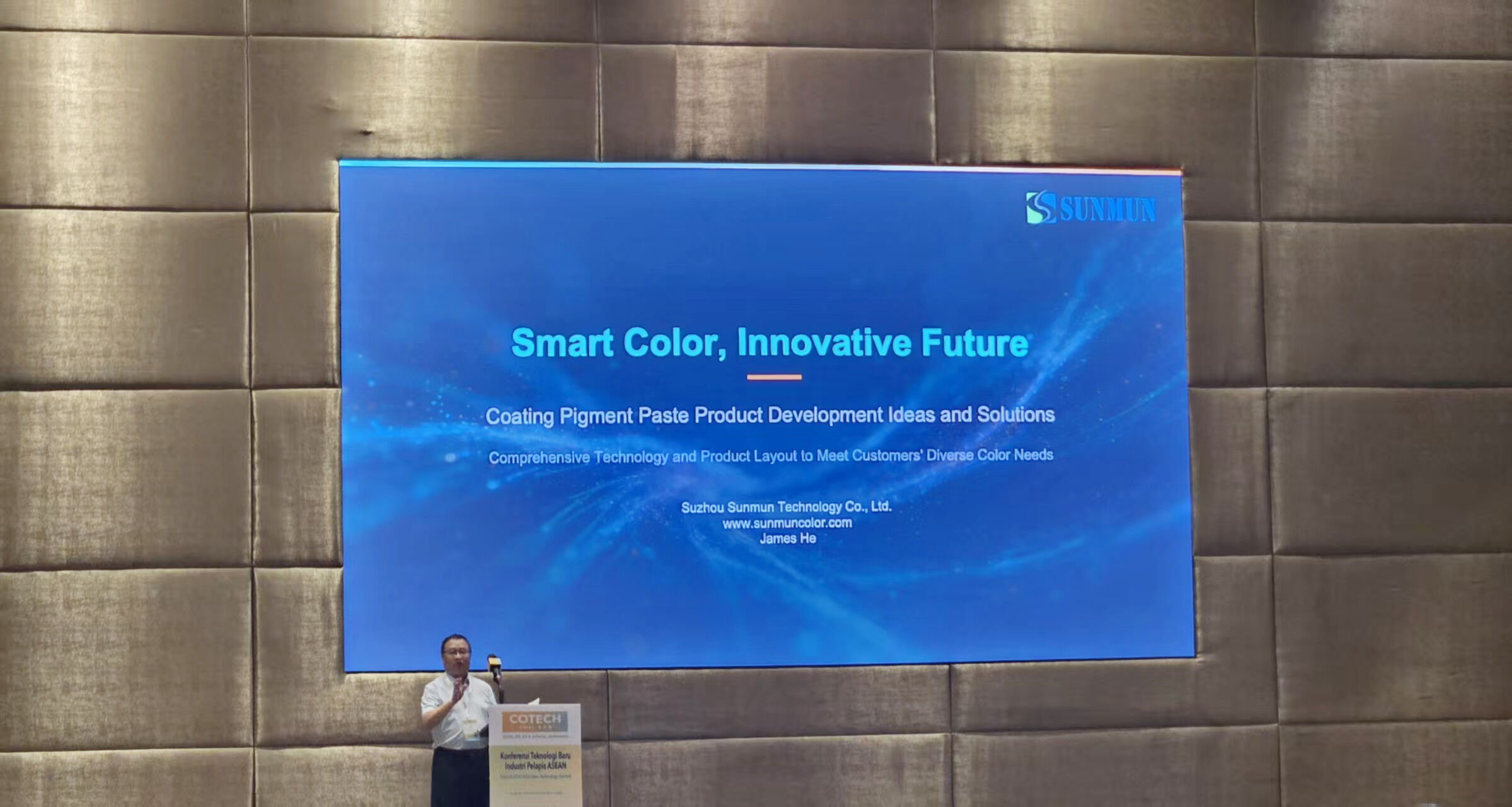
SUNMUN Technology Shines at ASEAN Advanced Coatings Technology Forum in Indonesia

View More

Get a Free Quote

Our representative will contact you soon.
Email
Company Name
Mobile/WhatsApp
Interest of Products
Message
0/1000

colorant

Advanced Molecular Stability Technology

Advanced Molecular Stability Technology

The colorant incorporates revolutionary molecular stability technology that fundamentally transforms how pigmentation performs under challenging conditions. This breakthrough innovation utilizes specially engineered molecular bonds that create an unprecedented level of resistance to environmental degradation factors including ultraviolet radiation, thermal cycling, and chemical exposure. The stability technology works through a multi-layered protection system where each colorant particle receives encapsulation treatment that shields the core pigment from external influences while maintaining optimal color expression. This molecular engineering approach ensures that products colored with this system retain their original vibrancy and appearance characteristics for extended periods, often exceeding industry standards by 200-300 percent in accelerated aging tests. Manufacturing facilities benefit enormously from this stability technology because it eliminates the need for frequent recoloring or touch-up procedures that traditionally consume significant time and resources. The technology proves particularly valuable in outdoor applications where conventional colorants fail rapidly due to weather exposure, UV degradation, and temperature extremes. Automotive manufacturers have documented substantial improvements in paint longevity and customer satisfaction scores when switching to this advanced colorant system. The molecular stability extends beyond just color retention to include improved adhesion properties and reduced chalking or flaking issues that plague traditional colorant formulations. Quality assurance teams appreciate the predictable performance characteristics that this technology provides, enabling more accurate product lifecycle planning and warranty programs. Research and development departments gain competitive advantages through access to colorant technology that enables product differentiation based on superior durability claims. The stability technology also contributes to sustainability goals by reducing the frequency of maintenance and replacement cycles, thereby decreasing overall material consumption and waste generation. Cost accounting departments consistently report significant savings when analyzing total ownership costs for products utilizing this advanced colorant system. The technology demonstrates particular excellence in marine environments where salt water exposure and constant moisture challenges would rapidly degrade conventional colorant systems. Industrial equipment manufacturers leverage this stability technology to offer enhanced warranty periods and reduced maintenance requirements to their customers.
Universal Compatibility and Processing Excellence

Universal Compatibility and Processing Excellence

Universal compatibility represents a cornerstone feature of this advanced colorant system, designed specifically to integrate seamlessly with virtually any substrate material or processing method currently used in modern manufacturing environments. This exceptional compatibility eliminates the traditional barriers that manufacturers face when attempting to achieve consistent coloration across diverse material types within a single product line. The colorant demonstrates remarkable adhesion properties on metals, plastics, composites, textiles, ceramics, and even challenging surfaces like glass and treated papers without requiring specialized primers or surface preparation procedures. Processing excellence manifests through the colorant's ability to maintain stable viscosity and flow characteristics across wide temperature ranges, ensuring consistent application results regardless of environmental conditions or seasonal variations in production facilities. Injection molding operations benefit tremendously from the colorant's thermal stability, which prevents color shifting or degradation during high-temperature processing cycles commonly required for engineering plastics and advanced polymer systems. Spray application techniques achieve superior results through optimized particle size distribution that promotes even coverage while minimizing overspray and material waste, contributing directly to improved operational efficiency and cost control. The colorant's compatibility extends to both water-based and solvent-based carrier systems, providing manufacturers with flexibility to choose application methods based on their specific requirements, environmental regulations, or customer preferences. Quality control teams appreciate the consistent performance characteristics that remain stable across different application methods, eliminating the need for method-specific formulations or extensive testing protocols. Automated production systems integrate effortlessly with this colorant technology due to its predictable flow properties and minimal settling characteristics that reduce maintenance requirements and extend equipment operating intervals. The universal compatibility proves particularly valuable for manufacturers producing multi-material assemblies where color matching across different substrate types becomes critical for aesthetic appeal and brand recognition. Research laboratories benefit from streamlined development processes when utilizing this colorant system, as compatibility testing requirements become significantly reduced compared to traditional specialized formulations. Supply chain management becomes simplified through the ability to utilize a single colorant system across multiple product lines and manufacturing processes.
Environmental Sustainability and Regulatory Compliance

Environmental Sustainability and Regulatory Compliance

Environmental sustainability stands as a defining characteristic of this innovative colorant system, engineered specifically to address growing concerns about manufacturing's ecological impact while maintaining superior performance standards. The colorant formulation eliminates harmful heavy metals, volatile organic compounds, and toxic additives that traditionally plague industrial coloring agents, creating a genuinely eco-friendly alternative that meets or exceeds the most stringent environmental regulations worldwide. Manufacturing facilities achieve significant reductions in hazardous waste generation when implementing this colorant system, as the formulation produces minimal toxic byproducts during processing and application procedures. Air quality improvements become immediately apparent in production environments due to the colorant's ultra-low emission characteristics that virtually eliminate harmful fume generation during heating, curing, or drying operations. Water treatment systems experience reduced loading and simplified processing requirements because the colorant demonstrates exceptional biodegradability and produces no persistent organic pollutants that require specialized treatment procedures. Regulatory compliance becomes streamlined through comprehensive documentation packages that include safety data sheets, environmental impact assessments, and certification from recognized testing laboratories that validate the colorant's environmental claims. The sustainability profile extends to packaging innovations that utilize recyclable materials and concentrate formulations that reduce transportation fuel consumption and carbon footprint calculations. End-of-life considerations benefit from the colorant's compatibility with recycling processes, as colored materials retain their recyclability without contaminating waste streams or requiring specialized separation procedures. Energy efficiency improvements result from lower processing temperatures and reduced curing times that this colorant enables, contributing to overall facility energy consumption reduction goals. Green building certifications become more achievable when specifying this colorant system for architectural and construction applications due to its contribution to indoor air quality standards and sustainable material requirements. Supply chain sustainability improves through partnerships with environmentally responsible raw material suppliers and manufacturing processes that minimize waste generation throughout the production cycle. Corporate sustainability reporting benefits from quantifiable environmental improvements that this colorant system delivers, including reduced carbon footprint calculations, waste stream reductions, and improved worker safety metrics. The colorant supports circular economy principles through its design for recyclability and minimal environmental impact throughout its complete lifecycle from production through disposal or recycling processes.

Get a Free Quote

Our representative will contact you soon.
Email
Company Name
Mobile/WhatsApp
Interest of Products
Message
0/1000