Waterborne Colorant Solutions: Eco-Friendly, High-Performance Coloring Technology for Industrial Applications

Get a Free Quote

Our representative will contact you soon.
Email
Company Name
Mobile/WhatsApp
Interest of Products
Message
0/1000

waterborne colorant

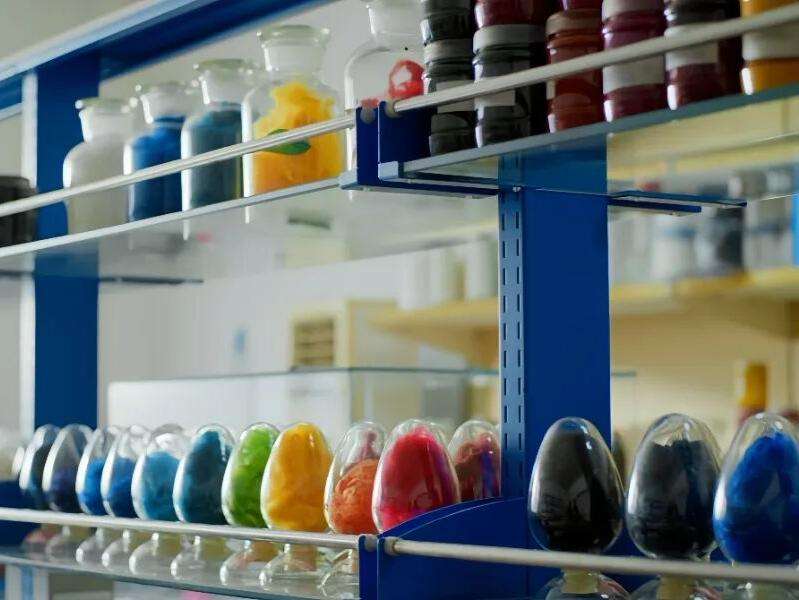
Waterborne colorant represents a revolutionary advancement in the coloring industry, offering sustainable and versatile solutions for numerous applications. This innovative pigment technology utilizes water as its primary carrier medium, eliminating the need for harmful solvents and volatile organic compounds. The waterborne colorant system delivers exceptional color performance while maintaining environmental responsibility and user safety. These advanced formulations consist of carefully engineered pigment particles dispersed in aqueous solutions, creating stable and consistent color reproduction across various substrates. The technology behind waterborne colorant involves sophisticated particle engineering that ensures optimal dispersion, preventing settling and maintaining color integrity over extended periods. Modern manufacturing processes have refined waterborne colorant formulations to achieve superior lightfastness, chemical resistance, and durability comparable to traditional solvent-based systems. The main functions of waterborne colorant include providing vibrant color enhancement, ensuring uniform coverage, and delivering long-lasting performance in demanding environments. Technological features encompass advanced particle size control, pH stability optimization, and compatibility enhancement with various binding systems. The waterborne colorant demonstrates excellent adhesion properties, enabling strong bonds with multiple substrate types including plastics, metals, textiles, and paper products. Temperature stability represents another crucial technological feature, allowing waterborne colorant applications in both ambient and elevated temperature conditions. The formulation science behind waterborne colorant incorporates cutting-edge dispersant technology, ensuring consistent particle distribution and preventing color separation during storage and application. Quality control measures guarantee that each batch of waterborne colorant meets stringent performance standards for color accuracy, viscosity, and shelf stability. Applications span across automotive coatings, architectural paints, industrial finishes, textile dyeing, packaging materials, and specialty coating systems where environmental compliance and performance excellence are essential requirements.

New Product Recommendations

Waterborne colorant offers compelling advantages that make it the preferred choice for environmentally conscious manufacturers and end-users seeking superior performance without compromising sustainability goals. The primary benefit lies in its exceptional environmental profile, as waterborne colorant eliminates harmful volatile organic compounds and reduces overall environmental impact during production and application processes. This eco-friendly characteristic allows companies to meet increasingly stringent environmental regulations while maintaining product quality and performance standards. Safety advantages of waterborne colorant include reduced health risks for workers and consumers, as the absence of toxic solvents creates safer working environments and eliminates exposure concerns associated with traditional solvent-based colorants. The non-flammable nature of waterborne colorant significantly reduces fire hazards during storage, transportation, and application, leading to lower insurance costs and enhanced workplace safety protocols. Cost-effectiveness represents another major advantage, as waterborne colorant typically requires less expensive handling equipment, reduces waste disposal costs, and eliminates the need for specialized ventilation systems required by solvent-based alternatives. The cleanup process becomes significantly simpler with waterborne colorant, requiring only water for equipment cleaning rather than expensive and hazardous chemical solvents. Performance advantages include excellent color retention, superior adhesion properties, and enhanced durability that matches or exceeds traditional colorant systems. The waterborne colorant technology provides consistent color matching capabilities, ensuring batch-to-batch uniformity that manufacturers depend on for quality control. Faster drying times and improved flow characteristics enable higher production speeds and reduced manufacturing cycle times, directly impacting operational efficiency and profitability. The versatility of waterborne colorant allows for easy customization and color matching, providing manufacturers with flexibility to meet specific customer requirements quickly and efficiently. Storage stability represents another significant advantage, as waterborne colorant maintains its properties over extended periods without degradation or separation issues common in other colorant systems. The reduced odor profile of waterborne colorant creates more pleasant working conditions and eliminates customer complaints related to strong chemical smells associated with solvent-based products.

Latest News

Sunmun Subsidiary Named

12

Mar

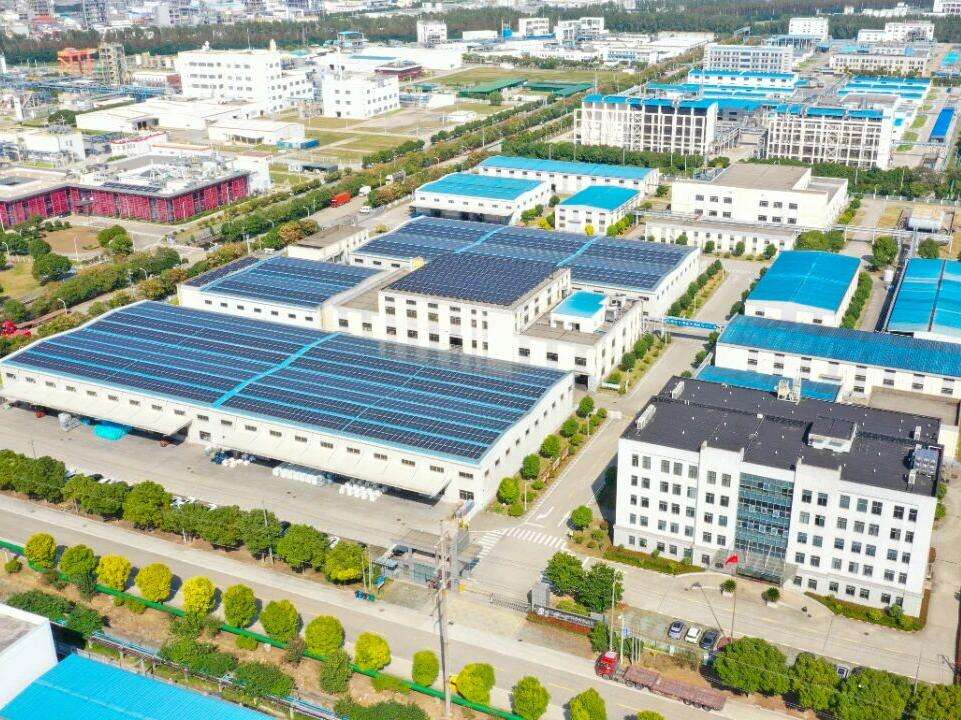
Sunmun Subsidiary Named "Jiangsu Provincial Green Factory", Advancing Sustainable Colorant Production

View More
Sunmun’s Water-Based Color Paste for Viscose Fiber Dope Dyeing Wins “Jiangsu Premium Product” Certification 2025

16

Mar

Sunmun’s Water-Based Color Paste for Viscose Fiber Dope Dyeing Wins “Jiangsu Premium Product” Certification 2025

View More
Sunmun Deepens Southeast Asia Presence with Eco-Friendly Colorants at Pacific Coatings Show 2025

16

Mar

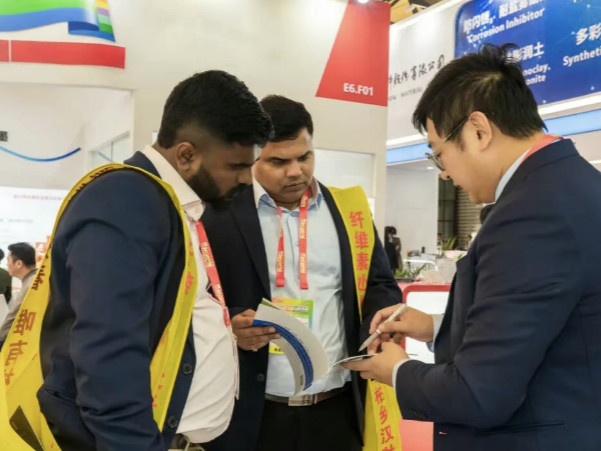
Sunmun Deepens Southeast Asia Presence with Eco-Friendly Colorants at Pacific Coatings Show 2025

View More
SUNMUN Technology Shines at ASEAN Advanced Coatings Technology Forum in Indonesia

28

Apr

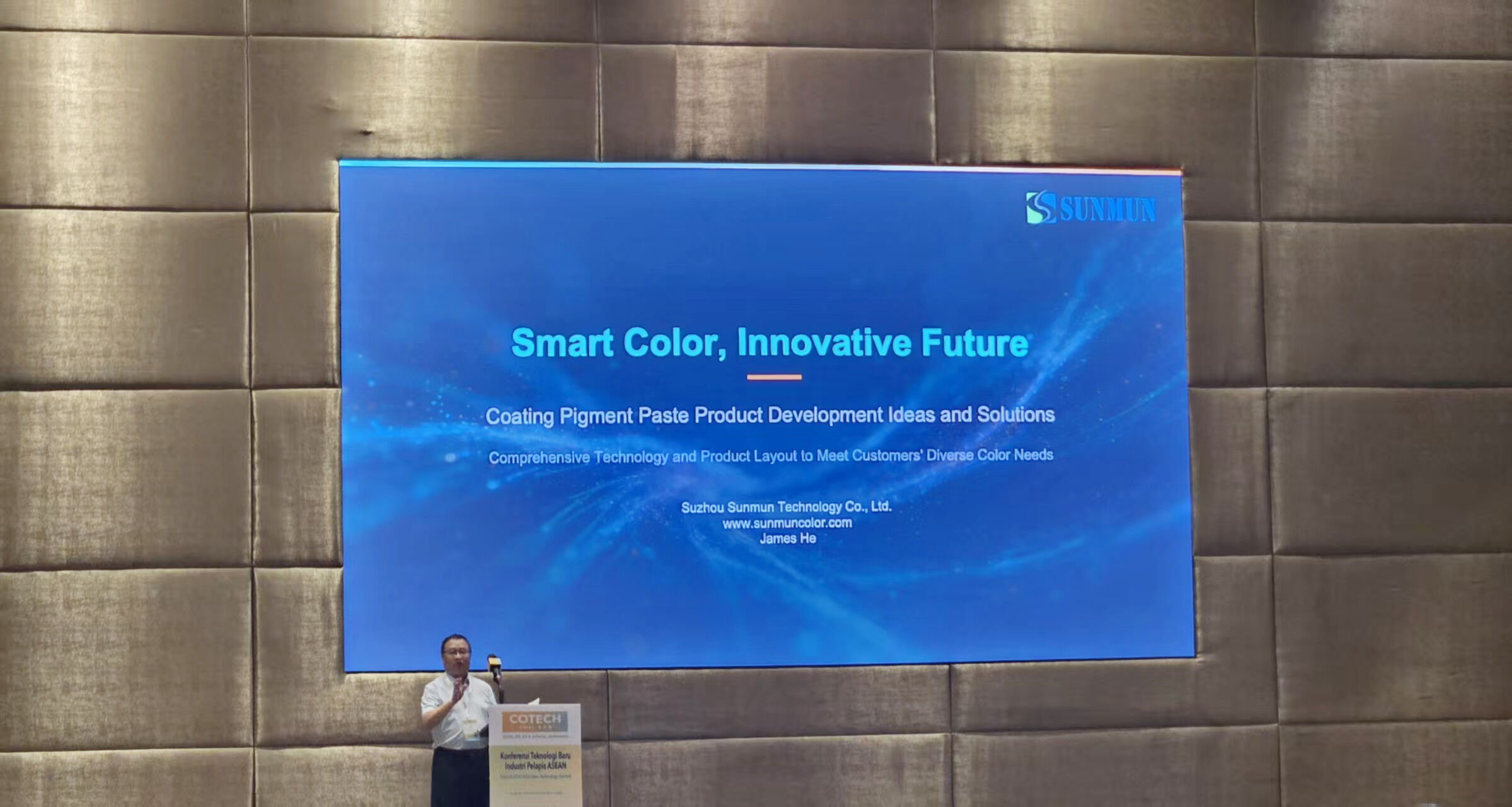
SUNMUN Technology Shines at ASEAN Advanced Coatings Technology Forum in Indonesia

View More

Get a Free Quote

Our representative will contact you soon.
Email
Company Name
Mobile/WhatsApp
Interest of Products
Message
0/1000

waterborne colorant

Superior Environmental Performance and Regulatory Compliance

Superior Environmental Performance and Regulatory Compliance

The environmental excellence of waterborne colorant positions it as the industry standard for sustainable manufacturing practices and regulatory compliance in an increasingly environmentally conscious marketplace. This advanced colorant technology eliminates virtually all volatile organic compound emissions, reducing air pollution and contributing to improved indoor and outdoor air quality standards that benefit both workers and surrounding communities. The waterborne colorant formulation process utilizes renewable water resources as the primary carrier medium, significantly reducing the carbon footprint associated with colorant production and application compared to petroleum-based solvent systems. Manufacturing facilities using waterborne colorant can achieve substantial reductions in hazardous waste generation, as the water-based system produces minimal toxic byproducts and allows for easier waste treatment and disposal through conventional wastewater management systems. The biodegradable components in many waterborne colorant formulations further enhance environmental compatibility, ensuring that any residual materials break down naturally without accumulating in ecosystems or groundwater supplies. Regulatory compliance becomes streamlined with waterborne colorant adoption, as these products readily meet or exceed requirements established by environmental protection agencies worldwide, including EPA standards, European REACH regulations, and emerging green building certification programs. Companies utilizing waterborne colorant can confidently pursue LEED certification and other sustainability credentials that increasingly influence purchasing decisions in commercial and industrial markets. The reduced environmental impact of waterborne colorant extends throughout the entire product lifecycle, from raw material sourcing through manufacturing, application, use, and eventual disposal or recycling. This comprehensive environmental profile enables companies to demonstrate genuine commitment to sustainability goals while maintaining competitive performance standards. The technology also supports circular economy principles by facilitating easier recycling of coated products and reducing barriers to material recovery processes. Additionally, waterborne colorant contributes to healthier indoor environments by eliminating off-gassing concerns and reducing the need for extensive ventilation systems that consume significant energy resources during building operation.
Enhanced Safety Profile and Worker Protection

Enhanced Safety Profile and Worker Protection

The exceptional safety characteristics of waterborne colorant create comprehensive protection for workers, facilities, and end-users while eliminating numerous health and safety risks associated with traditional solvent-based colorant systems. The non-toxic formulation of waterborne colorant eliminates exposure risks to carcinogenic compounds, reproductive toxins, and neurological hazards commonly found in solvent-based alternatives, creating safer working environments that protect employee health and reduce long-term liability concerns for employers. The absence of flammable solvents in waterborne colorant dramatically reduces fire and explosion risks during storage, handling, and application processes, allowing facilities to operate with standard safety protocols rather than requiring specialized fire suppression systems and explosion-proof equipment mandated for solvent-based products. This improved safety profile translates directly into reduced insurance premiums, lower safety equipment costs, and decreased regulatory oversight requirements that can significantly impact operational expenses and compliance burdens. Worker training requirements become simplified with waterborne colorant adoption, as personnel no longer need specialized hazardous material handling certification or extensive safety protocol education required for solvent-based systems. The elimination of respiratory protection requirements in most waterborne colorant applications reduces equipment costs and improves worker comfort and productivity throughout manufacturing operations. Emergency response procedures become less complex and costly when facilities transition to waterborne colorant, as spill cleanup requires basic absorbent materials and water rather than specialized hazardous material response equipment and trained personnel. The non-volatile nature of waterborne colorant prevents the accumulation of explosive vapor concentrations that pose significant safety risks in enclosed spaces and confined work areas. Storage safety improves dramatically as waterborne colorant requires only standard temperature-controlled environments rather than specialized hazardous material storage facilities with complex ventilation and monitoring systems. Transportation safety benefits include reduced shipping restrictions, lower handling requirements, and decreased liability concerns for logistics partners throughout the supply chain. The user-friendly characteristics of waterborne colorant enable safer application by reducing skin and eye irritation risks while eliminating the need for extensive personal protective equipment that can impede worker mobility and comfort during application processes.
Superior Performance and Operational Efficiency

Superior Performance and Operational Efficiency

The advanced performance characteristics of waterborne colorant deliver exceptional operational efficiency and quality outcomes that exceed traditional expectations while providing manufacturers with competitive advantages in demanding market conditions. The sophisticated particle engineering technology utilized in waterborne colorant formulations ensures superior color consistency and repeatability across production batches, enabling manufacturers to maintain strict quality control standards and reduce costly color matching delays and rework procedures. The enhanced flow and leveling properties of waterborne colorant create smooth, uniform finishes that minimize surface defects and reduce the need for secondary processing operations such as sanding, polishing, or refinishing that add significant time and cost to manufacturing processes. Faster curing and drying characteristics enable increased production throughput and reduced manufacturing cycle times, allowing facilities to improve capacity utilization and respond more quickly to customer demand fluctuations without requiring additional equipment investments. The excellent adhesion properties of waterborne colorant create stronger, more durable bonds with various substrate materials, resulting in improved product longevity and reduced warranty claims that directly impact profitability and customer satisfaction ratings. The thermal stability of waterborne colorant maintains color integrity and performance characteristics across wide temperature ranges, making it suitable for applications in extreme environments where traditional colorants may fail or degrade prematurely. The chemical resistance properties protect against corrosion, staining, and degradation from exposure to cleaning agents, industrial chemicals, and environmental contaminants that commonly affect colored surfaces in commercial and industrial applications. Quality control processes become more efficient with waterborne colorant due to improved batch-to-batch consistency and predictable performance characteristics that reduce testing requirements and accelerate product release schedules. The versatility of waterborne colorant formulations allows for easy customization to meet specific customer requirements without extensive reformulation processes or lengthy development timelines that can delay product launches and market entry. Equipment compatibility advantages reduce capital investment requirements, as waterborne colorant works effectively with standard mixing, pumping, and application equipment without requiring specialized handling systems or extensive facility modifications. The reduced maintenance requirements for equipment used with waterborne colorant result from the elimination of solvent-related corrosion and contamination issues that frequently plague manufacturing operations using traditional colorant systems, leading to improved equipment reliability and reduced downtime costs.

Get a Free Quote

Our representative will contact you soon.
Email
Company Name
Mobile/WhatsApp
Interest of Products
Message
0/1000