Evrensel Lif Uyumluluk Sistemi
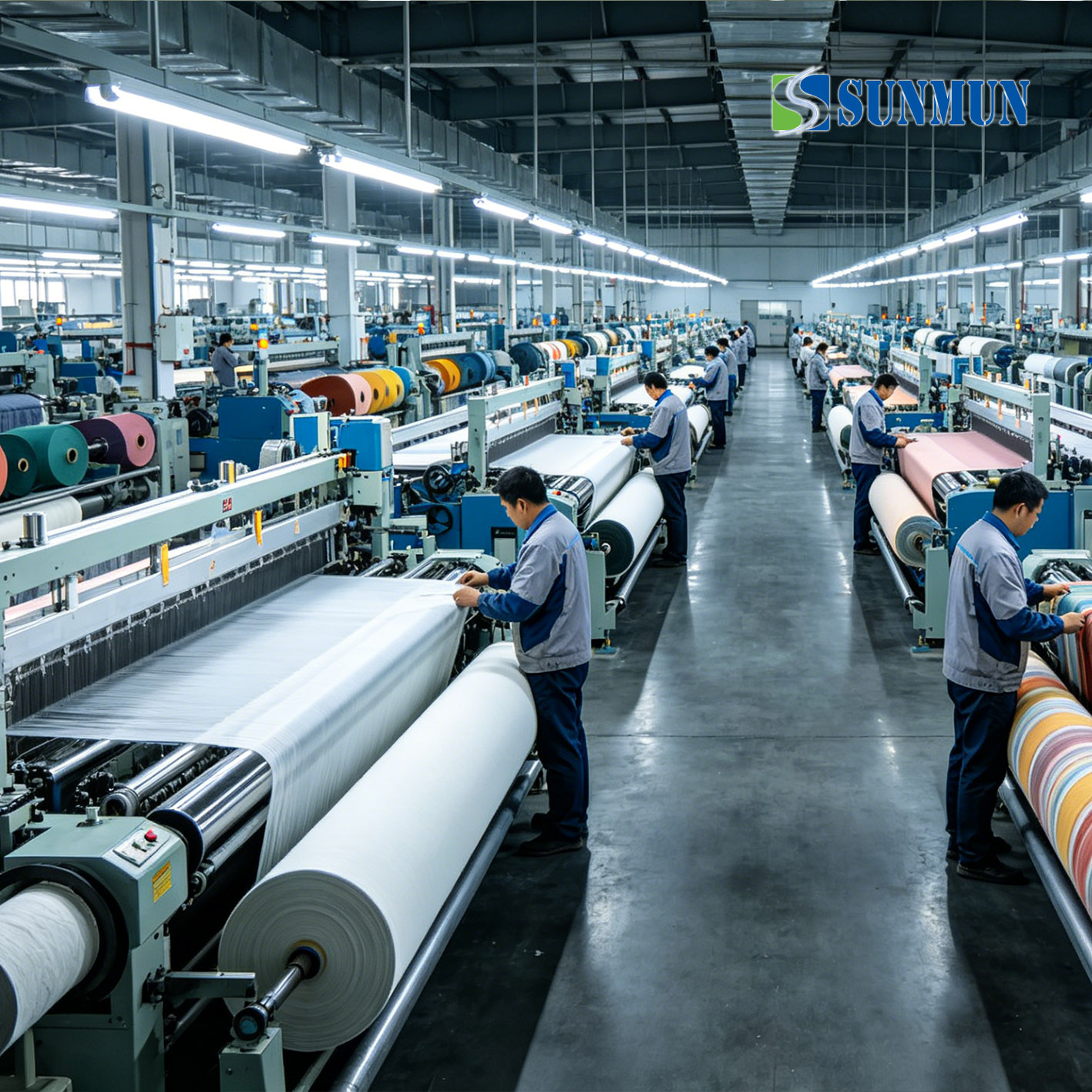
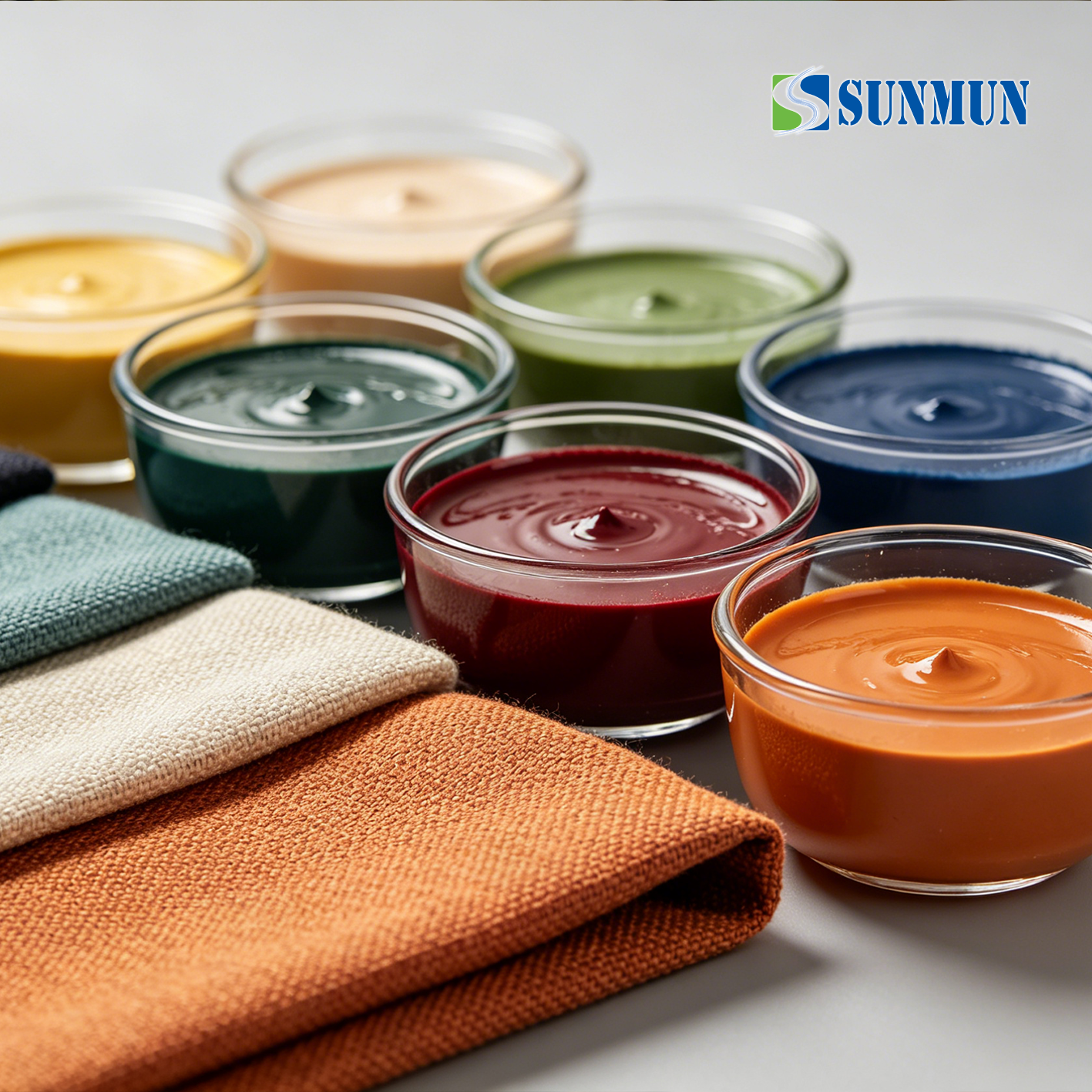
Bu kumaş boyar maddesinin yenilikçi evrensel lif uyumluluk sistemi, tekstil boyama teknolojisinde bir paradigma değişimini temsil eder ve doğal ile sentetik lif işleme arasındaki geleneksel engelleri ortadan kaldırır. Bu çok yönlü kumaş boyar maddesi, pamuk, yün, ipek, polyester, naylon, akrilik ve çeşitli lif karışımları dahil olmak üzere farklı lif tiplerine olağanüstü bağlanma özelliği gösterir; böylece üretim süreçleri kolaylaştırılır ve stok yönetimi karmaşıklığı azaltılır. Bu kumaş boyar maddesinin uyarlanabilir moleküler yapısı, farklı lif kimyasallarıyla çoklu bağlanma mekanizmaları aracılığıyla etkili şekilde etkileşime geçmesini sağlar ve bu da alt tabaka bileşiminin ne olduğuna bakılmaksızın tutarlı renk gelişimini garanti eder. Üretim tesisleri, bu evrensel yaklaşımdan büyük ölçüde fayda sağlar; çünkü bu kumaş boyar maddesi, farklı lif tipleri için ayrı boyama sistemleri ve kimyasal stokları sürdürme ihtiyacını ortadan kaldırır. Bu kumaş boyar maddesinin ekonomik avantajları, daha düşük ekipman yatırımı, basitleştirilmiş eğitim gereksinimleri ve operasyonel karmaşıklığın azalması yoluyla önemli maliyet tasarruflarına dönüşen unsurlar üzerinden kendini gösterir. Bu kumaş boyar maddesi kullanıldığında kalite tutarlılığı büyük ölçüde artar; çünkü operatörler üretim süreçleri sırasında farklı lif tipleri arasında geçiş yaparken artık formülasyonları veya işlem parametrelerini ayarlama zorunluluğu duymazlar. Bu kumaş boyar maddesinin çevresel etkisi, basitleştirilmiş işlem sürecinden kaynaklanan kimyasal atık miktarının azalması ve life özel yardımcı kimyasalların ortadan kalkması nedeniyle önemli ölçüde azalır. Araştırma ve geliştirme çabaları, bu kumaş boyar maddesinin farklı lif karışım oranlarında etkili çalışacak şekilde optimize edilmesini sağlamıştır; böylece geleneksel olarak boyama zorlukları yaratan karışık lifli tekstillerde homojen renk dağılımı sağlanır. Bu kumaş boyar maddesinin sunduğu esneklik, üreticilerin life özel sınırlamaların getirdiği kısıtlamalara takılmadan pazar taleplerine ve moda trendlerine hızlıca yanıt vermesini sağlar. Bu kumaş boyar maddesiyle işlem optimizasyonu daha doğrudan hale gelir; çünkü standartlaştırılmış prosedürler, ürün çizgilerinin çeşitliliğine bakılmaksızın uygulanabilir, bu da operasyonel verimliliği artırır ve ürün kalitesini tehlikeye atan işlem hatalarının olasılığını azaltır.



 EN
EN