Matumizi ya Kuvutia na Uwezo wa Kuendura Bora Zaidi wa Bidhaa
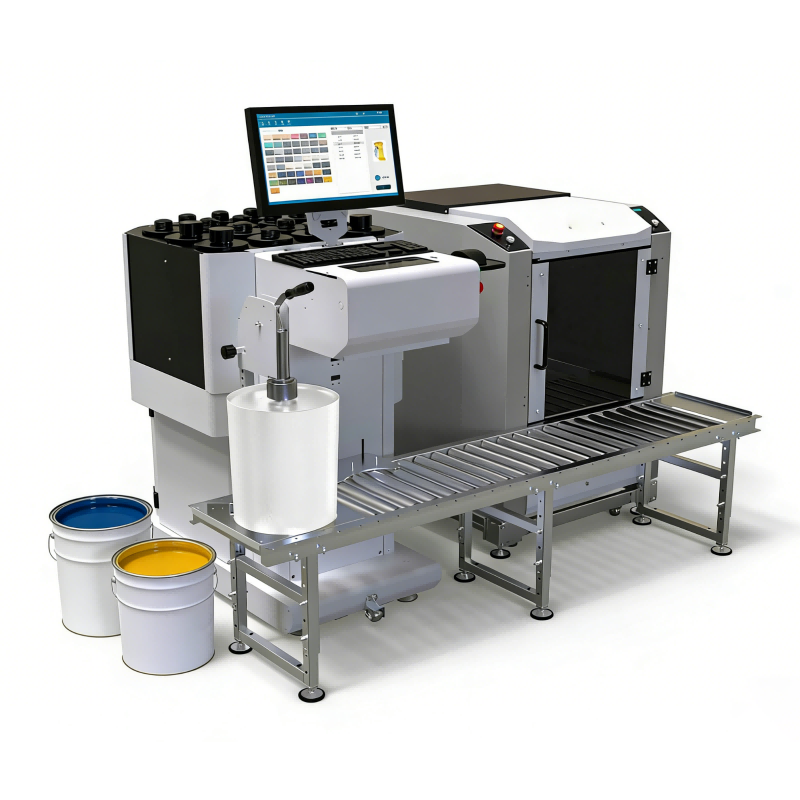
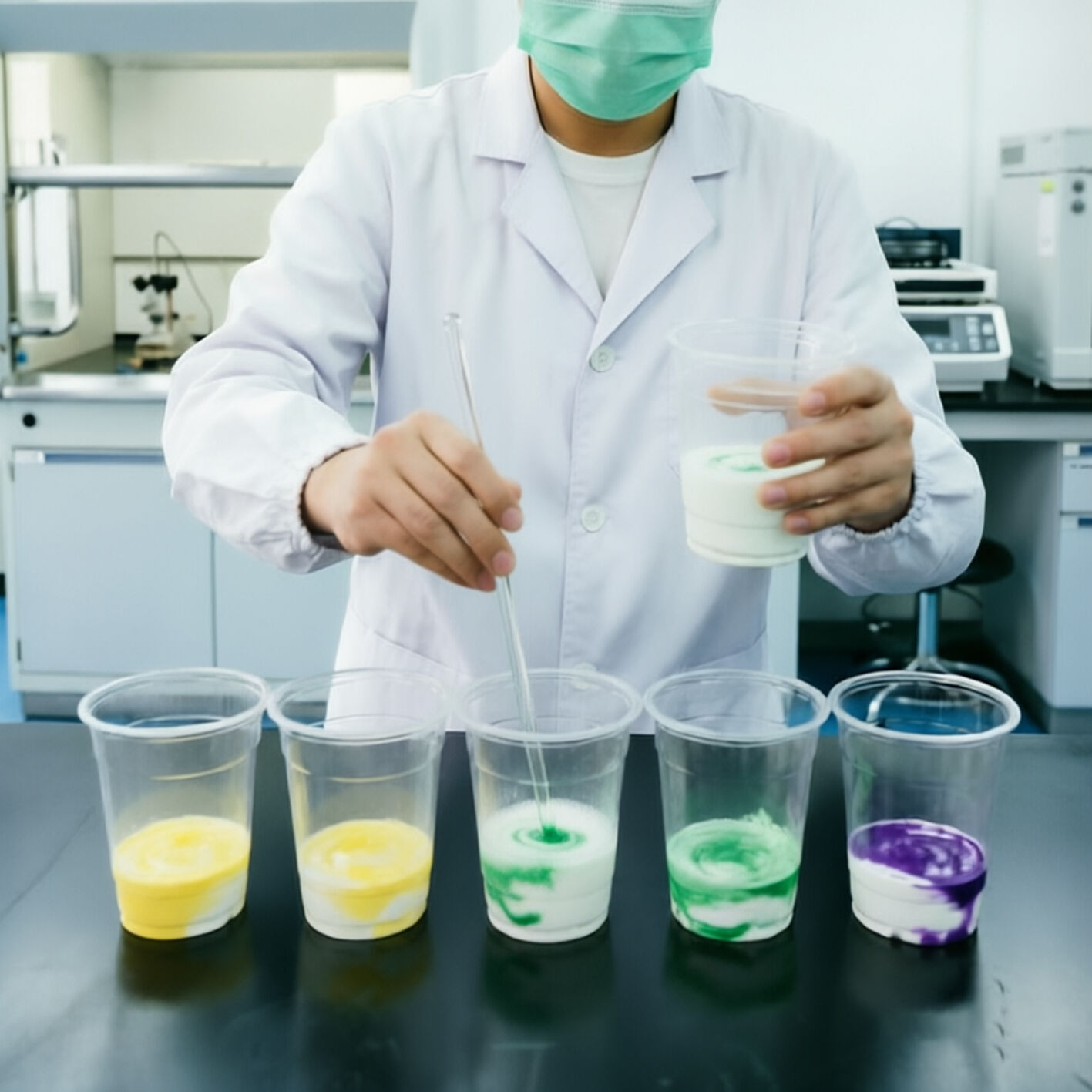
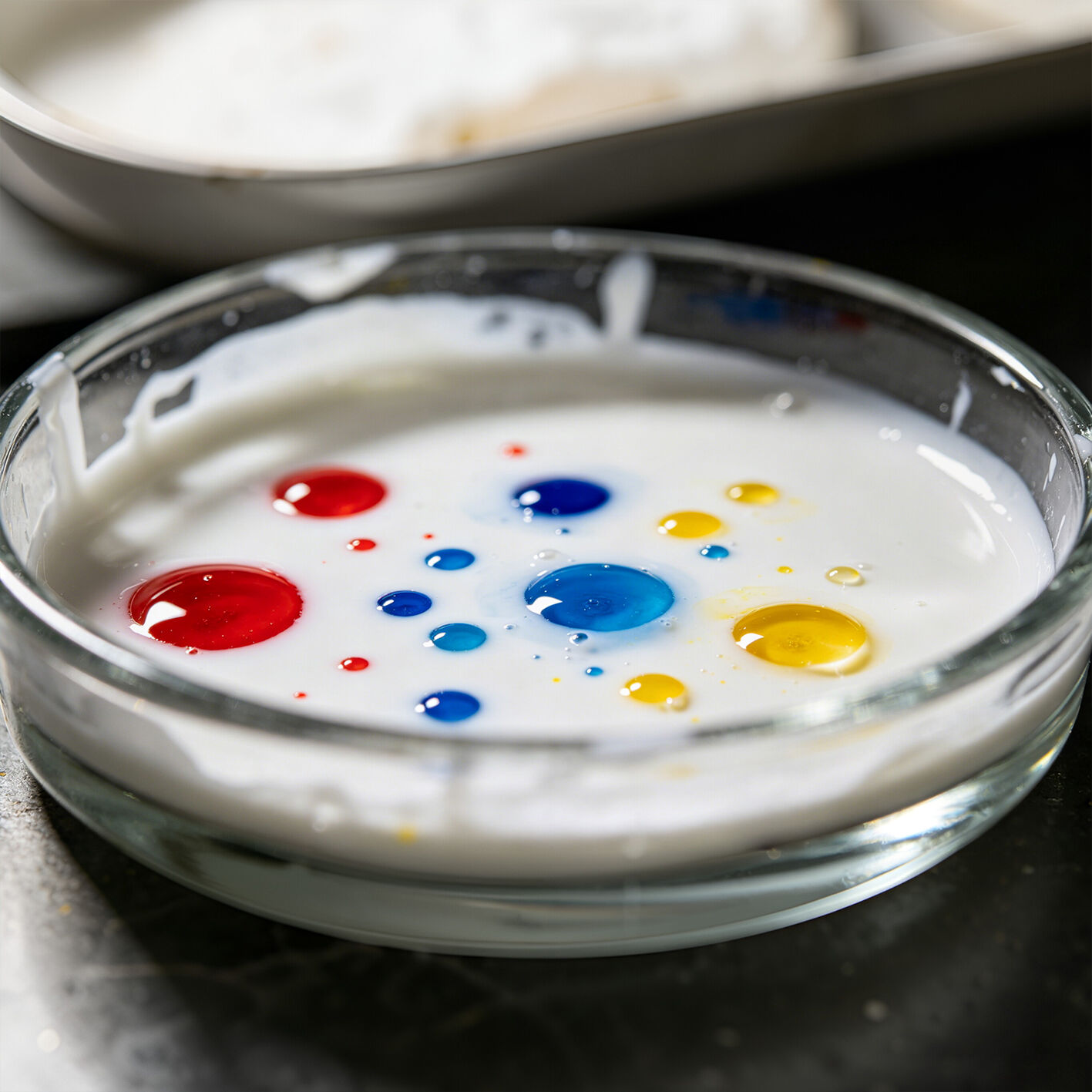
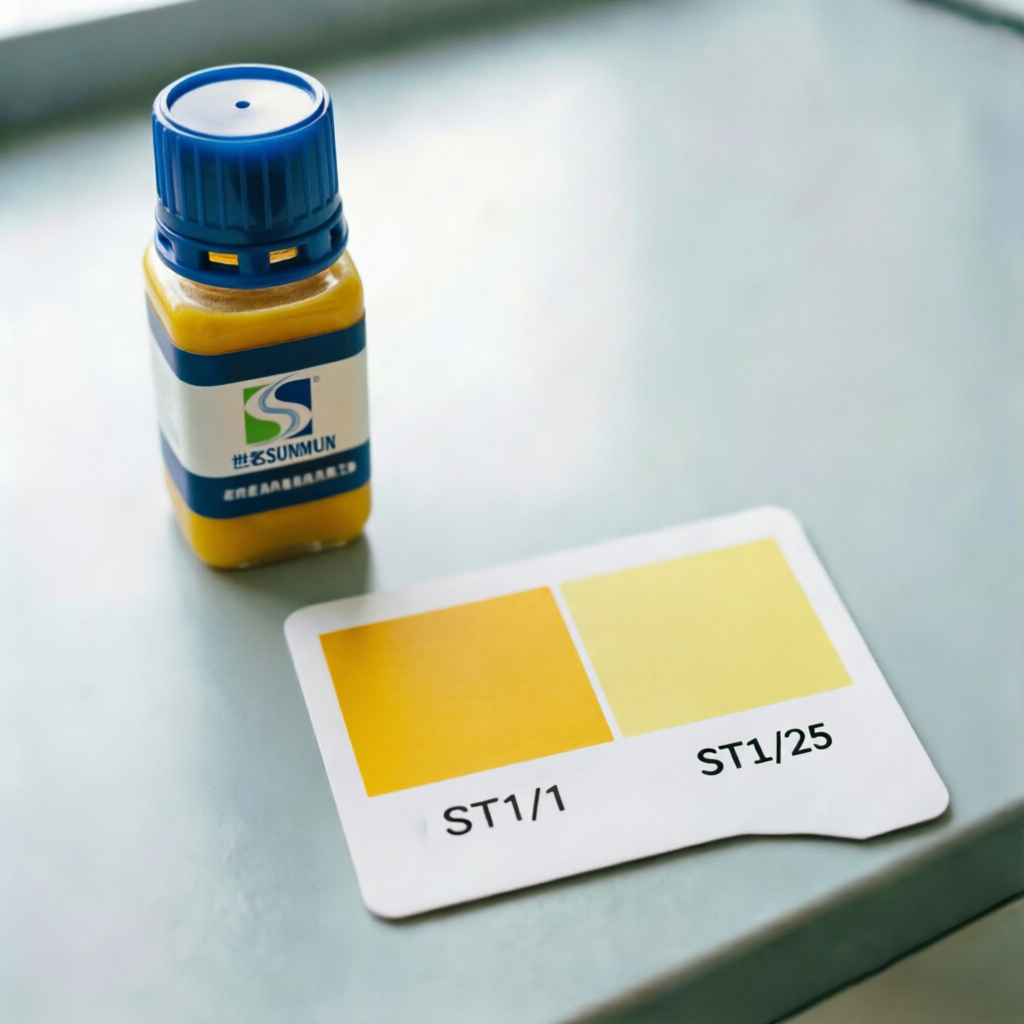
Uwezo wa kufanya kazi kwa teknolojia ya kusambaza rangi kwa wataalamu unawezesha utendaji bora katika matumizi ya viwanda mbalimbali pamoja na kutoa uwezo wa kudumu zaidi ambao unahamisha muda wa maisha ya bidhaa. Uwindaji huu wa juu unazalisha rangi zilizosambazwa zinazofaa kwa matumizi yanayotaka kiasi kikubwa ikiwa ni pamoja na michoro ya magari, rangi za majengo, michoro ya viwanda, tinta za kuprinti, rangi za plastiki, na rangi za kitambaa. Udhibiti wa usahihi uliofikiwa kupitia usambazaji wa wataalamu unahakikisha kwamba rangi zinatumika kwa namna moja kwa moja katika njia zote za kutumia, kutoka kwenye kuchapisha kwa mchakato wa kusukuma, kutumia brush, kufurusha kwa injeksheni, hadi kuchapisha kwa kuchora kwenye meshi. Usambazaji bora wa vichwa vya rangi unaboresha uwezo wa kuzuia UV na uwezo wa kudumu ya rangi, mambo muhimu sana kwa matumizi ya nje yanayopangwa kuwa chini ya hali za mazingira yenye shida. Usambazaji bora wa rangi unazalisha bidhaa zenye uwezo bora wa kuzuia kemikali, ukidumu wa rangi unapohusishwa na asidi, alkali, solvanti, na kemikali nyingine zenye nguvu zinazotumiwa mara kwa mara katika mazingira ya viwanda. Uwezo bora wa kushikiana uliofikiwa kupitia usambazaji unaoboresha uunganisho kati ya michoro iliyorangiliwa na vitu vinavyotumika kama msingi, kubadilisha hatari ya kujitenga na kuharibika mapema. Usambazaji wa rangi kwa wataalamu unahakikisha uwezo wa kubadilisha muundo, ukiruhusu wafanyabiashara kujenga rangi za kipekee na muundo maalum bila kuharibu vipengele vya utendaji. Uwezo bora wa kujumuisha uliofikiwa kupitia usambazaji unahakikisha kuweza kujumuisha zaidi ya vifungu vya kufanya kazi kama vile vifungu vya kuzuia UV, vifungu vya kuzuia uvimbu, na vifungu vya kuboresha utendaji bila kuharibu vipengele vya rangi. Usambazaji wa vichwa vya rangi kwa namna moja kwa moja unahakikisha vipengele vya kutumia kwa namna inayotarajwa, ikiwa ni pamoja na usawa wa mchakato wa kuchapisha, usawa wa kuchapisha kwa brush, na vipengele vya kujenga filmi. Uthabiti huu unahitajika sana kwa wafanyabiashara wanaohitaji matokeo ya kudumu katika viwanja vingi vya uzalishaji na hali za kutumia. Uwezo bora wa kudumu wa bidhaa zilizotengenezwa kwa kutumia rangi zilizosambazwa vizuri hunafanya mahitaji ya usafi na kuhakikisha muda mrefu wa kutumia kabla ya kubadilishwa, kutoa thamani ya muda mrefu kwa watumiaji wa mwisho pamoja na kusaidia mashauri ya kudumu kupitia kufanya matumizi chini ya vitu na kuzalisha takruba chini.

 EN
EN