Premium Natural Colorant Solutions: Safe, Sustainable, and High-Performance Coloring Agents

Get a Free Quote

Our representative will contact you soon.
Email
Company Name
Mobile/WhatsApp
Interest of Products
Message
0/1000

natural colorant

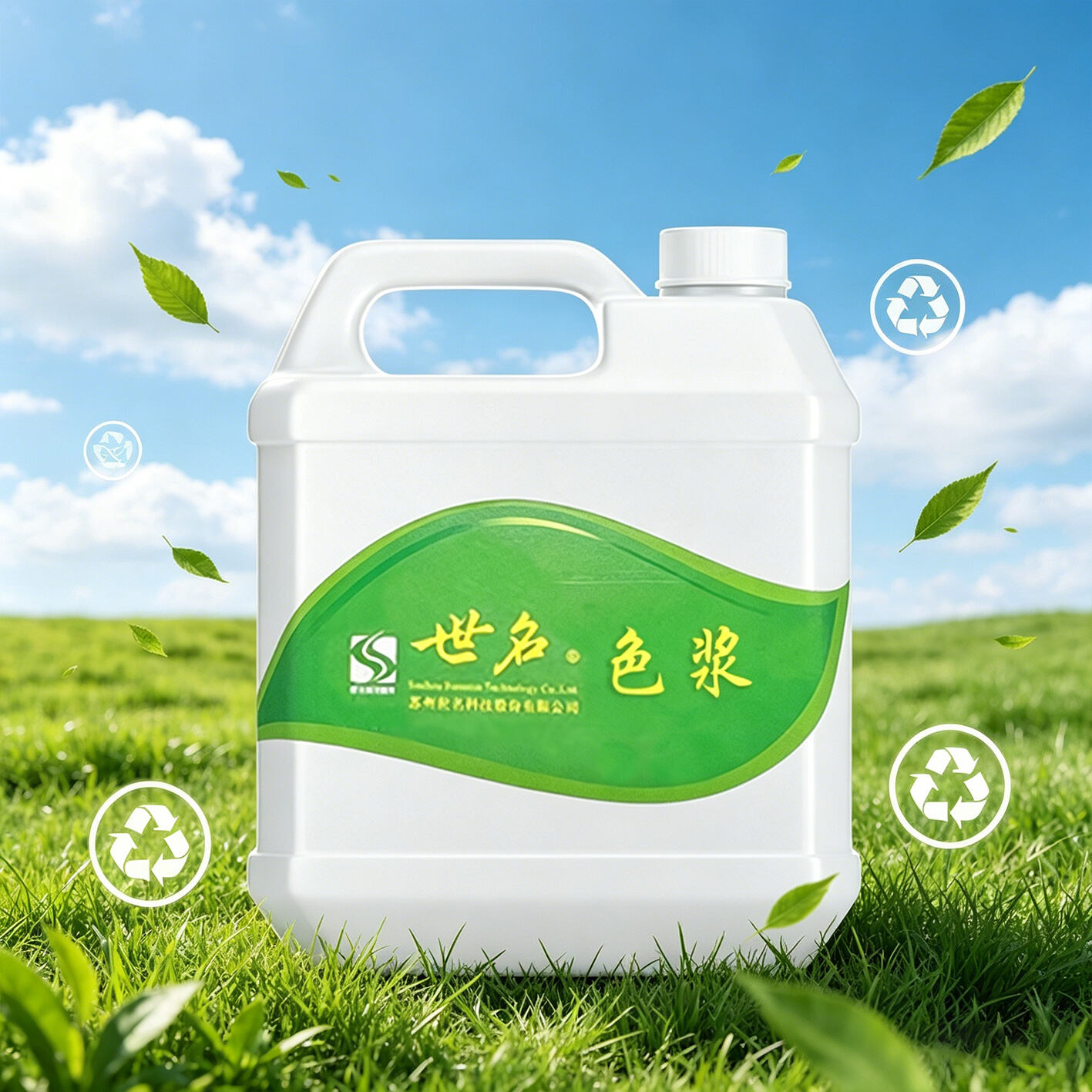
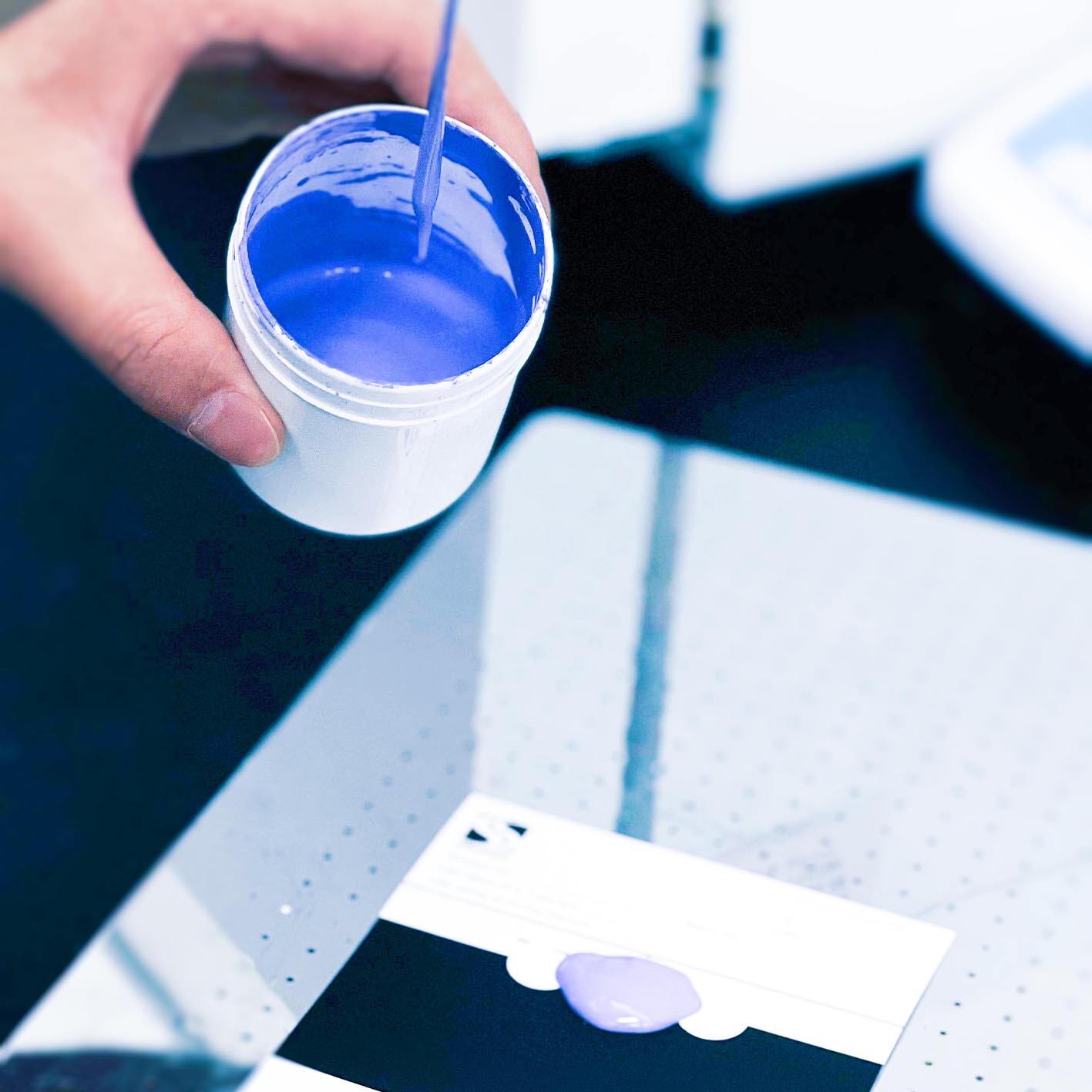
Natural colorant represents a revolutionary approach to adding vibrant hues and visual appeal to various products across multiple industries. These plant-based and mineral-derived coloring agents offer exceptional performance while maintaining environmental sustainability and consumer safety. The natural colorant market has experienced tremendous growth as manufacturers seek alternatives to synthetic dyes that may pose health concerns or environmental challenges. These innovative coloring solutions extract their pigments from fruits, vegetables, flowers, roots, and other organic sources, creating a diverse palette of colors that meet modern consumer demands for clean-label products. The main functions of natural colorant extend beyond simple color enhancement, encompassing preservation properties, antioxidant benefits, and nutritional value additions. These multifunctional ingredients serve as natural preservatives while delivering consistent color performance across various pH levels and temperature conditions. The technological features of natural colorant include superior stability under different processing conditions, excellent solubility in both water and oil-based systems, and compatibility with various manufacturing processes. Advanced extraction and purification techniques ensure that these colorants maintain their potency and deliver reliable results in commercial applications. Natural colorant applications span across food and beverage industries, cosmetics, pharmaceuticals, textiles, and personal care products. In food applications, these colorants enhance the visual appeal of beverages, confectionery, dairy products, baked goods, and processed foods while adding potential health benefits. The cosmetic industry utilizes natural colorant for lipsticks, eye shadows, foundations, and skincare products, meeting consumer preferences for natural beauty solutions. Pharmaceutical applications include tablet coatings, liquid medications, and nutritional supplements where color coding aids in product identification and consumer compliance. The textile industry increasingly adopts natural colorant for eco-friendly fabric dyeing processes that reduce environmental impact while delivering rich, lasting colors.

Popular Products

Natural colorant offers numerous compelling advantages that make it an superior choice for manufacturers and consumers seeking safe, effective, and environmentally responsible coloring solutions. The primary benefit lies in its exceptional safety profile, as these plant-derived ingredients pose minimal risk of allergic reactions or adverse health effects compared to synthetic alternatives. This safety advantage translates into broader market acceptance and reduced regulatory compliance burdens for manufacturers. The environmental benefits of natural colorant cannot be overstated, as these ingredients biodegrade naturally without leaving harmful residues in water systems or soil. Companies adopting natural colorant demonstrate their commitment to sustainability while meeting increasingly stringent environmental regulations and consumer expectations for eco-friendly products. The versatility of natural colorant enables its use across diverse applications and processing conditions, providing manufacturers with flexible solutions that adapt to various production requirements. These colorants maintain stability during thermal processing, freeze-thaw cycles, and extended storage periods, ensuring consistent product quality and appearance. The multifunctional properties of natural colorant deliver additional value beyond color enhancement, including antioxidant protection, antimicrobial effects, and nutritional supplementation. This multifunctionality reduces the need for additional ingredients, simplifying formulations and potentially reducing overall production costs. Consumer acceptance of natural colorant continues to grow as awareness of health and environmental issues increases. Products featuring natural colorants often command premium pricing and enjoy stronger brand loyalty from health-conscious consumers. The clean-label appeal of natural colorant helps manufacturers meet consumer demands for transparent ingredient lists and recognizable components. Quality assurance with natural colorant benefits from standardized extraction and processing methods that ensure consistent color strength, purity, and performance. Advanced testing protocols verify the absence of contaminants and confirm the presence of beneficial compounds. The economic advantages include potential cost savings through reduced regulatory compliance requirements, lower insurance premiums due to improved safety profiles, and increased market share among environmentally conscious consumers. Natural colorant also supports local agricultural communities by creating markets for specialty crops and agricultural waste products that serve as raw materials for color extraction.

Tips And Tricks

Sunmun Subsidiary Named

12

Mar

Sunmun Subsidiary Named "Jiangsu Provincial Green Factory", Advancing Sustainable Colorant Production

View More
Sunmun’s Water-Based Color Paste for Viscose Fiber Dope Dyeing Wins “Jiangsu Premium Product” Certification 2025

16

Mar

Sunmun’s Water-Based Color Paste for Viscose Fiber Dope Dyeing Wins “Jiangsu Premium Product” Certification 2025

View More
Sunmun Deepens Southeast Asia Presence with Eco-Friendly Colorants at Pacific Coatings Show 2025

16

Mar

Sunmun Deepens Southeast Asia Presence with Eco-Friendly Colorants at Pacific Coatings Show 2025

View More
SUNMUN Technology Shines at ASEAN Advanced Coatings Technology Forum in Indonesia

28

Apr

SUNMUN Technology Shines at ASEAN Advanced Coatings Technology Forum in Indonesia

View More

Get a Free Quote

Our representative will contact you soon.
Email
Company Name
Mobile/WhatsApp
Interest of Products
Message
0/1000

natural colorant

Superior Color Stability and Performance Across Applications

Superior Color Stability and Performance Across Applications

Natural colorant demonstrates exceptional stability and performance characteristics that surpass many synthetic alternatives, making it an ideal choice for manufacturers seeking reliable coloring solutions across diverse applications. The advanced processing techniques used in natural colorant production ensure that these pigments maintain their vibrancy and intensity throughout various manufacturing processes, storage conditions, and end-use applications. Unlike traditional synthetic dyes that may fade or change color when exposed to light, heat, or pH variations, natural colorant exhibits remarkable resilience under challenging conditions. This stability stems from the inherent molecular structure of plant-based pigments and the sophisticated extraction methods that preserve their integrity. In food applications, natural colorant maintains its visual appeal throughout product shelf life, ensuring that beverages retain their attractive appearance, baked goods display consistent coloration, and processed foods meet consumer expectations for visual quality. The pH stability of natural colorant allows its use in acidic environments such as citrus beverages, fermented products, and pickled foods without significant color degradation. Temperature resistance enables natural colorant to withstand pasteurization processes, baking temperatures, and freeze-drying operations while maintaining color integrity. In cosmetic applications, this stability translates to longer-wearing makeup products, consistent color payoff, and reduced color migration or bleeding. The lightfastness properties of natural colorant ensure that textile applications maintain their color intensity even after repeated washing cycles and sun exposure. This performance advantage reduces the need for color correction or product recalls due to color inconsistencies, ultimately saving manufacturers time and money while maintaining customer satisfaction. The batch-to-batch consistency of modern natural colorant production ensures predictable results and simplified quality control processes, enabling manufacturers to achieve uniform product appearance across production runs and geographic locations.
Comprehensive Health and Safety Benefits for Consumer Products

Comprehensive Health and Safety Benefits for Consumer Products

Natural colorant provides unprecedented health and safety advantages that address growing consumer concerns about synthetic additives and their potential long-term effects on human health and wellbeing. These plant-derived coloring agents contain beneficial compounds such as anthocyanins, carotenoids, and flavonoids that offer antioxidant properties, supporting overall health while providing vibrant colors. Unlike synthetic dyes that may trigger allergic reactions, hyperactivity in children, or other adverse health effects, natural colorant exhibits an excellent safety profile with minimal risk of negative reactions. The biocompatibility of natural colorant makes it suitable for sensitive applications including children's products, dietary supplements, and therapeutic preparations where safety is paramount. Extensive toxicological studies and historical use data support the safety of natural colorant ingredients, providing manufacturers with confidence in their product formulations. The absence of artificial preservatives, synthetic additives, and chemical stabilizers in properly processed natural colorant eliminates potential sources of contamination or adverse reactions. Many natural colorant sources provide additional nutritional benefits, including vitamins, minerals, and phytonutrients that contribute to the overall nutritional profile of finished products. This dual functionality allows manufacturers to enhance both the visual appeal and nutritional value of their products simultaneously. The clean-label appeal of natural colorant meets consumer demands for transparency and recognizable ingredients, supporting brand trust and customer loyalty. Regulatory agencies worldwide increasingly favor natural colorant over synthetic alternatives, reducing approval times and compliance costs for manufacturers. The traceability of natural colorant from source to finished product enables comprehensive quality assurance and supports organic and natural product certifications. Parents particularly appreciate natural colorant in children's products, knowing they are avoiding potentially harmful synthetic additives while still providing visually appealing items that children enjoy. This safety advantage extends to pharmaceutical applications where natural colorant can be used in medications and supplements without concerns about drug interactions or contraindications that might occur with synthetic dyes.
Environmental Sustainability and Circular Economy Benefits

Environmental Sustainability and Circular Economy Benefits

Natural colorant represents a cornerstone of sustainable manufacturing practices, offering comprehensive environmental benefits that align with corporate sustainability goals and consumer expectations for eco-friendly products. The production of natural colorant typically requires significantly less energy and generates fewer greenhouse gas emissions compared to synthetic dye manufacturing, which often involves petroleum-based raw materials and energy-intensive chemical processes. The renewable nature of plant-based sources for natural colorant ensures a sustainable supply chain that can be continuously replenished through responsible agricultural practices. Many natural colorant producers partner with organic farms and sustainable agriculture initiatives, supporting biodiversity conservation and soil health while creating economic opportunities for rural communities. The biodegradability of natural colorant means that products containing these ingredients break down naturally at the end of their lifecycle, reducing environmental persistence and minimizing long-term ecological impact. This biodegradation occurs without producing harmful metabolites or accumulating in food chains, unlike some synthetic dyes that can persist in environmental systems for extended periods. Water treatment facilities benefit from natural colorant because these substances can be processed using conventional biological treatment methods without requiring specialized chemical treatments or generating toxic sludge. The circular economy principles embodied in natural colorant production often involve utilizing agricultural waste products, fruit pomace, and other byproducts that might otherwise be discarded, creating value from waste streams while reducing overall environmental impact. Carbon footprint reduction occurs through multiple pathways including reduced transportation requirements for locally sourced materials, lower processing energy demands, and elimination of petrochemical feedstocks. Many natural colorant sources can be cultivated using regenerative agriculture practices that actually sequester carbon in soil while producing raw materials for color extraction. The absence of synthetic chemicals in natural colorant production eliminates the risk of groundwater contamination and reduces the environmental burden associated with chemical waste disposal. Life cycle assessments consistently demonstrate the environmental advantages of natural colorant across multiple impact categories including resource depletion, ecosystem toxicity, and climate change potential, making it an essential component of sustainable product formulations.

Get a Free Quote

Our representative will contact you soon.
Email
Company Name
Mobile/WhatsApp
Interest of Products
Message
0/1000