Advanced Pigment Dispersion for Fabric Printing: Superior Color Technology & Sustainable Solutions

Get a Free Quote

Our representative will contact you soon.
Email
Company Name
Mobile/WhatsApp
Interest of Products
Message
0/1000

pigment dispersion for fabric printing

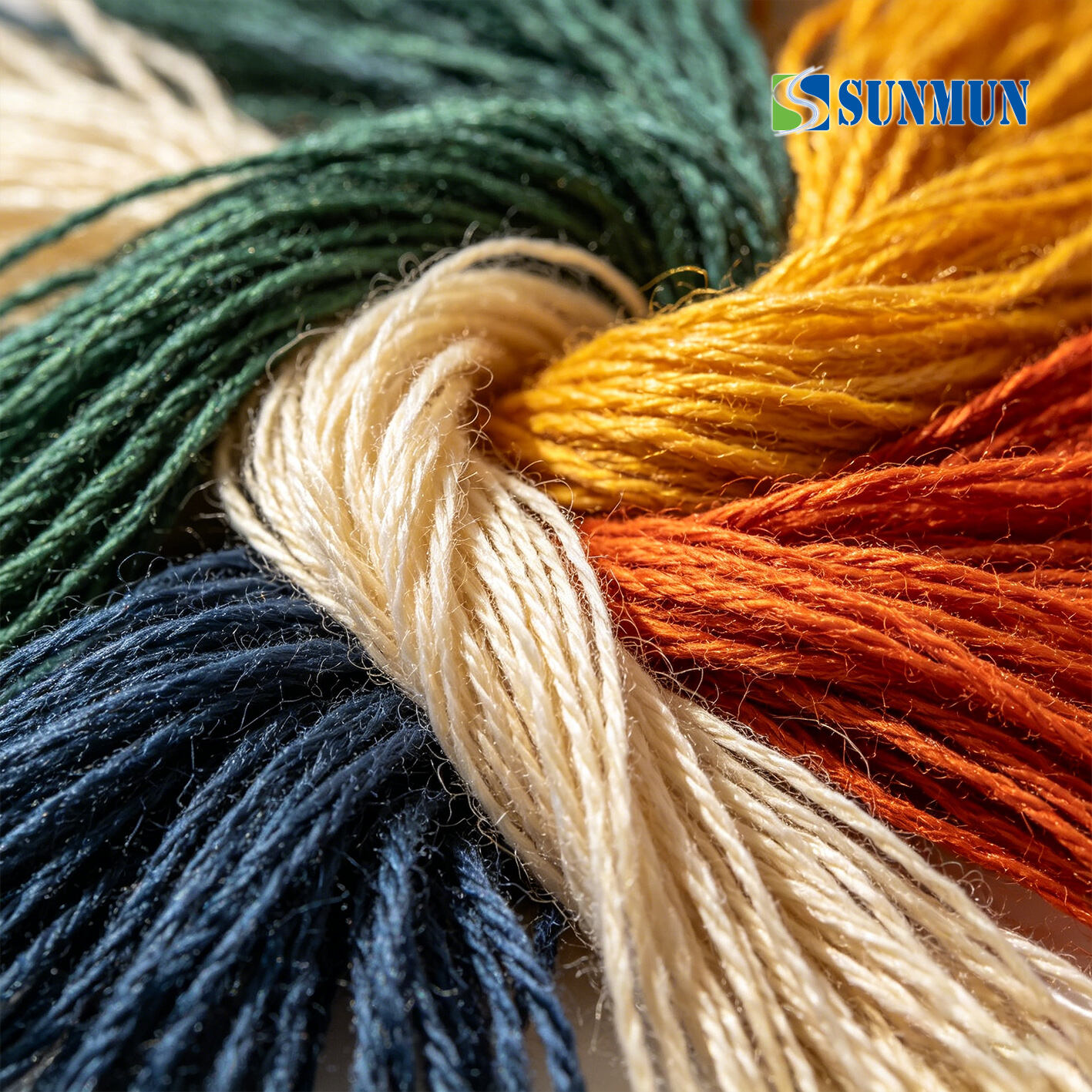
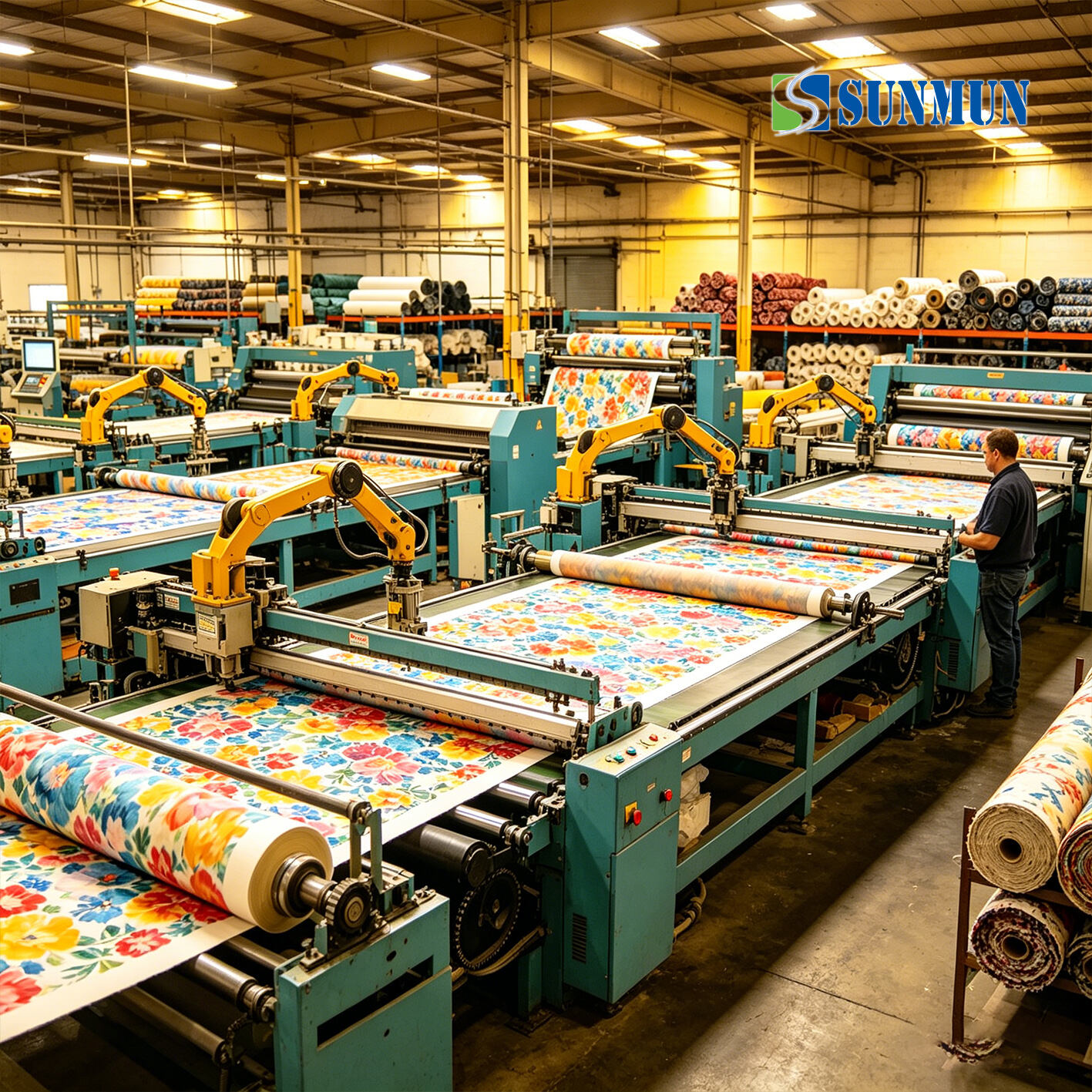
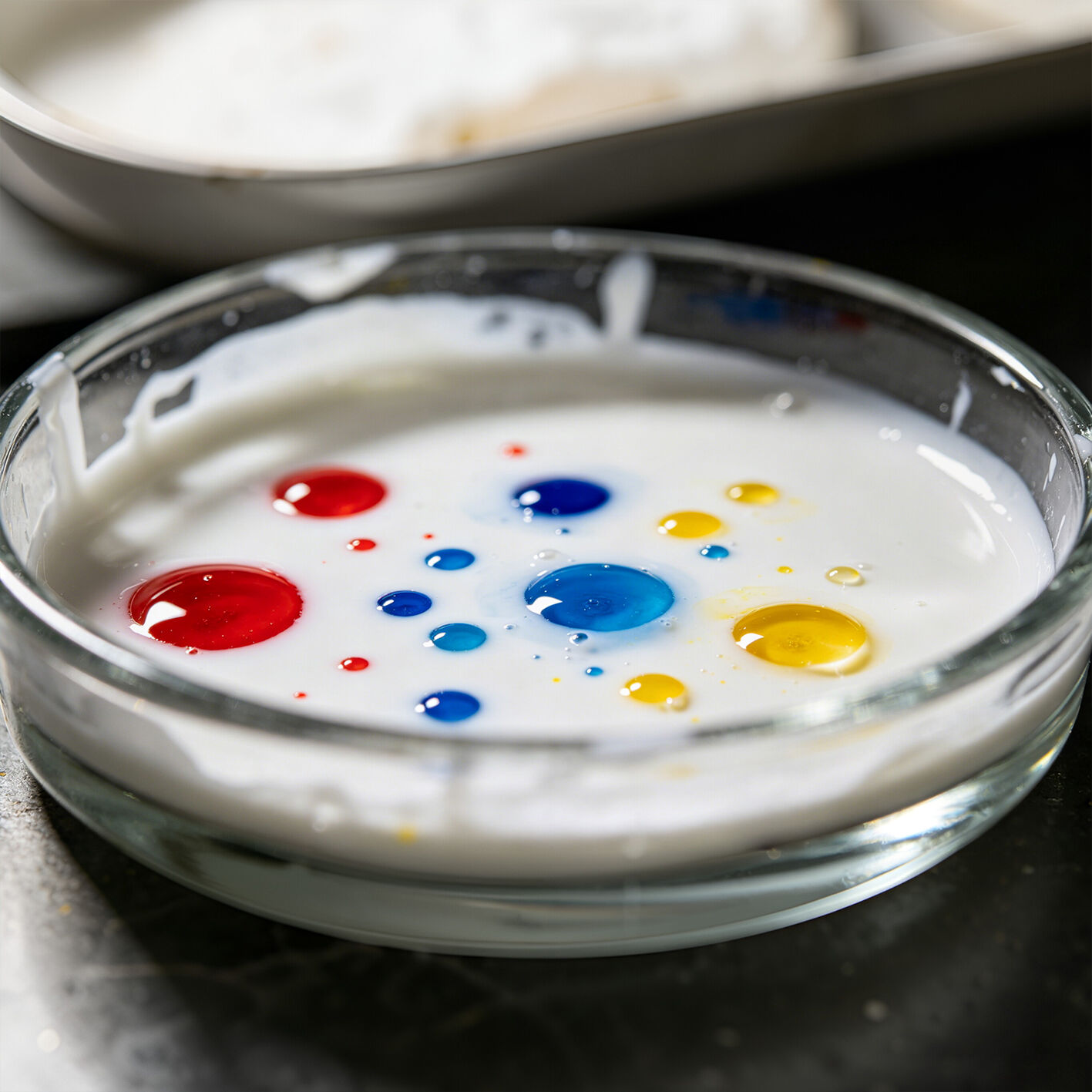
Pigment dispersion for fabric printing represents a revolutionary advancement in textile manufacturing technology, offering unparalleled color vibrancy and durability for modern fabric applications. This sophisticated formulation consists of finely ground pigment particles suspended in a specialized liquid medium, designed specifically to penetrate fabric fibers effectively while maintaining exceptional color stability. The primary function of pigment dispersion for fabric printing involves delivering consistent, high-quality color reproduction across various textile materials, from cotton and polyester to blended fabrics. The technological framework behind pigment dispersion for fabric printing incorporates advanced particle size reduction techniques, ensuring optimal pigment distribution throughout the printing process. These dispersions utilize cutting-edge stabilization methods that prevent particle aggregation and settling, maintaining uniform consistency throughout storage and application periods. The chemical composition includes carefully selected dispersing agents, pH buffers, and rheology modifiers that work synergistically to enhance print quality and fabric adhesion. Manufacturing processes for pigment dispersion for fabric printing employ sophisticated milling technologies, including bead mills and high-pressure homogenizers, to achieve nanoscale particle sizes. This precise control over particle dimensions directly impacts color intensity, transparency, and overall printing performance. Quality control measures ensure each batch meets stringent specifications for viscosity, particle size distribution, and color strength. Applications for pigment dispersion for fabric printing span numerous industries, including fashion apparel, home textiles, automotive upholstery, and technical fabrics. The versatility of these formulations allows manufacturers to achieve diverse aesthetic effects, from vibrant solid colors to complex gradient patterns. Environmental considerations have driven recent innovations in pigment dispersion for fabric printing, leading to water-based formulations that reduce volatile organic compound emissions while maintaining superior performance characteristics.

New Product Releases

Pigment dispersion for fabric printing delivers exceptional cost-effectiveness compared to traditional dyeing methods, significantly reducing material waste and processing time. Manufacturers benefit from streamlined production workflows that eliminate multiple washing cycles typically required with conventional fabric coloration techniques. The superior color fastness properties of pigment dispersion for fabric printing ensure printed fabrics maintain their vibrancy through repeated washing cycles, reducing customer complaints and warranty claims. This enhanced durability translates directly into improved brand reputation and customer satisfaction rates. Production flexibility represents another major advantage of pigment dispersion for fabric printing, allowing manufacturers to switch between different colors rapidly without extensive equipment cleaning procedures. This capability enables smaller batch production runs, supporting just-in-time manufacturing strategies and reducing inventory carrying costs. The consistent viscosity characteristics of pigment dispersion for fabric printing facilitate automated printing processes, minimizing manual intervention and reducing labor costs. Quality control becomes more predictable with standardized formulations that deliver reproducible results across different production runs. Energy efficiency improvements stem from lower processing temperatures required for pigment dispersion for fabric printing applications, resulting in reduced utility costs and smaller environmental footprints. The elimination of steam setting processes traditionally associated with reactive dyes further enhances energy savings. Water consumption decreases substantially when using pigment dispersion for fabric printing, as the process requires minimal rinsing compared to conventional dyeing methods. This water efficiency addresses growing environmental concerns and helps manufacturers comply with increasingly stringent discharge regulations. Storage advantages include extended shelf life and reduced temperature sensitivity, allowing manufacturers to maintain larger inventories without quality degradation concerns. The chemical stability of pigment dispersion for fabric printing formulations prevents separation and settling issues common with other colorant systems. Versatility in substrate compatibility means single pigment dispersion formulations work effectively across multiple fabric types, simplifying inventory management and reducing procurement complexity. Color matching accuracy improves significantly with pigment dispersion for fabric printing, as the controlled particle size distribution ensures consistent optical properties batch after batch. This reliability reduces color approval cycles and accelerates time-to-market for new product lines.

Practical Tips

Sunmun Subsidiary Named

12

Mar

Sunmun Subsidiary Named "Jiangsu Provincial Green Factory", Advancing Sustainable Colorant Production

View More
Sunmun’s Water-Based Color Paste for Viscose Fiber Dope Dyeing Wins “Jiangsu Premium Product” Certification 2025

16

Mar

Sunmun’s Water-Based Color Paste for Viscose Fiber Dope Dyeing Wins “Jiangsu Premium Product” Certification 2025

View More
Sunmun Deepens Southeast Asia Presence with Eco-Friendly Colorants at Pacific Coatings Show 2025

16

Mar

Sunmun Deepens Southeast Asia Presence with Eco-Friendly Colorants at Pacific Coatings Show 2025

View More
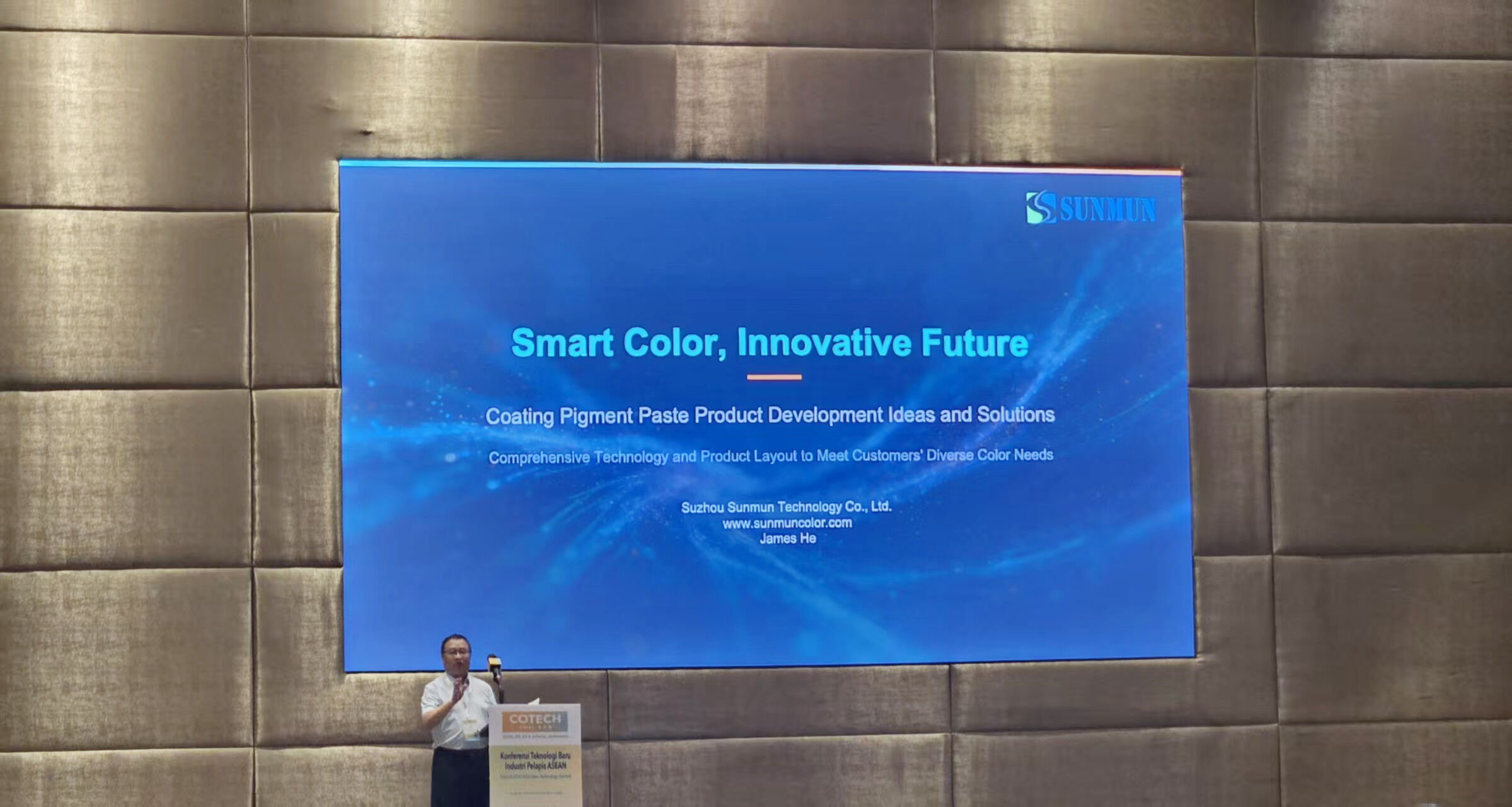
SUNMUN Technology Shines at ASEAN Advanced Coatings Technology Forum in Indonesia

28

Apr

SUNMUN Technology Shines at ASEAN Advanced Coatings Technology Forum in Indonesia

View More

Get a Free Quote

Our representative will contact you soon.
Email
Company Name
Mobile/WhatsApp
Interest of Products
Message
0/1000

pigment dispersion for fabric printing

Superior Color Retention Technology

Superior Color Retention Technology

The advanced color retention technology inherent in pigment dispersion for fabric printing revolutionizes how textiles maintain their aesthetic appeal throughout their lifecycle. This breakthrough stems from the unique molecular structure of dispersed pigments, which form strong mechanical bonds with fabric fibers rather than relying solely on chemical interactions. Unlike traditional dyes that can fade or shift color over time, pigment dispersion for fabric printing creates a durable color layer that resists degradation from ultraviolet radiation, repeated washing, and environmental exposure. The technology incorporates specialized encapsulation techniques that protect individual pigment particles from external factors that typically cause color deterioration. These protective mechanisms ensure that fabrics printed with pigment dispersion maintain their original color intensity even after hundreds of washing cycles. Laboratory testing demonstrates that fabrics treated with pigment dispersion for fabric printing retain over ninety percent of their initial color strength after extensive wash testing protocols. This exceptional performance directly benefits manufacturers by reducing warranty claims and enhancing brand reputation for quality. Consumers experience longer-lasting products that maintain their visual appeal throughout extended use periods. The economic implications prove substantial, as retailers can confidently market premium products with extended color guarantees. Additionally, the color retention properties of pigment dispersion for fabric printing enable manufacturers to use lighter fabric weights without compromising opacity, resulting in cost savings on raw materials. The technology also supports sustainable manufacturing practices by extending product lifecycles and reducing replacement frequency. Professional textile laboratories consistently rank fabrics printed with pigment dispersion among the highest performers in standardized colorfastness testing procedures. This superior retention capability opens new market opportunities in demanding applications such as outdoor furniture, automotive interiors, and architectural textiles where long-term color stability remains paramount.
Exceptional Print Quality Consistency

Exceptional Print Quality Consistency

Print quality consistency achieved through pigment dispersion for fabric printing technology eliminates the variability challenges that plague traditional textile coloration methods. The sophisticated particle engineering behind these dispersions ensures uniform size distribution, typically ranging from fifty to two hundred nanometers, which directly correlates to consistent optical properties and print reproducibility. This precise control over particle characteristics enables manufacturers to achieve identical color matches across different production batches, eliminating the color variation issues commonly experienced with conventional dyeing processes. The rheological properties of pigment dispersion for fabric printing formulations remain stable under varying temperature and humidity conditions, ensuring consistent print quality regardless of seasonal environmental changes. Advanced quality control systems monitor viscosity, pH levels, and particle size distribution in real-time, automatically adjusting formulations to maintain optimal printing parameters. The result is unprecedented print consistency that meets the demanding requirements of high-end fashion brands and technical textile applications. Digital printing applications particularly benefit from the exceptional consistency of pigment dispersion for fabric printing, as the stable flow properties ensure reliable ink delivery through fine printing nozzles. This reliability reduces downtime associated with nozzle clogging and maintenance procedures, directly improving production efficiency. Color gamut expansion capabilities allow manufacturers to achieve previously impossible color combinations while maintaining consistent results across different substrate materials. The predictable behavior of pigment dispersion for fabric printing during the curing process eliminates the guesswork associated with achieving optimal color development. Quality assurance teams report significant reductions in rejected materials and rework requirements when switching to pigment dispersion systems. Customer satisfaction scores improve measurably due to the consistent product quality enabled by these advanced formulations. The technology supports lean manufacturing initiatives by reducing process variations and enabling more precise production planning. International quality standards compliance becomes more achievable with the consistent performance characteristics of pigment dispersion for fabric printing systems.
Environmental Sustainability Benefits

Environmental Sustainability Benefits

Environmental sustainability represents a cornerstone advantage of pigment dispersion for fabric printing technology, addressing growing consumer and regulatory demands for eco-friendly manufacturing processes. These advanced formulations significantly reduce water consumption compared to traditional textile dyeing methods, with some applications achieving up to seventy percent water savings through elimination of extensive rinsing cycles. The closed-loop processing capabilities possible with pigment dispersion for fabric printing minimize wastewater generation and reduce treatment facility requirements. Volatile organic compound emissions drop substantially when manufacturers transition to water-based pigment dispersion formulations, improving workplace air quality and reducing environmental impact. The elimination of heavy metal mordants and toxic chemicals commonly used in conventional dyeing processes makes pigment dispersion for fabric printing safer for both workers and surrounding communities. Biodegradability studies demonstrate that modern pigment dispersion formulations break down naturally without leaving harmful residues in soil or water systems. Energy efficiency improvements stem from lower processing temperatures and reduced drying times associated with pigment dispersion for fabric printing applications. Carbon footprint assessments show measurable reductions in greenhouse gas emissions when manufacturers adopt these sustainable technologies. Waste stream reduction occurs naturally as pigment dispersion for fabric printing processes generate fewer byproducts compared to traditional methods. The concentrated nature of these formulations reduces packaging requirements and transportation costs, further minimizing environmental impact. Regulatory compliance becomes more straightforward with pigment dispersion for fabric printing systems that meet or exceed current environmental standards without compromising performance quality. Life cycle assessments consistently favor pigment dispersion technologies over conventional alternatives when evaluating total environmental impact. The technology supports circular economy principles by enabling easier fabric recycling at end-of-life stages. Green certification programs increasingly recognize the environmental benefits of pigment dispersion for fabric printing, providing manufacturers with valuable marketing advantages. Supply chain sustainability improves as fewer hazardous materials require special handling and disposal procedures throughout the manufacturing process.

Get a Free Quote

Our representative will contact you soon.
Email
Company Name
Mobile/WhatsApp
Interest of Products
Message
0/1000