
 EN


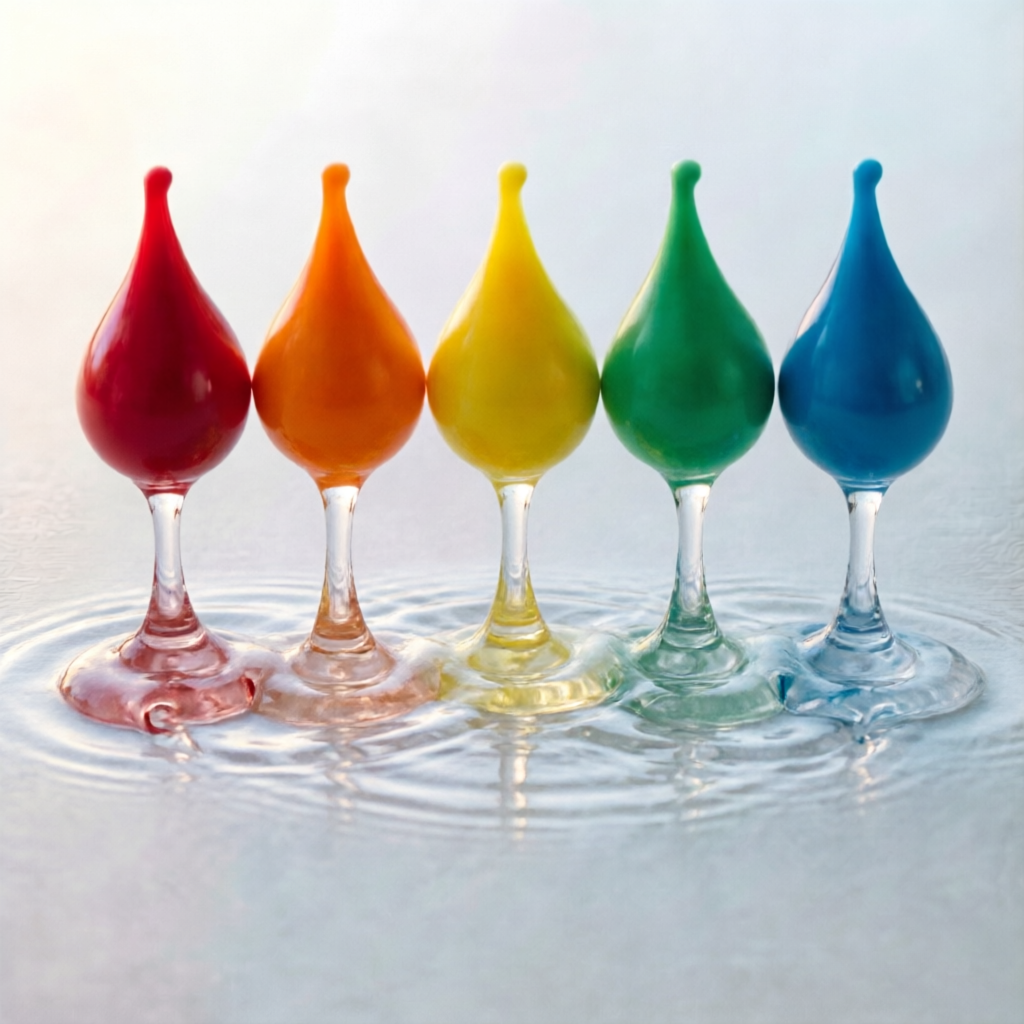
Interior wall coatings have undergone a significant transformation over the past decade, driven largely by growing environmental awareness and stricter regulatory standards. At the heart of this evolution lies the adoption of water-based colorant solutions, which represent a fundamental shift away from traditional solvent-based alternatives. Water-based colorant formulations offer architects, contractors, and property owners a practical path toward reducing environmental impact without compromising aesthetic appeal or performance. Understanding how these advanced colorant solutions work and why they matter for sustainability is essential for anyone involved in building design, renovation, or facility management.

The performance characteristics of water-based colorant technology have advanced dramatically, making these solutions competitive with traditional approaches across multiple dimensions. Modern water-based colorant products deliver consistent color quality, superior durability, and faster drying times while significantly reducing volatile organic compound emissions. This convergence of environmental responsibility and technical excellence explains why leading architectural and construction professionals increasingly specify water-based colorant systems for high-performance interior applications.
Environmental Benefits of Water-Based Colorant Systems
Reduction in Volatile Organic Compounds
Volatile organic compounds represent one of the most pressing environmental and health concerns associated with traditional solvent-based coatings. Water-based colorant formulations virtually eliminate these harmful emissions by using water as the primary carrier medium instead of organic solvents. When a water-based colorant product is applied to interior walls, the low VOC content means significantly fewer harmful chemicals escape into the indoor air, creating a healthier environment for occupants. Regulatory agencies worldwide have recognized this advantage, implementing stricter VOC limits that often make water-based colorant systems the only viable option for certain applications, particularly in schools, healthcare facilities, and residential spaces where air quality directly impacts human health and productivity.
Resource Efficiency and Waste Reduction
Water-based colorant solutions enable more efficient resource utilization throughout the coating application process. These colorant products typically require less primer, fewer coats for equivalent coverage, and minimal cleanup waste compared to solvent-based alternatives. The water-soluble nature of water-based colorant formulations means that equipment can be cleaned with water alone, eliminating the need for chemical solvents and reducing hazardous waste streams on job sites. Furthermore, water-based colorant pigments and binders are often sourced from more sustainable supply chains, with manufacturers increasingly adopting renewable materials and reducing their overall carbon footprint. This comprehensive approach to colorant sustainability extends beyond just the final coating to encompass the entire lifecycle from production through application and eventual disposal.
Performance Advantages of Advanced Colorant Technology
Color Consistency and Aesthetic Quality
A common misconception suggests that water-based colorant solutions sacrifice aesthetic quality for environmental benefits, but modern technology has thoroughly disproven this assumption. Contemporary water-based colorant formulations deliver exceptional color depth, vibrancy, and consistency that match or exceed traditional alternatives. Advanced colorant dispersion techniques ensure uniform pigment distribution, resulting in smooth, professional finishes with minimal color variation across surfaces or between batches. Professional painters and designers now specify water-based colorant systems not as a compromise, but as a preferred choice for delivering the precise color vision architects require while maintaining commitment to sustainable building practices. The expanded palette of available colors in water-based colorant lines means that design flexibility is never compromised.
Durability and Surface Protection
Interior walls treated with high-quality water-based colorant coatings demonstrate excellent durability characteristics, including superior stain resistance, scrubability, and long-term color retention. Modern water-based colorant binders have been engineered to form durable, flexible films that withstand the demands of institutional and residential environments. These water-based colorant systems resist fading from natural light exposure, maintain their finish integrity during routine cleaning and maintenance, and provide reliable performance over extended periods. The development of specialized additives in water-based colorant formulations has addressed historical concerns about moisture sensitivity, creating products that perform reliably even in high-humidity interior spaces like bathrooms and kitchens. This durability means that buildings painted with water-based colorant products require fewer repainting cycles, reducing long-term maintenance costs and environmental impact.
Implementation and Industry Adoption of Colorant Solutions
Architectural Specification Trends
The architectural and construction industries have accelerated their adoption of water-based colorant specifications, driven by environmental certification programs, building codes, and client demand for sustainable practices. Leadership in Energy and Environmental Design standards and similar green building frameworks explicitly encourage or mandate low-VOC colorant products, making water-based colorant systems increasingly standard in new construction and renovation projects. Facility managers increasingly request water-based colorant options to improve indoor air quality and reduce occupational health risks for maintenance staff and building occupants. This market shift creates strong incentives for paint manufacturers to invest in water-based colorant research and development, resulting in continuous performance improvements and expanded product availability. As water-based colorant technology becomes more accessible and recognized for its benefits, specification barriers continue to diminish, enabling broader market adoption across commercial, institutional, and residential sectors.
Best Practices for Colorant Application
Proper application technique remains essential for realizing the full benefits of water-based colorant products. Contractors and painters must understand that water-based colorant systems may require adjusted surface preparation, different primer selections, and modified application methods compared to traditional approaches. Surface cleanliness becomes particularly important with water-based colorant formulations, as dust and residue can interfere with film formation and colorant adhesion. Temperature and humidity control during application significantly affects water-based colorant performance, with manufacturers typically recommending application within specific environmental parameters to ensure optimal drying and coating development. Professional training and quality control procedures ensure that water-based colorant advantages translate into high-performance finished installations that meet or exceed project specifications and sustainability objectives. Following manufacturer guidance for water-based colorant products yields superior results while maximizing the environmental and health benefits these innovative formulations provide.
FAQ
Are water-based colorant products suitable for high-traffic commercial environments?
Yes, modern water-based colorant formulations have been specifically engineered for demanding commercial applications. Premium water-based colorant products now feature enhanced durability, scrubbability ratings comparable to solvent-based alternatives, and resistance to staining and wear. Hospitals, schools, office buildings, and retail facilities successfully use water-based colorant systems in high-traffic corridors, restrooms, and commercial kitchens. The key is selecting a water-based colorant product designed for the specific application intensity and environmental conditions your project requires. Manufacturers provide detailed performance data for their water-based colorant lines, allowing specifiers to match the right product to each application.
How do water-based colorant solutions compare in cost to traditional coatings?
Water-based colorant products typically have competitive or slightly lower initial material costs compared to traditional solvent-based alternatives. Labor costs often decrease with water-based colorant systems because reduced drying times allow faster project completion and easier application technique. Additionally, water-based colorant formulations reduce disposal costs and regulatory compliance expenses associated with hazardous material handling. When considering total lifecycle costs, water-based colorant investments frequently deliver superior value through reduced maintenance requirements, longer recoating intervals, and decreased environmental liability. Many clients find that water-based colorant adoption pays dividends through operational savings and reduced risk exposure.
What considerations apply when transitioning from solvent-based to colorant water-based systems?
Transitioning to water-based colorant systems requires training for application teams, adjustment to equipment and cleanup procedures, and possible modifications to surface preparation protocols. Water-based colorant products have different viscosity characteristics, flow properties, and drying behavior compared to solvent-based options, necessitating technique refinement. It is essential to conduct trial applications before full project implementation to ensure painter competency with water-based colorant products and validate compatibility with your specific surface types. Selecting a water-based colorant manufacturer that provides comprehensive technical support, training resources, and performance documentation significantly smooths the transition process and ensures successful project execution.