
 EN


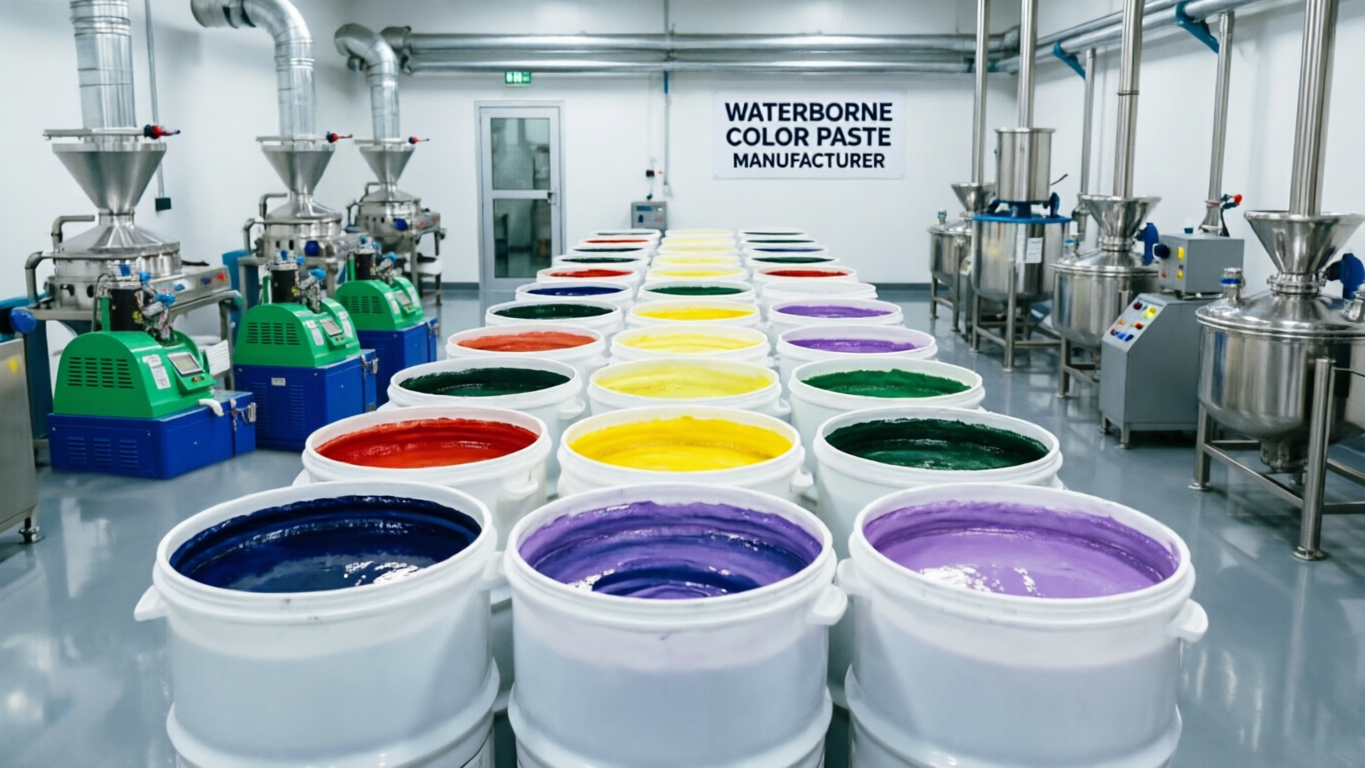
Exterior architectural paints face relentless exposure to ultraviolet radiation, temperature fluctuations, and environmental contaminants. The durability and aesthetic performance of these coatings depend heavily on their ability to resist photodegradation and color fading. One critical factor determining this resistance is the quality and composition of the pigment paste used in paint formulations. Modern pigment paste technology plays a fundamental role in enhancing UV resistance, ensuring that painted surfaces maintain their color integrity and protective properties over extended periods. Understanding how pigment paste contributes to UV resistance helps architects, contractors, and facility managers make informed decisions about exterior coating specifications.

The relationship between pigment paste composition and UV durability extends beyond simple color matching. Pigment paste formulations contain specific organic and inorganic pigments, dispersants, resins, and stabilizers that work synergistically to absorb and dissipate harmful UV radiation before it can degrade the paint binder. High-quality pigment paste ensures uniform particle size distribution, optimal pigment loading, and enhanced light stability characteristics. These technical properties directly influence how well exterior architectural paints can withstand years of sun exposure without chalking, fading, or losing protective functionality. The choice of pigment paste becomes a critical specification for projects requiring long-term exterior durability.
How Pigment Paste Enhances UV Resistance Mechanisms
Pigment Paste Absorption and UV Light Blocking
Pigment paste containing UV-absorbing pigments creates a protective barrier that intercepts harmful ultraviolet radiation before it reaches the paint film substrate. Inorganic pigments like iron oxides, titanium dioxide, and specialized UV-absorbing compounds in pigment paste formulations absorb UV energy and convert it into harmless heat. This energy dissipation prevents the photochemical breakdown of the resin binder, which would otherwise lead to chalking and color degradation. The effectiveness of this UV resistance depends on proper pigment paste dispersion throughout the paint film, ensuring complete coverage and consistent protection across the entire painted surface.
Pigment Paste and Photostability Enhancement
Advanced pigment paste formulations incorporate synergistic stabilizer systems that enhance the photostability of the entire paint coating. These stabilizers work within the pigment paste matrix to protect both the pigment particles and the surrounding resin binder from free radical formation initiated by UV exposure. When pigment paste is properly engineered with complementary stabilizers, chelating agents, and light absorbers, the resulting exterior paint demonstrates significantly improved color retention and reduced surface degradation. This enhanced photostability extends the maintenance intervals between recoating cycles, reducing lifecycle costs and improving project economics for building owners.
Technical Specifications for UV-Resistant Pigment Paste
Pigment Paste Particle Size and Distribution
The effectiveness of pigment paste in delivering UV resistance depends critically on particle size uniformity and distribution within the paint matrix. Fine-milled pigment paste with optimal particle sizes between 0.5 and 3 micrometers provides superior light-scattering properties and UV absorption capacity. Poorly dispersed or coarsely ground pigment paste cannot achieve uniform protection across the paint film, resulting in localized areas of enhanced UV degradation. Modern pigment paste manufacturing employs advanced milling and dispersion technologies to ensure consistent particle size distribution, enabling architects and contractors to specify exterior paints with predictable and reliable UV resistance performance.
Pigment Paste Loading Ratios and Performance
The pigment-to-binder ratio within pigment paste formulations directly affects the coating's ability to resist UV damage and maintain color stability. Optimal pigment paste loading achieves the critical pigment volume concentration threshold, where maximum UV protection meets effective film formation and adhesion characteristics. Insufficient pigment paste loading results in inadequate UV blocking, while excessive pigment paste concentrations can compromise film flexibility and water resistance. Experienced paint formulators balance pigment paste content to deliver superior UV resistance while maintaining compliance with VOC regulations and achieving the required physical properties for exterior architectural applications.
Selection and Application Considerations for Pigment Paste
Climate and Exposure Profile Matching with Pigment Paste
Different exterior environments impose varying UV exposure intensities and spectral distributions that require customized pigment paste formulations. High-altitude locations, tropical regions, and south-facing exposures demand pigment paste compositions featuring enhanced UV-absorbing pigments and robust stabilizer systems. Coastal environments introduce additional salt spray and humidity challenges that require pigment paste formulations with advanced corrosion inhibitors and water-resistance enhancers. By selecting pigment paste specifications matched to specific climate profiles, specifiers ensure that exterior architectural paints deliver appropriate service life and maintain aesthetic appearance throughout their intended design lifespan.
Integration with Paint System Architecture
Pigment paste functions optimally within the context of complete paint system design, including primer selection, topcoat formulation, and substrate preparation protocols. The UV resistance benefits of premium pigment paste only manifest when paired with UV-resistant resins and proper film thickness specifications. A well-designed exterior paint system incorporates pigment paste that complements the overall durability strategy, ensuring that UV radiation cannot penetrate through thinner areas or find pathways around insufficient pigment coverage. Specification professionals must consider pigment paste not as an isolated component but as an integral element within the complete coating system architecture.
Performance Validation and Quality Assurance
Accelerated Weathering Testing for Pigment Paste UV Resistance
Industry-standard accelerated weathering tests quantify the UV resistance performance of exterior paints formulated with specific pigment paste systems. ASTM G154 xenon arc exposure, salt spray testing, and humidity cycling protocols reveal how pigment paste formulations respond to simulated long-term environmental stress. Coatings formulated with high-quality pigment paste typically exhibit minimal gloss loss, color shift, and chalk resistance through 3,000 to 5,000 hours of accelerated weathering exposure. These validation protocols provide specifiers with objective performance data demonstrating that selected pigment paste contributes meaningfully to durable exterior paint systems.
Long-Term Field Performance Monitoring
Real-world field exposure data provides essential feedback about pigment paste performance in actual exterior environments where UV intensity, thermal cycling, and humidity vary continuously. Coatings containing premium pigment paste formulations often demonstrate superior color retention and minimal degradation after 7 to 10 years of unprotected outdoor exposure. Building envelope documentation and maintenance records reveal that properly specified pigment paste reduces the frequency of repainting requirements and associated labor costs. This empirical performance data validates the investment in advanced pigment paste technology as a cost-effective strategy for achieving long-term durability in exterior architectural applications.
FAQ
Can pigment paste alone guarantee UV resistance in exterior paints?
Pigment paste is a critical component but not the sole determinant of UV resistance. High-quality pigment paste must work synergistically with UV-resistant resin binders, appropriate film thickness, proper surface preparation, and complementary stabilizer systems. A complete exterior paint system incorporating superior pigment paste delivers optimal UV protection, while pigment paste in inadequate paint formulations cannot compensate for deficiencies elsewhere in the coating system.
What pigment paste characteristics should specifiers prioritize for maximum UV resistance?
Specifiers should prioritize pigment paste featuring fine, uniform particle size distribution, optimal critical pigment volume concentration, advanced UV-absorbing pigments, and robust photostability enhancers. Additionally, pigment paste should demonstrate excellent dispersion stability, minimal settling, and compatibility with low-VOC resin systems. Independent third-party testing data confirming accelerated weathering performance provides objective evidence of pigment paste quality and UV protection capability.
How does pigment paste cost relate to exterior paint durability and lifecycle value?
Premium pigment paste formulations typically represent 15 to 25 percent of total paint material costs but can extend coating service life by 30 to 50 percent compared to economy pigment paste alternatives. This superior pigment paste performance reduces maintenance labor, repainting frequency, and disruption to building operations. For most exterior architectural projects, the incremental investment in quality pigment paste delivers positive return through extended service intervals and reduced lifecycle costs.