Premium Synthetic Colorant Solutions - Superior Performance, Consistency & Durability

Get a Free Quote

Our representative will contact you soon.
Email
Company Name
Mobile/WhatsApp
Interest of Products
Message
0/1000

synthetic colorant

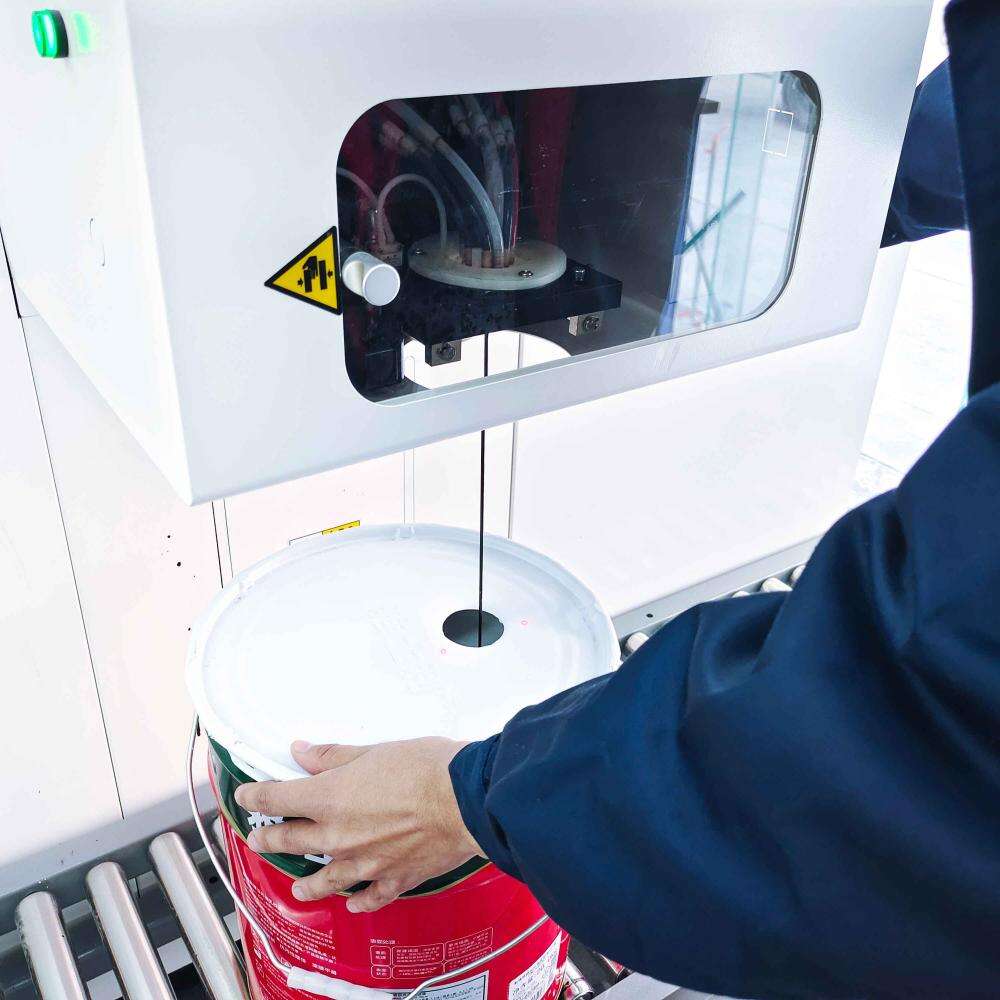
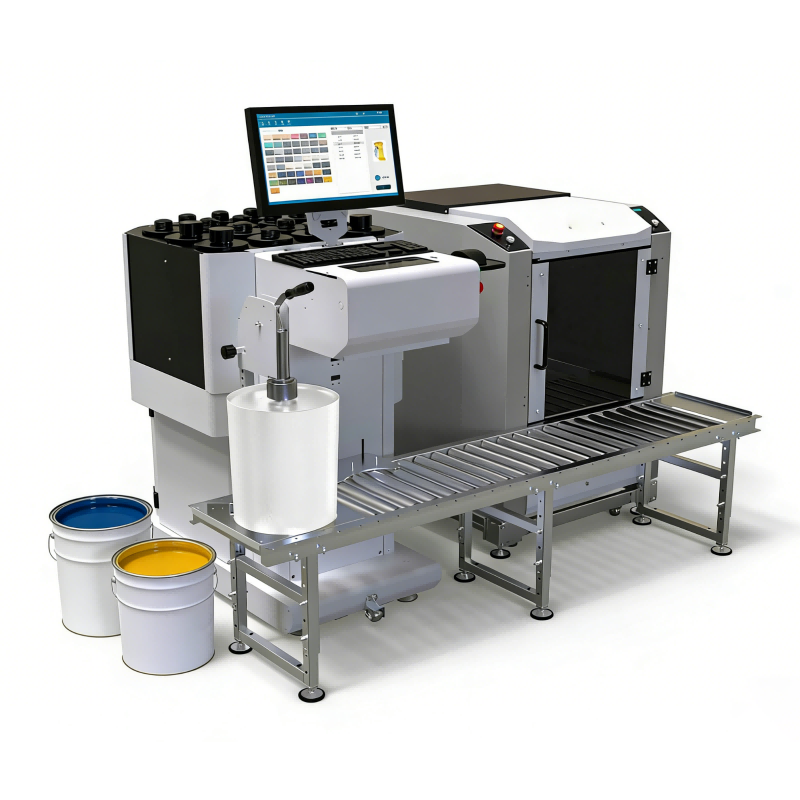
Synthetic colorant represents a revolutionary advancement in modern coloring technology, offering manufacturers and industries unprecedented control over color properties and performance characteristics. Unlike natural dyes that suffer from inconsistency and limited availability, synthetic colorant provides reliable, reproducible results across diverse applications. These artificially produced pigments and dyes emerge from sophisticated chemical processes that create molecules specifically designed to deliver superior coloring performance. The main functions of synthetic colorant include providing vibrant, long-lasting color to products ranging from textiles and plastics to food items and cosmetics. Modern synthetic colorant technology incorporates advanced molecular engineering that ensures optimal light fastness, chemical resistance, and thermal stability. These colorants demonstrate exceptional versatility in their ability to dissolve or disperse uniformly across different substrates and mediums. The technological features of synthetic colorant encompass precise color matching capabilities, enabling manufacturers to achieve exact shade specifications repeatedly. Advanced synthetic colorant formulations resist fading, bleeding, and color migration, maintaining visual appeal throughout product lifecycles. Contemporary synthetic colorant production utilizes environmentally conscious manufacturing processes that minimize waste and reduce environmental impact compared to traditional coloring methods. Applications for synthetic colorant span numerous industries including automotive, aerospace, pharmaceuticals, printing, packaging, and consumer goods manufacturing. The food industry relies heavily on synthetic colorant to create appealing product appearances while meeting strict safety regulations. Textile manufacturers depend on synthetic colorant for creating fashion-forward colors that maintain vibrancy through multiple wash cycles. Plastic manufacturers utilize synthetic colorant to produce consistent coloration in injection molding and extrusion processes. The cosmetics industry employs synthetic colorant to develop long-wearing formulations that resist smudging and transfer. Synthetic colorant technology continues evolving with innovations in nanotechnology and smart materials, opening new possibilities for responsive and adaptive coloring solutions.

New Product Releases

Synthetic colorant delivers remarkable cost-effectiveness compared to natural alternatives, reducing raw material expenses while providing superior performance characteristics. Manufacturers benefit from predictable pricing structures that eliminate the volatility associated with natural dye markets influenced by weather, crop yields, and seasonal availability. The consistent quality of synthetic colorant ensures uniform production outcomes, reducing waste and minimizing quality control issues that plague natural coloring systems. Production efficiency improves dramatically when using synthetic colorant because these materials dissolve quickly, disperse evenly, and require minimal processing time compared to traditional natural dyes. The exceptional color intensity of synthetic colorant means manufacturers use smaller quantities to achieve desired results, reducing overall material costs and simplifying inventory management. Synthetic colorant offers unmatched color stability, maintaining vibrancy under extreme conditions including high temperatures, intense UV exposure, and chemical contact. This durability translates into longer product lifecycles and enhanced customer satisfaction. The broad spectrum of available colors in synthetic colorant formulations enables creative freedom that natural alternatives cannot match. Manufacturers access thousands of precise shades and can create custom colors quickly without extensive development time. Synthetic colorant provides excellent compatibility with modern manufacturing processes, integrating seamlessly with automated production lines and quality control systems. The shelf life of synthetic colorant significantly exceeds natural alternatives, reducing inventory turnover costs and minimizing waste from expired materials. Regulatory compliance becomes simpler with synthetic colorant because these products undergo rigorous testing and certification processes, ensuring consistent safety profiles. Environmental benefits include reduced land use for dye crop cultivation and lower water consumption during production processes. Synthetic colorant manufacturing facilities operate with greater energy efficiency compared to natural dye processing operations. The precision manufacturing of synthetic colorant eliminates batch-to-batch variations that create production challenges and customer complaints. Quality assurance becomes more straightforward with synthetic colorant because manufacturers can rely on consistent chemical composition and performance characteristics across all shipments.

Practical Tips

Sunmun Subsidiary Named

12

Mar

Sunmun Subsidiary Named "Jiangsu Provincial Green Factory", Advancing Sustainable Colorant Production

View More
Sunmun’s Water-Based Color Paste for Viscose Fiber Dope Dyeing Wins “Jiangsu Premium Product” Certification 2025

16

Mar

Sunmun’s Water-Based Color Paste for Viscose Fiber Dope Dyeing Wins “Jiangsu Premium Product” Certification 2025

View More
Sunmun Deepens Southeast Asia Presence with Eco-Friendly Colorants at Pacific Coatings Show 2025

16

Mar

Sunmun Deepens Southeast Asia Presence with Eco-Friendly Colorants at Pacific Coatings Show 2025

View More
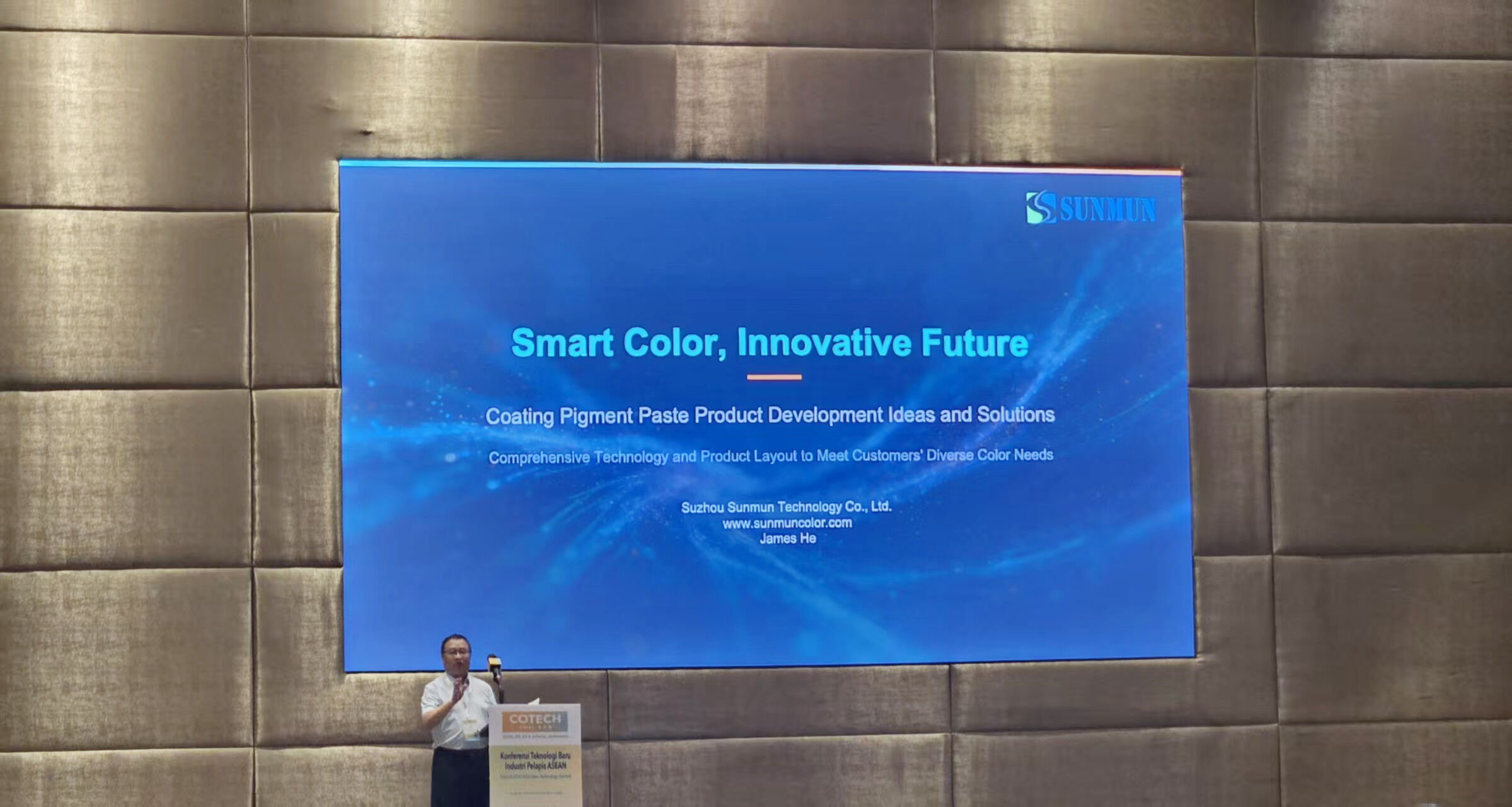
SUNMUN Technology Shines at ASEAN Advanced Coatings Technology Forum in Indonesia

28

Apr

SUNMUN Technology Shines at ASEAN Advanced Coatings Technology Forum in Indonesia

View More

Get a Free Quote

Our representative will contact you soon.
Email
Company Name
Mobile/WhatsApp
Interest of Products
Message
0/1000

synthetic colorant

Superior Color Fastness and Durability Performance

Superior Color Fastness and Durability Performance

Synthetic colorant delivers exceptional color fastness properties that significantly outperform natural alternatives across all environmental exposure conditions. This superior durability stems from carefully engineered molecular structures that resist photodegradation, thermal breakdown, and chemical attack. When products colored with synthetic colorant face prolonged sunlight exposure, the advanced chromophore design maintains color integrity while natural dyes fade rapidly. The molecular stability of synthetic colorant prevents color bleeding during washing processes, ensuring that textiles retain their original appearance after hundreds of cleaning cycles. This remarkable durability translates into substantial cost savings for end users who avoid frequent replacement or recoloring of products. Synthetic colorant demonstrates outstanding resistance to pH variations, maintaining consistent coloration across acidic and alkaline environments where natural dyes would decompose or shift dramatically. The thermal stability of synthetic colorant enables use in high-temperature applications including automotive parts, aerospace components, and industrial equipment where color consistency remains critical for functionality and aesthetics. Chemical resistance properties allow synthetic colorant to withstand exposure to solvents, oils, and cleaning agents without color migration or degradation. This stability proves essential in medical devices, laboratory equipment, and chemical processing applications where color coding serves safety purposes. The lightfastness ratings of synthetic colorant consistently achieve top performance grades in standardized testing, providing manufacturers with confidence in long-term color retention. UV stabilization additives can be incorporated into synthetic colorant formulations to further enhance outdoor durability for architectural applications, signage, and recreational equipment. The molecular design of synthetic colorant enables precise control over fading characteristics, allowing manufacturers to predict color lifecycle performance accurately. This predictability facilitates warranty programs and quality guarantees that would be impossible with natural coloring systems. Furthermore, synthetic colorant maintains color vibrancy across multiple processing steps including heat setting, curing, and surface treatments that would compromise natural dye performance.

Precise Color Matching and Consistency Control

Precise Color Matching and Consistency Control

Synthetic colorant technology provides unprecedented precision in color matching and consistency control, enabling manufacturers to achieve exact specifications repeatedly across production runs and manufacturing facilities. This remarkable accuracy results from sophisticated quality control systems that monitor molecular composition, particle size distribution, and optical properties throughout the manufacturing process. Unlike natural dyes that exhibit inherent variability due to source material differences, synthetic colorant maintains identical characteristics batch after batch. The spectrophotometric properties of synthetic colorant can be precisely controlled during production, ensuring that color coordinates match specified values within extremely tight tolerances. This precision enables global manufacturers to maintain consistent brand colors across different production locations and supply chains. Computer-controlled manufacturing processes for synthetic colorant eliminate human error and environmental variations that affect natural dye consistency. The standardized production methods ensure that synthetic colorant meets identical performance specifications regardless of production timing or facility location. Custom color development becomes streamlined with synthetic colorant because formulators can predict final color outcomes based on established mathematical models and spectral databases. This predictability reduces development time and eliminates costly trial-and-error processes associated with natural dye formulation. Quality assurance testing for synthetic colorant includes advanced analytical techniques that verify molecular structure, purity levels, and optical properties before shipment. These comprehensive testing protocols guarantee that customers receive materials meeting exact specifications every time. The traceability systems for synthetic colorant production enable rapid identification and resolution of any quality variations, maintaining consistent supply chain performance. Color matching software can accurately predict how synthetic colorant will perform in different substrates and processing conditions, facilitating precise color specification across diverse applications. The inherent stability of synthetic colorant means that stored materials maintain original color properties for extended periods without degradation or color drift. This stability eliminates concerns about inventory aging and ensures consistent results regardless of storage duration. Documentation systems for synthetic colorant provide complete records of production parameters, enabling exact reproduction of specific color batches when required.
Enhanced Manufacturing Efficiency and Processing Benefits

Enhanced Manufacturing Efficiency and Processing Benefits

Synthetic colorant dramatically improves manufacturing efficiency through superior processing characteristics that reduce production time, minimize waste, and simplify quality control procedures. The engineered particle size distribution of synthetic colorant ensures rapid dissolution and uniform dispersion in processing equipment, eliminating the lengthy mixing cycles required for natural dyes. This efficiency translates into increased throughput and reduced energy consumption across manufacturing operations. The chemical compatibility of synthetic colorant with modern processing aids and additives enables streamlined formulation development without compatibility concerns that plague natural coloring systems. Manufacturing equipment operates more efficiently with synthetic colorant because these materials do not contain organic impurities that cause buildup, corrosion, or contamination issues. The consistent flow properties of synthetic colorant enable precise dosing through automated feeding systems, ensuring accurate color strength while minimizing material waste. Quality control becomes simplified with synthetic colorant because testing protocols can focus on straightforward analytical measurements rather than complex biological variability assessments required for natural materials. The thermal processing behavior of synthetic colorant remains predictable across temperature ranges, enabling optimized processing conditions that maximize efficiency while maintaining quality. Synthetic colorant formulations can be engineered with specific rheological properties that enhance processing performance in particular applications such as injection molding, extrusion, or coating processes. The absence of seasonal availability constraints for synthetic colorant enables continuous production planning without supply interruptions that affect natural dye-based manufacturing. Inventory management becomes more efficient with synthetic colorant because longer shelf life reduces waste from expired materials and enables bulk purchasing for cost advantages. The standardized packaging and handling procedures for synthetic colorant integrate seamlessly with modern warehouse automation systems, reducing labor costs and improving inventory accuracy. Production scheduling flexibility increases with synthetic colorant because manufacturers can respond rapidly to customer demands without waiting for natural dye processing or availability. The consistent performance characteristics of synthetic colorant eliminate the need for extensive process adjustments between production runs, maintaining steady manufacturing efficiency. Environmental compliance becomes more straightforward with synthetic colorant because emission profiles and waste characteristics remain consistent, facilitating regulatory reporting and control system design.

Get a Free Quote

Our representative will contact you soon.
Email
Company Name
Mobile/WhatsApp
Interest of Products
Message
0/1000