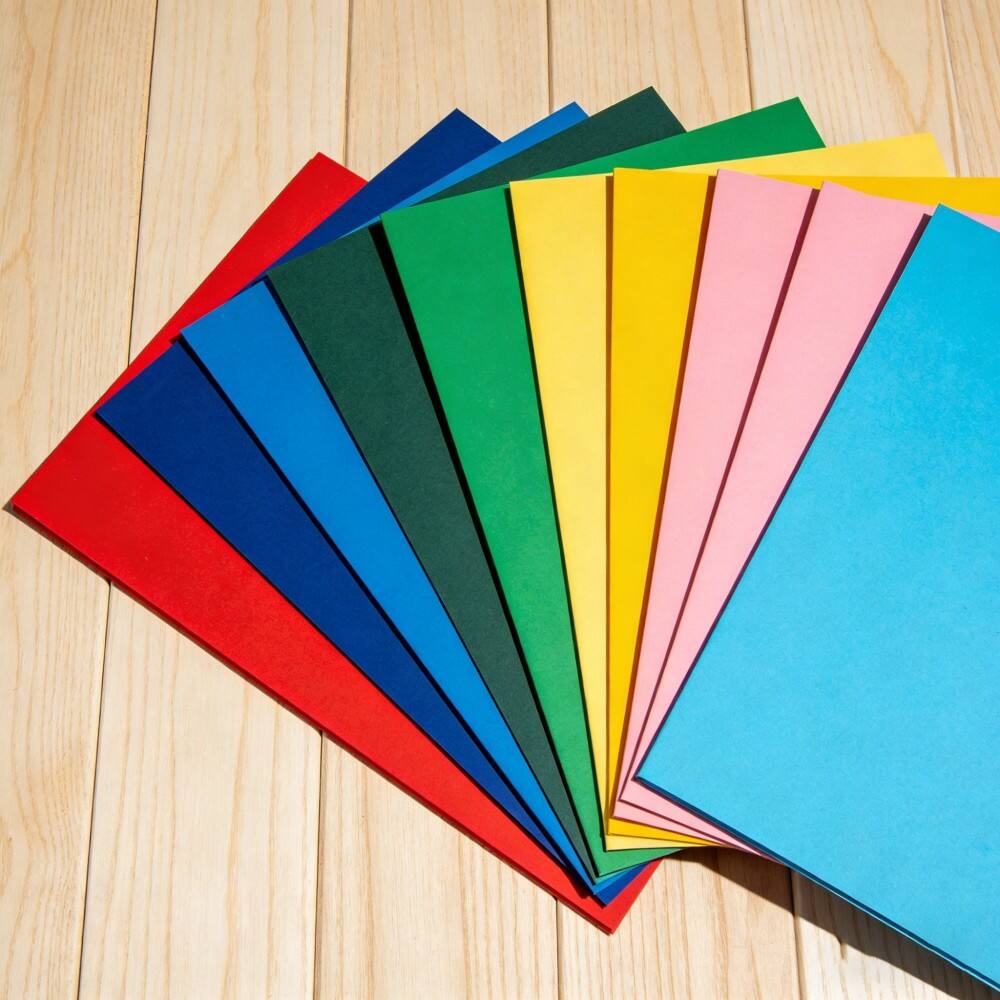
Versatile Application Range and Technical Innovation
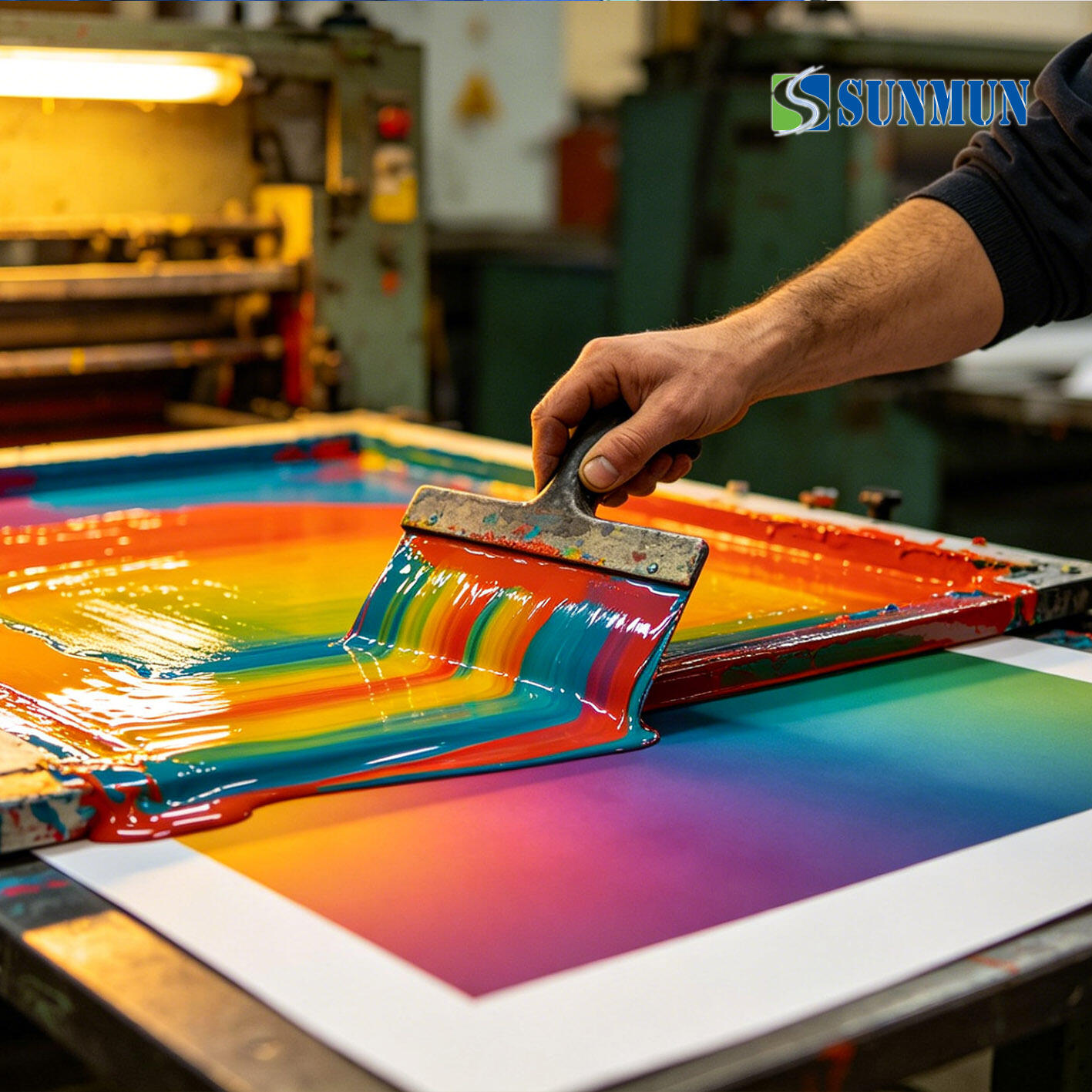
The printing tinting paste demonstrates exceptional versatility across an extensive range of applications and industries, making it a comprehensive solution for diverse printing requirements through its innovative technical formulation and adaptive performance characteristics. This remarkable paste performs excellently across multiple substrate materials including metals, plastics, ceramics, glass, and composite materials, providing consistent adhesion and color development regardless of surface characteristics or chemical composition. The technical innovation embedded in printing tinting paste includes nano-scale pigment particles that penetrate substrate surfaces more effectively than conventional colorants, resulting in superior bonding strength and enhanced durability performance. Industrial applications benefit from the paste's resistance to chemical attack, temperature extremes, and mechanical stress, making it suitable for demanding environments such as aerospace components, marine equipment, and heavy machinery where performance reliability is essential. The paste's compatibility with various printing technologies including screen printing, pad printing, inkjet printing, and spray coating applications provides manufacturers with flexibility to choose optimal printing methods for specific applications without compromising color quality or performance. Food-safe formulations of printing tinting paste meet stringent regulatory requirements for food contact applications, enabling use in packaging and food processing equipment where safety compliance is mandatory. Electronic applications leverage the paste's electrical insulation properties and thermal stability for printed circuit boards, electronic housings, and component identification marking where precision and reliability are critical. Architectural applications benefit from the paste's weather resistance and UV stability for exterior building elements, signage, and decorative features that must withstand years of environmental exposure while maintaining aesthetic appeal. The paste's low volatile organic compound content makes it suitable for indoor applications where air quality considerations are important, including healthcare facilities, educational institutions, and residential environments. Automotive applications utilize the paste's chemical resistance and thermal stability for interior components, exterior trim, and under-hood applications where exposure to automotive fluids and temperature fluctuations is common.
 ×
×



 EN
EN