pigment manufacturer
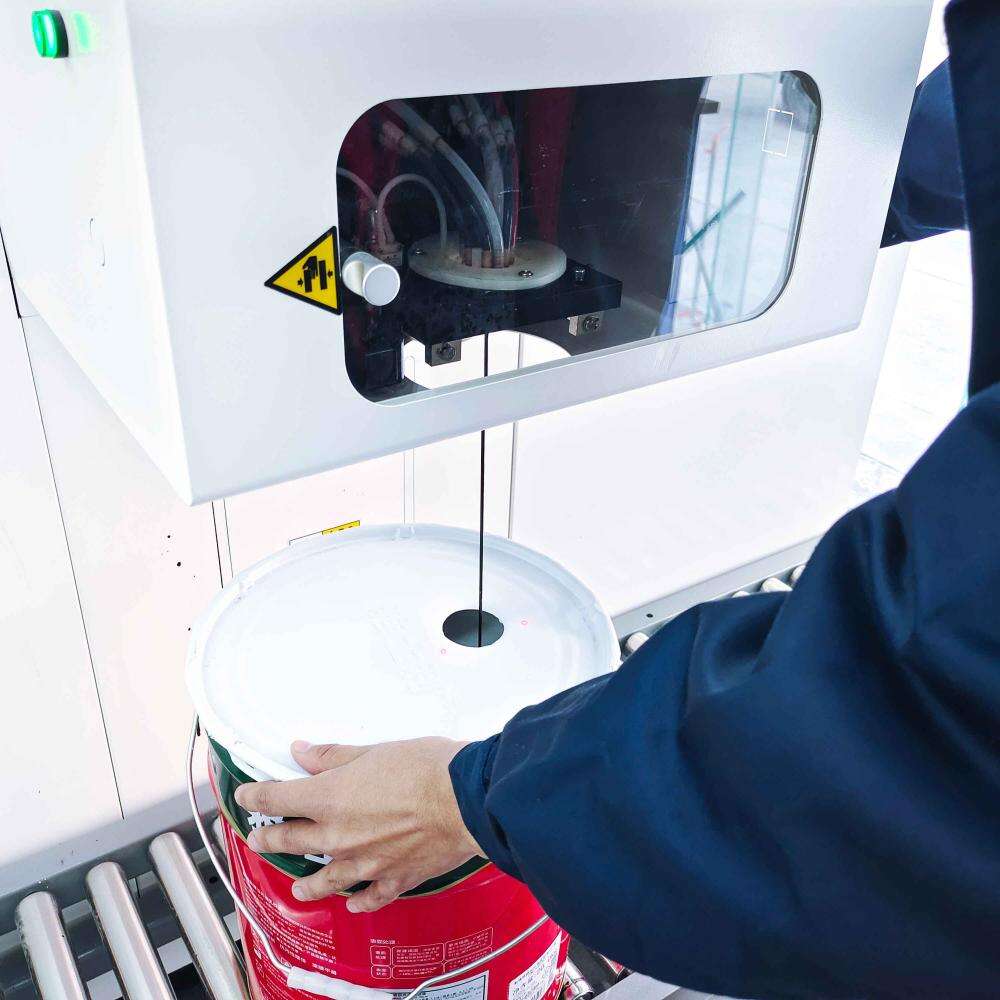
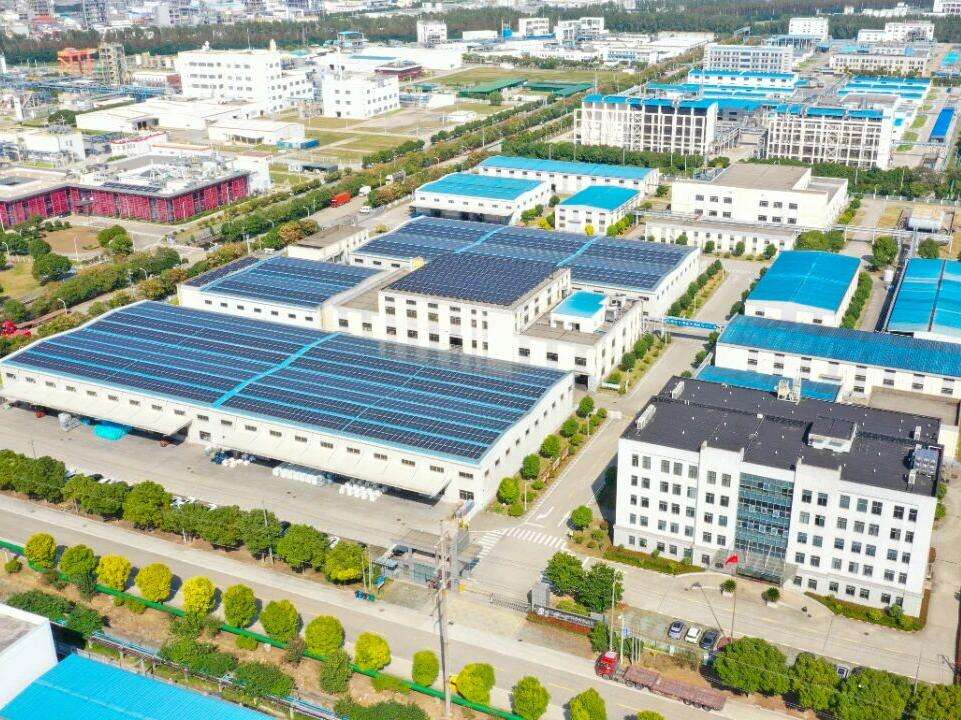
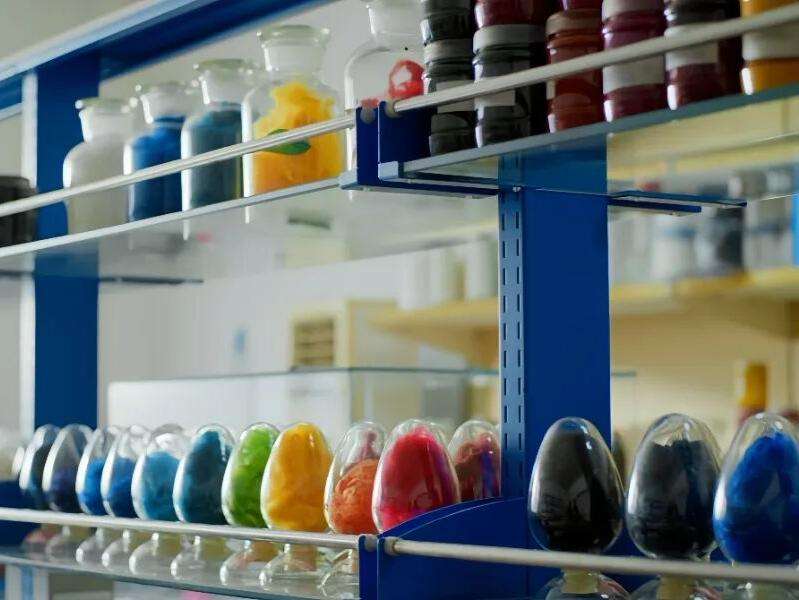
A pigment manufacturer serves as the cornerstone of modern industrial color production, specializing in the development, synthesis, and distribution of high-quality colorants for diverse applications across multiple sectors. These specialized companies combine advanced chemical engineering with precise manufacturing processes to create pigments that deliver exceptional color performance, durability, and consistency. The primary function of a pigment manufacturer involves transforming raw materials through sophisticated chemical reactions and mechanical processes to produce stable, uniform colorants that meet stringent industry standards. Modern pigment manufacturing facilities utilize state-of-the-art technology including automated mixing systems, precision temperature controls, and advanced filtration equipment to ensure product quality and reproducibility. The technological features that distinguish leading pigment manufacturers include computer-controlled production lines, real-time quality monitoring systems, and specialized grinding equipment that achieves optimal particle size distribution. These manufacturers employ rigorous testing protocols throughout the production cycle, utilizing spectrophotometry, particle analysis, and lightfastness testing to guarantee color accuracy and performance stability. Applications for manufactured pigments span numerous industries including automotive coatings, architectural paints, printing inks, plastics, textiles, and cosmetics. Each application demands specific pigment characteristics such as heat resistance, chemical stability, opacity levels, and color strength. Pigment manufacturers must therefore maintain extensive product portfolios featuring organic and inorganic colorants tailored to meet these diverse requirements. Environmental sustainability represents another crucial aspect of modern pigment manufacturing, with companies implementing eco-friendly production methods, waste reduction programs, and developing low-impact formulations. Quality assurance remains paramount, with manufacturers maintaining ISO certifications and adhering to international color standards to ensure consistent performance across all product lines. The manufacturing process typically involves multiple stages including raw material preparation, chemical synthesis, purification, drying, and final packaging, each carefully controlled to maintain product integrity and performance specifications.
 ×
×


 EN
EN